


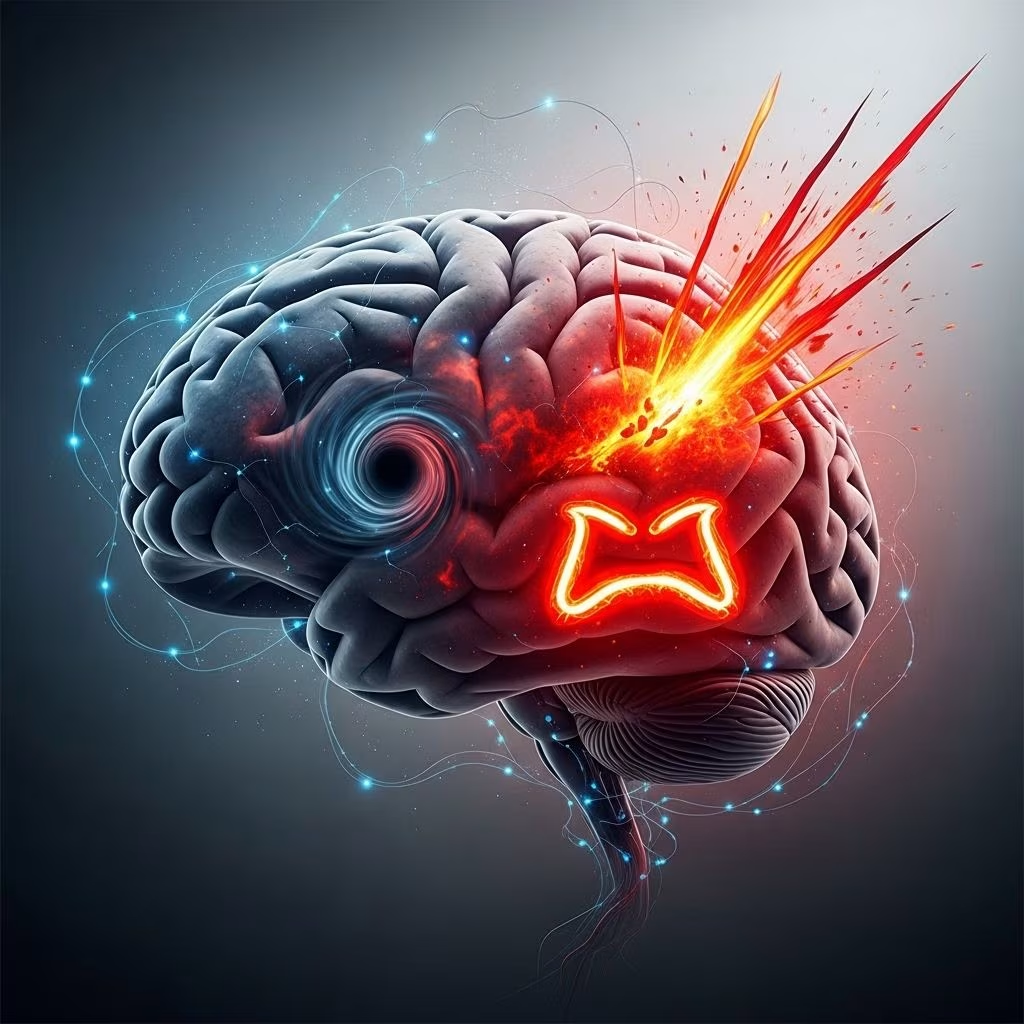
Depression is widely recognized for its emotional symptoms such as sadness, hopelessness, and a lack of pleasure. Less known, but equally important, is how closely depression and anger are linked. For many, anger is both a symptom and an outcome of depression, and understanding their interplay is crucial to managing mental health more effectively.
Overview
Depression is a complex mental health condition that not only brings emotional pain and apathy but often presents alongside anger. The anger associated with depression may be expressed outwardly, bottled up internally, or manifest in both ways. This nuanced interplay makes diagnosis and treatment more challenging but also opens new avenues for addressing both emotions in therapy and self-care.
- Anger can be a dominant feature of depression, especially in certain populations.
- Recognizing this connection is essential for accurate diagnosis and effective intervention.
- Understanding anger in depression can help sufferers identify triggers and learn healthier coping mechanisms.
Symptoms of Depression and Anger
The most common symptoms of depression include persistent sadness, hopelessness, and loss of interest. However, anger can also manifest in the following ways:
- Irritability and frustration, even over small matters.
- Frequent feelings of resentment or being easily annoyed.
- Explosive anger attacks or bursts of rage that are disproportionate to the situation.
- Self-blame, guilt, and internalized anger, resulting in self-critical thought patterns.
- Physical symptoms, such as agitation, tension, and physical outbursts.
While general sadness is a core symptom, intense or prolonged irritability and anger may point to depression, especially when accompanied by other signs such as:
- Sleep disturbances
- Changes in appetite or weight
- Fatigue and low energy
- Difficulty concentrating
- Feelings of worthlessness or excessive guilt
Table: Comparing Anger in Depressive Presentations
| Aspect | Depression Without Anger | Depression With Anger |
|---|---|---|
| Core Mood | Sad, down, hopeless | Sad, irritable, resentful |
| Anger Outbursts | Rare | Frequent or intense |
| Self-Directed Blame | Common | Common, often with intense guilt |
| Outward Blame | Rare | More common; may blame others |
| Social Withdrawal | Frequent | Can be triggered by frustration with others |
Can Depression Cause Anger?
Yes, depression can be a powerful driver of anger. Research indicates that people with depression frequently experience heightened anger, which may be expressed as chronic irritability, frustration, or explosive episodes. Sometimes, anger is directed inward (self-blame and guilt); at other times, it may be directed outward at others or external circumstances.
Studies have shown that this anger may be a psychological response to feelings of helplessness, shame, or disappointment that characterize depressive states. Psychoanalytic theories also suggest suppressed or internalized anger is a key feature in the development and persistence of depression.
- Anger-in: Anger that is directed inward, leading to self-criticism, guilt, and withdrawal.
- Anger-out: Anger expressed outwardly, possibly resulting in conflicts and relationship strain.
Both forms can play a role in the onset and progression of depressive symptoms, especially when they become chronic.
Is Anger a Symptom of Depression?
Anger is increasingly recognized as a symptom and manifestation of depression, especially in particular demographic groups. For example, adolescents and men may exhibit more externalized anger as part of their depression compared to women or older adults.
Some key points include:
- Children and teens often display irritability and defiance rather than sadness.
- Men may manifest depression as anger or aggression instead of admitting to sadness.
- Feeling “on edge” or easily provoked can signal depression, especially when it is a change from baseline behavior.
- Suppression of anger can make depressive symptoms worse, both mentally and physically.
Diagnosis Challenges
Diagnosing depression when anger is predominant can be difficult:
- Clinicians may sometimes overlook anger as a symptom, attributing it to personality or external stressors.
- Patients, especially men, might hesitate to report sadness, but will discuss frustration, irritability, or rage.
- Misdiagnosis can lead to ineffective interventions or missing the underlying depressive disorder entirely.
It is essential for mental health professionals to screen for anger, irritability, and aggression as possible signs of depression, particularly if other symptoms are present.
Common Causes of Depression and Anger
Anger and depression often share similar triggers, but each can also influence the other over time:
- Chronic stress or trauma: Unresolved life events can exacerbate both emotional states.
- Loss or disappointment: Persistent feelings of injustice or being let down often transform into anger or resentment.
- Internal conflict: Struggles with self-worth and unfulfilled goals may trigger both anger at oneself and depressive symptoms.
- Chemical imbalances: Serotonin dysregulation can impact both mood (leading to sadness) and impulse control (resulting in anger).
Interpersonal relationships can also contribute. For example, an individual who feels misunderstood or unsupported may experience rising frustration, which in turn deepens feelings of isolation and sadness.
Risk Factors
- History of depression, anxiety, or anger issues.
- Exposure to chronic negativity or criticism in childhood.
- Genetic or biological predispositions.
- Lack of social support.
Coping With Anger in Depression
Coping strategies should address both depression and anger to be truly effective. Approaches may include:
- Awareness: Identifying anger triggers and recognizing when irritability is related to depressive moods.
- Self-soothing techniques: Deep breathing, mindfulness, or meditation to manage physiological arousal.
- Journaling: Expressing thoughts and emotions on paper to process anger safely.
- Physical activity: Exercise releases tension and can improve mood through endorphin release.
- Assertive communication: Expressing needs calmly and directly, rather than suppressing or exploding.
- Engaging in creative outlets: Art, music, or hobbies can diffuse intense feelings.
Addressing both emotions together can be more effective than treating them in isolation.
Treatment
Treatment for depression that includes anger issues is multidimensional:
- Psychotherapy:
- Cognitive-behavioral therapy (CBT): Helps identify and reframe negative thinking patterns and teaches anger management strategies.
- Interpersonal therapy (IPT): Focuses on improving relationships and dealing with unresolved conflicts.
- Medication: Antidepressants, especially selective serotonin reuptake inhibitors (SSRIs), can alleviate mood symptoms and sometimes reduce irritability and anger.
- Group therapy or support groups: Sharing experiences with others can validate feelings and offer new coping ideas.
- Mindfulness and emotional regulation skills: Training in mindfulness or dialectical behavior therapy (DBT) helps manage both depressive and angry outbursts.
- Lifestyle adjustments: Improving sleep, nutrition, and social supports enhances resilience.
Collaborating with a mental health professional is critical for creating an individualized plan that addresses the unique patterns of depression and anger.
Frequently Asked Questions (FAQs)
Can you have depression without feeling sad?
Yes. While persistent sadness is typical, depression can also present as chronic irritability, anger, or lack of interest, especially in adolescents and men.
Is anger a sign of depression in men?
Often, yes. Men are more likely to report anger, irritability, and aggression as symptoms of depression than sadness, making these behaviors key diagnostic clues.
What is an anger attack?
An anger attack is a sudden, intense outburst of rage that can be characteristic of depression. These episodes may be triggered by minor frustrations and are often followed by regret or shame.
How do I know if my anger is related to depression?
If anger is persistent, appears alongside other symptoms such as fatigue, hopelessness, or social withdrawal, or if it is a change from usual temperament, it may be linked to underlying depression.
Is treatment for depression with anger different from standard depression treatment?
Treatment often needs to address both the mood disorder and anger management, sometimes requiring specific therapy modules or medication adjustments.
Key Takeaways
- Anger is a common yet overlooked aspect of depression, particularly in certain populations.
- Recognizing signs of irritability and anger in depression leads to more accurate diagnosis and effective intervention.
- Addressing both symptoms through therapy, medication, and self-care strategies improves outcomes.
- If anger or irritability persist, consulting a mental health professional is essential for appropriate evaluation and support.
Resources
- National Alliance on Mental Illness (NAMI): Offers support for those living with depression and related anger issues.
- Mental Health America (MHA): Provides free resources on managing depression and emotional health.
- Local therapists and mental health clinics: Access customized treatment and support for depression and anger issues.
If you or someone you love is struggling with depression and anger, reach out for support. Effective help is available, and taking the first step can make a lasting difference.
References
- https://bioresscientia.com/article/anger-beyond-depression-the-effect-of-trait-anger-on-depression-a-moderated-mediating-effect
- https://pmc.ncbi.nlm.nih.gov/articles/PMC10439833/
- https://pubmed.ncbi.nlm.nih.gov/16133740/
- https://www.psychologytoday.com/us/blog/overcoming-destructive-anger/202011/how-do-depression-and-anger-interact
- https://magazine.hms.harvard.edu/articles/anger-management


