


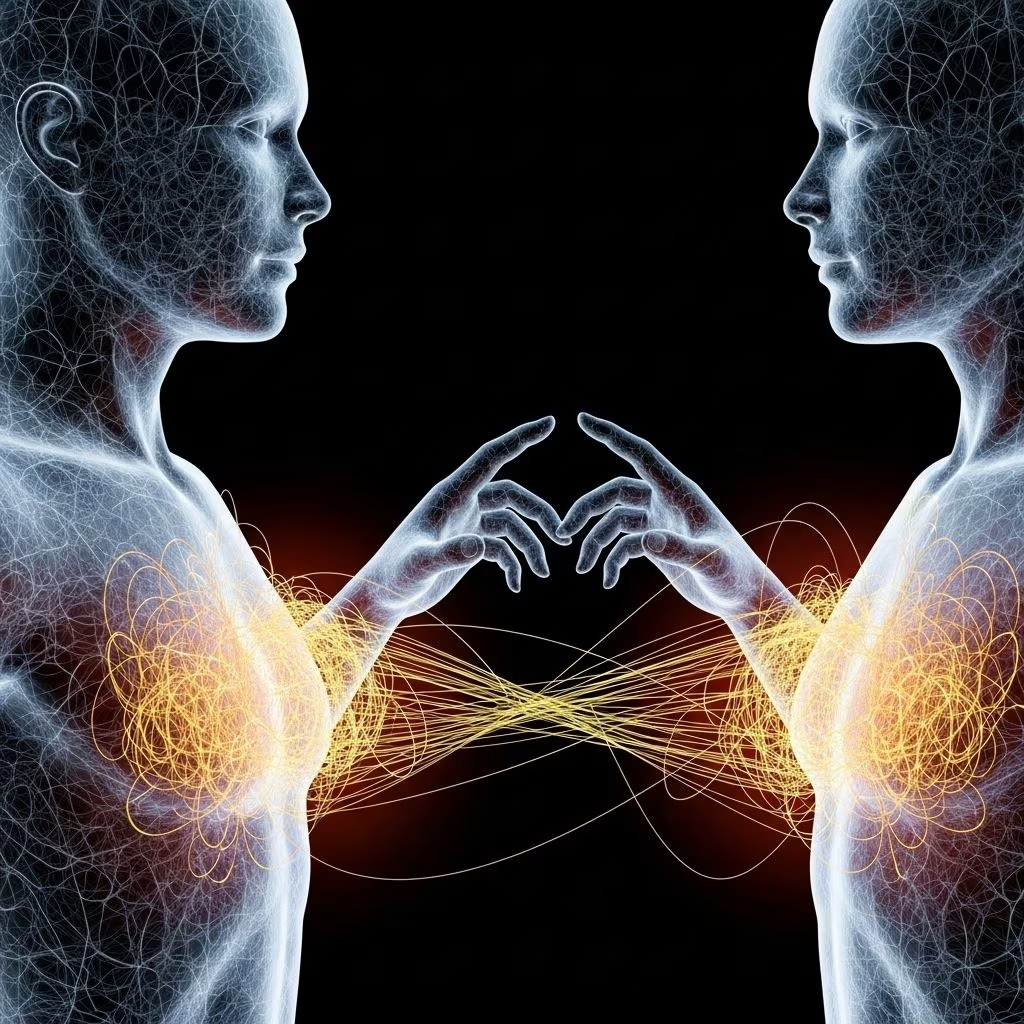
Emotional attachment is the profound bond that connects us with others, essential for building close relationships and fostering a sense of safety and belonging. While emotional attachment contributes to personal well-being and resilience, it can also become unbalanced, leading to unhealthy patterns in relationships. This article delves into the meaning, types, formation, and health implications of emotional attachment, offering guidance to help individuals recognize and cultivate healthy bonds.
What Is Emotional Attachment?
Emotional attachment is a deep psychological and emotional connection developed between individuals, often starting with primary caregivers and extending throughout life. This bond provides comfort, security, and a foundation for self-worth. While attachments can form with people, pets, objects, or even places, in psychology, the term most often describes the emotional link between children and caregivers, which later influences adult relationships.
- Definition: A lasting emotional bond where each party seeks closeness and feels secure in the other’s presence.
- Purpose: Fosters comfort, safety, belonging, and reliability.
- Scope: Extends to friendships, romantic relationships, family ties, and significant others.
Attachment Theory: The Foundation
The concept of emotional attachment is best understood through attachment theory, developed by psychologist John Bowlby in the mid-20th century. Bowlby’s research explains how early relationships with caregivers shape not only childhood behaviors, but also influence patterns of bonding and relationship dynamics across the lifespan.
- Key Idea: Infants have an innate drive to form attachments for protection and emotional regulation.
- Secure Base: Caregivers provide a safe and supportive environment, allowing children to explore the world.
- Internal Working Models: Early relationship experiences guide beliefs about self-worth and others’ reliability.
- Lifespan Perspective: Attachment continues to shape relationships throughout adulthood and can change with new experiences.
Attachment Behavioral System
The attachment behavioral system describes how children (and adults) seek proximity to their attachment figures in times of stress. This instinct is activated by perceived threats—like hunger, illness, emotional upset, or danger. Seeking closeness comforts the individual, provides reassurance, and restores a sense of calm so they can continue healthy exploration and functioning. While most active in early childhood, this system influences behaviors and emotional regulation in adulthood as well.
How Emotional Attachments Form
Emotional attachments begin to form in infancy, typically during the first few months of life as a child develops trust in their caregiver. The quality and consistency of a caregiver’s responses—especially in moments of distress or need—influence the type of attachment that forms.
- Consistent Responsiveness: Leads to trust and secure attachment.
- Inconsistent or Neglectful Responses: Can lead to insecurity and anxiety.
- Negative or Hostile Responses: Result in avoidant or disorganized attachment.
Children use caregivers as a secure base: when they feel safe, they can explore; when distressed, they seek proximity and comfort. This pattern continues to shape how individuals relate to others—in friendships, romantic partnerships, and other significant connections—throughout life.
Types of Emotional Attachment
Attachment theory identifies four primary attachment styles that develop in childhood, persist into adulthood, and influence relationship health:
| Attachment Style | Key Characteristics | Typical Behaviors |
|---|---|---|
| Secure | Trusting, comfortable with closeness, positive self & other view | Open communication, balanced independence & intimacy, seeks support when needed |
| Anxious-Preoccupied | Worries about rejection, craves closeness, self-doubting | Clinginess, fear of abandonment, seeks excessive reassurance |
| Avoidant-Dismissive | Values independence, uncomfortable with intimacy, self-reliant | Emotionally distant, avoids closeness, may downplay importance of relationships |
| Disorganized/Fearful | Difficulty trusting, mixed behaviors, often stems from trauma | Inconsistent behavior, struggles with emotional regulation and intimacy |
Secure Attachment
Individuals with secure attachment feel comfortable with intimacy and autonomy. They trust others, communicate effectively, and balance their needs for support and independence. Secure attachment generally results from responsive and nurturing caregiving in childhood.
Anxious-Preoccupied Attachment
This style is characterized by a fear of abandonment and excessive need for validation. People may become overly dependent on others, seeking constant reassurance and worrying about the stability of relationships.
Avoidant-Dismissive Attachment
Persons with avoidant attachment often suppress or deny their emotional needs, preferring independence and self-reliance. They may feel uncomfortable with closeness and tend to distance themselves emotionally from others.
Disorganized/Fearful Attachment
This style is marked by conflicting behaviors, such as seeking intimacy but also fearing it. Often rooted in unresolved trauma or loss, individuals may have trouble trusting others and regulating their emotions.
Healthy Versus Unhealthy Emotional Attachment
While emotional attachment is a normal part of human development, the line between healthy and unhealthy attachment often depends on balance, boundaries, and mutual respect. Understanding these differences can help individuals assess the quality of their attachments and relationships.
Signs of Healthy Emotional Attachment
- Comfortable both being close and having time apart
- Mutual respect and support
- Trust and open communication
- Space for both partners’ personal growth
- Effective conflict resolution and repair after disagreement
Signs of Unhealthy Emotional Attachment
- Extreme dependency on another for self-worth or happiness
- Difficulty functioning independently
- Intense fear of abandonment or rejection
- Jealousy, possessiveness, or controlling behaviors
- Ineffective or avoidant communication
- Neglect of own needs in favor of partner’s needs
Unhealthy attachment can hinder psychological well-being, erode self-esteem, and contribute to anxiety, depression, or relationship dysfunction. Striking a balance—valuing connection without dependence—marks the foundation of healthy emotional bonding.
What Causes Unhealthy Attachment Patterns?
Unhealthy attachments often have their roots in early life experiences and caregiver relationships:
- Inconsistent or neglectful caregiving
- Trauma, abuse, or significant loss during childhood
- Chronic invalidation of emotional needs
- Lack of emotional availability from caregivers
These influences shape a person’s expectations, beliefs, and capacities for intimacy. Insecure attachment and pathological emotional dependence may result in difficulty forming meaningful adult connections, excessive dependency, or avoidance of intimacy altogether.
Consequences of Unhealthy Attachment
- Low self-esteem and self-worth
- Fear of abandonment, leading to clinginess or push-pull dynamics
- Anxiety, insecurity, or emotional instability in relationships
- Difficulty establishing or maintaining boundaries
- Problems with trust and emotional regulation
In severe cases, unhealthy attachment may manifest as attachment disorders or co-dependency, which require professional intervention.
How to Develop Healthy Emotional Attachment
Developing secure, healthy attachments is possible regardless of early experiences. Key steps include:
- Self-awareness: Recognize your patterns, triggers, and relational needs.
- Healthy boundaries: Learn to set and respect limits with others.
- Effective communication: Express emotions and needs directly and assertively.
- Self-care: Cultivate interests, friendships, and self-soothing practices outside of primary relationships.
- Therapy: Engage with professionals to heal past wounds and develop secure patterns of relating if old patterns persist.
Change takes time—secure attachment can be built through new positive experiences, supportive relationships, and honest self-reflection.
When Emotional Attachment Becomes Pathological
Sometimes, emotional attachment crosses into the realm of the pathological. In such cases, individuals may find themselves unable to function without a particular person, engage in extreme or obsessive behaviors, or remain trapped in toxic, abusive cycles due to fear of abandonment.
- Signs of pathological attachment include:
- Excessive jealousy or possessiveness
- Loss of personal identity or interests
- Inability to set boundaries
- Preoccupation with pleasing another at the cost of personal well-being
- High anxiety/distress when apart from attachment figure
In such cases, seeking professional psychological support is important to reestablish healthy boundaries and self-reliance.
Error: Attachment to Non-Human Entities
While emotional attachment most often refers to bonds between people, similar connections may form with pets, places, objects (like childhood blankets), or even dates and routines. These attachments can offer comfort, continuity, and meaning, but can also become problematic if they block personal growth, social engagement, or necessary change.
Frequently Asked Questions (FAQs)
What is the main purpose of emotional attachment?
The primary function of emotional attachment is to create a sense of security, comfort, and trust that supports healthy exploration, emotional regulation, and resilience throughout life.
Can attachment styles really change over time?
Yes, while early experiences set the groundwork, attachment styles are dynamic and can shift in response to significant life events, therapy, or healthy relationships.
Is it possible to have emotional attachments to things or places?
Absolutely. People can develop deep emotional connections to pets, homes, objects, or routines, often for their symbolic value and the comfort they provide.
How do I know if my attachment style is unhealthy?
If you notice persistent fear of abandonment, difficulty trusting, or patterns of either extreme dependence or avoidance in relationships, it may indicate an unhealthy attachment style.
What should I do if I recognize unhealthy attachment patterns in myself?
Self-awareness is the first step. Consider seeking support from a mental health professional, practice setting healthy boundaries, and work on building self-confidence outside relationships.
Final Thoughts
Emotional attachment is a core element of human psychology, fundamental to lifelong development and well-being. By understanding attachment theory and paying attention to your relationship patterns, you can take proactive steps toward cultivating secure, healthy attachments—nurturing both individual growth and fulfilling connections with others.
References
- https://www.medicalnewstoday.com/articles/emotional-attachment
- https://www.simplypsychology.org/attachment.html
- https://www.choosingtherapy.com/emotional-attachment/
- https://kusnachtpractice.com/articles/understanding-pathological-emotional-attachment-causes-symptoms-and-treatment/
- https://www.berkeleywellbeing.com/emotional-attachment.html
- https://www.ncbi.nlm.nih.gov/books/NBK571559/
- https://www.psychologytoday.com/us/basics/attachment
- https://positivepsychology.com/attachment-theory/


