


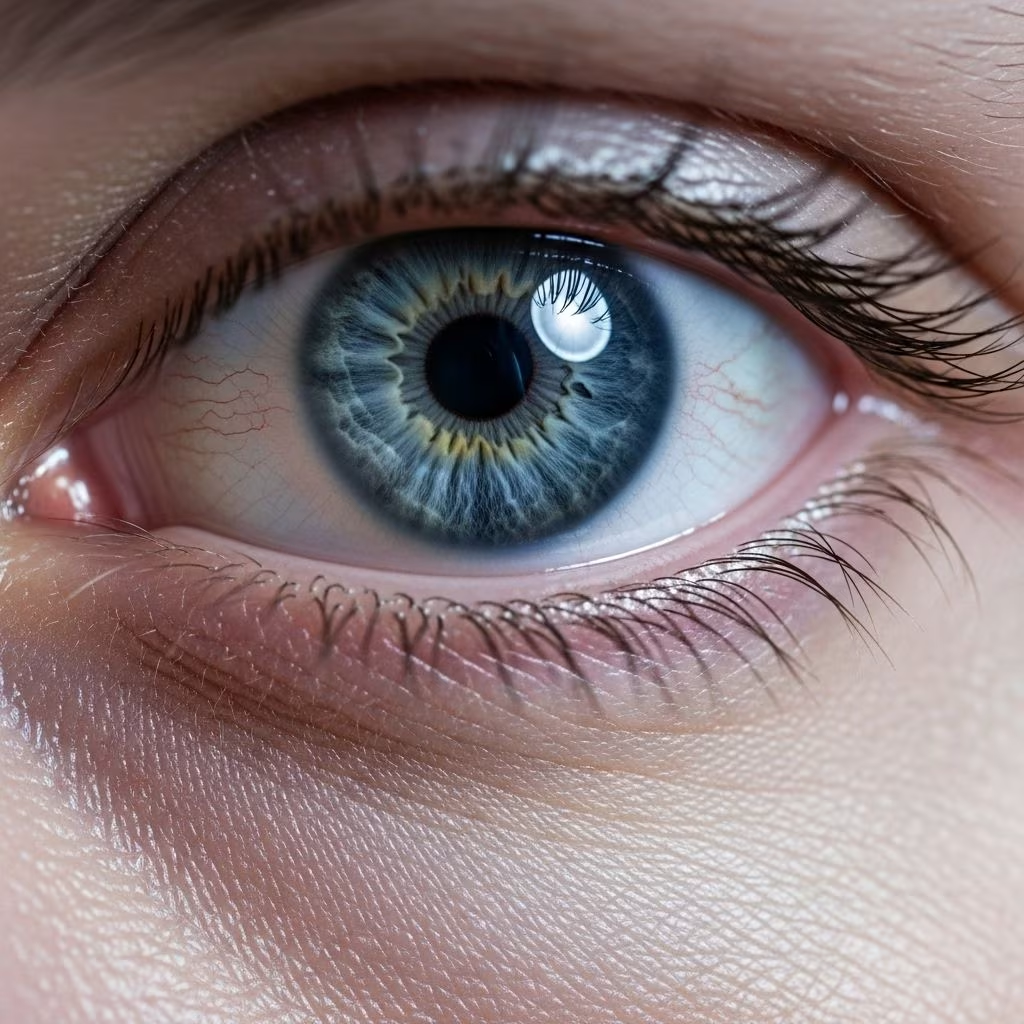
Psychopath Eyes: Myths, Science, and the Reality Behind the Stare
If you’ve ever heard tales of the infamous ‘psychopath stare’ or felt unsettled by someone’s gaze, you’re familiar with a popular cultural shorthand: the idea that you can recognize a psychopath just by looking into their eyes. But how much of this is factual, and what does science actually tell us about the eyes of those with psychopathic traits?
What Are ‘Psychopath Eyes’?
The term ‘psychopath eyes’ circulates widely in pop culture and everyday conversation. It refers to the claim that individuals with psychopathy display distinct, chilling eye characteristics—sometimes described as dead, empty, cold, flat, or even reptilian. Movies and literature often depict dangerous characters as having an intense, emotionless, or predatory gaze, fueling the myth that the eyes can betray an inner darkness.
- Descriptions include flat or dead eyes, a piercing, fixed stare, or expressions where smiles do not reach the eyes.
- Some claim the whites of the eyes (sclera) are unusually visible (sometimes called sanpaku eyes—meaning white is visible above or below the iris).
- Other supposed markers: lack of pupil dilation, an impression of ‘soullessness’, or very dark irises.
But is there any scientific substance to these commonly held beliefs?
Exploring the Myth: What Does Research Say?
Despite the captivating nature of these claims, research into eye behaviors specific to psychopathy is sparse and nuanced. Several studies have explored associations between eye movements, pupil responses, and gaze patterns in people with psychopathic traits, but firm diagnostic or predictive markers have not been established.
Key Findings from Research
- No defined diagnostic eye pattern: There is no single way to visually identify psychopathy by someone’s eyes, according to clinical experts and available literature.
- Eye contact and gaze: Some studies report that people with psychopathic tendencies may exhibit prolonged or intense eye contact (the so-called ‘psychopath stare’). Others found that individuals with pronounced psychopathic traits might make less eye contact than average, particularly with angry faces.
- Pupil reactivity: Pupil dilation—a biological response to emotional or distressing stimuli—tends to be diminished in those scoring high on psychopathy, reflecting their lower emotional responsiveness.
- Subjective impressions: Testimonies from clinicians and lay individuals alike often highlight how a psychopath’s gaze can seem cold, flat, or predatory. Yet, these impressions are not scientifically validated as a method of diagnosis.
The ‘Psychopath Stare’: Fact or Fiction?
Perhaps the single most notorious claim is the so-called ‘psychopath stare’—a prolonged, unblinking, predatory eye contact that can make others feel distinctly uncomfortable.
- This stare is often described as being intense, fixed, or piercing.
- Some theorize it serves as a way to assert dominance, intimidate, or manipulate others—tools thought to align with some psychopathic behaviors.
- The alternatives: For some, such a stare may simply arise from boredom, curiosity, or social awkwardness, rather than malicious intent.
Clinical commentary: There is no official diagnostic criterion for the stare. While some professionals, like forensic psychologists, acknowledge that a cold, unblinking gaze may be part of an ‘aura’ that some psychopathic individuals give off, not all those with psychopathy display this, nor do all those who gaze intensely have psychopathy.
Understanding Psychopathy Beyond Eye Appearance
Psychopathy is a complex personality disorder, historically examined by researchers like Dr. Robert Hare, who developed the well-known Psychopathy Checklist-Revised (PCL-R). A diagnosis involves a broad set of interpersonal, affective, and behavioral traits—not just surface behaviors or physical features.
Core Traits of Psychopathy:
- Lack of empathy
- Shallow emotional response
- Superficial charm and manipulativeness
- Impulsivity and irresponsibility
- Persistent antisocial behaviors
While eye contact, gaze, and facial expression can form part of someone’s interpersonal impressions, they are not reliable diagnostic tools.
Eye Behaviors Analyzed by Science
Human eyes are powerful communicators. Researchers and clinicians have closely examined a few specific eye behaviors:
- Blinking Rate: Reduced or infrequent blinking during intense staring may contribute to an unsettling impression.
- Pupil Dilation: Blunted dilation reactions in response to strong distressing or emotional cues, such as pictures of pain or embarrassment—a finding echoed in multiple studies involving those with psychopathic tendencies.
- Prolonged Eye Contact: This might serve functions such as assessing the vulnerabilities of others, maintaining control in social situations, or simply reflecting a lack of social anxiety.
- Reduced Eye Looking: Some research (particularly involving prisoners with diagnosed psychopathy) suggests less time looking at the eye region of other people, possibly contributing to emotional detachment.
- Facial Expression Mismatch: Smiles or other expressions that do not engage the eyes may seem insincere or mask underlying intentions.
Popular Theories and Explanations
Over decades, experts and theorists have tried to explain why the eyes of people with psychopathy might feel uniquely intense, cold, or vacant. Some prominent explanations include:
- Predatory Gaze (‘Reptilian Stare’): Dr. Reid Meloy and others have referenced a so-called reptilian state theory, suggesting that the gaze of some psychopaths resembles a cold predator in the animal kingdom, unconstrained by empathy or emotional connection.
- Annihilatory Stare: This term points to the idea that the psychopathic gaze treats others not as fellow humans, but as objects for manipulation or exploitation.
- Scoptophilia: In some extreme cases, experts mention the phenomenon of finding pleasure in the act of staring, possibly as a form of psychological hunting.
However, all these notions are anecdotal and theoretical, not diagnostic.
Potential for Misunderstandings and Stigmatization
One of the most significant risks of the ‘psychopath eyes’ myth is the potential for misunderstanding and stigmatizing people—both those with psychopathy and those who simply have intense or unusual gazes for unrelated reasons.
- Many conditions or factors, including anxiety, neurodivergence, mood issues, or even simple personality differences, may influence a person’s gaze.
- Relying on superficial signs can lead to false judgments about character or intent.
- It also distracts from understanding, prevention, and appropriate intervention in cases of genuine harmful behavior.
Other Eye Cues People Misinterpret
There are additional visual cues often cited as signs of psychopathy, but each comes with caveats:
- Sanpaku Eyes: The presence of white above or below the iris is common and has no established link to psychopathy or violent tendencies.
- Wearing Sunglasses Indoors: Some individuals with psychopathy, or non-psychopathic reasons (like light sensitivity or social anxiety), may avoid eye contact by wearing sunglasses.
- Dark Irises: Eye color and shade are hereditary and unrelated to personality disorders.
Why the Fascination with ‘Psychopath Eyes’?
Culture and media have played an enormous role in shaping public perceptions about how psychopathy ‘looks.’ Iconic film villains, clinical anecdotes, and urban legends reinforce the stereotype that evil shows itself through the eyes.
- People naturally seek visible signs of hidden danger as a defense mechanism.
- Movies and television often dramatize symptoms for effect.
- Psychopathy’s real diagnostic criteria are far more complex and not visually obvious.
A Scientific Perspective: What Matters Most
Summarizing decades of research and clinical experience:
- Psychopathy cannot be diagnosed or ruled out by eye appearance or gaze alone.
- Serious assessment must involve a comprehensive evaluation of history, personality traits, and behavior using standardized tools like the PCL-R.
- Some eye behaviors—like blunted pupil reactions or altered gaze patterns—may be modestly associated with the condition, but they are neither specific nor sensitive enough for reliable identification or exclusion.
- The most significant harms from the myth are misjudgment and missed opportunities for genuine care and understanding.
When to Seek Professional Help
If you are concerned about someone’s behavior—regardless of their eye contact or gaze—consider the larger context:
- Patterns of manipulation, deception, and cruelty are much more informative than non-verbal cues alone.
- If someone’s actions are placing you or others at risk, prioritize safety and seek the guidance of mental health professionals.
- Remember: Diagnosis should always be reserved for qualified clinicians with expertise in psychopathy or related disorders.
Frequently Asked Questions (FAQs)
Can you really spot a psychopath just by looking at their eyes?
No. Scientific research does not support the idea that eye appearance or gaze alone can identify psychopathy. Diagnosis requires comprehensive psychological evaluation.
What is the ‘psychopath stare’ and is it real?
The ‘psychopath stare’ refers to claims of an intense, unblinking gaze said to be distinctive of those with psychopathy. While some report experiencing it, there is no universal or diagnostic eye behavior linked to the disorder.
Do people with psychopathy have different eye movements or pupil reactions?
Research suggests some individuals with psychopathic traits may show less pupil dilation to emotional stimuli and may use eye contact differently. However, these differences are subtle, variable, and not definitive for diagnosis.
Are ‘dead eyes’ or ‘sanpaku eyes’ reliable indicators?
No. These terms are colloquial and have no scientific merit as markers for psychopathy.
Why do myths about ‘psychopath eyes’ persist?
Media portrayals, cultural fascination, and human desire to spot hidden threats reinforce the myth that you can read psychopathy in the eyes. However, the reality is much more complex and less visually obvious.
Key Takeaways
- ‘Psychopath eyes’ is a persistent myth with little scientific backing. Reliable identification of psychopathy goes far beyond surface appearance.
- Eye behaviors such as prolonged staring, reduced pupil response, or lack of emotional engagement can sometimes be seen but are not unique to psychopathy and are not diagnostic.
- The best approach remains compassion, caution when needed, and reliance on professional expertise and evidence-based tools for understanding complex personalities and mental health conditions.
References
- https://www.ourmental.health/psychopaths/examining-the-myth-of-emotionless-gaze-in-psychopathy
- https://psychcentral.com/health/identifying-psychopathic-stare
- https://psychopathsandlove.com/psychopathy-and-the-eyes/
- https://www.allaboutvision.com/resources/human-interest/eye-behaviors-of-psychopaths-sociopaths/
- https://www.healthline.com/health/mental-health/psychopath-eyes
- https://pmc.ncbi.nlm.nih.gov/articles/PMC5788036/
- https://www.youtube.com/watch?v=T2pcvaB2FVM


