


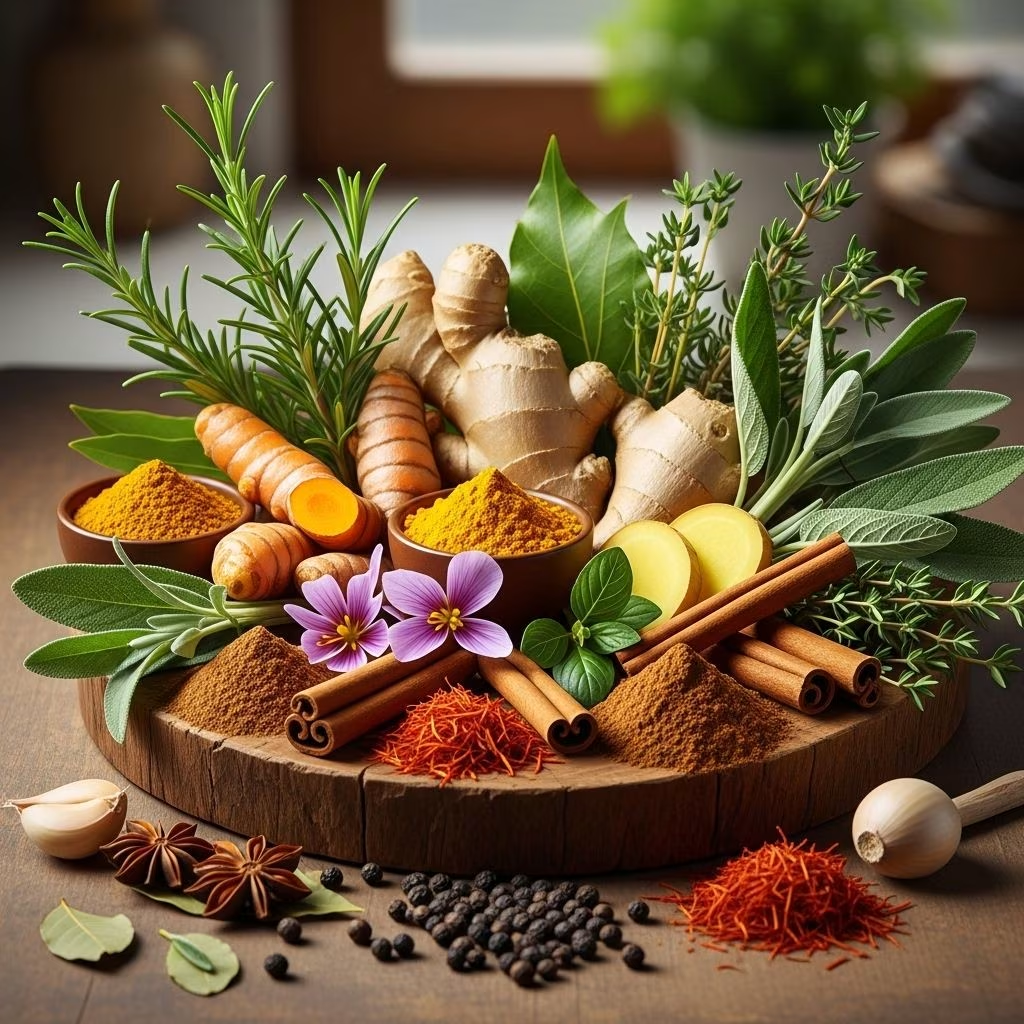
Best Herbs and Spices for Brain Health
Specific herbs and spices have garnered attention for their unique properties that may help enhance memory, improve cognitive function, and protect the brain from age-related decline. Below is an in-depth look at leading botanicals, their science-backed benefits, and practical tips for incorporating them into your diet.
Why Herbs and Spices Matter for Brain Health
Increasing research reveals that everyday culinary herbs and spices may do more than flavor your food: many contain potent antioxidants, anti-inflammatory compounds, and neuroactive molecules that support mental clarity and long-term brain health. The following sections explore the most studied options and practical recommendations.
Top Herbs and Spices for Cognitive Support
Cinnamon
Cinnamon is a versatile spice with compounds that may enhance memory and concentration. Research indicates it can:
- Improve working memory in older adults and individuals with insulin resistance.
- Increase blood flow to the prefrontal cortex, aiding executive functions.
- Inhibit tau protein aggregation, which plays a role in Alzheimer’s disease progression.
- Possess anti-inflammatory and antioxidant properties that benefit brain cells.
Serving suggestions: Sprinkle one teaspoon in breakfast smoothies, oatmeal, or coffee. Try using cinnamon as a rub for meats or fish, combined with other complementary spices.
Turmeric (Curcumin)
Turmeric’s active compound, curcumin, stands out for its neuroprotective and anti-inflammatory effects.
- Reduces beta-amyloid plaques linked to Alzheimer’s disease.
- Improves memory, attention, and mood in clinical trials.
- Lowers levels of oxidative stress and neuroinflammation.
How to use: Add turmeric to curries, stir into scrambled eggs, blend into salad dressings, or make golden milk lattes. A daily intake of up to 200 mg of curcumin is considered safe for most adults.
Sage
Sage has a long-standing reputation for improving mental sharpness. Its unique compounds may:
- Improve memory recall and cognitive performance.
- Combat symptoms associated with Alzheimer’s by modulating neurotransmitters.
- Exhibit anti-inflammatory effects within the brain.
Add to: Soups, casseroles, roasted vegetables, and stuffing blends.
Ginger
Ginger contains active components (like gingerol) that:
- Boost working memory and attention, as indicated by clinical studies involving middle-aged women.
- Protect brain cells from deterioration due to oxidative stress.
- Serve as a natural anti-inflammatory and pain reliever.
Ideas for use: Grate fresh ginger into dressings and marinades, cook alongside vegetables, or steep in teas and smoothies.
Nutmeg
Nutmeg is prized for its aroma and brain-health compounds:
- Contains myristicin, which may reduce formation of beta-amyloid plaques and offer memory protection.
- Has eugenol, a compound that supports cardiovascular and brain health.
How to use: Add grated nutmeg to baked goods, vegetable dishes, or even stews for a depth of flavor.
Rosemary
A seasoned favorite, rosemary offers the following brain-health benefits:
- Helps counter cognitive decline associated with dementia and possibly Parkinson’s disease.
- Its aroma alone can enhance memory and alertness.
- Contains antioxidants that protect brain tissue from oxidative stress.
Cooking tips: Use rosemary in marinades, roasted potatoes, grilled poultry, or vegetables. Add sprigs to olive oil for infused dressings.
Saffron
Saffron is renowned for both its culinary and medicinal benefits.
- Improves memory and cognitive symptoms in people with Alzheimer’s, with clinical efficacy comparable to some medications but with fewer side effects.
- Balances neurotransmitters that alleviate mild to moderate depression, which can benefit memory.
- Exhibits powerful antioxidant and anti-inflammatory action.
Recommended use: Sprinkle saffron threads in rice dishes or slow-cooked meats. Soak threads in warm water and mix into soups or sauces.
Cardamom
Cardamom, related to ginger and turmeric, provides brain-healthy phytochemicals:
- Has antioxidant and antibacterial properties that protect brain cells from free radical damage.
- May lower blood pressure and stroke risk by relaxing arteries.
Ideas: Brew coffee or tea with cardamom, use in stews, sprinkle over baked goods, or blend into breakfast cereals.
Ashwagandha
Ashwagandha (Indian ginseng) is highly regarded in traditional medicine for its:
- Role in brain rejuvenation and neuroprotection, particularly for age-related cognitive decline.
- Neuroregenerative effects, shown to enhance memory and mental clarity.
- Stress-lowering benefits that influence cognitive health.
Best uses: Ashwagandha is most often taken as a supplement or as powder stirred into warm milk or herbal tea.
Supporting Table: Brain-Supportive Herbs and Their Key Benefits
| Herb/Spice | Main Compound | Key Brain Benefit | Best Use Tip |
|---|---|---|---|
| Cinnamon | Cinnamaldehyde | Improved memory, reduced neuroinflammation | Sprinkle in shakes, coffee, or use in rubs |
| Turmeric | Curcumin | Supports cognitive function, reduces amyloid plaques | Add to curry, eggs, or salad dressings |
| Rosemary | Rosmarinic acid | Protects against dementia, boosts memory | Use in marinades, roasted dishes, or oil infusions |
| Ginger | Gingerol | Enhances memory, combats oxidative stress | Grate into teas, marinades, baked goods |
| Saffron | Crocin, Safranal | Supports cognitive function, mood improvement | Add threads to rice, meat, soups |
| Sage | Rosmarinic acid | Improves memory, modulates neurotransmitters | Blend into stuffing, soups, vegetables |
| Nutmeg | Myristicin | Reduces amyloid plaque formation | Grate into baked goods or stews |
| Cardamom | Cineole | Protects against oxidative damage | Brew in beverages, sprinkle in cereals |
| Ashwagandha | Withanolides | Brain rejuvenation, stress reduction | Mix powder in warm milk or tea |
Beneficial Compounds in Brain-Healthy Herbs and Spices
- Antioxidants: Fight free radicals, protecting neurons from oxidative damage.
- Anti-inflammatory agents: Reduce inflammation believed to play a role in cognitive diseases.
- Neuroactive molecules: Influence neurotransmitters like serotonin and dopamine, impacting mood and memory.
Tips for Adding More Herbs and Spices to Your Diet
- Experiment with blends: Combine rosemary, sage, and thyme for savory dishes.
- Use fresh whenever possible: Fresh herbs often contain higher levels of active phytochemicals.
- Start small: Gradually increase the quantity to discover preferred flavors and minimize GI upset.
- Pair with healthy fats: Some compounds (like curcumin) are better absorbed with oils or avocados.
- Be mindful of allergies: Monitor for reactions when trying new herbs or spices.
Potential Side Effects and Safety Tips
While most culinary herbs and spices are safe for daily consumption, consider the following precautions:
- Curcumin (turmeric) in high doses may cause gastrointestinal upset or interact with blood thinners.
- Nutmeg should be consumed in moderation – excessive amounts can be toxic.
- Always consult a medical professional if you have underlying conditions or take medications.
Frequently Asked Questions (FAQs)
Q: Can these herbs and spices really prevent Alzheimer’s or dementia?
A: While herbs and spices like cinnamon, turmeric, and saffron have shown promise in reducing markers linked with neurodegeneration, current evidence supports their role in reducing risk and providing support, not outright prevention or cure.
Q: How much of these spices should I consume daily for benefits?
A: Most studies suggest small amounts (e.g., one teaspoon of cinnamon, a pinch of saffron, or 200 mg of curcumin extract) are sufficient. Excess is not recommended. Use culinary doses unless otherwise directed by a healthcare professional.
Q: What’s the best way to use these herbs and spices?
A: Incorporate them into daily meals—sprinkle spices on breakfast, add herbs to soups, stews, and salads, or steep in teas. Cooking with healthy fats increases absorption for some compounds, such as curcumin.
Q: Are there side effects or safety warnings?
A: Most herbs and spices are safe in moderate culinary amounts. Watch for excessive intake, allergies, or interactions with medications, especially with supplements. Consult your physician if you have chronic health conditions.
Q: Can supplements replace dietary use of herbs and spices?
A: Supplements can provide more concentrated doses but should complement—not replace—a balanced diet. Whole herbs and spices offer additional nutritional benefits and fewer risks of overdose or adverse interactions.
Conclusion: Enhancing Brain Health Naturally
Integrating brain-healthy herbs and spices in your routine can support cognitive performance, memory, and emotional resilience. Focus on variety and moderation. Continued research will clarify the best strategies for harnessing these foods for long-term neuroprotection.
References
- https://www.amenclinics.com/blog/do-you-know-the-9-herbs-and-spices-that-fight-memory-loss/
- https://www.goodrx.com/well-being/supplements-herbs/best-supplements-for-brain-health
- https://www.health.harvard.edu/blog/spice-up-your-holidays-with-brain-healthy-seasonings-2016120710734
- https://amosinstitute.com/blog/the-4-best-herbs-and-spices-for-brain-health/
- https://pmc.ncbi.nlm.nih.gov/articles/PMC8068256/


