


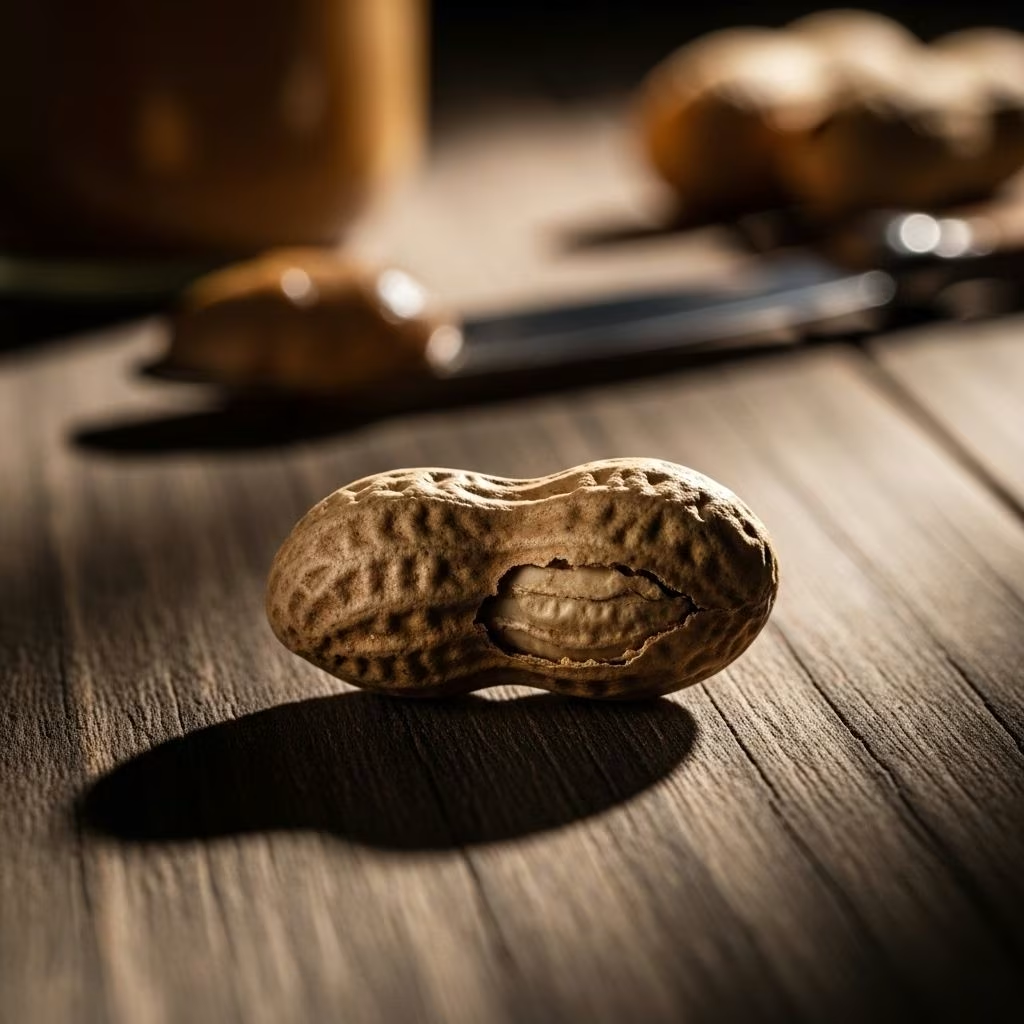
Arachibutyrophobia: Understanding the Fear of Peanut Butter
Arachibutyrophobia is a rare and unusual specific phobia that involves an intense fear or anxiety related to peanut butter sticking to the roof of the mouth. While this may sound quirky or even humorous to some, for those affected, it can cause genuine distress and disruption to daily life. This article explores the nature of arachibutyrophobia, how it manifests, its causes, symptoms, potential triggers, effects, and the most effective approaches to treatment.
What Is Arachibutyrophobia?
The term “arachibutyrophobia” is derived from several root words: ‘arachi’ (Greek for peanut), ‘butyro’ (butter), and ‘phobia’ (fear). Defined most simply, arachibutyrophobia is the irrational, persistent fear of peanut butter getting stuck to the roof of the mouth. For most people, this sensation is a minor annoyance, quickly forgotten. However, individuals with this phobia experience pronounced anxiety, discomfort, and sometimes panic when confronted by the thought, sight, smell, taste, or physical sensation of peanut butter adhering to their palate.
- Classification: Arachibutyrophobia is considered a simple or specific phobia, categorized under anxiety disorders. It is highly focused on a particular scenario rather than a general fear of peanuts or food.
- Prevalence: While specific phobias affect up to 9% of Americans, arachibutyrophobia itself is exceedingly rare.
How Does Arachibutyrophobia Manifest?
Individuals with arachibutyrophobia may experience mild uneasiness or, in more severe cases, disabling panic. The reaction often extends beyond just eating peanut butter and can be triggered by related cues.
- The thought of peanut butter sticking to the roof of the mouth
- Seeing others eating or struggling with peanut butter
- Smelling or tasting peanut butter, or foods containing peanut butter
- Hearing or reading stories about peanut butter-related incidents
In severe cases, even the presence of peanut butter in a household or restaurant can lead to avoidance behaviors and anxiety.
Signs and Symptoms of Arachibutyrophobia
The symptoms of arachibutyrophobia can be classified into physical and psychological reactions, varying by individual severity. When confronted with the feared situation, the body’s stress response triggers several noticeable effects.
| Physical Symptoms | Psychological Symptoms |
|---|---|
| Rapid heartbeat or palpitations | Intense fear or panic |
| Shortness of breath, chest tightness | Profound anxiety and restlessness |
| Excessive sweating | Avoidance of peanut butter |
| Trembling or shaking | Obsessive thoughts about peanut butter |
| Dry mouth or throat | Fear of choking or suffocating |
| Nausea or upset stomach | Feeling of loss of control |
| Dizziness, lightheadedness | Hypervigilance to peanut butter cues |
| Muscle tension, headaches | Negative self-talk, distorted beliefs |
| Difficulty speaking | Impaired social functioning |
| Digestive issues | Embarrassment or shame |
- Children may show symptoms differently—crying, tantrums, or refusal to eat certain foods without explanation.
- Avoidance—Many affected individuals will go out of their way to avoid peanut butter and related foods, sometimes even avoiding places where peanut butter might be present.
- Disabling Impact—Symptoms that interfere with normal routines or social engagements can significantly impair quality of life.
What Causes Arachibutyrophobia?
The causes of arachibutyrophobia are multifactorial and not entirely understood. Like other specific phobias, it may arise from traumatic experiences, learned responses, or underlying psychological vulnerabilities.
- Traumatic experience: A past episode of choking or difficulty swallowing peanut butter can result in lasting negative associations.
- Family history and genetics: Anxiety disorders and phobias may have a hereditary component.
- Environmental factors: Hearing dramatic stories, seeing media coverage, or observing others’ aversive reactions can contribute.
- Personality traits: Individuals prone to anxiety, hypersensitivity, or hypochondriac tendencies may be more likely to develop specific phobias.
- Negative conditioning: Repeated pairing of peanut butter consumption with anxiety or discomfort can strengthen avoidance behavior over time.
It is important to note that many people who dislike peanut butter do not have arachibutyrophobia. The phobia implies a disproportionate, uncontrollable fear response.
Impact of Arachibutyrophobia on Daily Life
While mild cases may simply be inconvenient, severe arachibutyrophobia can significantly affect various domains:
- Dietary habits: Affected individuals may eliminate not only peanut butter, but any foods containing peanuts or textured spreads from their diet.
- Social situations: Anxiety may arise during community meals, shared snacks, or events where peanut butter is present.
- Emotional health: Feelings of shame, embarrassment, or frustration over seemingly irrational reactions are not uncommon.
- Quality of life: Persistent avoidance or anxiety can limit participation, enjoyment, and personal relationships.
In some instances, individuals may avoid restaurants, social gatherings, or cultural dishes that use peanut butter, affecting social connectedness. This avoidance can reinforce the phobia and increase isolation.
How Is Arachibutyrophobia Diagnosed?
Arachibutyrophobia is not listed by name in the DSM-5 (Diagnostic and Statistical Manual of Mental Disorders), but it falls under the broader category of specific phobias. Diagnosis involves:
- Reviewing the individual’s history and symptom patterns
- Exclusion of other medical causes for choking or swallowing distress
- Assessment of the impact on functioning and daily life
- Exploring the context and triggers for panic reactions
Clinicians will typically differentiate arachibutyrophobia from food allergies or medical swallowing disorders, which have different origins and treatments.
Treatment Options for Arachibutyrophobia
Treatment of arachibutyrophobia parallels that of other specific phobias. Professional therapy is highly effective, especially when symptoms impact quality of life. The main treatment modalities include:
1. Cognitive Behavioral Therapy (CBT)
- Addresses distorted beliefs and anxious thinking patterns
- Helps the individual reframe irrational fears and develop coping strategies
- Exposure therapy, a subset of CBT, gently introduces peanut butter-related stimuli in a controlled way to decrease panic over time
2. Gradual Desensitization or Systematic Exposure
- Stepwise introduction to feared stimuli (sight, smell, touch, or taste of peanut butter)
- Desensitizes the individual’s anxiety response, fostering tolerance and reduced avoidance
3. Relaxation Techniques
- Guided breathing exercises, meditation, or progressive muscle relaxation to reduce acute anxiety symptoms
- Often used alongside CBT and exposure therapy
4. Medication
- Not a first-line treatment, but may be considered for severe cases
- Anxiolytics or antidepressants (such as SSRIs) may reduce symptoms when combined with therapy
5. Online and Teletherapy
- Remote therapy can be as effective as face-to-face therapy for specific phobias
- Offers accessibility and privacy for those reluctant to seek in-person care
6. Self-Help Strategies & Support
- Educating oneself on arachibutyrophobia and its mechanisms
- Connecting with support groups or online forums
- Journaling triggers and successes to monitor progress
Early intervention is often associated with the best outcomes. Seeking help before symptoms become disabling may prevent escalation and long-term distress.
Frequently Asked Questions (FAQs) About Arachibutyrophobia
Q: How common is arachibutyrophobia?
A: It is considered extremely rare, even among those with specific phobias. Simple phobias are common, but the specific fear of peanut butter sticking to the palate is unusual.
Q: Is there a difference between arachibutyrophobia and a peanut allergy?
A: Yes. Arachibutyrophobia is a psychological anxiety disorder centered around fear of sensation, not a physical allergy or immune reaction. Peanut allergies involve physiological responses, such as swelling or difficulty breathing, which require medical attention.
Q: Can children have arachibutyrophobia?
A: Yes. Children can develop phobias, although their expression may be different—crying, tantrums, refusal to eat, or avoidance behaviors. Early intervention is crucial.
Q: Is arachibutyrophobia treatable?
A: Absolutely. Most people respond well to CBT and exposure therapy, either alone or combined with relaxation techniques and, in rarer cases, medications.
Q: What should I do if arachibutyrophobia is affecting my life?
A: Consult a qualified mental health professional for assessment and therapy. Support, education, and customized interventions can alleviate symptoms and restore confidence in social and dietary settings.
Tips for Coping with Arachibutyrophobia
- Talk to close friends or family—sharing your experience can reduce embarrassment and isolation.
- Educate yourself about anxiety and phobias to better understand your condition.
- Create a calm eating environment and avoid pressure or judgment from others.
- Work with a therapist to design exposure strategies tailored to your comfort level.
- Practice regular relaxation exercises to minimize acute physical symptoms.
- Remember that recovery is gradual and may require patience.
Summary Table: Arachibutyrophobia Overview
| Aspect | Description |
|---|---|
| Definition | Specific phobia of peanut butter sticking to the roof of the mouth |
| Triggers | Eating, seeing, smelling, or thinking about peanut butter |
| Symptoms | Panic attacks, sweating, nausea, rapid heartbeat, avoidance behavior |
| Causes | Trauma, genetics, psychological factors, negative conditioning |
| Treatment | CBT, exposure therapy, relaxation techniques, medication (rare) |
| Impact | Dietary restriction, social avoidance, emotional distress |
Further Resources and Support
- National Alliance on Mental Illness (NAMI)
- Anxiety and Depression Association of America (ADAA)
- American Psychiatric Association (APA)
- Online therapy and support platforms
For those with arachibutyrophobia, understanding its origins and seeking appropriate help can transform day-to-day living. If you or someone you know experiences this unique phobia, know that compassionate support and effective treatment options are available.
References
- https://www.drlogy.com/health/arachibutyrophobia-fear-of-peanut-butter
- https://www.surfpointrecovery.com/blog/rare-and-weird-phobias
- https://resources.healthgrades.com/right-care/anxiety-disorders/arachibutyrophobia-fear-of-peanut-butter-on-the-roof-of-your-mouth
- https://www.unitedwecare.com/arachibutyrophobia/
- https://www.betterhelp.com/advice/phobias/arachibutyrophobia-when-food-causes-fear/
- https://www.dovemed.com/diseases-conditions/arachibutyrophobia
- https://timesofindia.indiatimes.com/life-style/food-news/some-people-are-terribly-scared-of-peanut-butter-we-tell-you-why/photostory/89324989.cms


