


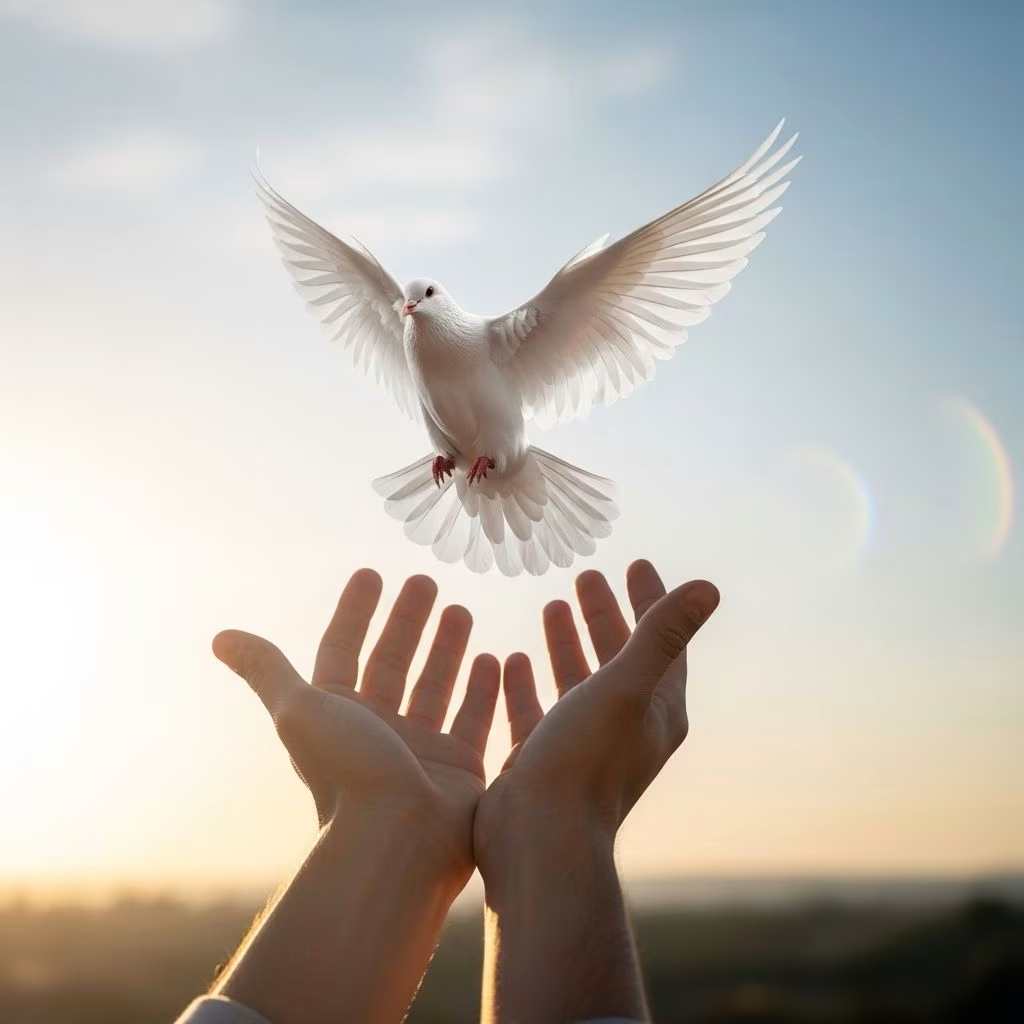
If You Love Something, Set It Free: Exploring the Wisdom of Letting Go
The phrase “If you love something, set it free” captures an enduring concept in love and relationships: that true love thrives in the presence of freedom, not possession. By letting go, you foster trust, autonomy, and space for individuals to grow — and, if the bond is genuine, to reconnect in a healthier form. This article investigates the deeper meanings, origins, and practical implications of this saying, weaving in psychological insights and actionable advice for navigating relationships.
Origins and Interpretations of “Set It Free”
The roots of this phrase can be traced to several famous variations and popular culture references:
- Douglas Horton: “If you love something let it go free. If it doesn’t come back, you never had it. If it comes back, love it forever.”
- Sting (song lyric): “If you love somebody, set them free.”
- Richard Bach: “If you love somebody, set them free. If they return, they were always yours. If they don’t, they never were.”
These variations share a common message: Authentic love is voluntary and cannot flourish under restraint or control.
The Core Meaning: Freedom in Relationships
In romantic or close personal relationships, setting someone free often means giving them emotional and physical space to grow rather than enforcing dependence or control.
- Trust is essential: Genuine love means believing in your partner’s ability to choose freely, even if that means exploring paths independent of the relationship.
- Letting go isn’t giving up: It is acknowledging that holding on too tightly can lead to emotional suffocation or resentment.
- Freedom breeds authenticity: When people feel trusted and free, they can be their most authentic selves in the relationship.
Psychological Foundations: Love, Attachment, and Non-Possession
Modern psychology, philosophy, and even spiritual traditions illuminate the value of non-attachment in loving relationships:
- Healthy boundaries support growth: Autonomy within a relationship promotes self-discovery and mutual respect.
- Non-attachment fosters acceptance: The Buddhist concept of non-attachment teaches acceptance of change and impermanence, relieving the pressure to control outcomes.
- Possessiveness can damage trust: Relationships driven by fear, jealousy, or domination often erode emotional intimacy.
Thus, letting go is a practice of love — prioritizing well-being and authenticity for both parties.
When and Why to “Set It Free” in Relationships
The wisdom of this phrase is not always easy to accept, especially amid strong emotions. However, certain circumstances call for letting go:
| Situation | Rationale for Letting Go |
|---|---|
| Repeated communication breakdowns | Prevents erosion of trust, fosters healthier outcomes |
| Lack of reciprocity | Protects self-esteem and ensures emotional needs are met |
| Differing life goals or values | Respects individuality, reduces long-term conflict |
| Unhealthy behaviors (e.g., substance misuse, abuse) | Prioritizes safety and personal growth |
Letting go can be a courageous, compassionate act that enables all involved to move forward with dignity and hope.
Love vs. Attachment: The Art of Acceptance
Holding on tightly may seem like the sign of deep love, yet can breed dependency and fear. Acceptance—of a possible separation, of different life circumstances, or simply of change—can spare prolonged pain.
- Acceptance does not diminish love. It means allowing space for both people to evolve and follow their authentic paths.
- Future reconnection remains possible. Sometimes, relationships that are set free naturally rekindle, often in stronger, healthier ways.
- Self-love and healing: Granting someone freedom is also a profound gift to yourself, catalyzing growth and emotional healing.
How to Practice “Setting It Free” in Real Life
Embracing the spirit of the saying can be challenging. Here are practical ways to nurture freedom in love and relationships:
- Communicate openly: Express your feelings, needs, and intentions with honesty, and encourage your partner to do the same.
- Honor boundaries: Support your partner’s need for alone time, personal interests, or space to process emotions.
- Let go of control: Avoid micromanaging or trying to shape your partner’s choices; trust them to chart their own path.
- Focus on intentional love: Choose compassion over fear, and respect over possessiveness.
- Cultivate personal growth: Engage in self-care, build supportive friendships, and strive for fulfillment outside the relationship.
Common Misconceptions and Challenges
The advice “set it free” often gets misinterpreted or oversimplified. It’s important to recognize what it does not mean:
- Not self-sabotage: Letting go is not abandoning someone out of fear or avoidance.
- Not passive resignation: It’s a proactive choice made for the mutual good.
- Not always a breakup: Setting it free can mean granting greater autonomy while maintaining a loving partnership.
- Requires emotional maturity: It demands resilience, self-awareness, and sometimes professional support.
Old sayings alone can’t substitute for thoughtful reflection; consider your intentions and seek guidance if necessary.
Benefits of Letting Go in Love and Relationships
- Personal transformation: Offers opportunities for self-discovery and inner strength.
- Emotional liberation: Frees you from anxiety, fear, and resentment associated with possessiveness.
- Improved relationship quality: Partnerships founded on trust, respect, and mutual freedom often flourish.
- Potential for healthy reconnection: Space created by letting go may allow relationships to resume in a healthier form.
Frequently Asked Questions (FAQs)
Q: What does “If you love something, set it free” really mean?
It means love flourishes in freedom, not possession. Setting someone free is about empowering them to follow their path, with the trust that genuine love will survive separation or change.
Q: Does letting go mean giving up on someone?
No. Letting go is a decision rooted in compassion and respect for personal autonomy, not an act of resignation or abandonment.
Q: Can relationships survive after “setting them free?”
Yes. Sometimes, space and independence allow both individuals to return to the relationship stronger, wiser, and more fulfilled.
Q: How do I know when to let go?
Consider letting go when communication fails, needs aren’t met, unhealthy patterns repeat, or when it is clear the relationship is causing harm. Professional support may help clarify your decision.
Q: Is “setting it free” relevant outside romantic relationships?
Absolutely. The concept applies to friendships, family ties, and even attachments to possessions or aspirations. It encourages a broader philosophy of acceptance and non-attachment.
Expert Advice: Navigating Letting Go With Compassion
Counselors and mental health professionals advise making these decisions intentionally rather than impulsively. Taking time to reflect, understanding your motives, and acting in ways that honor both your own and your loved one’s wellbeing can minimize regret and maximize growth.
Summary Table: Key Takeaways
| Aspect | Insight |
|---|---|
| Purpose | Freedom nurtures love and personal growth |
| Risks | Misinterpretation, avoidance, emotional pain |
| Benefits | Mutual respect, trust, autonomy, healing, potential for stronger reconnection |
| When to Consider | When control, harm, or incompatibility erodes the bond |
Final Thoughts: Love, Freedom, and Transformation
The enduring wisdom of “If you love something, set it free” rests on the recognition that genuine love is not about holding tight, but about daring to let go. In doing so, you honor both your partner’s humanity and your own, inviting deeper connections, personal transformation, and the hope that what’s truly meant for you will find its way back.
References
- https://www.regain.us/advice/love/whats-the-idea-behind-if-you-love-something-set-it-free/
- https://psychcentral.com/relationships/if-you-love-someone-set-them-free
- https://www.enotalone.com/article/relationships/if-you-love-something-set-it-free-a-journey-of-letting-go-r20843/
- https://www.betterhelp.com/advice/relations/what-does-it-mean-if-you-love-something-let-it-go/
- https://www.psychologytoday.com/us/blog/the-mysteries-love/201505/if-you-love-something-set-it-free
- https://www.marriage.com/advice/relationship/if-you-love-something-set-it-free-meaning-how-it-works/


