


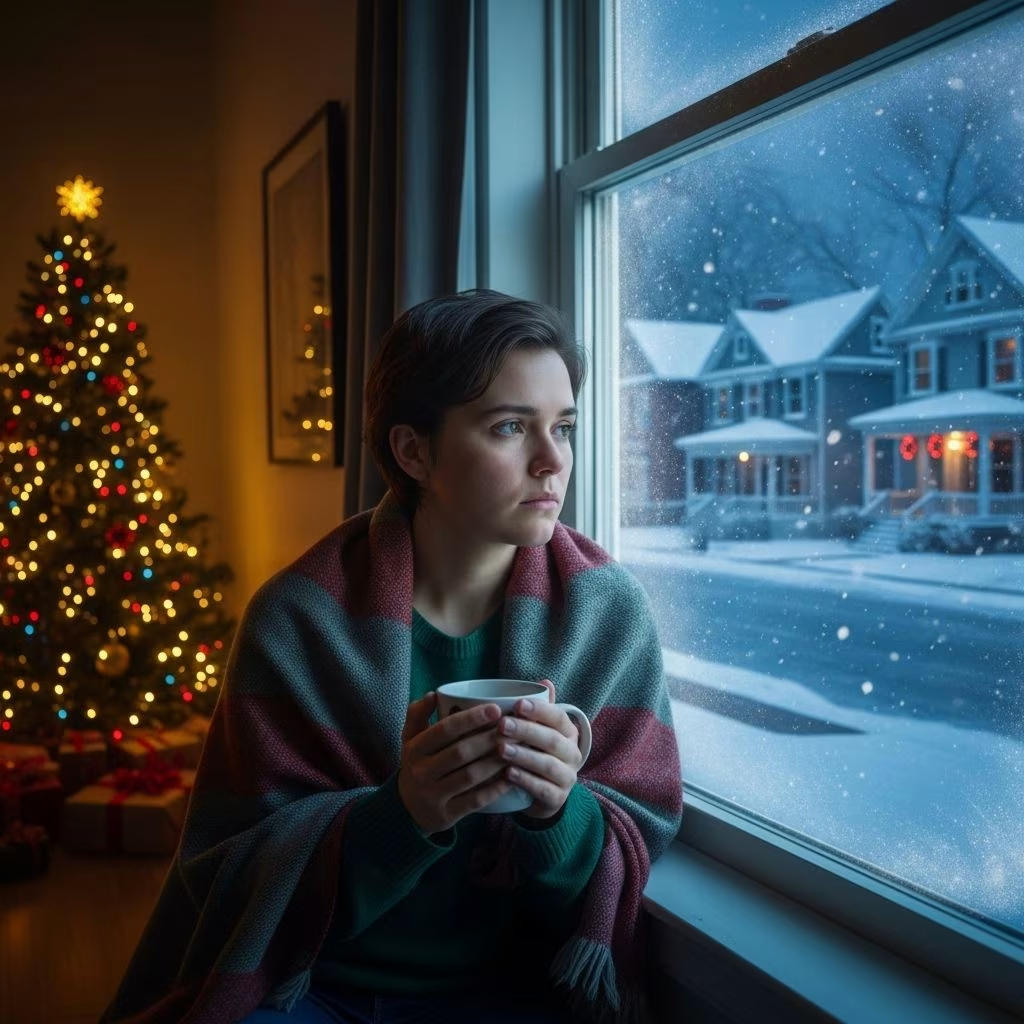
The holiday season, widely celebrated as a time of joy, warmth, and connection, can also be a period of heightened emotional distress and vulnerability. While the lights, festivities, and traditions create an air of excitement for many, millions of people experience what is known as the holiday blues—feelings of sadness, anxiety, or loneliness that intensify during this time of year.
What Are the Holiday Blues?
The holiday blues refer to temporary feelings of sadness, anxiety, or melancholy that emerge during the holidays. While commonly associated with the winter months, these emotions are distinct from clinical depression or diagnosed disorders like Seasonal Affective Disorder (SAD); however, some symptoms can overlap. The emotional challenges may be fleeting or persist throughout the season but tend to dissipate as the holidays pass.
Commonly, the holiday blues are triggered by holiday stress, nostalgia, unmet expectations, or memories of loss, rather than a medical illness or continuous mood disorder.
Holiday Blues vs. Seasonal Affective Disorder (SAD)
- Holiday Blues: Tend to be temporary, linked to the season’s social and emotional pressures, and often resolve after the holidays.
- Seasonal Affective Disorder (SAD): Is a form of depression with biological underpinnings, usually recurring annually with changes in seasons and sunlight, and often requires medical attention.
Common Causes of the Holiday Blues
Understanding the triggers and contributors to the holiday blues is a key step in addressing and managing these emotions.
- Increased Demands: Balancing family, work, social gatherings, travel, and financial commitments can overwhelm even the most organized individuals, leading to chronic stress and emotional fatigue.
- Reflections and Memories: The holidays highlight reflections on the past year, which can intensify feelings of loss, regret, or nostalgia, especially for those who have lost loved ones or experienced major life changes.
- Loneliness and Isolation: Not everyone has close family or friends to celebrate with. Being away from loved ones can heighten feelings of exclusion or isolation when surrounded by images of togetherness.
- Financial Stress: The pressure to purchase gifts, decorate, and host gatherings can strain already tight finances, causing anxiety or guilt.
- Unrealistic Expectations: Media and social messaging often portray the holidays as universally joyful, setting unattainable standards that can lead to disappointment and self-criticism.
- Changes in Routine: Disrupted sleep schedules, irregular meals, and missed exercise can negatively impact physical and mental health, amplifying emotional distress.
- Overindulgence: Excessive consumption of food and alcohol is common but can worsen mood, interfere with sleep, and lower energy levels.
- Anniversary Reactions: Anniversaries of losses or traumatic events remembered during the holidays can trigger grief and sadness anew.
Signs and Symptoms of the Holiday Blues
Recognizing the symptoms is vital for addressing concerns early and seeking appropriate support.
- Recurring sadness or feeling blue during the holidays
- Irritability or heightened anxiety
- Increased fatigue and tiredness
- Difficulty concentrating or staying focused
- Changes in appetite or weight (eating more or less than usual)
- Loss of interest in activities once enjoyed
- Feelings of guilt, worthlessness, or hopelessness
- Disrupted sleep patterns, including insomnia or oversleeping
- Physical symptoms such as headaches or stomachaches
- Increased use of alcohol or other substances to cope
- Greater desire for isolation or withdrawal from social situations
These symptoms usually resolve after the holiday period, but if they persist or worsen, it may indicate depression and warrant professional help.
Risk Factors: Who Is Most Vulnerable?
While anyone can develop the holiday blues, certain groups are particularly susceptible:
- People living far from family or with limited social support networks
- Individuals who have recently experienced loss — including death, breakups, or other major life changes
- Those with existing mental health conditions, such as depression or anxiety
- Caregivers facing additional holiday-related responsibilities
- People experiencing financial hardship
Holiday Blues vs. Clinical Depression: Key Differences
| Aspect | Holiday Blues | Clinical Depression |
|---|---|---|
| Duration | Temporary, resolves after holidays | Persistent, lasts weeks to months or longer |
| Triggers | Seasonal events/stress, social factors | Often no clear trigger; can co-occur with holiday triggers |
| Symptoms | Mild to moderate, situational | Moderate to severe, may include suicidal thoughts |
| Impact on Functioning | Some disruption, but able to function | Significant impairment in daily life |
| Resolution | Improves as season ends | Usually requires treatment/intervention |
Effective Strategies for Coping with the Holiday Blues
There are proactive steps you can take to manage or reduce holiday-related distress. While every situation is unique, these evidence-backed strategies may offer relief:
1. Acknowledge and Accept Your Feelings
- Allow yourself to feel and express emotions, even if they are not festive.
- Recognize that it is normal not to feel cheerful all the time, despite cultural expectations.
2. Prioritize Self-Care
- Maintain healthy routines, including regular sleep, balanced meals, and physical activity.
- Limit consumption of alcohol and sugary or processed foods.
- Engage in relaxation practices like meditation, deep breathing, or enjoying a hobby.
3. Set Realistic Expectations and Boundaries
- Refrain from aiming for ‘perfect’ holidays; prioritize what genuinely matters to you.
- Learn to say no to events, invitations, or traditions that cause stress or exhaustion.
4. Create Meaningful Connections
- Seek out friends, family, or community—even virtual connections can help reduce loneliness.
- Consider volunteering; helping others can elevate mood and expand your sense of purpose.
5. Plan Ahead
- Prepare for situations you know may be difficult by outlining coping tactics in advance.
- Budget and make lists to manage financial and logistical stresses.
6. Honor and Remember Loved Ones
- Create new rituals or keep old traditions in memory of those no longer present.
- Allow space for grief; talk about your loved ones or set aside a moment of reflection.
7. Seek Professional Help When Needed
- If symptoms become unmanageable or persist into daily life, consult a healthcare or mental health professional.
- Immediate help is crucial if you or someone you love expresses thoughts of self-harm.
Tips for a Mentally Healthy Holiday Season
- Stick to a regular sleep routine and get plenty of rest.
- Choose nourishing foods and eat in moderation.
- Make time for activities you enjoy—listen to music, read, or spend time outdoors.
- Avoid excessive use of alcohol, tobacco, or recreational drugs.
- Stay physically active with regular walks, yoga, or stretching.
- Connect with others—arrange calls or visits, even short ones, with friends and family.
- Allow yourself time to decompress between events or obligations.
- Practice gratitude; keep a journal of things, no matter how small, you are thankful for.
When to Seek Professional Support
If emotional symptoms are persistent, severe, or associated with significant impairment in daily life, professional support may be necessary. Seek help if you experience:
- Pervasive feelings of hopelessness or despair lasting longer than two weeks
- Loss of interest in most activities, or inability to function at work, school, or home
- Thoughts of self-harm or suicide
- Intense or worsening anxiety, panic attacks, or substance misuse
Early intervention is crucial. Many mental health providers offer expanded access during the holidays, recognizing the increased need for support.
Frequently Asked Questions (FAQs)
Q: Are the holiday blues a mental illness?
A: No, the holiday blues are not a formal mental health diagnosis. They refer to short-term feelings of sadness, anxiety, or loneliness that emerge specifically during the holiday season. However, persistent or intense symptoms may signal depression or another mental health disorder that warrants professional evaluation.
Q: What is the main difference between holiday blues and seasonal affective disorder (SAD)?
A: The holiday blues are typically situational, short-lived, and linked to social or emotional holiday-related triggers. SAD is a clinical condition tied to seasonal changes, involving biological factors like reduced sunlight, and often requires targeted treatment.
Q: Why do the holidays make feelings of loss or grief stronger?
A: The holidays often center on traditions, togetherness, and family, making absences more noticeable. Special dates, anniversaries, or family celebrations can resurface memories and renew feelings of grief or loss, even many years later.
Q: How can I support someone experiencing the holiday blues?
A: Listen without judgment, encourage honest expression of feelings, and suggest engaging in low-pressure activities together. Offer practical assistance (e.g., shared meals, errands), and encourage seeking professional help if symptoms persist or worsen.
Q: Are there ways to prevent the holiday blues entirely?
A: While it may not be possible to prevent all emotional responses to stressful times, self-awareness and proactive coping — including setting clear boundaries, practicing self-care, and connecting with supportive people — can reduce risk and improve resilience.
Resources for Further Support
- National Helplines: Reach out to mental health helplines for immediate support and guidance.
- Online Communities: Support groups and online forums can be valuable for connecting with others experiencing similar challenges.
- Therapy and Counseling: Both in-person and virtual options are available. Many therapists offer expanded access or group sessions around the holidays.
Remember: The holiday blues are a widespread experience and nothing to be ashamed of. By acknowledging your feelings and taking steps to care for your mental well-being, you can navigate the season with more resilience and self-compassion.
References
- https://silvercloud.amwell.com/uk/blog/the-holiday-blues-symptoms-and-how-to-cope
- https://www.njamhaa.org/2024-12-11-holiday-blues-can-induce-or-exacerbate-mental-health-conditions
- https://www.uabmedicine.org/news/seasonal-affective-disorder-isnt-just-a-case-of-the-holiday-blues/
- https://ppimhs.org/newspost/holiday-blues-2022/
- https://gfclinic.com/managing-the-holiday-blues-how-to-promote-mental-health-during-the-holiday-season/
- https://www.samhsa.gov
- https://www.nimh.nih.gov/health/publications/seasonal-affective-disorder
- https://www.webmd.com/depression/ss/slideshow-depression-triggers
- https://oceancountyhealth.gov/news/tips-to-manage-the-holiday-blues/


