


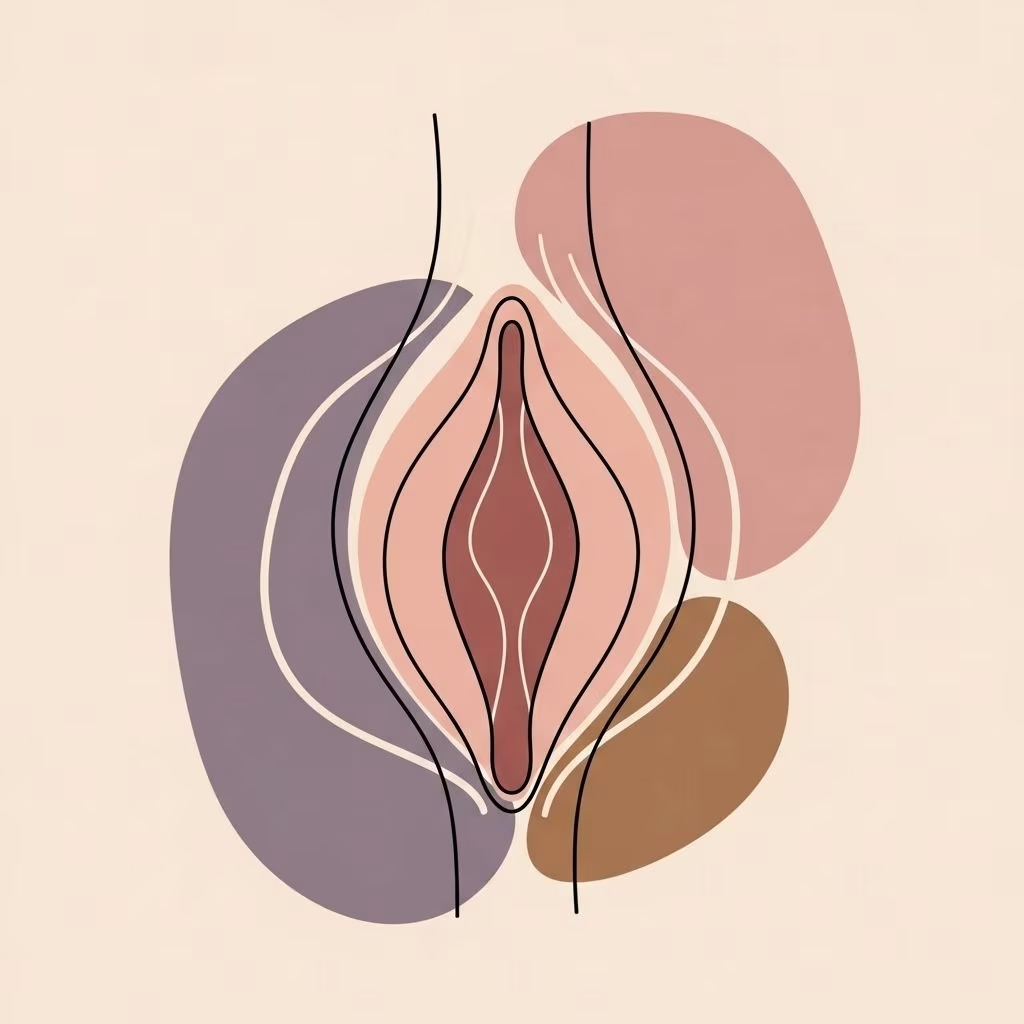
Labiaplasty in Australia: Unpacking ‘Designer Vaginas’
Labiaplasty, sometimes sensationally dubbed the pursuit of ‘designer vaginas,’ is a surgical procedure to alter the appearance or size of the labia minora and/or majora. In Australia, the popularity and public discussion around this intimate surgery have grown dramatically in recent years, sparking debate, reflection, and concern among clinicians, patients, and broader society.
Understanding Labiaplasty: What Is the Procedure?
Labiaplasty refers to the surgical reduction or reshaping of the labia minora (the inner lips) or the labia majora (the outer lips) surrounding the vaginal opening. The most commonly performed procedure is the reduction of the labia minora, often described as ‘labial reduction’ or ‘labia minora reduction.’ The goals may be functional, aesthetic, or both.
- Functional motivations include reducing discomfort caused by elongated labia, such as chafing, irritation during exercise, cycling, or sexual intercourse.
- Aesthetic motivations are often based on personal preference or perceptions of what is “normal” or acceptable female genital appearance.
Although less common in prior decades, recent years have seen increasing numbers of Australian women seeking surgeries to address perceived labial elongation or asymmetry. The operation is typically performed as an outpatient day procedure, under general anaesthesia. Techniques include ‘trimming’ excess tissue, a wedge-shaped excision, or using a flap to preserve natural contour and function.
The Surge in Demand: Why Are More Australian Women Choosing Labiaplasty?
A confluence of social, cultural, and personal factors has contributed to the rapid rise in labiaplasty procedures in Australia. According to surgical clinics and studies, requests for the surgery have grown steadily over the last decade, with some surgeons reporting multiple consultations each month.
Key Drivers Behind the Trend
- Changing Cultural Norms: Increased visibility of female genitalia via depilatory trends (such as Brazilian waxing), digital media, and pornography has influenced personal perceptions of “normal” vulval appearance.
- Self-Confidence and Body Image: Many women report feelings of embarrassment, low self-esteem, or discomfort about their genital appearance, sometimes dating back to adolescence.
- Functional Concerns: For some, the driving force is physical discomfort—chafing during exercise, irritation with clothing, or pain during sexual activity.
- Interpersonal Influences: Negative or critical comments from partners, or comparisons with digitally altered or surgically modified images, can have profound emotional effects.
- Social Silence: A lack of open discussion and education about natural genital variation leaves many women wrongly assuming their vulvas are abnormal.
Australian clinics and qualitative studies consistently note that the vast majority of women undergoing labiaplasty have labia minora within the normal anatomical range—yet still feel compelled to seek surgery to achieve a neater, smaller, or more symmetrical appearance.
What Are ‘Designer Vaginas’? Myths and Media Misconceptions
The term ‘designer vagina’ has emerged in media commentary and public debate, often painting labiaplasty as a purely cosmetic pursuit or trend. However, this trivialization overlooks the complex medical, psychological, and sociocultural contexts shaping women’s decisions.
| Myth | Reality |
|---|---|
| Labiaplasty is just vanity surgery. | For many women, physical discomfort or significant distress about appearance are sincere and pressing concerns. |
| There is a single ‘normal’ way for vulvas to look. | Natural labial size, shape, and pigmentation varies enormously. Most women seeking surgery fall within ‘normal’ ranges. |
| Labiaplasty is risky and always leads to loss of sensation. | While all surgery carries risk, serious complications are rare with skilled surgeons. Occasionally, there may be changes in sensation, but these are not universal. |
| Men push women to get labiaplasty. | Decisions are highly personal and often initiate from women’s own perceptions; however, negative comments from partners can contribute. |
Patient Experiences: Motivations, Concerns, and Emotional Journeys
Recent qualitative research and patient stories reveal a tapestry of motivations and emotions surrounding labiaplasty in Australia.
Common Motivations for Labiaplasty
- Appearance-related concerns, often exacerbated by media images and lack of public dialogue about genital diversity.
- Functional issues: pain during sports, chafing in tight clothing, or discomfort during sexual activity.
- Enhancement in self-confidence and sexual well-being.
- Response to negative comments from partners or peers.
Many women describe long periods of uncertainty and embarrassment before seeking professional advice. The initial consultation is often anxiety-inducing, with patients worried about being judged or misunderstood. Compassionate clinicians play a key role by normalizing the wide range of genital appearance and offering factual information about the procedure, risks, and outcomes.
Concerns Prior to Surgery
- Worries about pain, healing time, and impact on daily life or sexual function.
- Apprehension about surgical complications, such as scarring, infection, or dissatisfaction with results.
- Reluctance to share intentions with family or friends due to stigma, shame, or fear of trivialization.
While some women receive support from their social circles, others proceed alone, confiding only in their surgical team or intimate partners. Many cite their surgeon’s reassurance and expertise as crucial for making an informed, empowered decision.
Inside the Surgery: What to Expect
The labiaplasty procedure itself is generally performed under general anaesthetic as a day surgery, meaning patients return home the same day. Preparation might involve pre-surgical cleaning and hair removal. Procedures may include:
- Trim method: Removing tissue along the labial edge and suturing to create a smoother contour.
- Wedge excision: Removing a triangular or wedge-shaped section, preserving the natural border.
- Flap technique: Advanced method to maintain tissue function and appearance.
Sutures used are dissolvable, and most wounds heal without the need for suture removal. The operation typically lasts one to two hours, with patients discharged on oral painkillers and antibiotics. Surgeons recommend applying ice and wearing loose clothing to aid healing.
Recovery Timeline
- First 3-4 days: Rest at home, manage swelling and bruising with ice packs.
- First week: Avoid vigorous exercise or tight clothing; maintain hygiene with water (avoid soaps or chemicals).
- Two weeks: Many return to work and gentle daily activities.
- Four to six weeks: Gradual return to sports and sexual intercourse—timed in consultation with the surgeon.
Bruising, swelling, and mild discomfort are expected but typically resolve with basic care. Each recovery experience is unique; ongoing communication with the surgeon is important for addressing concerns or unexpected symptoms.
Risks, Complications, and Considerations
Like any surgical procedure, labiaplasty carries both general and specific risks. With experienced surgeons, major complications are rare, but patients should be aware of possibilities:
- Infection or wound breakdown
- Scarring or asymmetry
- Changes in sensation (temporary or, rarely, persistent reduction)
- Unsatisfactory cosmetic or functional outcome
- Delayed healing or need for revision surgery
Surgery should be avoided during certain stages of life, such as adolescence, unless there are urgent physical reasons. Most surgeons advocate waiting until genital development is complete, and recommend clear, realistic goals for surgery. Not all discomfort or insecurity will resolve with surgery—so psychological support may be beneficial in some cases.
The Importance of Education: Knowing What’s Normal
Many women pursuing labiaplasty have never seen a range of normal vulvas, and are unaware of the natural variability in genital appearance and pigmentation. International and Australian medical education campaigns encourage open discussion and accurate information to dispel harmful myths and shame.
- Labia minora length: Normal ranges vary widely. A perceived anomaly is rarely a true abnormality.
- Pigmentation: Genital skin can darken with puberty, pregnancy, or age—normal variants often cause distress when misinterpreted as disease or defect.
- Functional issues: Only persistent pain or physical limitations are automatic medical indicators for surgery.
Empowering women to understand the breadth of normal vulval appearance helps reduce unnecessary surgeries undertaken out of anxiety or misinformation.
Public Health, Ethics, and Policy
The rise of labiaplasty has spurred national debate in Australia’s medical, media, and policy circles:
- Public health campaigns challenge harmful media and pornography-driven standards of ‘normal’ genital appearance.
- Professional medical bodies urge careful screening of patients, particularly adolescents, to safeguard against uninformed or pressured decisions.
- Low rates of complication and high levels of reported satisfaction are tempered by calls to caution: surgery is permanent, and unrealistic expectations can lead to disappointment.
Authorities have also reviewed the eligibility for private insurance and Medicare rebates, limiting coverage to clear functional indications rather than cosmetic desires. This encourages robust, evidence-based conversations between patients and providers about their reasons and expectations for surgery.
Real Stories: One Woman’s Journey
Personal testimony, such as that featured in Marie Claire, highlights the human side of labiaplasty. For some, the transformation is liberating—relieving years of discomfort and restoring sexual confidence. For others, the journey is characterized by anxiety, stigma, or lack of support. Honest, detailed information and validation from medical professionals can help women make choices that are right for them—free from shame or external pressure.
Frequently Asked Questions (FAQs)
Q: Is labiaplasty only for cosmetic reasons?
A: No. While aesthetics are a common motivation, many women undergo labiaplasty to relieve physical discomfort or restore function after childbirth or trauma.
Q: What is the usual recovery time?
A: Recovery varies, but most women resume work within one to two weeks and sexual activity in about four to six weeks, depending on individual healing and the surgeon’s advice.
Q: Does labiaplasty affect sexual sensation?
A: Most women report no negative impact on sensation, and some experience increased comfort and confidence. Rarely, there may be temporary or persistent changes in sensation.
Q: Can adolescents have labiaplasty?
A: Most surgeons advise against performing labiaplasty on minors unless there are urgent medical reasons, preferring to wait until genital development is complete.
Q: Are there non-surgical alternatives?
A: Comfort can sometimes be improved by lifestyle changes—looser clothing, using gentle hygiene practices, and psychological support or counseling for body image concerns. Labiaplasty is the only permanent anatomical intervention.
Key Takeaways
- Labiaplasty is a growing trend in Australia, influenced by social, physical, and psychological factors.
- Many women who undergo surgery have labia within normal size and appearance ranges—education and open discussion are crucial.
- The procedure can relieve genuine discomfort, but is not without risks—careful consultation is essential.
- Policy and medical advice focus on ensuring informed, autonomous decision-making by women of all ages.
Ultimately, the real narrative of labiaplasty in Australia is one of complex influences, deeply personal choices, and the urgent need for more frank, empowering conversation about women’s health and bodies.


