


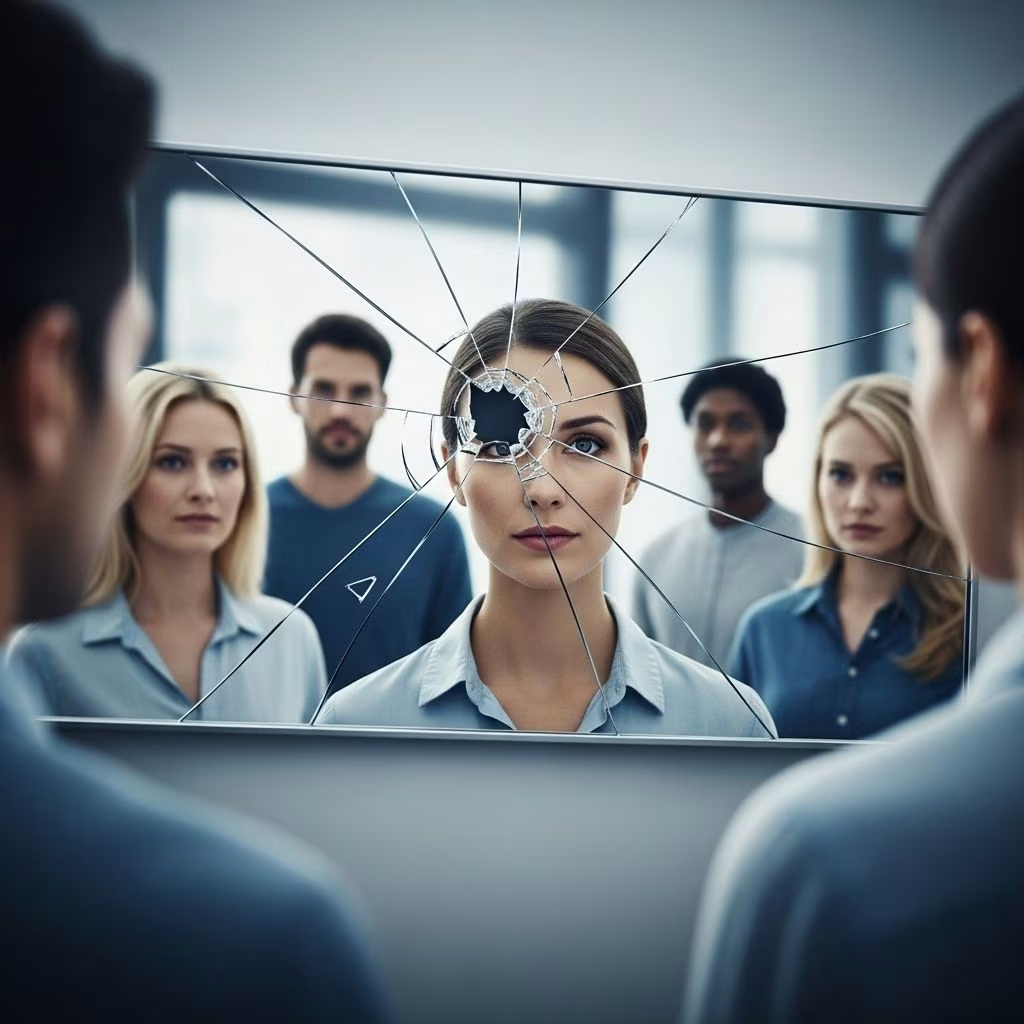
Introduction to Everyday Sexism
Everyday sexism is a pervasive and often subtle form of gender discrimination that affects women in various aspects of their lives. It can manifest as seemingly minor incidents but collectively contributes to a significant impact on mental health and social equality. This article delves into the world of everyday sexism, exploring its effects and how it manifests in different contexts.
What is Everyday Sexism?
Everyday sexism encompasses a range of behaviors and attitudes that reinforce gender stereotypes and discriminate against women. It includes experiences like being subjected to sexist jokes, being objectified, or being treated based on traditional gender roles. These behaviors are often so ingrained in culture that they are normalized, making them less visible to those who do not experience them directly.
Types of Everyday Sexism
- Endorsement of Traditional Gender Roles: This involves behaviors that reinforce stereotypes about how men and women should behave, such as expecting women to be nurturing and men to be assertive.
- Demeaning or Derogatory Treatment: This includes sexist language, jokes, or comments that demean women.
- Sexual Objectification: Women being treated as objects for sexual gratification, often through unwanted touching or sexual harassment.
Impact of Everyday Sexism
While individual instances of everyday sexism might seem minor, they can collectively have a profound impact on women’s well-being. Studies have linked frequent experiences of sexism to poorer mental health outcomes, including stress, anxiety, and depression. Moreover, these experiences can affect women’s participation in various fields, such as STEM, by creating hostile environments that undermine their success.
Everyday Sexism in Academia
In academic settings, sexist behaviors can create barriers for women and gender non-conforming individuals. Projects like the Did this really happen?! initiative aim to raise awareness about unconscious biases in academia by visualizing real-life experiences of sexism through comics.
Everyday Sexism and Mental Health
The constant exposure to sexist behaviors contributes to stress and anxiety, which can exacerbate mental health issues. Women with higher self-esteem might be more resilient to these effects, but the prevalence of sexism means many face these challenges without adequate support.
Factors Moderating the Impact
- Self-Esteem: Women with higher self-esteem may experience fewer negative impacts from discriminatory experiences.
- Social Support: Having a supportive network can mitigate the effects of sexism on mental health.
Everyday Sexism in Australia
Australia is not immune to the issues of everyday sexism. A significant number of women have reported experiencing street harassment, with many changing their behavior to feel safer. For instance, 87% of Australian women have experienced street harassment, and many adapt their daily routines to avoid such situations.
Conclusion
Everyday sexism is a pervasive issue that affects women across various contexts. Its impacts on mental health and social equality are significant, and addressing it requires raising awareness and challenging societal norms. By understanding and acknowledging these subtle forms of discrimination, we can work towards creating a more equitable society.
Frequently Asked Questions (FAQs)
Q: What is everyday sexism?
Everyday sexism refers to the subtle and often unconscious ways in which sexism is practiced in daily life, reinforcing gender stereotypes and discrimination.
Q: How does everyday sexism affect mental health?
Experiencing everyday sexism can lead to increased stress, anxiety, and other negative mental health outcomes due to the constant exposure to discriminatory behaviors.
Q: What can be done to address everyday sexism?
Addressing everyday sexism involves raising awareness about its impacts, challenging societal norms, and providing support to those affected. This can include education programs, policy changes, and individual actions to promote gender equality.


