


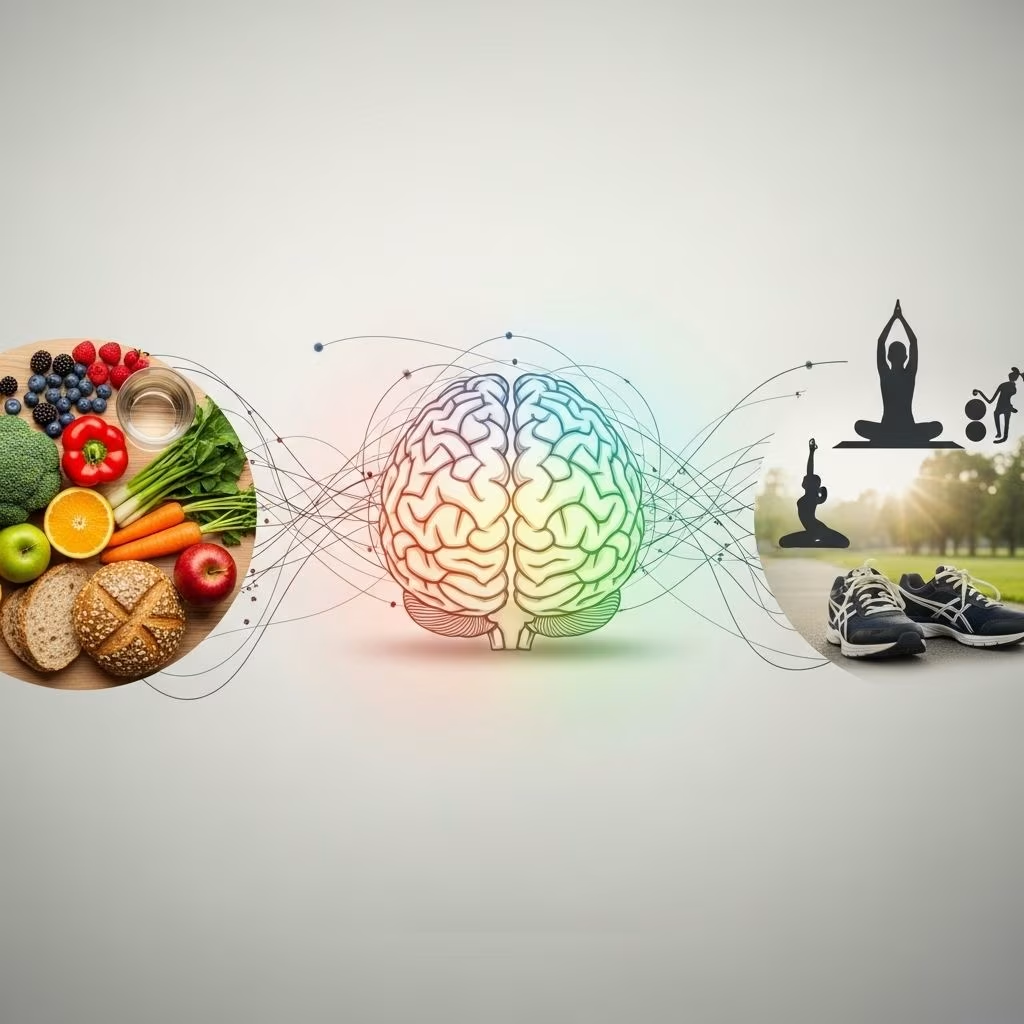
Understanding the Complex Relationship Between Mental Health, Food, and Exercise
The relationship between mental health, nutrition, and exercise is profoundly interconnected. The way we eat and move is not only influenced by physical needs but also by emotional and psychological states. Exploring this dynamic reveals how our mind shapes daily choices concerning food and fitness, often dictating our overall sense of wellbeing.
Why Mental Health Matters in Our Approach to Wellbeing
Mental health mediates how we interpret needs, set goals, respond to challenges, and maintain motivation. It impacts whether habits become positive routines or negative cycles. For many, emotional distress, chronic stress, or low self-esteem can spiral into restrictive dieting, compulsive exercising, or disengagement from self-care routines altogether.
- Negative moods can trigger emotional eating or avoidance of physical activity.
- Low self-worth may foster rigid or punitive behaviors around food and exercise.
- Positive mental health supports enjoyment, intrinsic motivation, and long-term consistency.
Understanding these connections is the first step in rewiring our approach to healthy living for lasting, meaningful outcomes.
The Impact of Our Relationship with Food
Food is more than fuel—it’s woven into social rituals, comfort, and even identity. However, our mental state often determines whether this relationship supports wellbeing or leads into harmful territory.
The Nutrition-Mood Cycle
Certain patterns emerge in the interplay between how we feel and what we eat:
- Stress and Anxiety: May trigger cravings for comfort foods high in sugar or fat, which provide short-term relief but not long-term benefits.
- Low Mood or Depression: Can lead to either loss of appetite and undereating, or increased snacking and emotional eating.
- Chronic Restriction: Highly restrictive diets often backfire, creating a deprivation mindset, mood swings, and disordered eating habits.
- Mindful Eating: Focusing on the experience of eating—paying attention to taste, fullness, and emotions—can bring joy back to the table.
Signs of an Unhealthy Relationship with Food
- Feeling guilty or anxious after eating certain foods
- Labeling foods as ‘good’ or ‘bad’
- Frequent calorie counting or obsessive tracking
- Bingeing or restricting in response to emotions
- Eating to cope with boredom, loneliness, or sadness
Recognizing these signs can prompt meaningful change, allowing us to develop a more nurturing approach to nutrition.
How Mental Health Shapes Our Motivation to Exercise
Exercise has well-documented benefits for both mental and physical health—regulating mood, reducing anxiety, and building self-esteem. Yet, the motivation to stay active is deeply influenced by our psychological state.
Common Mental Barriers to Physical Activity
- Perfectionism: Believing exercise ‘only counts’ if it’s intense or punishing can lead to burnout and avoidance.
- Shame or Body Dissatisfaction: Feeling self-conscious in fitness settings may discourage participation.
- Stress or Fatigue: Overwhelming emotional loads can sap the motivation to move.
Conversely, exercise can be a proactive tool for managing mental health—if approached with self-compassion and flexibility.
Building a Positive Movement Mindset
- Shift focus from appearance to how movement makes you feel
- Explore different modalities—yoga, dancing, walking, strength training—to discover enjoyment
- Emphasize consistency over intensity or perfection
- Allow for rest and recovery, viewing them as part of a balanced approach
Reframing Goals: From Control to Connection
Traditional approaches often promote controlling food intake or pushing the body for rapid visible results. Shifting from control-based goals to connection-based goals—like energy, mood, and strength—fosters a healthier, more sustainable relationship with wellbeing.
Setting State Goals Instead of Body Goals
| State Goals | Body Goals |
|---|---|
| Feel energized and less stressed | Lose 5 kg |
| Sleep better and think clearly | Fit into a smaller clothes size |
| Improve self-compassion | Get abs in 3 weeks |
Focusing on how you want to feel—rather than numbers on a scale—can make lifestyle changes more enjoyable and lasting.
Breaking Free from Diet Rules and Exercise Guilt
Modern wellness culture sometimes perpetuates strict rules, such as eliminating food groups, never missing a workout, or labeling certain practices as ‘bad.’ These rules can be mentally exhausting, promoting shame and guilt when inevitably broken.
Embracing Flexibility for Long-Term Success
- Life circumstances fluctuate; so should routines
- Make room for imperfect days without self-criticism
- See nutrition and movement as supportive, not punitive
- Prioritize *progress* over absolute adherence
Flexibility in approach encourages resilience and likelier adherence to healthy habits over the long term.
Practical Strategies for Nurturing Body and Mind
Reestablishing a healthy relationship with food and exercise requires actionable steps. These strategies focus on self-awareness, nourishment, and self-compassion.
1. Tune Into Internal Cues
- Practice mindful eating: slow down, savor flavors
- Listen for hunger and fullness signals
- Pause to identify if cravings are physical or emotional
2. Prioritize Nutrient Diversity
- Include a variety of foods from all groups—no unnecessary restrictions
- Focus on whole grains, lean proteins, healthy fats, and plenty of fruits and vegetables
- Try aiming for at least 25 to 30 different plant foods per week for gut health
3. Balance Movement and Recovery
- Layer in both energizing and restorative activities—e.g., brisk walks, gentle yoga, resistance training, as well as adequate rest
- Adapt intensity and duration to your energy and life demands
- Recognize that rest days are as valid as active days
4. Prioritize Mental Health Practices
- Include stress-reduction strategies like journaling or meditation
- Identify triggers for negative thoughts around food and exercise
- Develop a regular self-care routine that feels personally meaningful
5. Replace Self-Criticism with Self-Compassion
- Recognize setbacks as learning opportunities, not failures
- Reframe inner dialogue to be encouraging
- Celebrate small wins and growth over time
Seeking Help: When to Reach Out
For some, patterns around food and exercise may reflect deeper mental health conditions—such as eating disorders, depression, or anxiety—that require professional support. Warning signs include:
- Obsessive preoccupation with food, weight, or exercise
- Persistent guilt, anxiety, or shame after eating or resting
- Engaging in harmful restrictive or compulsive behaviors
- Significant changes in weight, mood, or daily functioning
If you notice these signs in yourself or someone you care about, consider seeking guidance from a registered dietitian, licensed mental health counselor, or an eating disorder specialist for tailored support.
Frequently Asked Questions (FAQs)
Q: How can I tell if my relationship with food is unhealthy?
A: Warning signs include frequent guilt after eating, rigid food rules, emotional eating patterns, or feeling the need to compensate for meals through restrictive behaviors or excessive exercise.
Q: What is the role of mindful eating in supporting mental health?
A: Mindful eating strengthens connection to physical cues, reduces emotional eating, and enhances enjoyment and satisfaction with meals, which can support a more positive outlook on both food and self.
Q: How can I motivate myself to exercise when feeling low?
A: Start with small, manageable movement—such as a short walk or gentle stretching. Focus on how activity improves your mood and energy, not on external goals or perfection.
Q: Are there foods that help reduce stress?
A: Foods rich in magnesium (e.g., leafy greens), omega-3 fatty acids (e.g., fatty fish), and complex carbohydrates (e.g., whole grains) have been linked to better stress management. Regular balanced meals help stabilize energy and mood.
Q: Should I cut out certain foods or food groups for better mental health?
A: Restrictive diets may worsen emotional wellbeing unless medically necessary. Instead, aim for balance and variety, including all food groups in moderation unless you have specific dietary needs diagnosed by a professional.
Key Takeaways for a Balanced Relationship with Food and Exercise
- Your mental health is integral to your eating and exercise habits.
- Prioritize how you feel—physically and emotionally—over arbitrary numbers or appearance-based goals.
- Embrace flexibility, variety, and self-compassion in your routines.
- Focus on nurturing, not punishing, your body and mind.
- Seek support when patterns become overwhelming or harmful.
Nurturing a healthy mindset around food and movement is a lifelong process, not a destination. By embracing self-awareness, flexibility, and kindness, you build not just a strong body, but a resilient and joyful life.
References
- https://www.marieclaire.co.uk/life/health-fitness/spring-reset
- https://katiecouric.com/health/mary-claire-haver-menopause-health-improvement-guide/
- https://thepauselife.com/blogs/the-pause-blog/the-28-day-pause-strong-challenge
- https://www.marieclaire.com/health-fitness/advice/a2718/reduce-stress-foods/
- https://thepauselife.com/blogs/the-pause-blog/the-fabulous-four-challenge
- https://www.instagram.com/p/C8WeqNuIg3c/
- https://pmc.ncbi.nlm.nih.gov/articles/PMC9903079/


