The US Army’s Zodiac Meme Moment: Pride or Cringe?
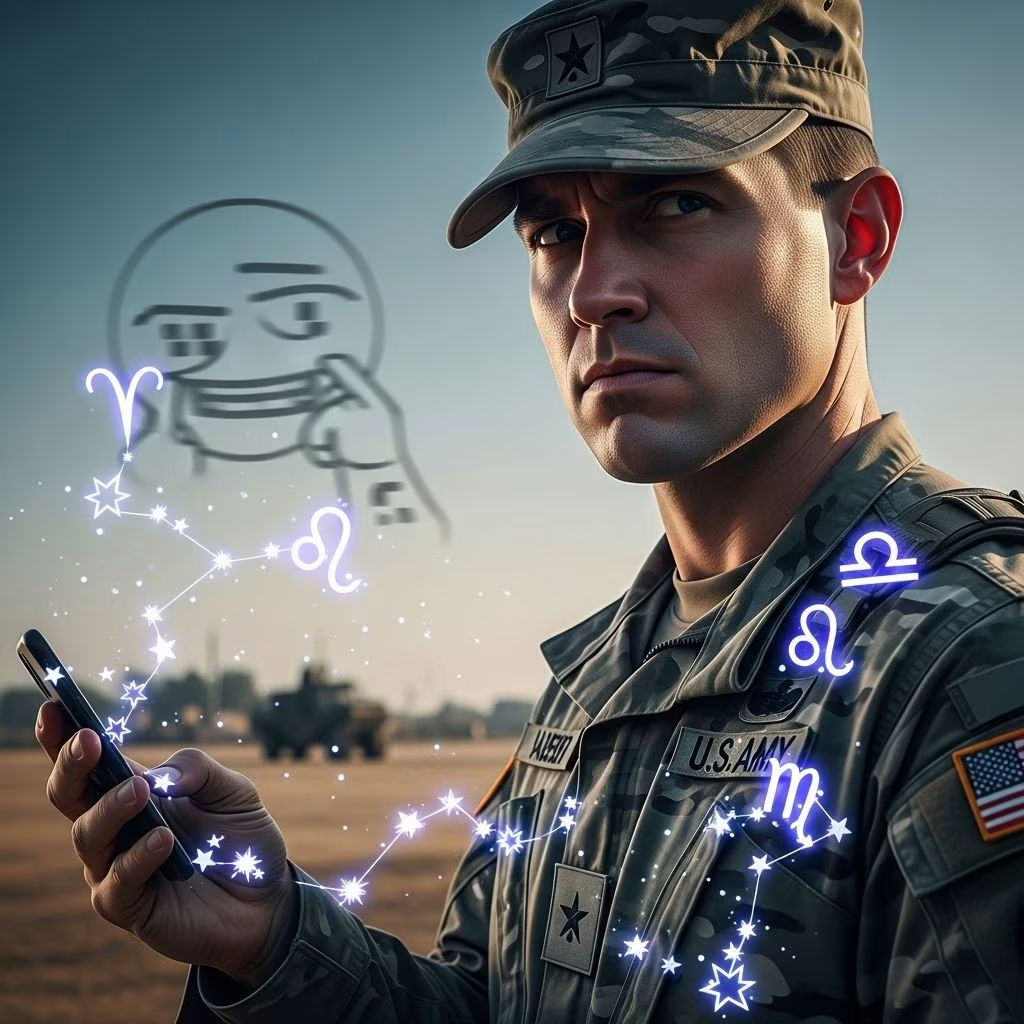
Earlier this year, the US Army’s official Instagram account, @GoArmy, posted a series of memes attempting to match each zodiac sign with a potential Army job. What resulted was not the viral engagement they might have hoped for, but rather a wave of ridicule and confusion. The attempt to tie astrology—a practice widely embraced by Gen Z and millennial communities in highly personal and humorous ways—to military recruitment underscored a striking cultural disconnect. Instead of winning hearts, the campaign seemed to expose how tricky it is for institutions to blend into digital subcultures without missing the mark.
The Meme That Launched a Thousand Groans
The infamous post labeled zodiac signs with military specializations:
- Capricorn: Human Intelligence Collector
- Pisces: JAG Corps Attorney
- Scorpio: Human Resources Specialist
- Cancer: Field Veterinary Services
- Sagittarius: Social Worker
- …and more for the rest of the twelve signs.
The reel was intended to be a lighthearted, engaging introduction to the broad spectrum of Army jobs. But the reaction in the comments section was swift and unmerciful. Both astrology believers and skeptics united in their discomfort. Comments ranged from “stop with this ‘woke’ nonsense” to sardonic quips about the Army’s social media strategy.
Astrology in the Age of Memes: A New Kind of Community
To appreciate why the Army’s foray felt tone deaf, it helps to understand how astrology lives online today. Pop astrology has evolved far beyond old-school horoscopes. Now, meme-makers on platforms like Instagram (@NotAllGeminis), Tumblr, and Discord weave astrology into jokes, mood boards, and support communities.
- Astrology memes are a language of inside jokes, self-expression, and flirtation.
- Much of the meme culture is queer-affirming and plays with identity, gender, and archetypes in a light, subversive way.
- This kind of astrology is community-driven. It mocks the idea that star signs contain destiny, instead using them as playful metaphors and conversation starters.
Originating in feminist circles and marginalized communities, astrology memes thrive on their distance from corporate or militarized messaging. Their power, in part, comes from being not for mainstream consumption. Attempts by powerful institutions to borrow these aesthetics often come off as forced or inauthentic.
Cringe: The Anatomy of Digital Secondhand Embarrassment
Why does something like the US Army’s astrology campaign induce collective cringe? The feeling is about authenticity and audience. When a parent tries to use teen slang, the effect isn’t simply annoyance—it’s a reminder that the spaces we build for ourselves can be surveilled and colonized by the authority figures we thought we’d escaped. Meme culture works because it is recursive and self-aware. Outsiders repeating the punchline miss the point and unsettle the in-group.
In this case, the Army’s campaign felt like a forced attempt to use a language—astrology memes—without understanding the in-jokes or social codes. The result: a meme that was neither informative nor funny, and, most importantly, didn’t reflect any genuine connection to astrology culture.
Astrology Was Never Just ‘Leftist’ or ‘Queer’ Anyway
Astrology’s popularity among queer communities today gives it a radical, anti-mainstream flavor. But historically, astrology was often an instrument of power:
- Right-wing leaders throughout history used astrology for personal and political strategy. Examples include Nazi figures such as Rudolf Hess and even American President Ronald Reagan, whose wife Nancy famously sought advice from astrologer Jeane Dixon.
- JP Morgan, one of the most influential American financiers, once boasted, “millionaires don’t use astrology—billionaires do.” The practice has deep roots in authoritative and masculine traditions.
That said, astrology today is much less about institutional wisdom and much more about playful self-creation and identity. Communities now fashion their own “fanon”—a grassroots canon—using astrology creatively, rather than bowing to tradition.
Meme Culture: Where Institutions Fail to Fit In
The Army’s campaign did not just fail because it was unfunny; it failed because institutions find it difficult to participate in memes as equals. Meme culture rewards:
- Subversion—the ability to punch up, not down
- Mutual understanding—knowing the community’s tastes, taboos, and language
- Irony—a self-aware nod to the genre
Large institutions—especially those associated with authority and power—almost always fall into the uncanny valley when they attempt irony or subversion. Instead of generating trust and camaraderie, their efforts are taken as evidence of surveillance, co-opting, or cultural theft.
The True Roots of Astrology in Military History
Somewhat ironically, the military’s awkward attempt at astrology memes is less a cultural mismatch than it seems. Astrology itself grew up in imperial courts and military planning sessions as much as in radical circles. For example, many ancient armies employed astrologers to time battles, advise on leadership, and make strategic decisions. Over time, astrology became enmeshed in the language of masculinity, hierarchy, and control. Today’s subversive, playful astrology is itself a rebellion against those roots—queer culture and digital meme-makers have simply reclaimed and reshaped an old tool for new community ends.
Digital Communities: Shaping, Not Receiving, Astrology
Contemporary astrology is a crowd-sourced phenomenon; its meaning and relevance are generated horizontally, not imposed from above. Digital platforms allow users to remix, appropriate, and creative new astrology-based jokes and content:
- People use astrology memes to flirt, signal group membership, or poke fun at themselves and others.
- Online groups on Discord, Tumblr, and Instagram create support networks based on shared placements, rising signs, and inside humor.
- This decentralization is precisely what makes institutional attempts at participation so jarring: they come from a place outside, removed from the collaborative energy that animates digital meme culture.
Army Recruitment and the Quest for Relevance
The Army’s meme was not simply a joke; it was also a recruitment tool. The underlying idea was to make a centuries-old institution feel approachable and relatable to generations raised on astrology apps and Instagram humor. According to Army Enterprise Marketing Office spokesperson Laura DeFrancisco, the post was just one of many “creative, light-hearted pieces of content” aimed at showcasing the diversity of Army careers to young audiences.
In recent years, the Army’s marketing efforts—such as the “What’s Your Warrior” campaign—have tried to modernize its image and speak to a broader range of potential recruits. The zodiac sign meme was, per DeFrancisco, relatively successful in terms of viewership and engagement, especially with careers related to Rangers and Psychological Operations, even as it vexed critics.
When Meme Strategies Backfire: Lessons for Brands and Institutions
If there’s a lesson for other institutions, it’s that meme culture can’t be manufactured or simply borrowed. Attempts to force authenticity—or participate in complex, in-group humor without understanding the context—will likely generate secondhand embarrassment rather than community engagement. Today’s users spot inauthentic or opportunistic messaging from a mile away. In meme culture, being in on the joke is everything—and organizations must tread carefully or risk digital infamy.
Table: Army Instagram Astrology Meme – Zodiac Assignments
| Zodiac Sign | Assigned Army Career |
|---|---|
| Capricorn | Human Intelligence Collector |
| Pisces | JAG Corps Attorney |
| Scorpio | Human Resources Specialist |
| Cancer | Field Veterinary Services |
| Sagittarius | Social Worker |
| Other Signs | Various Army Specializations |
What Makes a Meme, Anyway?
Not every image with a joke or a label qualifies as a meme. A successful meme:
- Connects with a community on an emotional, humorous, or relatable level
- Is open for remixing, riffing, or inside joke expansion
- Often references shared experiences, anxieties, or pleasures
The Army’s posts, by contrast, missed core ingredients: grounded, tongue-in-cheek humor, and authentic references understood by the community. Thus, to many, they weren’t memes at all—just awkward institutional attempts at trend-hopping.
What Does This All Mean for Social Media and Youth Culture?
This episode is less about astrology and more about how digital generations create and defend their cultures. As youth-led internet spaces continue to shape language, humor, and even political identities, institutions must recognize their limitations. The Army’s astrology meme wasn’t simply an embarrassment; it was a vivid demonstration of meme culture’s power to repel attempts at co-optation—and a testament to how humor, identity, and resistance flourish in online subcultures.
Frequently Asked Questions (FAQs)
Q: Why did the US Army post an astrology meme on Instagram?
A: The Army used the astrology meme to try to engage with younger audiences on social media, promoting a wide variety of military career paths in a format popular among Gen Z and millennials.
Q: Why was the Army’s use of astrology memes criticized?
A: The meme was seen as an awkward and inauthentic attempt by a powerful institution to co-opt a digital subculture, leading to widespread derision from both enthusiasts and skeptics of astrology.
Q: Is astrology inherently a radical or queer practice?
A: While astrology today is empowered and interpreted by marginalized groups, it has long historical roots within powerful, often patriarchal institutions, including military and political leaders.
Q: Did the Army’s meme campaign achieve its goals?
A: Although the campaign was widely mocked, Army officials reported above-average engagement on certain posts, suggesting some interest was generated, at least in terms of social media metrics.
Q: What lessons can brands and institutions learn from this incident?
A: Authenticity and a deep understanding of community culture are crucial. Memes work best when they are organic and produced from within the community they target, not manufactured by outsiders.