10 Fashion Missteps Gay Men Should Always Avoid
Style is about self-expression and confidence, but some looks are better left behind. For many gay men, there are common fashion pitfalls and clichéd behaviors that can unintentionally undermine your individuality and confidence. This definitive guide explores the 10 most notorious gay style missteps, details why they don’t serve you, and offers savvy alternatives to help you refine your look—while always honoring the diversity and vibrancy of the LGBTQ+ community.
No. 1: The Uniform
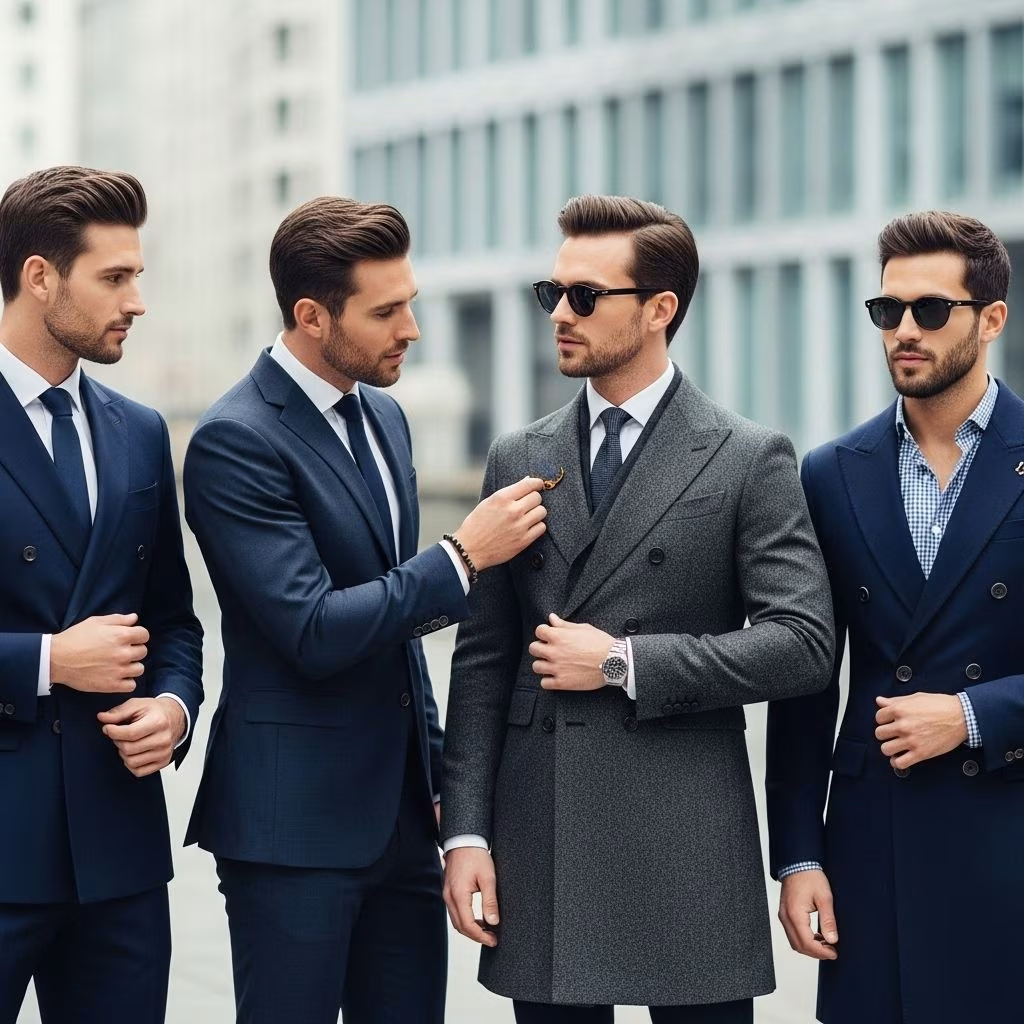
You’ll spot it everywhere: a sea of men dressed exactly alike. Whether it’s the muscle tee, slim-fit jeans, and flip-flops in summer, or the V-neck sweater layered over a button-down for winter, the gay uniform is unmistakable in bars, clubs, and pride events. But don’t be seduced by blending in—fashion is about individuality, not assimilation.
- Why it fails: The uniform is safe, but uninspired. It erases personal style under conformity.
- Better option: Mix tailored pieces with statement accessories, patterns, or textures. Personalize basics with custom touches.
Insider Tip: Take inspiration from queer designers who reinterpret classic menswear—think deconstructed blazers with subtle prints or unique trims.
No. 2: Tryhard Trends
It’s tempting to jump on every trend—acid-wash, neon colors, cropped tops, or impractical platform boots. But head-to-toe trend can read as costume, not style.
- Why it fails: Trends pass quickly, leaving you stuck with looks that date fast.
- Better option: Incorporate one trend piece into your wardrobe for freshness, but balance with timeless basics.
Quick Fix: Pair trendy shoes with classic jeans, or wear a bold jacket over stable neutral layers.
No. 3: Overaccessorizing
Accessories add personality—if used wisely. But pile on rings, necklaces, scarves, and sunglasses, and you risk distraction instead of distinction.
- Why it fails: Too many accessories compete for attention and sabotage sophistication.
- Better option: Select one or two standout pieces—like a metallic watch or signature necklace—to anchor your look.
Accessory Advice: Stack bracelets in muted tones for casual events; save flashier items for evening.
No. 4: Bad Fit Choices
Whether it’s ultra-tight shirt, baggy pants, or anything ill-fitting, the wrong size can wreck even the most expensive outfit. Fit matters more than labels.
- Why it fails: Clothes that are too tight or loose distort your proportions and undermine confidence.
- Better option: Invest time in tailoring; a well-fitted shirt or jacket flatters every physique and enhances presence.
Fit Fact: Many designers now offer collections tailored for all body types—queer, trans, plus-size—so personalize your fit without compromise.
No. 5: Outdated ‘Fabulous’ Looks
Feather boas, sequined hats, rainbow suspenders, and novelty gear are Pride staples—but out of context, they slip into costume territory. Resist leaning on flamboyance for everyday style.
- Why it fails: Over-the-top pieces are better reserved for themed parties or pride parades.
- Better option: Subtly incorporate fun details—like bold socks, playful prints, or rainbow accents—into a cohesive outfit.
Modern Twist: Bright colored sneakers or a printed tote deliver personality without sacrificing polish.
No. 6: Hair Faux Pas
The platinum dye job, fauxhawk, excessive product, or “helmet hair” all signal effort—sometimes too much. Hair should complement, not compete with, your overall look.
- Why it fails: Over-styled hair can feel artificial and detract from facial features.
- Better option: Work with your natural texture. Experiment with subtle fades, undercuts, or soft color—always matched to your personal vibe.
Hair Trend Watch: Slick back with gentle shine for evening; loose and tousled for day.
No. 7: Label Obsession
Designer logos signal taste, but logo overload can backfire—making you look like a walking billboard instead of well-dressed.
- Why it fails: Obsessing over brands shifts attention from personal style to status chasing.
- Better option: Mix high-low pieces. Pair vintage finds with modern luxury, or opt for emerging queer brands for uniqueness.
Smart Shopping: Support LGBTQ+ designers for true exclusivity and meaning behind your wardrobe.
No. 8: Fashion Copycat Syndrome
Imitating your favorite celebrity, influencer, or club crowd is easy—but it erases individuality. Style is an expression, not imitation.
- Why it fails: Copying others prevents your authentic style from emerging.
- Better option: Borrow inspiration, but reinterpret with your own colors, fits, and accessories that suit your life.
Highlight: Take cues from icons like Harry Styles or Billy Porter, but always add a twist that’s distinctly you.
No. 9: Forced Camp
Camp is fun—think big hats, loud suits, and excess. But when it feels forced, it loses charm. Avoid exaggeration for the sake of fitting in or standing out.
- Why it fails: Campiness is best when organic to the occasion or mood.
- Better option: Add one theatrical touch—a whimsical pin, quirky shoes, unique hat—paired with understated pieces.
Event Tip: Go bold for themed parties; for every day, keep camp elements subtle.
No. 10: Outdated Lingo
Language is also part of style. Overusing dated slang (“fabulous,” “fierce,” “gurl,” “yas queen”) can make you sound out-of-touch, even if your look is current.
- Why it fails: Old-school lingo signals nostalgia, but risks cliché.
- Better option: Communicate authentically—reinvent phrases, use language that feels natural to you.
Lingo Note: Style leadership is more about vibe than vocabulary; lead with presence, not just words.
How to Craft Your Signature Style
Getting dressed is an act of self-definition. Here’s how to skip the pitfalls and truly own your look:
- Mix structure and softness. Try pairing tailored jackets with fluid pants or skirts.
- Support queer designers and labels for meaningful style with community value.
- Use fashion as a toolkit: Gender-fluid options, bold prints, or understated chic depending on mood and destination.
- Layer selectively—start simple, then add one or two bold pieces for impact.
Authenticity shines brightest when your style honors your personal story, not just the crowd. Fashion is “coded,” but you decide what those codes mean—and how to use them to connect with others or stand out in your own way .
LGBTQ+ Style: The Power and Politics of Fashion Identity
The connection between fashion and LGBTQ+ identity runs deep. What you wear is often used, both by yourself and others, as a signifier of community, political stance, or social sensitivity.
- Historically, coded dress helped queer individuals find one another in hostile environments.
- Today’s mainstreaming of “gay dressing” makes style less about signaling and more about belonging.
- Queer icons and designers use fashion as activism, challenging binary norms and offering fresh perspectives for all identities.
- As society grows more accepting, style focuses less on protection and more on celebration.
Common Wardrobe Pitfalls: A Quick Reference Table
| Misstep | Why to Avoid | Upgrade Strategy |
|---|---|---|
| The Uniform | Lacks individuality, promotes conformity | Blend basics with unique accessories |
| Tryhard Trends | Quickly outdated, looks unnatural | Integrate trendy pieces with wardrobe staples |
| Overaccessorizing | Distracts, feels cluttered | Choose signature pieces for focus |
| Bad Fit Choices | Flattens physique, loses polish | Tailor key items for perfect fit |
| Outdated ‘Fabulous’ Looks | Feels like costume, not everyday style | Use playful accents in moderation |
Frequently Asked Questions
Q: Is it ever OK to wear the “gay uniform”?
A: If you feel authentic, go for it—but don’t rely on the uniform as your default. Mix in personal touches for a more individualized look.
Q: How do I experiment with queer-coded fashion without feeling costumed?
A: Start with one bold item—like statement jewelry or a printed shirt—then build around neutral basics. The goal is self-expression, not impressing others.
Q: What’s the best way to find LGBTQ+-owned fashion labels?
A: Explore online directories, social media, and Pride events. Many LGBTQ+ designers actively showcase their work via Instagram and at activist fairs.
Q: How do I avoid looking like I copied someone’s look?
A: Borrow inspiration, but always customize to your own needs. Refresh the look to fit your body shape, palette, and daily routine.
Q: Does dressing gay mean abandoning masculine style?
A: Absolutely not. Queer fashion includes hyper-masculine, ultra-feminine, and everything in-between. Embrace what feels real for you—style has no gender.
Style Evolution: Empowerment Through Fashion Choices
The path to self-empowerment in fashion starts by releasing the urge to blend in and focusing on what serves your individuality best. Expressing yourself authentically, instead of through outdated tropes or borrowed looks, inspires confidence and connection—and honors the trailblazers who made this freedom possible.
Whether in the boardroom, bar, or Pride parade, break free from stereotypes and fashion faux pas. Celebrate your story: every choice you make is another stride toward a more expressive, empowered LGBTQ+ community.
References
- https://www.cosmopolitan.com/uk/fashion/a65202086/dressing-gay-mainstream-queer-community-impact/
- https://www.refinery29.com/en-us/2018/05/200131/gay-men-clothing-fashion-lgbtq-experience
- https://www.cosmopolitan.com/uk/fashion/style/a40112860/finding-pride-in-our-style/
- https://www.mindlessmag.com/post/dressing-gay-fashion-for-sexuality-and-self-expression-1
- https://gb.readly.com/magazines/cosmopolitan-uk/2022-05-10/6278fb8bb99732a2bf8e8d6c
- https://lemonadamedia.com/podcast/cosmos-charm-school-with-cosmo-queen-of-melrose/
- https://cinemasips.com/tag/cosmopolitan/
- https://www.newwaysministry.org/2013/07/31/catholic-and-cosmopolitan-responses-to-the-popes-gay-statement/