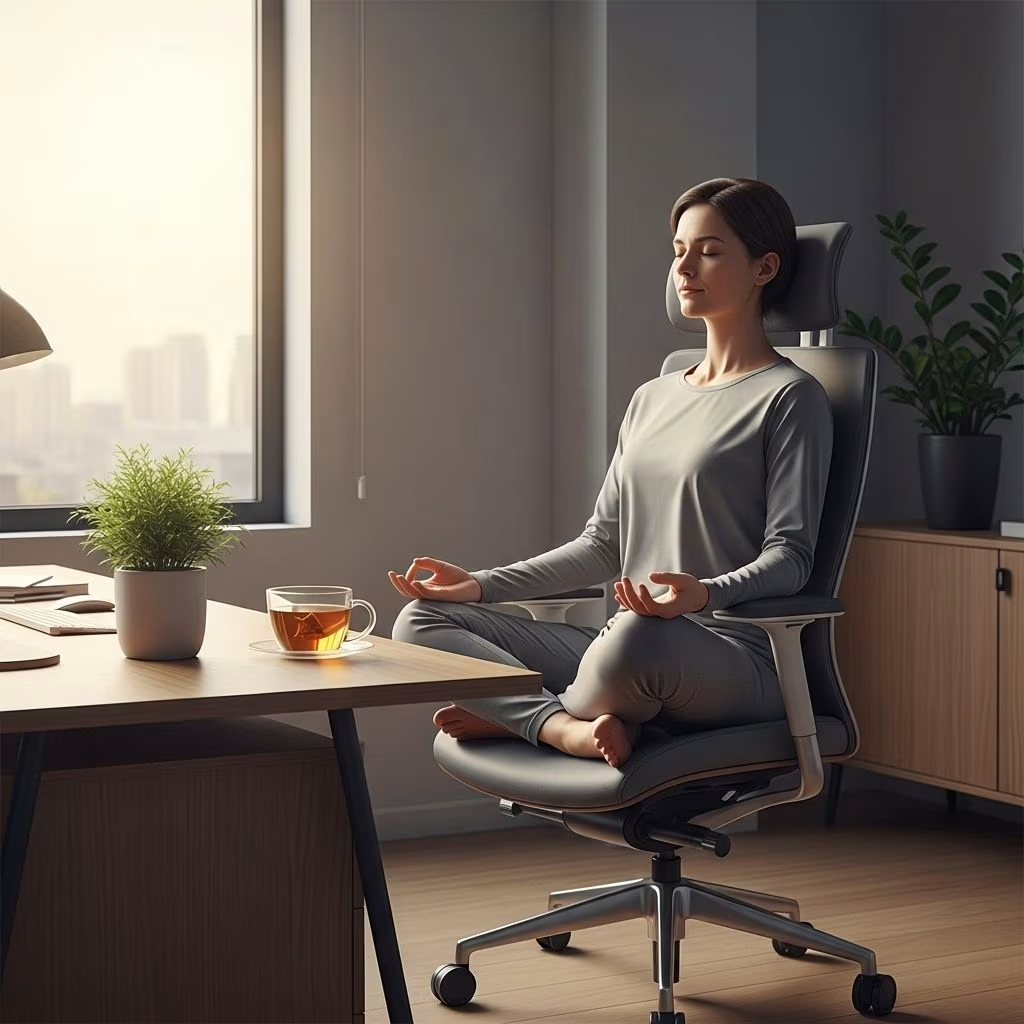
Essential Office Relaxation Tips: How to Beat Stress and Boost Productivity
Modern office environments, whether physical or remote, bring with them a unique set of challenges for maintaining relaxation and well-being. Stress can seep into the workday from deadlines, meetings, interpersonal conflicts, or even persistent digital notifications. Yet, cultivating relaxation at work is not a luxury—it’s a necessity for lasting productivity, satisfaction, and health. Here’s how to integrate meaningful relaxation strategies into your daily routine, restore calm, and help everyone in your office thrive.
Why Office Relaxation Matters
Chronic workplace stress has been linked to decreased focus, lower productivity, increased absenteeism, and even mental and physical health issues. Prioritizing relaxation improves mental clarity, enhances morale, and can transform the overall workplace atmosphere into a space where people genuinely want to be. Let’s explore comprehensive tips you can implement immediately to start relaxing more at work.
1. Use Reminders to Breathe and Practice Mindfulness
It’s easy to get so wrapped up in tasks that you forget to pause and breathe. Breath-based mindfulness breaks are an effective way to center yourself and cut through mental clutter across the day.
- Set up recurring reminders on your phone or computer to prompt deep breathing. Try apps with a ‘mindfulness bell’ feature that chimes at regular intervals.
- Every time you get a reminder, stop and take several slow, deep breaths. Focus on the sensation of air entering and leaving your body.
- Try simple techniques like box breathing: inhale for 4 counts, hold for 4, exhale for 4, and pause for 4.
This small ritual signals your nervous system to relax, easing anxiety and sharpening concentration.
2. Shake Up Your Morning Routine
How you start your day sets the tone for everything that follows. Bringing positive energy and intentionality to your morning can carry you through workplace stress.
- Swap stressful news or doomscrolling for upbeat music or an engaging podcast during your commute.
- If you’re remote, establish a consistent wake-up time and morning ritual: stretch, meditate, or read.
- Greet positive coworkers early in the day—it helps build a support network and fosters optimism.
- Consider adding a playful twist, like singing out loud in your car or indulging in a good book while you travel for work.
Intentional mornings build resilience; they buffer you from external negativity and prepare you to handle workplace challenges.
3. Limit Exposure to Technology
Constant notifications and digital distractions are major contributors to burnout. Creating boundaries around technology helps restore your sense of control and refreshes your mind.
- Configure new apps to avoid auto-launching and silence any non-essential notifications.
- Don’t use break time to check emails or social media; try stepping away from screens instead.
- Take a 10-minute walk outside without your devices—fresh air and physical movement reenergize your mood.
- Close out of your email or messaging app when you’re not actively working. This limits stress from a constant stream of requests.
Structured digital breaks promote better focus, genuine relaxation, and reduced eye strain.
4. Make a Plan for Handling Difficult Co-Workers
Workplace relationships are a major factor in your overall stress level. Avoiding conflict often leads to prolonged anxiety. A constructive approach is essential for harmony and well-being.
- Don’t silently resent or ruminate after tough interactions. Instead, map out how you’ll address them in advance.
- Initiate respectful conversations to air grievances and work toward solutions.
- Practice active listening and empathy—most co-worker conflicts can be improved by honest dialogue.
- Know when to involve a manager or HR if issues persist or escalate.
Dealing with interpersonal challenges head-on relieves lingering tension and helps restore a sense of safety in your workplace.
5. Be Realistic About What Can Be Accomplished
Overestimating your daily capacity leads to disappointment and stress. Instead, set achievable goals that encourage progress rather than perfection.
- Identify three core priorities for each day. Commit to finishing them, and allow extra tasks to roll over if needed.
- Say “no” to unnecessary projects or requests that will overload your schedule—protect your time and bandwidth.
- Break projects into smaller steps and tackle them sequentially rather than all at once.
- Celebrate completed tasks and progress, rather than obsessing about what remains undone.
This approach helps prevent overwhelm, boosts your sense of accomplishment, and cultivates self-compassion.
6. Invite Feedback and Foster Open Communication
Office cultures that discourage feedback or make it unsafe to ask questions are breeding grounds for perfectionism and stress. An open-door approach creates a calmer, more collaborative environment.
- Encourage honest communication at every level—even leaders should welcome constructive criticism.
- Establish regular check-ins or feedback sessions, allowing everyone to express concerns and share ideas.
- Normalize asking for help and clarifying instructions. There are no ‘stupid questions’ in a safe workplace.
- Use collaboration tools or informal platforms such as WhatsApp or group chats to facilitate supportive exchanges.
Inviting feedback quells anxiety and enables team members to function at their best.
7. Invest in Your People—Nurture Well-Being
Employees perform better when they feel cared for. Prioritizing relaxation isn’t just good for individuals—it raises the collective experience at work.
- Host weekly wellness sessions—consider hiring a yoga instructor or mindfulness coach.
- Encourage use of paid time off and respect boundaries that separate work and personal lives.
- Start meetings with fun activities, like a five-minute dance party or ice-breaker games, to foster laughter and camaraderie.
- Provide resources for mental health support and make self-care a workplace value.
When leadership visibly cares about their team’s relaxation, it creates a ripple effect, uplifting everyone’s mood and motivation.
8. Practice Active Relaxation Techniques
Adding intentional relaxation to your routine soothes tension and interrupts negative stress cycles.
- Try guided meditation apps or attend group mindfulness sessions.
- Experiment with progressive muscle relaxation, stretching, or breath-based techniques throughout the day.
- Shift focus with short exercise breaks or engage in a hobby like reading or listening to music.
- Talk with supportive colleagues or loved ones to vent and refresh your perspective.
Even five minutes of relaxation can dramatically improve your mental state and resilience.
9. Structure Your Nutrition, Sleep, and Physical Activity
Your physical health is tightly linked to mental wellness. Consistent routines fuel overall productivity and keep stress in check.
- Eat balanced meals and prioritize hydration throughout the workday.
- Get adequate sleep—aim for at least 7-8 hours nightly, and respect your body’s need for rest.
- Incorporate regular movement, from walks to desk stretches or scheduled workouts.
- Avoid excessive caffeine and sugar, which can increase jitteriness and reduce concentration.
These habits provide a strong foundation for emotional stability, focus, and effective relaxation at work.
10. Stay Connected and Support Morale
Supportive workplace relationships are one of the strongest buffers against job stress.
- Exchange positive messages or encouragement during coffee and lunch breaks.
- Make use of technology for face-to-face interaction when in-person meetings aren’t possible.
- Remind yourself—and your team—that workplace challenges are a collective experience to be managed together.
Shared support raises morale and transforms the social atmosphere of your office.
11. Take Regular Breaks and Disconnect Fully
Uninterrupted work marathons lead to mental fatigue and burnout. Scheduling breaks is crucial to rejuvenate your mind and body.
- Set reminders for short breaks every hour; use this time to move, breathe, or step outside.
- Give yourself permission to fully disconnect during lunch or at the end of your shift.
- Practice activities that draw your focus away from work—such as listening to music, cleaning your space, or having a snack.
Intentional breaks boost energy, creativity, and help maintain a fresh perspective throughout the week.
Frequently Asked Questions (FAQs)
Q: How can I quickly destress if I’m feeling overwhelmed at work?
A: Use a quick breathing exercise—four-count box breathing—or take a short walk outdoors for rapid relaxation. Silence distractions and focus on one task at a time.
Q: What if I can’t avoid technology at my office job?
A: Set boundaries by turning off non-essential notifications and only checking emails/messages at specific times. Outside of those times, minimize digital interruptions and take regular screen breaks.
Q: How do I handle a persistently difficult coworker?
A: Address concerns directly and respectfully, aiming for constructive dialogue. Document interactions if necessary, and involve HR if issues cannot be resolved interpersonally.
Q: Is relaxation only for employees, or should leaders participate as well?
A: Workplace relaxation should begin with leadership. When managers role-model relaxation, open communication, and supportive routines, it sets an example for the entire team.
Q: Can daily relaxation make a real difference to productivity?
A: Yes—consistently relaxed teams experience higher engagement, less absenteeism, and better work outcomes. Relaxed minds are more creative, focused, and proactive.
Summary Table: Top Office Relaxation Strategies
| Relaxation Tip | Main Benefit | Simple Implementation |
|---|---|---|
| Breathe and Practice Mindfulness | Immediate stress reduction | Set up hourly reminders |
| Shake Up Morning Routine | Improved mood, day-long positivity | Switch to music or fun activities |
| Limit Tech Exposure | Reduced cognitive overload | Turn off notifications; take walks |
| Handle Difficult Co-workers | Lower anxiety; better relationships | Have respectful conversations |
| Realistic Task Planning | Prevent overwhelm | Focus on 3 priorities per day |
| Open Communication | Safer, more connected teams | Invite regular feedback |
| Invest in Wellness | Greater team morale | Host wellness activities |
Conclusion: Creating a Relaxed, Productive Workplace
Workplace relaxation is an ongoing journey, not a one-time fix. By investing in mindful routines, realistic planning, supportive relationships, and a culture of genuine care, any office—physical or remote—can dramatically reduce stress and empower everyone to do their best work. Leadership plays a pivotal role: when relaxation becomes a priority from the top down, the entire team feels empowered to bring calm, focus, and energy to their projects every single day.
References
- https://www.entrepreneur.com/growing-a-business/chill-out-with-these-7-office-relaxation-tips/239425
- https://www.cosmopolitanme.com/career/work-from-home-tips
- https://www.cosmopolitan.com/uk/body/health/g1959/tips-for-beating-office-stress-87539/
- https://www.youtube.com/watch?v=3akQcYgtI9Q
- https://www.cosmopolitan.com/style-beauty/a23479483/office-relaxation-tips/
- https://www.massage-chair-relief.com/7-products-that-will-get-rid-of-stress-asap-cosmopolitan-com/