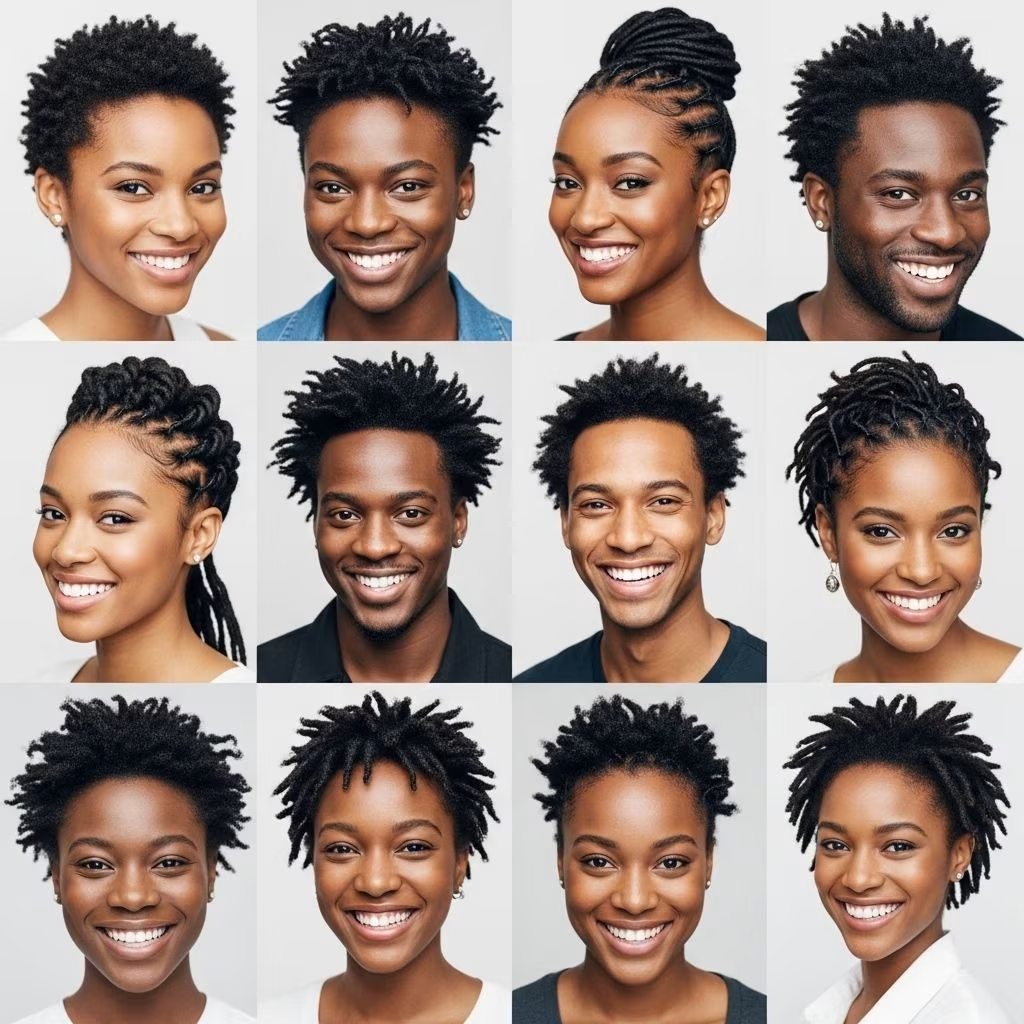
Beginning your loc journey is more than a hair decision—it’s a celebration of natural texture, individuality, and patience. Whether you’re newly natural, transitioning, or simply looking to freshen up your starter locs, these loc styles offer creativity, protection, and versatility for every hair type and length. From classic two-strand twists and comb coils to modern faux locs and braided looks, this guide covers it all—plus maintenance advice and answers to the most common questions about starting locs.
Why Starter Locs Styles Matter
Starter locs are the foundational stage that shapes your loc journey. The style you choose will influence not only how your locs look, but also how they mature, behave, and how easy your maintenance routine will be. With so many starter loc styles available, finding the right fit for your hair texture, length, and lifestyle is key.
What Are Starter Locs?
Starter locs (also known as “baby locs”) are the initial phase where hair is sectioned and styled to begin the locking process. Over time, these sections will matte, tighten, and mature into fully-developed locs. This stage requires patience and gentle care, as your hair is just beginning to settle into its new form.
Factors to Consider Before Choosing a Starter Loc Style
- Hair Type & Texture: Some loc methods work better for certain curl patterns or densities. Coily and curly hair typically locks faster and holds styles well.
- Hair Length: Certain techniques (like the sponge method or comb coils) cater better to shorter lengths, while twists, braids, or backcombing suit those with more length.
- Lifestyle: Consider daily routines, preferred maintenance levels, and styling needs. Active lifestyles might benefit from styles less prone to unraveling.
- Desired Loc Size & Parting: Do you want thick, bold locs or smaller, highly stylable ones? Section size and start method impact your final loc size and look.
16 Stunning Hairstyles for Starting Locs
1. Two-Strand Twists
The two-strand twist is a classic and versatile starter loc method. This style involves twisting two small sections of hair around each other, creating well-defined coils that mature beautifully into locs.
- Great for: All textures (particularly medium to thick)
- Benefits: Full, bouncy locs; less unraveling for active lifestyles
- Tip: Sections can be tailored smaller or larger depending on desired loc thickness.
2. Comb Coils
Comb coils are formed by parting the hair into sections and twisting each one into a coil using the end of a rattail comb. The result is neat, cylindrical coils that evolve into uniform locs over time.
- Ideal for: Short, tightly coiled or curly hair
- Appearance: Sleek, refined, cylindrical starter locs
- Tip: Avoid overwashing to prevent unraveling during early weeks.
3. Palm Rolling
The palm rolling method involves rolling small sections of hair between your palms to shape and tighten the sections into cylindrical forms. This technique gives locs a round, smooth look and is easy to maintain.
- Best for: Hair longer than 2 inches
- Result: Uniform, rounded locs
- Tip: Gently wash and re-roll locs to maintain form and prevent unraveling.
4. Backcombing
Backcombing is often chosen for straighter or thinner hair types that may not lock as easily. Hair is sectioned and gently teased back towards the roots using a fine-toothed comb, creating a textured base that mats quickly into locs.
- Ideal length: At least 3–6 inches
- Perks: Faster loc development; durable starter locs
- Tip: Finish with a twist or palm roll for neatness and retention.
5. Braids (Plaited Starter Locs)
Braid locs involve plaiting sections of hair as the foundation for your starter locs. This method is great for longer lengths and looser textures as it significantly reduces unraveling risks.
- Great for: All lengths above 2 inches, especially looser curl patterns
- Look: Flatter, thinner locs, depending on braid tightness
- Note: Braid pattern may be visible until mature stage; takes longer to fully loc
6. Sponge Method
Perfect for those with short hair, the sponge method uses a specialized sponge brush with holes to create small coils by moving it in a circular motion across the scalp. This encourages natural sections to form, perfect for eventual locs.
- Ideal for: Short, tightly coiled textures
- Advantages: Quick definition; minimal manipulation
- Tip: Maintain a gentle touch to avoid scalp irritation.
7. Freeform Locs
Freeform locs allow your hair to matte and section naturally with minimal intervention. No manipulation, excessive parting, or retwisting—just wash, separate as needed, and let the curls determine their own loc size and shape.
- Best for: Anyone preferring a natural, organic loc pattern
- Result: Unique locs with variable size and shape
- Tip: Keep scalp clean and separate roots to avoid extremely large locs, if desired.
8. Interlocking
Interlocking involves using a tool or your fingers to twist a section of hair through the root, similar to threading a needle. This creates tight, secure locs from the root down.
- Works best for: Smaller loc sizes; maintaining scalp neatness
- Benefits: Secure starter locs less prone to unraveling
- Note: Can be time-intensive and may require professional help, especially for smaller sections.
9. Loc Extensions
For those seeking instant length or transitioning from another style, loc extensions offer a way to have mature-looking locs from day one. Extensions are created from human or synthetic hair and attached to the starter hair.
- Good for: Any length or transitioning from relaxed or short hair
- Benefits: Immediate fullness; versatile styling
- Consideration: Requires professional installation for a seamless look
10. Rubber Band Method
Here, small rubber bands are used to create uniform partings and hold twist or braid sections in place as you start the loc process. This style is particularly helpful for those with slippery textures or very fine hair.
- Suitable for: Short, straight, or fine textures
- Benefits: Keeps partings neat; reduces unraveling risk as hair begins to lock
- Tip: Remove bands carefully as locs mature to prevent hair snagging.
11. Faux Locs
Faux locs offer a protective style that mimics the look of matured locs, letting you experiment before fully committing to the locking process. Ideal for those who want the aesthetic without the wait.
- Perfect for: Anyone wanting a temporary loc look
- Features: Low manipulation; can be customized for length and thickness
- Tip: Use as a transition style into real locs or as a commitment-free trial
12. Pipe Cleaner Curls
This technique uses pipe cleaners to set your starter locs into springy, defined curls. It’s a fun way to switch up your style and adds texture to early-phase locs.
- Great for: Any stage of starter locs
- Benefits: Temporary shape change; adds visual interest
- Tip: Don’t leave pipe cleaners in too long to avoid tangling.
13. Barrel Twists
Barrel twists gather several starter locs and twist them together, creating chunky, rope-like sections. This style is protective and keeps hair neatly tucked for long periods.
- Ideal for: Medium to long hair; all textures
- Perks: Low-maintenance; great for protective styling
- Tip: Use for formal occasions or long trips to minimize manipulation.
14. Flat Twists
Flat twists combine adjacent locs into a cornrow-like pattern across your scalp. This style is versatile, elegant, and keeps hair off your face—ideal for special occasions or everyday chic.
- Best for: Medium to long lengths
- Look: Sleek, sophisticated; great for updos
- Tip: Spritz with lightweight oil for shine and frizz control.
15. Half-Up, Half-Down Styles
Pull half your starter locs into a bun, clip, or small ponytail, leaving the rest to drape freely. It’s an easy way to show off partings and keep hair out of your face.
- Perfect for: All stages of the loc journey
- Benefits: Simple, quick, and adaptable for any length
- Tip: Use decorative clips or wraps for personal flair.
16. Space Buns
Space buns create a playful, trendy look by splitting starter locs into two high, round buns on the crown. It’s youthful, protective, and eye-catching—perfect for festivals or casual days out.
- Works for: Medium to long hair
- Features: Keeps hair secure; low-fuss maintenance
- Tip: Secure with covered hair ties to avoid breakage.
Comparison Table: Starter Loc Methods
| Starter Loc Method | Best For Hair Type/Length | Main Advantages | Notes |
|---|---|---|---|
| Two-Strand Twists | Curly, coily; 4+ inches | Full look, easy to part | Can unravel slightly at first |
| Comb Coils | Short, coily | Uniform, cylindrical locs | May loosen after wash |
| Palm Rolling | Any, 2+ inches | Uniform rounding | Needs frequent re-rolling early on |
| Backcombing | Straight, wavy; 3+ inches | Quick matting | Can be rough on hair if not gentle |
| Braids | All types; 2+ inches | Secure, less unraveling | Braid pattern may show for months |
| Sponge Method | Short, coily | Fast coiling, low maintenance | Limited styling in early stages |
| Freeform | Curly, natural | Unique and organic | Minimal control over size/shape |
Starter Loc Care & Maintenance Tips
- Gentle Cleansing: Use clarifying but gentle shampoos every two weeks. Focus on scalp health and avoid heavy conditioners that cause buildup.
- Protect Hair at Night: Sleep with a silk or satin bonnet or scarf to minimize frizz and lock in moisture.
- Minimal Manipulation: Refrain from excessive pulling, retwisting, or restyling to allow roots to settle and matte naturally.
- Hydrate: Regularly spritz with water and apply lightweight oils or leave-in sprays to combat dryness and maintain scalp health.
- Handle Unraveling: Gently retwist or re-coil loose sections to reinforce while avoiding over-manipulation.
Expert Styling Advice for New Loc Wearers
- Be patient: Locs are a journey, and starter locs need time to mature. Each phase (starter, budding, teenage, mature) offers its own beauty.
- Embrace Frizz: Some frizz is normal as your hair adjusts—frizz helps the locking process by encouraging matting.
- Consult a Loctician: Professional guidance for forming your parts, sizing, and early maintenance can lead to healthier, longer-lasting locs.
- Experiment: Have fun mixing styles, accessories, and updos as your locs grow and mature.
Frequently Asked Questions (FAQ)
Q: How long does it take for starter locs to mature?
A: Depending on your hair type, maintenance, and chosen method, starter locs typically mature into the “teenage” stage within 6–12 months and fully mature within 1–2 years.
Q: Which starter loc style is best for thin or fine hair?
A: Backcombing, interlocking, or using the rubber band method can help fine textures form locs more easily by adding texture and secure holds at the root.
Q: How should I wash my starter locs?
A: Wash gently with a residue-free shampoo. Avoid harsh scrubbing and ensure loc sections remain intact. Allow locs to dry fully to prevent mildew.
Q: Can I color my starter locs?
A: It’s best to wait until your locs have matured, as coloring can disrupt the locking process and weaken forming sections. Consult a loctician for safe timing.
Q: What accessories work best with starter locs?
A: Opt for lightweight wraps, silk scarves, protective bonnets, and minimal metal-free clips to avoid tension and breakage in delicate starter locs.
Inspiration: Embracing Your Loc Journey
Starting locs is a transformative and creative process that lets you celebrate your natural roots. With these 16 starter loc styles, expert care tips, and a commitment to healthy habits, you’ll journey confidently through every phase—discovering new ways to express your unique style at each stage.