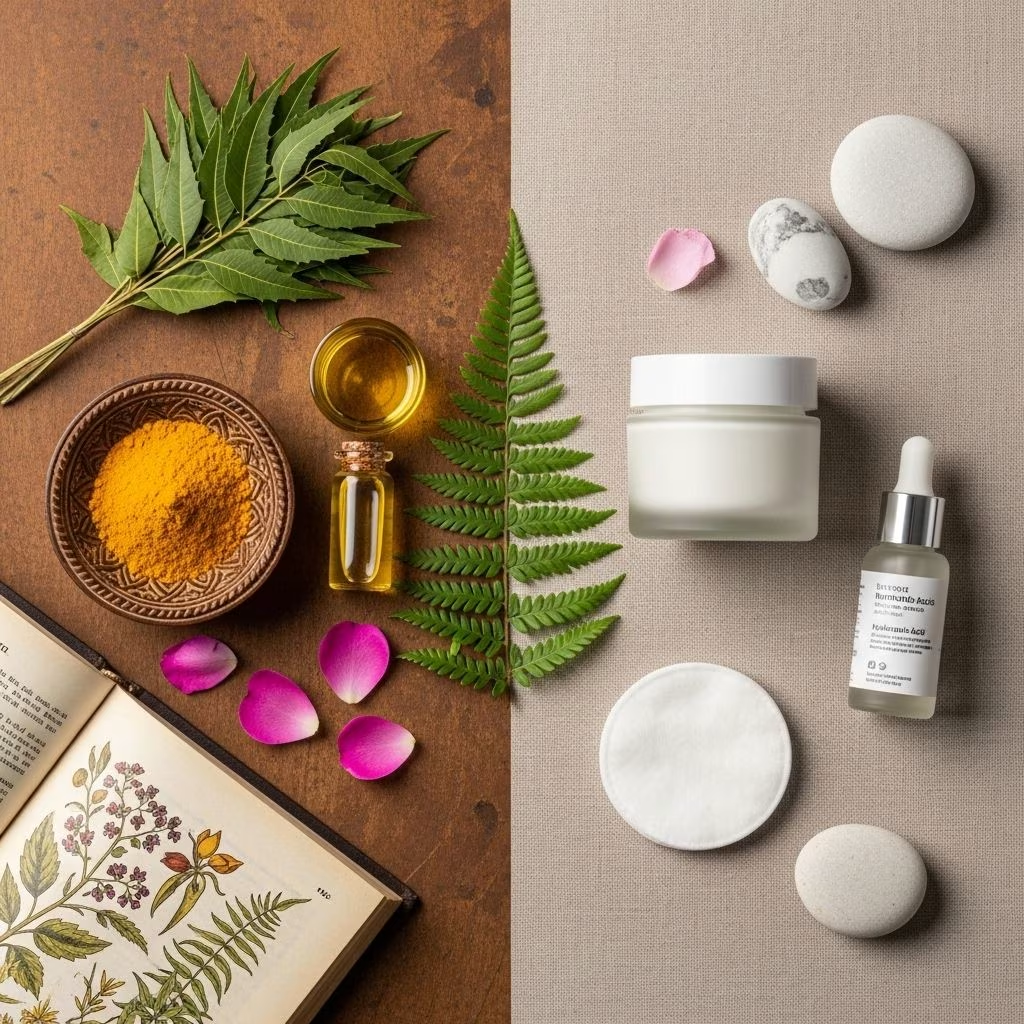
What Is Ayurvedic Beauty?
Ayurvedic beauty is not just a fleeting trend—it’s a timeless practice rooted in the ancient Indian science of Ayurveda, which translates from Sanskrit as the “science of life.” With its origins dating back thousands of years, Ayurveda encompasses a holistic philosophy that emphasizes the interconnectedness of mind, body, and spirit. It recognizes beauty as a direct reflection of inner health and well-being, with outward radiance emerging when the body is in balance.
Unlike Western beauty approaches that often focus on surface-level symptoms, Ayurveda addresses the root causes behind skin concerns, hair issues, and overall appearance. This comprehensive system considers factors like diet, daily habits, emotional state, seasonal shifts, and the individual’s unique constitution—also known as their dosha (Vata, Pitta, or Kapha).
The Core Principles of Ayurveda in Beauty
- Holistic Viewpoint: Your external appearance mirrors internal health. Every skin concern, from breakouts to rashes, prompts a deeper investigation of diet, stress levels, seasonal triggers, and more.
- Balance Above All: Beauty practices are designed to restore and maintain harmony across body, mind, and spirit.
- Personalization: Routines and rituals are tailored to each person’s dosha, life stage, climate, and specific needs.
- Root-Cause Solutions: Instead of simply masking symptoms, Ayurveda aims to treat the origin of health and beauty disturbances.
- Emphasis on Natural Remedies: Herbal formulas, plant oils, spices, and mineral-rich pastes form the foundation of Ayurvedic skincare and haircare.
“Ayurveda is a holistic way of looking at life that is now being more widely recognized and practiced in the Western world, especially in the beauty space,” shares dermatologist Kiran Mian, DO.
Why Is Ayurvedic Beauty Gaining Popularity?
The global wellness movement, increased consumer demand for clean beauty, and recent global health crises have driven many to seek a return to nature for healing and self-care. Traditional ingredients common in India—like turmeric, rose water, ashwagandha, and bakuchiol—are now being embraced in the Western beauty industry for their proven benefits.
According to Ananta Ripa Ajmera, yoga instructor and Ayurveda adviser at The Well, “Ayurvedic beauty is becoming more mainstream in Western culture because we are starting to, through these times of global health crisis, return to nature for health, healing, and beauty.”
Today, leading beauty retailers and brands are introducing Ayurvedic principles and formulations to a broader global audience, helping demystify the practice and make it accessible for all skin types and backgrounds.
Essential Ayurvedic Ingredients and Their Benefits
| Ingredient | Main Benefit(s) | Common Uses |
|---|---|---|
| Turmeric | Anti-inflammatory, brightening, antioxidant | Face masks, creams, serums |
| Bakuchiol | Natural retinol alternative, anti-aging | Serums, moisturizers |
| Rose Water | Soothing, hydrating, toning | Toners, mists, cleansers |
| Ashwagandha | Anti-stress, strengthens skin barrier | Masks, oils, serums |
| Gotu Kola | Healing, supports collagen, calms inflammation | Balms, ointments, creams |
| Sandalwood | Anti-acne, cooling, soothing | Pastemasks, soaps, perfumes |
Many of these ingredients are now key additions to popular products designed to target concerns ranging from dullness and hyperpigmentation to acne and early signs of aging.
Doshas: The Personalization Engine of Ayurvedic Beauty
One of Ayurveda’s most revolutionary concepts is the dosha system. According to classical texts:
- Vata: Air and space elements. Characteristics include dry or delicate skin, prone to dehydration and irritation when unbalanced.
- Pitta: Fire and water elements. Typically features sensitive skin that may become red, inflamed, or breakout-prone.
- Kapha: Earth and water elements. Associated with oily, thick skin that can be congested or prone to dullness when aggravated.
Ayurvedic beauty encourages identifying your dosha and curating routines—ingredients, application techniques, and rituals—for balance. No two individuals will require the same regimen, making it a uniquely personal journey.
How Ayurvedic Beauty Translates Into Modern Routines
Today’s Ayurvedic-inspired products and practices bridge tradition and innovation. For instance:
- Ingredient Synergy: Classic botanicals like turmeric are being blended with contemporary actives (such as retinol) to enhance results and minimize irritation.
- Scalp and Hair Oiling: This ancient ritual—massaging nourishing oils into the scalp and strands—stimulates circulation, encourages strength and shine, and helps combat hair loss. When paired with clinical treatments like minoxidil, results can be amplified.
- DIY and Spa Rituals: Masking with herbal pastes, practicing abhyanga (self-massage), and using natural exfoliants connect users to both their bodies and their heritage.
- Nutrition and Mindful Living: Ayurveda teaches that what you eat and how you manage stress directly influences your skin and hair health.
“I always try to make it clear: Ayurveda isn’t just for Indian people or people who grew up practicing it. These beauty secrets and products: They’re meant for everyone,” says Michelle Ranavat, founder of Ranavat.
Ayurveda-Inspired Beauty Brands to Know
Ayurvedic beauty is thriving, with innovative brands at the forefront, blending traditional wisdom and science-backed formulations. Some notable brands include:
- Soma Ayurvedic: Renowned for sandalwood perfume oils, vitamin C serum, and an array of plant-based products nurtured in India.
- Sahajan: Fuses Ayurvedic botanicals with clinical testing, offering serums, creams, and oils suited for a modern approach.
- Fable & Mane: Specializes in rituals like hair oiling, unlocking hair’s full potential through potent, heritage-driven blends.
- Aavrani: Showcases traditional face masks, body oils, and cleansers—rooted in time-honored Indian beauty culture.
- Ranavat: Founded by Michelle Ranavat, this brand offers luxury products that harness ingredients such as saffron, ashwagandha, and lotus.
Each brand takes a unique approach, with some focusing on sustainability and plant-based purity, while others emphasize clinical results and efficacy. The Ayurvedic beauty market is projected to reach nearly $15 billion in the coming years, signaling its substantial impact and staying power.
Traditional Ayurvedic Beauty Rituals to Try
- Abhyanga (Self-Massage): Using warm, herbalized oil, massage your body before bathing to nourish skin, stimulate circulation, and calm the mind.
- Ubtan (Herbal Paste Scrub): Blend chickpea flour, turmeric, and sandalwood to gently exfoliate, promote glow, and reduce inflammation.
- Hair Oiling: Massage nourishing oil (infused with amla, bhringraj, or fenugreek) into the scalp to stimulate growth and strengthen hair.
- Face Masking: Try a turmeric and yogurt mask for natural antibacterial and brightening effects.
- Rose Water Spritz: Use as a toner or midday refresher to soothe, hydrate, and give skin a dewy finish.
These rituals can be easily incorporated into your current routine, serving as mindful moments of self-care inspired by generations of wisdom.
Myths and Misconceptions About Ayurvedic Beauty
Despite its increasing visibility, several myths persist regarding Ayurveda:
- Myth: Ayurveda is just for Indians or those with traditional upbringings.
Truth: Ayurveda is universal in its approach, offering benefits to all skin types and backgrounds. - Myth: It’s not based on science.
Truth: Many Ayurvedic ingredients, such as turmeric and bakuchiol, are now supported by modern clinical research. - Myth: Ayurvedic products are strictly vegetarian and involve deprivation.
Truth: Ayurveda is about balance, not exclusion or deprivation. - Myth: It’s an expensive lifestyle.
Truth: Ayurvedic beauty can be simple and accessible, especially once personalized for your own dosha and needs.
How to Start Your Ayurvedic Beauty Journey
Venturing into Ayurvedic beauty does not require an all-or-nothing approach. Here’s how to begin:
- Identify Your Dosha: Take a simple online quiz or consult an Ayurvedic practitioner to determine your dosha type and understand your baseline imbalances.
- Start With a Few Products: Try an Ayurvedic cleanser, mask, or hair oil—and observe the changes in your skin and hair.
- Build Simple Rituals: Incorporate abhyanga or a weekly ubtan scrub to bring moments of mindfulness into your self-care routine.
- Eat & Live for Balance: Embrace seasonal foods, balanced meals, and stress-management techniques that Ayurveda recommends for sustained radiance.
The true beauty of Ayurveda is its adaptability for every budget, schedule, and background. As these traditions meet modern science, they offer a meaningful and effective path towards radiant, lasting beauty.
Frequently Asked Questions (FAQs)
What makes Ayurvedic beauty different from other natural beauty practices?
Ayurvedic beauty stands out because it approaches wellness from the inside out, focusing on internal balance, individual constitution (dosha), and addressing root causes rather than just symptoms. Its use of time-honored herbal blends and rituals personalizes skincare to your unique needs.
Can I incorporate Ayurvedic products into my current beauty routine?
Yes! Ayurvedic products can complement your regular skincare and haircare regimen. Start with one or two items, such as a face mask or hair oil, and gradually integrate more practices as desired.
Are Ayurvedic skincare and haircare products safe for all skin types?
Most Ayurvedic formulas feature gentle, plant-based ingredients suitable for all skin and hair types. However, it’s advisable to patch-test new products and consult with a practitioner if you have specific sensitivities or conditions.
How can I find my dosha?
You can take a self-assessment quiz through reputable Ayurvedic websites or schedule a session with a certified practitioner for an in-depth evaluation.
Is Ayurvedic beauty expensive?
Not necessarily. While some luxury brands highlight rare or exotic ingredients, many Ayurvedic rituals (like ubtan or hair oiling) rely on affordable, kitchen-friendly ingredients found worldwide.
Sources
- Alotusinthemud: Top 5 Ayurveda-Inspired Beauty Brands in the US
- Cosmopolitan: A Deep-Dive Into the World of Ayurvedic Beauty
- Cosmopolitan UAE: From Beauty to Balance – A Journey into Ayurvedic Wellness
References
- https://alotusinthemud.com/top-5-ayurveda-inspired-beauty-brands-in-the-us/
- https://www.cosmopolitan.com/style-beauty/beauty/a41432320/ayurvedic-beauty/
- http://cosmopolitanuae.com/healthandlifestyle/tayelor-kennedy-from-beauty-to-balance-a-journey-into-ayurvedic-wellness/
- https://openlab.citytech.cuny.edu/brivera1-eportfolio/files/2025/05/CriticalArgumentPaper_1_BethelieRivera.pdf
- https://sonage.com/blogs/press/cosmopolitan-ayurveda-for-the-uninitiated-a-deep-dive-into-the-world-of-ayurvedic-beauty
- https://www.cosmopolitan.com/uk/beauty-hair/bodycare/a13976/beauty-discovery-ayurevedic-massage-india/
- https://www.zinio.com/publications/cosmopolitan-uk/5519/issues/674646/articles
- https://www.theestablished.com/self/beauty/why-dubai-is-becoming-indian-beautys-favourite-testing-ground
- https://www.cosmopolitanme.com/cosmo/new-beauty-products-dubai