Baking Soda for Under-Eye Circles: Does It Work and Is It Safe?
Baking soda as a beauty remedy has gone viral, especially as a quick fix for dark circles and under-eye bags. Social media influencers and DIY enthusiasts tout the supposed effects—quick brightening, puffiness reduction, and exfoliation. But what do dermatologists and scientists say about this trend? Can kitchen cabinet chemistry replace time-tested skincare?
Why Are Under-Eye Circles Such a Big Deal?
Dark circles can make you look tired, stressed, and older than you feel.Under-eye bags and shadows result from a mix of genetics, lifestyle, and skin physiology. Even with the best creams and makeup, some people struggle to hide them daily.
Common causes include:
- Sleep deprivation: Reduces blood flow, causing skin to look dull and shadowed.
- Genetics: Some people are naturally prone due to inherited skin structure and pigmentation.
- Dehydration: Makes the skin thin and emphasizes blood vessels under the eyes.
- Sun exposure: Promotes pigmentation and skin thinning.
- Hormonal changes: Can worsen pigmentation and under-eye puffiness.
Standard fixes range from concealer and creams to sleep and hydration—but when these fail, DIY hacks are tempting.
The Viral Baking Soda Hack: How Did It Start?
The recent rise of baking soda for under-eye circles can largely be traced to influential beauty videos and posts.
YouTuber Darshika Patel became known for her viral demonstration of the method, with over 200,000 viewers watching her create a baking soda ‘runny paste.’
Her DIY method involved:
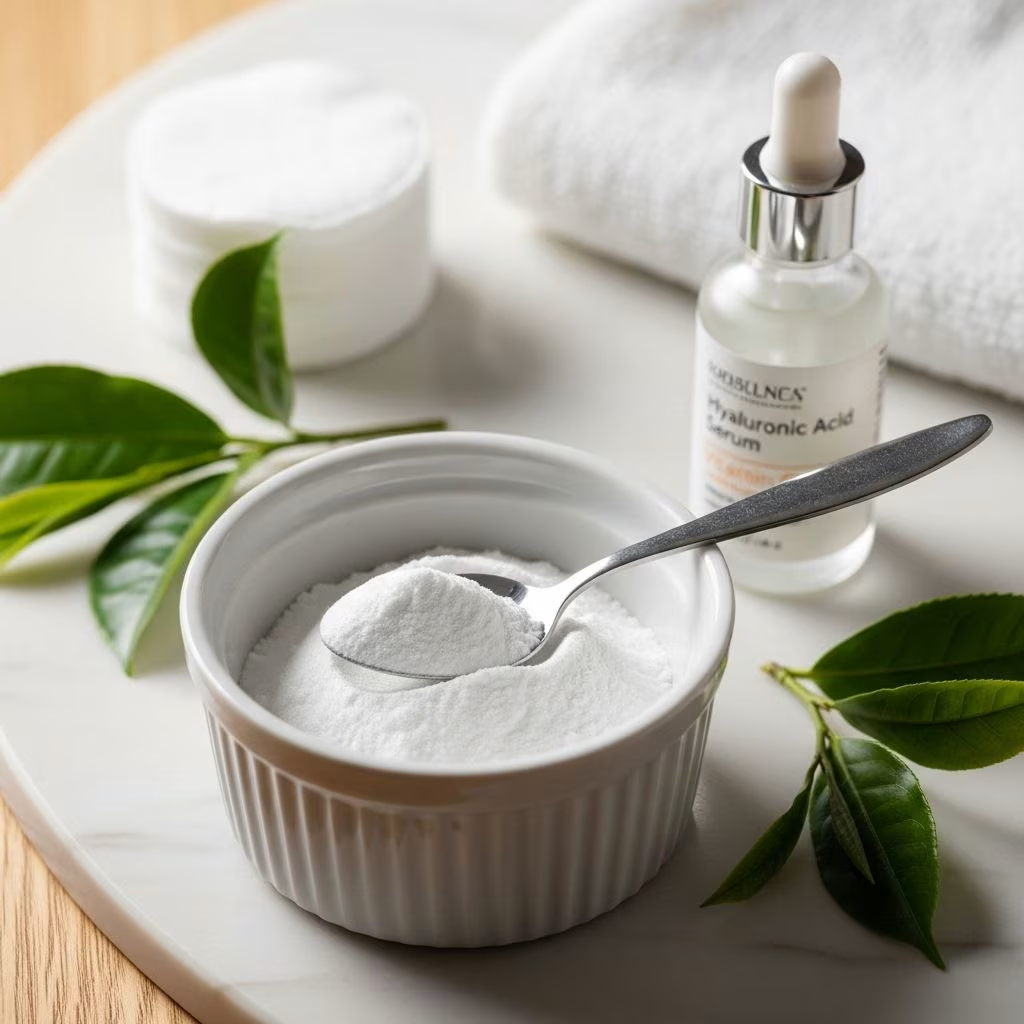
- Mixing 1–2 teaspoons of baking soda with water to a syrup-like consistency.
- Applying the paste beneath the eyes with the back of a spoon, smearing gently rather than rubbing.
- Allowing the mixture to dry for 5–10 minutes.
- Removing it with a wet washcloth or baby wipe, noting a smooth, exfoliated feeling similar to a gentle microdermabrasion.
Patel claims this process brightens the skin and reduces visible dark circles by exfoliating dead cells and smoothing texture.
However, her disclaimer cautions against rubbing the delicate under-eye skin, which is prone to irritation when stressed.
Expert Opinions: What Dermatology Says About Baking Soda for Under-Eye Skin
Dermatologists and scientific experts widely warn against using baking soda on the sensitive under-eye area, emphasizing the following:
- Sodium bicarbonate (baking soda) is alkaline. The skin’s natural pH is slightly acidic (around 4.5–5.5), maintaining a healthy barrier and optimal cell function.
- Dr. Joshua Zeichner, a board-certified dermatologist, cautioned in Refinery29: “Baking soda has an alkaline pH, while the skin’s natural pH is slightly acidic, which is necessary for healthy skin-cell functioning. Increasing the pH can lead to irritation and impairment of the skin barrier.”
While the paste may temporarily exfoliate and feel smoothing, it risks long-term consequences:
- Irritation: Baking soda can disrupt the skin’s acid mantle, leading to redness, burning, and dryness.
- Barrier damage: Repeated use weakens the protective layer, increasing risk of inflammation and sensitivity.
- Dehydration: Alkaline exposure draws out moisture, worsening dark circles over time.
- Worsening circles: Chronic irritation may trigger pigment changes, making circles darker.
Baking soda + under-eye bags is generally not recommended by professionals for these reasons.
DIY Application: Should You Try It Anyway?
For those curious, here’s a typical application protocol—with extreme caution recommended:
- Mix baking soda with water to form a thin paste (never apply dry powder).
- Lightly smear beneath the eyes, avoiding direct contact with eyes.
- Leave on no longer than 5 minutes, and never rub.
- Rinse thoroughly, and follow with a hydrating cream to replenish lost moisture.
Tip: Maximum once a week if you insist on trying—and skip completely if you have sensitive skin, eczema, or a history of allergic reactions.
The Science: Does Baking Soda Really Lighten Dark Circles?
| Claim | Scientific Backing | Dermatologist Verdict |
|---|---|---|
| Brightening effect by exfoliation | Baking soda is a mild abrasive and may slough off dead skin for temporary brightness. | Short-term effect; risk of long-term irritation and pigmentation changes. |
| Reducing puffiness via astringent action | Can dry out swollen tissue briefly but may promote dehydration and worsen circles over time. | Not recommended; puffiness reduction is superficial and does not address underlying causes. |
| Safe exfoliation similar to microdermabrasion | Baking soda is far rougher and less controlled than professional microdermabrasion. | Unsafe for delicate eye area; can abrade and irritate sensitive skin. |
| Long-term improvement of dark circles | No clinical evidence supports lasting benefit for pigmentation or blood vessel visibility. | Not clinically validated; alternatives preferred. |
Scientific consensus: Baking soda may provide transient surface brightening but is more likely to cause irritation, especially with repeated use.
Why Is Baking Soda So Popular in DIY Beauty?
Baking soda is accessible, affordable, and vegan, making it attractive for natural beauty enthusiasts. Compared to costly serums and creams, it feels like a low-risk experiment.
However, cosmetic chemists and dermatologists point out its lack of precision compared to professionally formulated under-eye creams designed for sensitive skin.
Risks and Dermatologist-Approved Alternatives
- Dryness and irritation: Baking soda’s alkaline pH disturbs the balance required for healthy skin.
- Long-term skin damage: Chronic barrier disruption can lead to persistent redness, burning, and worsening circles.
- Professional alternatives: Consider creams with ingredients such as hyaluronic acid, vitamin C, caffeine, peptides, and retinol for proven improvements.
Safer treatments for dark circles focus on:
- Gentle, pH-balanced moisturizers.
- Antioxidant serums (vitamin C, E).
- Eye creams containing caffeine to reduce puffiness.
- Prescription or over-the-counter retinoids to boost collagen.
- Hydration and sun protection.
Long-term relief comes from healthy lifestyle choices and tailored professional products, not harsh pantry staples.
Social Media vs. Dermatologist Advice
- Viral hacks are tempting for instant gratification but can do more harm than good for delicate eye skin.
- Clinical studies on baking soda as a remedy for dark circles are non-existent.
- Experts recommend using caution, skepticism, and reliable, professionally formulated products.
Frequently Asked Questions (FAQs)
Q: Is baking soda safe for all skin types under the eyes?
A: No. Its alkaline pH can quickly irritate sensitive skin, causing dryness, burning, or even contact dermatitis in vulnerable individuals. Most dermatologists recommend avoiding baking soda near the eyes.
Q: How often can I use baking soda for under-eye circles if I want to try it?
A: If you insist on experimenting, limit use to no more than once a week and follow with heavy moisturization. Discontinue immediately if redness or irritation develops.
Q: What are better alternatives for dark circles?
A: Look for creams containing hyaluronic acid, vitamin C, caffeine, or peptides. These are clinically proven to hydrate, brighten, and de-puff the under-eye area safely.
Q: Does baking soda really work for dark circles?
A: There is no clinical evidence supporting baking soda as an effective or safe long-term treatment for dark circles. Temporary surface brightening may occur, but risks outweigh benefits.
Q: Can I use baking soda as a gentle weekly exfoliant elsewhere?
A: Baking soda may be tolerated on tougher skin areas as an occasional exfoliant, but should not be used on thin, sensitive under-eye skin.
Key Takeaways: What You Need to Know
- Dark circles often have deep physiological causes; topical quick fixes rarely address the root issue.
- Baking soda offers temporary exfoliation but is unsuitable for delicate under-eye skin due to its high alkalinity.
- Dermatologists recommend avoiding baking soda on the under-eye area; look for safe, evidence-based skincare.
- Healthy habits—hydration, sleep, sun protection—work with targeted products for best results.
- Consult a dermatologist if you struggle with persistent dark circles or irritation from DIY remedies.
Beauty Editor’s Perspective
Maya Allen, a seasoned beauty editor, shares her take: While DIY methods like baking soda are tempting when all other remedies fail, prioritizing skin health means trusting science and professional advice over viral trends. She recommends experimenting with makeup and professional skincare—not risky kitchen concoctions—for your best under-eye look.
Should You Try the Baking Soda Under-Eye Hack?
- Quick fixes can be risky: The viral hack may give temporary brightness but could worsen sensitivity and circles long term.
- Consult professionals before trying unproven home remedies for vulnerable skin areas.
- Safer solutions exist: Invest in quality skincare with scientifically backed ingredients designed for your under-eye needs.
- Don’t let viral mythology damage your skin: Building good habits and caring for your skin pays off in confidence and complexion.
References
- https://www.cosmopolitan.com/style-beauty/beauty/news/a55376/baking-soda-under-eye-circles-hack/
- https://buycosmetics.cy/baking-soda-for-dark-circles-myth-or-miracle-the-truth-revealed/
- https://www.youtube.com/watch?v=WuZ-rplV2-0
- https://docteur-bernard-hayot.com/en/effective-treatments-for-under-eye-puffiness/
- https://timesofindia.indiatimes.com/life-style/easy-remedies-to-treat-dark-circles/articleshow/66344801.cms