What Is Batana Oil?
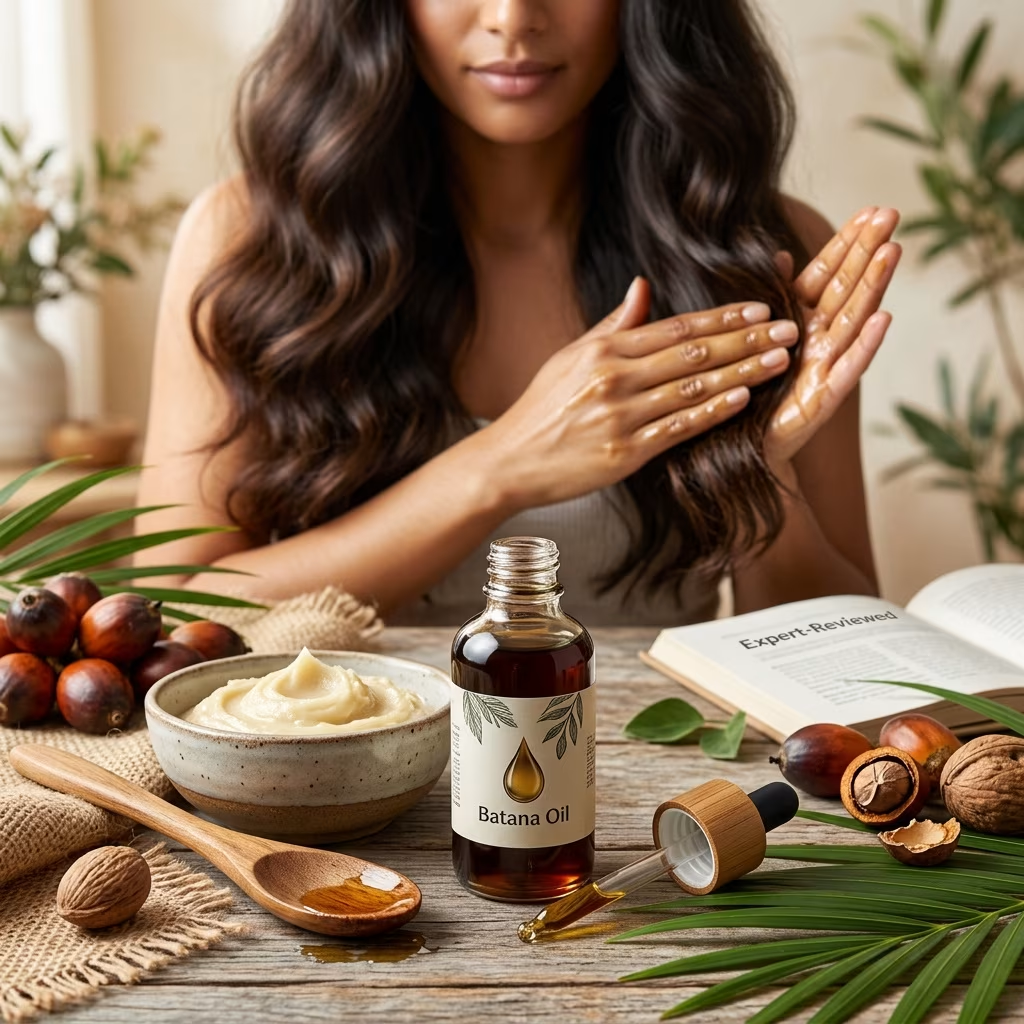
Batana oil is an amber-hued, nutrient-rich oil derived from the nuts of the American oil palm (Elaeis oleifera), native to Central and South America. Revered for generations by the Miskito people of Honduras—who refer to it as “the miracle oil”—batana oil has recently reached global attention for its impressive hair and scalp benefits. Its rise in the world of natural beauty is a testament to both its cultural heritage and its promising cosmetic properties.
In addition to hair care, batana oil has applications in skin moisturization due to its natural content of essential fatty acids, antioxidants, and vitamins.
Key Benefits of Batana Oil for Hair
Experts and many users praise batana oil for its ability to deeply nourish both the scalp and hair strands. While research is still emerging, here are the most widely recognized benefits backed by dermatologists and anecdotal evidence:
- Deep Moisturization: Batana oil is rich in fatty acids (like oleic, linoleic, and palmitic acids), which help hydrate and soften brittle, dry hair and scalp.
- Strengthens Hair: Regular use can improve hair strength, reduce breakage, smooth split ends, and improve overall elasticity.
- Supports Scalp Health: The presence of antioxidants like vitamin E, carotenoids, and lycopene helps counteract oxidative stress, protecting both hair and scalp from environmental damage.
- Reduces Frizz and Adds Shine: Batana oil helps control frizz while enhancing hair’s natural shine, contributing to softer, glossier hair.
- Helps Retain Length: By minimizing breakage, batana oil supports length retention, although definitive evidence for stimulating new growth is limited.
- May Soothe Scalp Inflammation: Anti-inflammatory effects and rich nutrition may help soothe irritated scalps.
- Sun Protection: Vitamin E’s antioxidant effects provide some protection against UV-induced hair and scalp damage.
Summary Table: Batana Oil vs. Other Popular Hair Oils
| Feature | Batana Oil | Argan Oil | Coconut Oil |
|---|---|---|---|
| Main Fatty Acids | Oleic, Linoleic, Palmitic | Oleic, Linoleic | Lauric, Myristic, Palmitic |
| Texture | Rich, thick | Light, non-greasy | Medium-thick, solidifies at room temperature |
| Best For | Dry, damaged, thick, curly hair | Frizzy, dry, fine-to-medium hair | Dry, coarse, or curly hair |
| Common Benefits | Strength, shine, scalp health | Shine, smoothness | Nourishment, moisture, prevent protein loss |
Expert Insights: What Dermatologists Say
Dermatologists generally agree that batana oil excels as a conditioning agent, improving hair’s appearance and aiding length retention by reducing breakage. Dr. Papri Sarkar, a board-certified dermatologist, highlights that while “batana oil is deeply nourishing and rich in antioxidants, there’s currently insufficient scientific evidence to confirm claims of direct hair regrowth.” However, the antioxidants, fatty acids, and vitamin E content help protect hair from daily stressors and nourish the scalp.
Batana oil is suitable for all hair types but is especially beneficial for those with dry, thick, curly, or highly textured hair thanks to its heavier, richer consistency. For fine or straight hair types, reducing the amount used helps avoid excess greasiness or flatness.
How to Use Batana Oil for Hair
Batana oil is versatile in its applications, making it easy to incorporate into any hair care regimen. Here are several reliable ways to achieve the best results:
- Patch Test First: Always perform a patch test before full application to assess for allergic reactions. Apply a small amount behind the ear or on the inner forearm and observe for 24 hours.
- Pre-Shampoo Treatment: Apply a few drops of warmed batana oil directly to the scalp and along the lengths of your hair, massaging gently. Cover with a shower cap and leave on for at least 30 minutes, or overnight for an intensive treatment, then wash out with a gentle shampoo.
- Scalp Massage: Massage a teaspoon of oil onto the scalp weekly to increase blood flow and support scalp health. This ritual also helps relieve tension.
- Leave-In Conditioner: Smooth a small amount onto damp ends as a leave-in moisturizer, especially to protect against breakage and add luster. Use sparingly on fine or low-porosity hair to avoid weighing down strands.
- Mix with Other Products: Blend a drop or two into your regular conditioner or hair mask for a moisture boost without the heaviness of a full oiling.
Tips for Different Hair Types
- Fine or Straight Hair: Use a pea-sized amount, apply only to the ends, and rinse thoroughly.
- Curly and Coily Hair: Apply liberally through the lengths and scalp. Batana oil penetrates well and can define curls while restoring moisture.
- Damaged or Chemically Treated Hair: Use as a restorative mask at least once a week to help smooth and protect against further damage.
Potential Risks and Considerations
Like all natural oils, batana oil is generally safe but can cause adverse reactions in rare cases. Here’s what to keep in mind:
- Allergies: Though uncommon, allergic contact dermatitis can occur. Patch test before committing to regular use.
- Heavy Texture: Its richness can leave a residue—especially on fine hair—leading to limpness or greasiness if overapplied.
- Staining: The amber color could potentially stain light-colored fabrics. Use an old pillowcase if leaving in overnight.
- Storage: Store in a cool, dry place away from direct sunlight to preserve potency.
If you have a scalp condition (such as seborrheic dermatitis or psoriasis), consult a dermatologist before trying new oils.
Traditional Roots and Modern Social Buzz
Batana oil’s popularity surged globally thanks to social media and beauty influencers, yet its heritage is generations-deep in Honduras. For the Miskito people—often called “the Tawira” or “People of Beautiful Hair”—batana oil has long played a vital role in scalp, skin, and hair maintenance. They credit the oil’s regular use for their healthy, shiny, and resilient hair despite harsh sun and humidity.
Modern interest is fueled by its effectiveness in addressing hair thinning, damage from styling, and overall scalp wellness. Viral TikTok and Instagram testimonials continue to draw attention, but experts caution to keep expectations rooted in science: the main proven benefits are moisture retention, conditioning, and some protection against environmental damage.
Where to Buy and Identifying Pure Batana Oil
Batana oil is increasingly available online and in specialty beauty shops. Look for 100% pure, cold-pressed batana oil without added fragrances or synthetic ingredients for the most benefit. The oil should appear viscous and dark golden to amber in color, with a rich, nutty scent.
Some reputable batana oil brands emphasize their support for sustainable harvesting and fair-trade agreements with indigenous producers. Check labels for:
- Ingredient list: Only Elaeis oleifera (batana) oil.
- Cold-pressed or raw extraction method.
- Country of origin (frequently Honduras).
- Natural, unrefined, and additive-free.
Comparing Batana Oil to Other Hair Oils
While batana oil shares moisturizing superpowers with more mainstream oils like argan, coconut, or jojoba, it differs in:
- Texture: Batana oil is thicker and richer, ideal for deep conditioning or use in curlier hair textures.
- Scent: Has a natural earthy, nutty aroma, unlike the lighter, sweeter scent of argan oil.
- Absorption: Penetrates well into thick, porous hair but may sit on the surface of fine or straight hair.
Frequently Asked Questions (FAQs)
Q: Can batana oil actually regrow hair?
A: There is no conclusive scientific evidence that batana oil regrows hair directly. Its main benefit lies in improving the look, feel, and health of existing hair, which may help retain length by reducing breakage.
Q: Is batana oil safe for all hair types?
A: Yes, but the amount and frequency of use will vary. Curly, thick, and dry hair types benefit most, while those with fine or oily hair should use sparingly and rinse thoroughly to prevent buildup.
Q: How often should I use batana oil in my routine?
A: For most people, 1-2 times weekly as a pre-shampoo or overnight mask is sufficient. For dry scalp or ends, a small leave-in amount after washing can help.
Q: Can I mix batana oil with other products?
A: Yes, batana oil blends well with conditioners and masks for an extra moisture boost. Avoid mixing with protein-heavy products if your hair is sensitive to protein overload.
Q: Does batana oil stain hair or skin?
A: Pure batana oil does not stain hair but its natural golden hue might discolor pillows or clothing if left overnight. It washes out easily with shampoo.
Final Thoughts
Batana oil provides deep moisture, scalp nourishment, and enhanced shine, making it an exceptional addition for those seeking natural solutions for dry, damaged, or curly hair types. Though some claims—like hair regrowth—are not yet supported by robust clinical trials, traditional use and many expert opinions affirm its value in holistic hair care. Testing on your hair type and adhering to best application practices will help you determine if this “miracle” oil deserves a spot in your routine.
Always consult with a dermatologist if you have concerns about scalp health, allergies, or persistent hair problems before introducing new products.
References
- https://www.batanaful.com/blogs/hair-care/how-to-use-batana-oil-for-hair-and-skin-benefits
- https://www.prevention.com/beauty/hair/a60256623/batana-oil-for-hair/
- https://www.estemedicalgroup.com/blog/batana-oil-benefits-when-paired-with-este-turkey-transplants-hair-loss-treatments
- https://www.cosmopolitan.com/style-beauty/beauty/a61752793/batana-oil-for-hair-benefits/
- https://www.healthline.com/health/batana-oil-for-hair-loss
- https://www.youtube.com/watch?v=UjDFY2cGqwg
- https://www.webmd.com/beauty/batana-oil-hair-growth