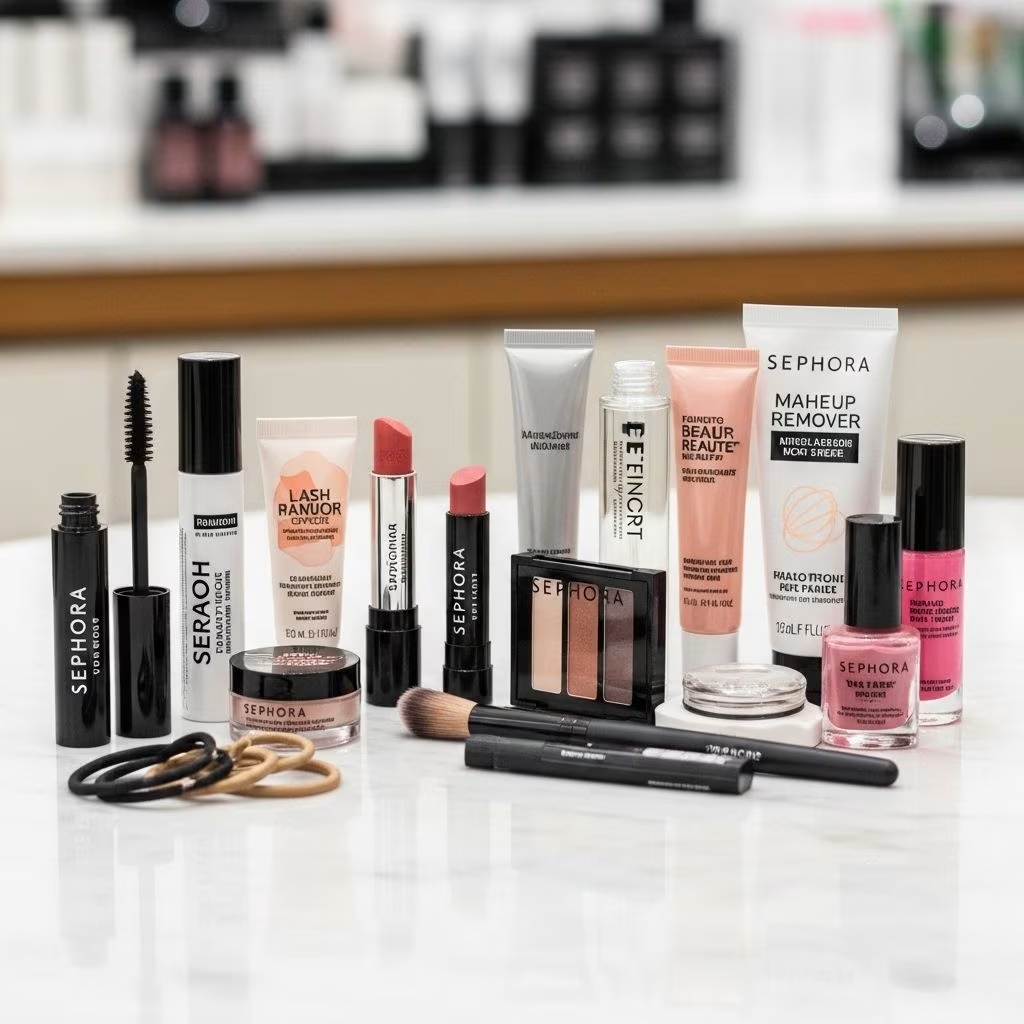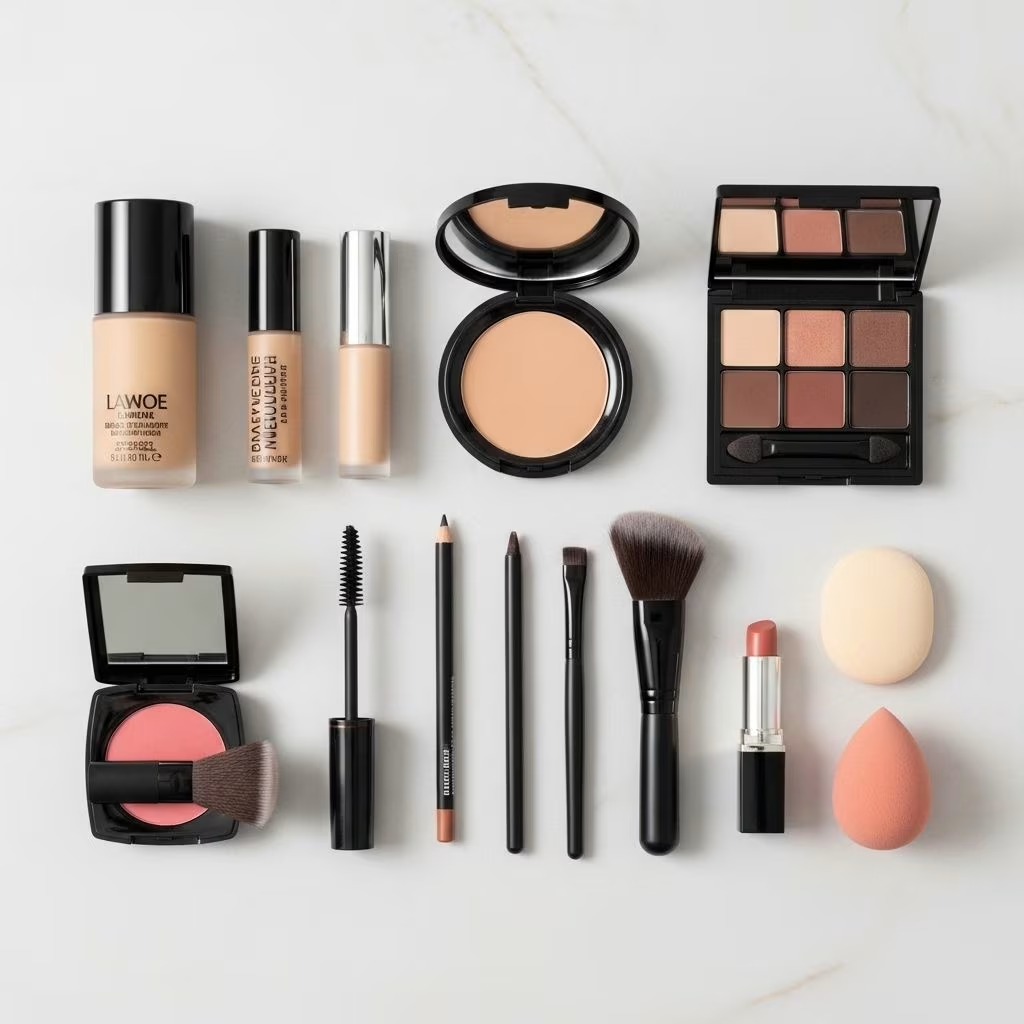
Beginning your journey into makeup can feel overwhelming with countless products, tools, and techniques available. But don’t worry—an easy, step-by-step approach will help you build confidence and create beautiful, simple looks. This comprehensive guide breaks down the must-have makeup products for beginners, explains their uses, and provides practical advice from experts so you can start experimenting with your best face forward.
Why Having the Right Starter Kit Matters
When you’re new to makeup, less really is more. Starting with a few versatile, quality essentials is smarter than buying every trending product you see online. A thoughtfully chosen routine helps you achieve natural, flawless looks and understand your preferences over time. This approach prevents wasted money, reduces clutter, and makes the process enjoyable instead of intimidating.
How to Choose Makeup as a Beginner
- Identify your goals: Do you want to hide blemishes, even out skin tone, define features, or just have fun?
- Consider your skin type: Assess if your skin is oily, dry, combination, or sensitive to select appropriate formulas.
- Start simple: Focus on core products and build your collection gradually as you gain confidence.
- Look for multitaskers: Some products work for multiple steps (e.g., a tinted moisturizer with SPF).
- Research shades: When in doubt, opt for shades that closely match your skin’s undertones and complexion for a natural effect.
The Must-Have Makeup Products for Beginners
This section breaks down essential makeup products most new users find helpful. Each product plays a specific role in achieving a simple, polished look.
1. Moisturizer and Primer
Before applying any makeup, skin prep is crucial. A gentle, hydrating moisturizer smooths and plumps the skin. For makeup longevity, a primer helps create a uniform base, filling in pores and fine lines so products apply evenly.
- Moisturizer: Hydrates and prevents flakiness.
- Primer: Smooths and blurs the skin. Choose one based on your skin’s needs (e.g., mattifying for oily skin, illuminating for dull skin).
2. Foundation or Tinted Moisturizer
Foundation is optional but helpful for those seeking an even complexion. As a beginner, lightweight formulas are easiest to work with.
- Tinted Moisturizer/BB Cream: Provides sheer, buildable coverage and feels undetectable. Best for everyday wear and natural looks.
- Lighter foundations: Look for hydrating and blendable textures in your closest color match.
- Application tip: Use your fingers or a damp makeup sponge for gentle, streak-free blending.
3. Concealer
Concealer brightens under-eye circles, hides blemishes, and covers redness or dark spots for a smooth complexion.
- Choose a creamy, blendable stick or liquid formula.
- Pick a shade close to your skin tone for blemishes; go half a shade lighter for under-eyes to brighten.
- Spot-apply only where you need extra coverage and blend gently with a fingertip or small brush.
4. Setting Powder
Setting powder keeps makeup in place, controls shine, and helps blur imperfections. Transparent or translucent versions work for most skin tones and avoid cakiness.
- Lightly dust over oily zones, especially the T-zone (forehead, nose, chin).
- Essential for long-lasting results, especially if you have oily or combination skin.
5. Blush
Blush adds life and color to your complexion, giving a healthy, radiant finish.
- Choose cream or powder formulas—creams appear natural and blend seamlessly while powders offer more buildable color.
- Select shades like peach, rose, or soft pink for a natural flush that complements most skin tones.
- Apply to the apples of your cheeks and blend upwards—less is more for a natural glow.
6. Bronzer (Optional)
Bronzer mimics a sun-kissed glow and adds warmth. It’s optional for beginners, but a light dusting can bring dimension to the face.
- Apply sparingly to the forehead, cheekbones, and jawline.
- Bake with caution—for a more natural effect, use a fluffy brush and build gradually.
7. Highlighter (Optional)
For luminous, radiant skin, highlighter is a favorite step, but it isn’t essential. A touch along the cheekbones, brow bone, and bridge of the nose creates subtle “glass skin” effects.
- Stick to champagne or soft gold shades for universal appeal.
- Avoid anything too glittery for daily wear; cream highlighters are typically more beginner-friendly.
8. Brow Products
Defined brows frame your face and polish any look. Most beginners will benefit from a simple brow pencil, powder, or gel matched to their hair color.
- Pencils create shape and definition.
- Brow gels keep hairs in place and can add subtle volume.
- If you’re nervous, choose tinted gels for a foolproof, soft effect.
9. Eyeshadow
Neutral eyeshadow palettes let you create endless looks without needing expert skills.
- Choose a small quad or palette with basics: beige, taupe, warm brown, and a shimmer.
- For daily wear, a quick sweep of a single shade on the lid is all you need.
- Shimmer or highlight shades brighten the inner corners or brow bone.
10. Eyeliner
Simple eyeliner pencils in brown or black define the lash line and enhance eye shape. Felt-tip pens make winged eyeliner easier for beginners.
- Gel and kohl pencils offer easy blending and are less intimidating than liquids.
- Start with a soft line close to the lashes—smudge for a daytime look, sharpen for drama.
11. Mascara
Mascara makes eyes look awake, opening them up with definition and length.
- Begin with a lengthening or volumizing mascara in black or brown.
- Apply to upper lashes, wiggling the wand from roots to ends. Enhance lower lashes for wider eyes.
- Waterproof formulas last longer but may require a gentle remover.
12. Lip Products
Beautiful lips can be achieved with just lip balm, gloss, liner, or lipstick. Start simple—nude and rosy tones flatter most skin types.
- Balms hydrate and preps lips before color.
- Glosses are forgiving and easy to reapply on the go.
- Mauve or rose lipstick creates a polished finish for any occasion.
- Lip liners help prevent feathering and add definition.
Optional & Nice-to-Have Extras
- Setting spray: Locks in makeup for all-day wear, reduces powdery finish.
- Contour kits: For shaping and sculpting, after gaining basic skills.
- Makeup sponges and brushes: Quality tools help blend and apply smoothly.
- Makeup remover: Gentle micellar water or cleansing balm ensures complete, safe removal at day’s end.
Building Your Starter Makeup Kit: Checklist for Beginners
| Product | Purpose | Tip |
|---|---|---|
| Moisturizer & Primer | Prepares & smooths skin | Choose for your skin’s needs (hydrating, mattifying) |
| Tinted Moisturizer or Foundation | Evens skin tone | Start light, build only where needed |
| Concealer | Covers imperfections | Use sparingly, one shade lighter under eyes |
| Powder | Sets makeup, controls shine | Dust on T-zone or oily areas only |
| Blush | Adds healthy color | Pick peachy or rosy tones for versatility |
| Mascara | Defines and opens eyes | Focus on upper lashes first |
| Lip Balm/Color | Hydrates & finishes look | Neutral shades are always wearable |
| Optional: Bronzer, Highlighter, Brow Gel | Adds dimension, glow and shape | Try one at a time to find your favorites |
Tips from Makeup Artists for Absolute Beginners
- Always do skin prep. Well-moisturized skin makes every product look better and last longer.
- Start with less—build as needed to avoid cakey or heavy makeup.
- Select products that feel good on your skin; discomfort can signal a mismatch.
- Practice blending—smooth edges with your fingers, brush or sponge for a natural finish.
- Lighting matters. Apply makeup near natural light for the best results.
- Don’t be afraid to try and make mistakes. Makeup is about experimentation and fun!
Step-by-Step Makeup Routine for Beginners
- Cleanse and moisturize: Preps your skin for makeup application.
- Apply primer: Smooths texture and prolongs wear.
- Even skin tone: Use tinted moisturizer or foundation where needed.
- Conceal: Cover under-eye circles and blemishes lightly.
- Set with powder: Especially in oily or high-movement zones.
- Add blush: Tap onto cheeks for a fresh look.
- Define brows: Fill with pencil or brush-up with gel.
- Use eyeshadow: Sweep one neutral tone or build layers for depth.
- Line eyes: Gently line upper lashes, smudging if needed.
- Apply mascara: Coat lashes for definition.
- Lip color: Finish with balm, gloss or lipstick.
Common Questions About Makeup for Beginners
What’s the difference between BB cream, tinted moisturizer, and foundation?
BB cream and tinted moisturizer offer light coverage with skincare benefits, ideal for everyday natural looks. Foundation usually has more coverage and a wider shade range but can feel heavier.
Is primer necessary for beginners?
Primer isn’t essential but makes makeup last longer and look smoother, especially if you have concerns about pores or oily areas.
Should I use my fingers or tools for applying makeup?
Fingers provide warmth for blending cream products easily, while brushes and sponges offer precision and seamless application—try both to see your preference.
How do I pick my perfect foundation shade?
Test a few shades along your jawline in natural light. The right shade should “disappear” into your skin with no obvious lines.
What’s the best way to build confidence using makeup?
Start basic: practice each step alone on a day off, then begin layering as you get comfortable. There are no rules—what matters most is finding what makes you feel confident and happy.
Beginner Makeup FAQs
Q: Can I skip foundation if my skin is clear?
A: Absolutely! Many people use just moisturizer, concealer, and powder for a natural look.
Q: How can I prevent my makeup from looking cakey?
A: Apply thin layers, blend thoroughly, and set only where your skin gets oily. Less is almost always more.
Q: What makeup should I carry in my bag for touch-ups?
A: Consider concealer, pressed powder, lip balm, and mini mascara for freshening up on the go.
Q: How do I remove makeup gently?
A: Use a micellar water or a fragrance-free cleansing balm, followed by a gentle face wash to ensure your skin is clean and healthy.
Final Words: Starting Your Makeup Journey
Makeup should enhance your natural beauty and confidence, never cover it. Begin with clean skin, simple steps, and the basics from this beginner’s guide, and you’ll soon discover the techniques and looks that feel best for you. Remember, the most important part of makeup is enjoying yourself and expressing your unique style.
References
- https://www.cosmopolitanme.com/gallery/the-ultimate-guide-to-every-single-makeup-product-used-in-friends
- https://www.youtube.com/watch?v=qebNAlHTIgA
- https://www.cosmopolitan.com/style-beauty/beauty/a25372431/what-order-to-apply-skincare-products/
- https://www.cosmopolitanme.com/beauty/19717-easy-daily-morning-make-up-routine-beauty-products
- https://www.cosmopolitan.com/uk/beauty-hair/makeup/a35517/beginners-guide-natural-makeup/
- https://www.youtube.com/watch?v=wYSDTI8Utj0