The Best Bonnet Hair Dryers for Salon-Quality Styling at Home
If you want to achieve that sleek, bouncy blowout or set perfectly defined curls without fuss, nothing beats the convenience of a bonnet hair dryer. Once a mainstay of salon chairs and vintage beauty parlors, these hands-free drying tools have become popular with at-home stylists looking for even, gentle drying, faster setting, or multi-tasking during styling routines. This guide breaks down the top bonnet dryer picks, explains how they work, outlines their pros and cons, and offers expert tips for every hair type and routine.
What Is a Bonnet Hair Dryer?
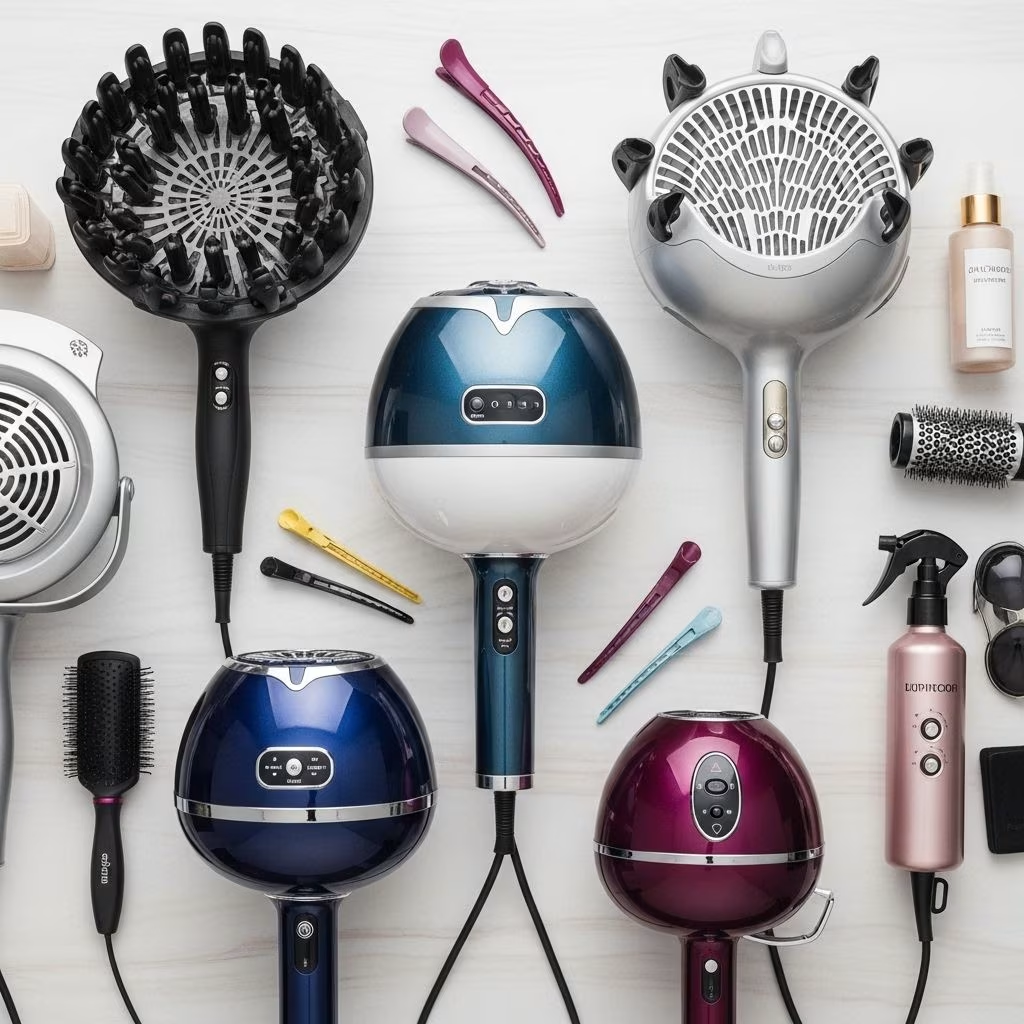
A bonnet hair dryer—sometimes called a hooded or cap dryer—is an appliance that lets you sit under or wear a fabric (soft) or hard plastic (hard) “hood” as warm air circulates evenly over your head. The classic image: a patron in a salon chair, rollers in place, flipping through a magazine while the dryer works its magic. Modern bonnet dryers come in portable soft bonnets you attach to your handheld dryer, standalone units, or salon-style hard hooded dryers for professional results at home.
- Hands-free convenience: Sit comfortably while your hair dries—no arm strain or awkwardly angling a handheld dryer.
- Even heat distribution: Air circulates gently but thoroughly, reducing the risk of hot spots and minimizing heat damage.
- Perfect for multi-step styling: Bonnet dryers are ideal for setting curls, deep treatments, diffusing natural hair, or drying larger roller sets.
Why Use a Bonnet Hair Dryer?
Bonnet dryers offer distinct benefits over traditional blow dryers:
- Effortless Styling: No balancing act—just sit and relax. Enjoy reading, working, or self-care while your style sets.
- Superior Drying for Sets and Treatments: Essential for roller sets, deep conditioning, and color processing, as the heat is distributed evenly across all parts of your hair.
- Reduced Damage: Gentle, controlled heat lowers the risk of breakage or frizz often caused by aggressive direct airflow.
- Perfect for All Hair Types: From vintage curls to natural texture to protective styling, these dryers work for straight, curly, textured, or loc’d hair.
Types of Bonnet Hair Dryers
| Type | Description | Pros | Cons |
|---|---|---|---|
| Soft Bonnet | Flexible, generally fabric bonnets attach to a hose from a portable unit or your own hair dryer. | – Lightweight, travel-friendly – Easily stored – Adjustable fit | – May shift on head – Less durable than hard bonnets |
| Hard Bonnet (Hooded) | Rigid plastic hood connected to a base or stand, often height-adjustable like salon models. | – Professional results – More consistent drying – Spacious interior for rollers | – Heavier – Larger footprint – Less portable |
| Attachment Bonnet | Soft caps designed to fit over your head and connect to your own existing blow dryer’s nozzle. | – Cost effective – Uses tool you already own – Space-saving | – May require perfect fit on dryer – Heat, airflow vary by dryer model |
The Best Bonnet Hair Dryers for Every Hair Routine
We’ve ranked top bonnet hair dryers for every need—whether your priority is value, powerful and fast drying, comfort, or space-saving convenience. Here’s what sets each apart:
1. TEPENAR Bonnet Hair Dryer Attachment: Best for Even Drying and Versatility
Highlights:
- Extra-large hood fits high volume or long hair
- Ventilation holes evenly distributed for balanced, thorough drying
- 39.4-inch stretchable hose offers flexibility in placement
- Made with durable, waterproof, easily washable material
Expert tip: The Tepenar edges out competitors like Granteva because of its superior heat distribution—no more hot spots at the crown and damp ends. It’s comfortable even for long drying sessions, and fits over large rollers or big styles with ease. A favorite for at-home styling or deep conditioning treatments.
Best for: Those wanting efficient, consistent results for roller sets, treatments, or natural textures.
2. Gold ‘N Hot Soft Bonnet Dryer: Classic Salon Vibes
Highlights:
- Compact design includes bonnet and integrated drying unit
- Cool, Low, Medium, and High heat settings
- Easy cord and bonnet storage—perfect for small spaces
Considerations: Some users may find the elastic in the bonnet too tight but it can be replaced with a drawstring for better comfort. Airflow is gentle, which makes it ideal for finer or more delicate hair, but may extend drying times for very thick or long locks.
3. Professional Hard Bonnet Hooded Dryer: For Salon-Grade Results
Highlights:
- Rigid hood design, height-adjustable stand
- Larger dome provides ample space for big rollers or volume
- Consistent, all-around heat results in quick, thorough drying
Best for: Users seeking maximum power, speed, and a true salon blowout at home. Requires more storage space but delivers unmatched results for structured styles.
4. Soft Bonnet Dryer Attachments: Budget and Space-Saving Favorites
- Granteva Bonnet: Good fit and price, but ventilation is focused up top—may result in uneven drying.
- Beaute Seoul Bonnet: Basic and affordable for quick sets, but less comfortable for extended use.
Tip: These options work best with handheld dryers that have a broader, fanned nozzle.
How to Use a Bonnet Hair Dryer: Step-by-Step
- Prep your hair: Gently towel-dry hair and apply any desired leave-in treatments or styling products.
- Set your style: Use rollers, curlers, rods, or simply section hair as needed.
- Fit the bonnet: Secure the bonnet or hood around your head, making sure all hair is covered.
- Adjust settings: Choose heat and airflow suitable for your hair type and desired style.
- Relax: Allow the dryer to work while you read, work, or watch TV. Avoid moving too much to prevent slipping if using a soft bonnet attachment.
- Finish: Once hair is dry, switch to the cool setting if available for extra shine and to help set your style.
What to Look for When Buying a Bonnet Hair Dryer
- Size and Fit: Ensure bonnet will accommodate your styling method (rollers, big hair, thick locks).
- Material Quality: Look for durable, breathable, washable fabrics (soft bonnets) or sturdy, well-ventilated plastics (hard bonnets).
- Heat and Airflow Settings: Multiple options provide tailored results for different hair types—bonus if there’s a ‘cool shot’ button.
- Portability: Some models store compactly or come with travel pouches.
- Usability: Long hoses and secure straps prevent shifting during use; easy-to-use controls are ideal for all experience levels.
Pros and Cons of Bonnet Hair Dryers vs. Traditional Dryers
| Bonnet Dryer | Traditional Handheld Dryer |
|---|---|
| Hands-free, relaxed drying | Requires constant movement and manual dexterity |
| Even, all-around airflow—great for sets and treatments | Focused airflow may not dry thick/curly hair evenly |
| Gentler, reduces risk of heat damage | Direct heat can lead to frizz or breakage if misused |
| Ideal for multitasking (reading, working) | Both hands occupied during styling |
| Less suited when in a hurry—can require longer drying session than a high-watt traditional dryer | Generally dries hair faster when used with skill |
Frequently Asked Questions (FAQs)
Q: Who should use a bonnet hair dryer?
A: Bonnet hair dryers are ideal for anyone seeking even, hands-free drying. They are especially great for people with curly, textured, natural, or very thick hair—in particular, those setting hair with rollers, rods, or doing deep-conditioning treatments at home.
Q: Can I use a bonnet dryer on wet hair?
A: Yes, but hair should be towel-dried first to remove excess moisture. Bonnet dryers work best when hair is damp rather than dripping wet, ensuring more efficient and even drying.
Q: Are bonnet hair dryers damaging to hair?
A: They are typically gentler than direct blow dryers since heat is diffused over a wider area, reducing the risk of localized heat damage and frizz when used correctly.
Q: How long does it take to dry hair with a bonnet dryer?
A: Time varies by hair thickness, style, and heat level, but most sets require 20-60 minutes. Using higher heat (with caution) or faster air flow can shorten the time, but always prioritize hair health.
Q: What’s the difference between a hard and soft bonnet dryer?
A: A hard bonnet dryer features a rigid hood and stand, delivering professional results and more even airflow—best for structured styles. Soft bonnets are portable, fabric-based, easy to store, and ideal for quick sets or limited space, but may offer less consistent results depending on fit and dryer model.
Expert Tips for Getting the Best Results
- Always use a heat protectant before drying to shield your hair from thermal stress.
- Choose the right heat setting: Lower for fine or damaged hair, higher for thick or coarse hair—always monitor comfort.
- Don’t overpack the bonnet: Give rollers or perm rods space for air circulation.
- Switch to cool air at the end to help lock in shine and set your style.
- Clean the bonnet (or hood) regularly to avoid product buildup and ensure even airflow.
Who Should Skip a Bonnet Dryer?
- Very short hair that air-dries quickly
- Those styling in a rush who prefer direct, high-speed blowouts
- Anyone unwilling to sit still—bonnet drying is a commitment to leisurely styling
Summary: Is a Bonnet Hair Dryer Worth It?
If your styling routine involves sets, treatments, or you crave an authentic salon experience at home, a bonnet hair dryer is a smart investment in hair health and finish. With options for every budget and need, there’s a model out there to create the look you want, safely and hands-free—all while you work, relax, or lounge in style.
References
- https://www.beautybloggers.org/what-is-a-bonnet-hair-dryer-and-what-are-the-pros-and-cons-of-using-one/
- https://lionlocs.com/blogs/review/best-hair-dryer-for-locs
- https://vintagehairstyling.com/bobbypinblog/2024/10/hood-hair-dryers-which-one-is-right-for-you-tested-and-reviewed.html
- https://sharperimage.com/products/professional-soft-bonnet-hair-dryer
- https://www.womanandhome.com/beauty/hair-dryer-hood-benefits-why-you-need-to-be-using-one-in-your-routine/
- https://www.hair.com/hooded-dryer.html
- https://keller4salon.com/blogs/keller-international-blog/understanding-how-hooded-hair-dryers-work