Best Foot Peel Masks for Smoother, Healthier Feet
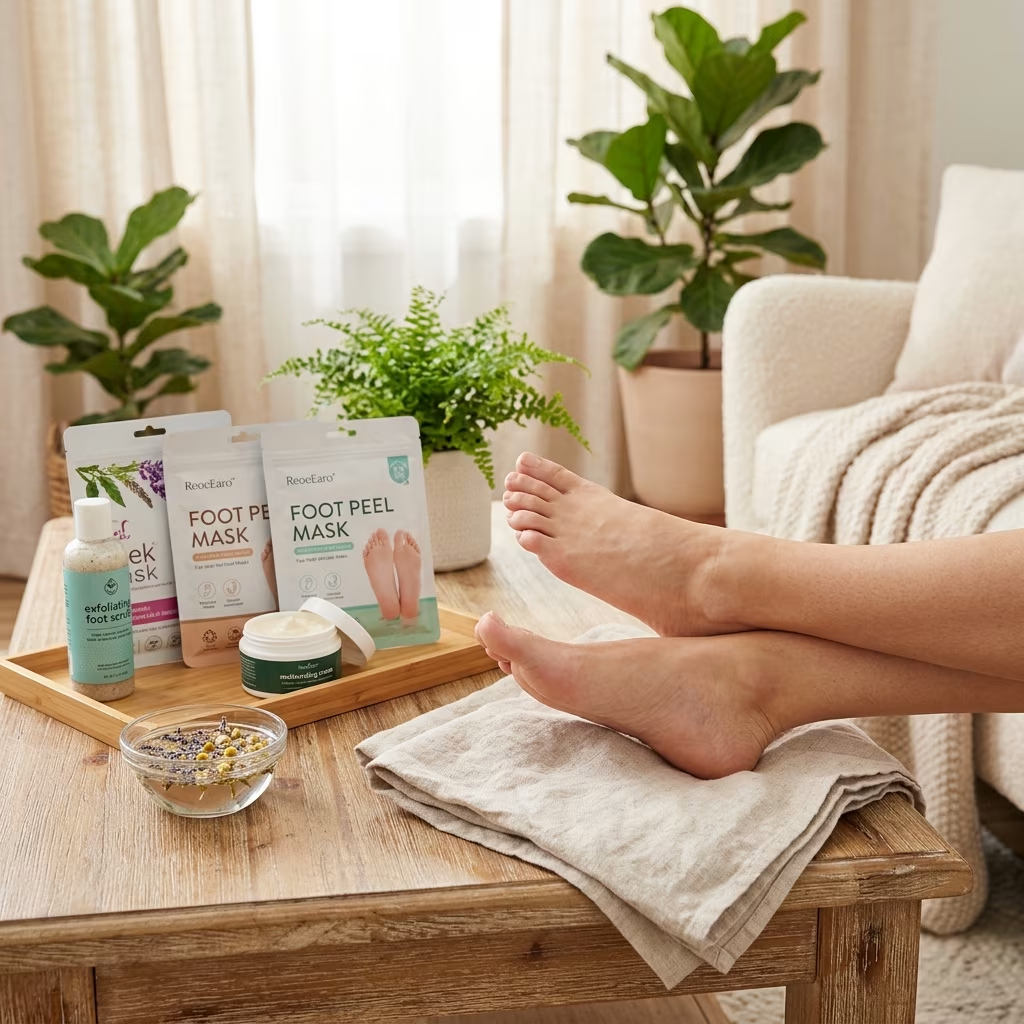
Dermatologist-tested, highly rated foot peel masks have been trending in the beauty world, with thousands of users sharing satisfying results on social media. Whether you’re dealing with stubborn calluses, dry patches, or simply seeking softer feet, foot peel masks promise a refreshingly simple at-home solution. This comprehensive guide explores top foot peel masks, expert opinions, proper usage, and essential aftercare tips to deliver spa-quality feet safely and comfortably.
Why Use a Foot Peel Mask?
Your feet bear the brunt of daily wear and tear, often developing rough skin, calluses, and dryness. Unlike ordinary moisturizers, foot peel masks leverage chemical exfoliants to dissolve dead skin cells and encourage intense peeling, unveiling smoother, healthier skin beneath. In addition to exfoliation, many masks incorporate hydrating and soothing ingredients, offering a comprehensive foot care experience.
- Target stubborn calluses and thick rough skin.
- Hydrate dry, crack-prone areas with emollients.
- Boost skin cell renewal for soft, touchable feet.
- Convenience: No spa appointment required—results at home.
How Foot Peel Masks Work: Ingredients & Mechanisms
Most foot peel masks are disposable plastic ‘booties’ lined with a gel containing potent exfoliating acids. After a single application, these acids dissolve dead skin, and the peeling process typically starts within a few days, continuing for up to two weeks.
- Alpha Hydroxy Acids (AHAs) – Glycolic and lactic acid break down the bonds holding dead skin cells together, allowing them to shed more easily.
- Beta Hydroxy Acids (BHAs) – Such as salicylic acid, penetrate deeper to dislodge debris from pores.
- Natural extracts – Papaya for gentle cleansing, peach kernel oil for regeneration, aloe for moisturization, and oatmeal for soothing sensitive skin.
- Moisturizers – Shea butter, hyaluronic acid, collagen, and botanical oils hydrate and repair.
Top-Rated Foot Peel Masks
Below, we’ve rounded up some of the best-selling and professionally recommended foot peel masks. Each offers unique benefits, whether your goal is intensive exfoliation, gentle hydration, or plant-powered renewal.
| Product | Main Ingredients | Benefits | Best For |
|---|---|---|---|
| Plantifique Peach Foot Peel Mask | Papaya, Aloe, Peach Kernel Oil | Moisturizes, cleanses, sloughs dry skin, promotes cell regeneration | Standard exfoliation, dermatologically tested |
| CALA Sea Salt Moisturizing Foot Mask | Sea Salt, Plant Extracts | Moisturizes, soothes in 20 minutes | Quick, affordable hydration |
| VOESH New York Exfoliating Peeling Socks | AHAs/BHAs from Milk & Sugar Cane | Vegan, organic deep exfoliation | Vegan & cruelty-free shoppers |
| LAPCOS Peppermint Foot Mask | Peppermint Oil, Lavender Oil | Soothes, refreshes, moisturizes cracked feet | Refreshing, aromatic treatment |
| Patchology PoshPeel Pedi Cure | Advanced AHAs, BHAs, Botanical Extracts | Deeply exfoliates, softens surface | Damaged, callused feet |
| Baby Foot Moisturizing Foot Mask (Non-Peeling) | Collagen, Hyaluronic Acid, Plant Extracts | Gentle hydration without peeling | Extra moisture post-peel or sensitive skin |
| Aveeno Repairing CICA Foot Mask | Shea Butter, Oats | Moisturizes, soothes extra-dry, sensitive skin | Very sensitive or allergy-prone feet |
Expert Insight: What Dermatologists Say
Foot peel masks are generally safe for healthy adults when used as directed. Dermatologists recommend choosing formulas tested for safety and avoiding overuse to prevent irritation.
- AHAs & BHAs: According to medical advisors, these acids exfoliate dead skin and stimulate new growth, but can cause sensitivity if overused.
- Hydrating blends: Masks with additional moisturizers like hyaluronic acid and shea butter help minimize dryness or discomfort post-peel.
- Sensitive skin: Opt for fragrance-free, hypoallergenic masks such as Aveeno CICA if prone to irritation.
- Patch test: Always perform a patch test to rule out allergies or sensitivity before full application.
Step-by-Step Guide: How to Use a Foot Peel Mask
Proper application enhances results and reduces the risk of excess irritation. Follow these steps for maximum efficacy.
- Remove Nail Polish: Start with clean, polish-free toenails using remover.
- Soak Your Feet: Place feet in lukewarm water (10–20 minutes) to soften skin and boost mask penetration.
- Apply Mask: Secure pre-lined booties or socks on feet, using tabs or adhesive strips as provided.
- Wait: Leave mask on per instructions, typically 60–90 minutes. For comfort, cover mask booties with fuzzy socks.
- Rinse: Remove mask and wash feet gently with soap and water.
- Moisturize: Apply lotion or foot cream to replenish hydration.
- Daily Soaks: For the next week, soak your feet daily for 10–20 minutes to accelerate peeling.
- Be Patient: Peeling usually begins within several days but may take up to two weeks to finish.
- Let It Peel: Avoid manually removing peeling skin; allow natural exfoliation to occur. Wear socks to keep shedding skin contained.
Tips for Maximizing Results and Comfort
- Do not use on broken or inflamed skin.
- Avoid using more than once a month.
- Apply masks at night to prevent disruption to your daily routine.
- Pair with non-peeling foot masks for extra hydration between treatments.
- Store in a cool, dry place away from direct sunlight to preserve mask potency.
What to Expect: Results and Timeline
Most users see dramatic peeling and improvement in skin smoothness over the course of two weeks, with optimal results typically visible three to four weeks after initial use.
- Day 1–3: Feet may feel softer with no visible peeling.
- Day 4–7: Peeling begins, skin sheds in sheets or flakes.
- Day 8–14: Majority of peeling complete, skin feels notably smoother.
- Post-peel: Moisturize routinely and avoid reapplication until next month.
Frequently Asked Questions (FAQs)
Q: Are foot peel masks safe for everyone?
A: While most healthy adults can use foot peel masks safely, those with diabetes, open sores, eczema, or fungal infections should avoid use or consult a physician before proceeding.
Q: How often should I use foot peel masks?
A: Depending on the product, once every four to six weeks is usually ideal. Overuse can lead to irritation or skin damage.
Q: My feet aren’t peeling—did the mask fail?
A: Peeling varies depending on skin type and product strength. Soaking feet daily post-treatment helps activate the peeling process. In rare cases, minimal peeling may still result in softer skin.
Q: Can I speed up the peeling process?
A: Only soak your feet daily and avoid manually pulling skin. Forcing skin to peel may cause rawness or infection.
Q: Do I need a separate moisturizer after a foot peel mask?
A: Yes; using lotion or foot cream promotes healing, reduces dryness, and prolongs the smooth feel of your feet.
Choosing the Right Mask for Your Feet
Assess your skin’s needs before selecting a mask. Strong exfoliating formulas are well-suited for persistent calluses, while gentle masks may be best for dry, sensitive skin. Consider the following:
- Exfoliation Intensity: Strong peels use AHAs and BHAs. Sensitive formulas lean on moisturizing ingredients.
- Certifications: Vegan, cruelty-free, dermatologist-tested labels increase consumer confidence.
- User Reviews: Products with thousands of positive reviews and high ratings are often most reliable.
- Price Point: Higher-priced masks may deliver advanced ingredients or larger quantities; budget-friendly options work well for routine maintenance.
Aftercare and Maintenance Tips
Post-peel care is crucial to extend soft results and prevent problems.
- Moisturize daily with a nourishing foot balm or lotion.
- Avoid harsh scrubs or exfoliants immediately following a peel.
- Limit re-exposure to mask formulas to once monthly, or as directed.
- Wear comfortable, breathable socks to reduce friction and protect peeling skin.
- Monitor for signs of irritation: Redness, pain, or excessive dryness warrant discontinuation or professional advice.
When Not to Use Foot Peel Masks
- Open wounds or cuts: Foot peels can worsen skin damage and cause infection.
- Fungal infections or athlete’s foot: May exacerbate symptoms or prevent healing.
- Severe eczema or psoriasis: Irritating acids could trigger flares.
- Pregnancy or diabetes: Seek medical advice before use, as foot sensitivity and healing may be affected.
Conclusion
Foot peel masks offer an easy, effective way to remove rough skin and renew your feet. When selected and applied carefully, they can deliver dramatic, spa-worthy results in just weeks. Always read instructions, start with a patch test, and enjoy pampered, smoother feet with regular care. Remember to supplement peels with moisturizing treatments to maintain optimal softness and comfort year-round.
References
- https://www.lorealparisusa.com/beauty-magazine/skin-care/skin-care-concerns/foot-peel-mask
- https://www.prevention.com/beauty/skin-care/g41412059/best-foot-peel-masks/
- https://www.prevention.com/health/health-conditions/a39096574/why-are-my-feet-peeling/
- https://www.prevention.com/beauty/a20428276/coconut-oil-cures-for-your-skin-and-hair/
- https://www.mayoclinic.org/healthy-lifestyle/consumer-health/expert-answers/detox-foot-pads/faq-20057807
- https://www.youtube.com/watch?v=BaaxN6rYFTU