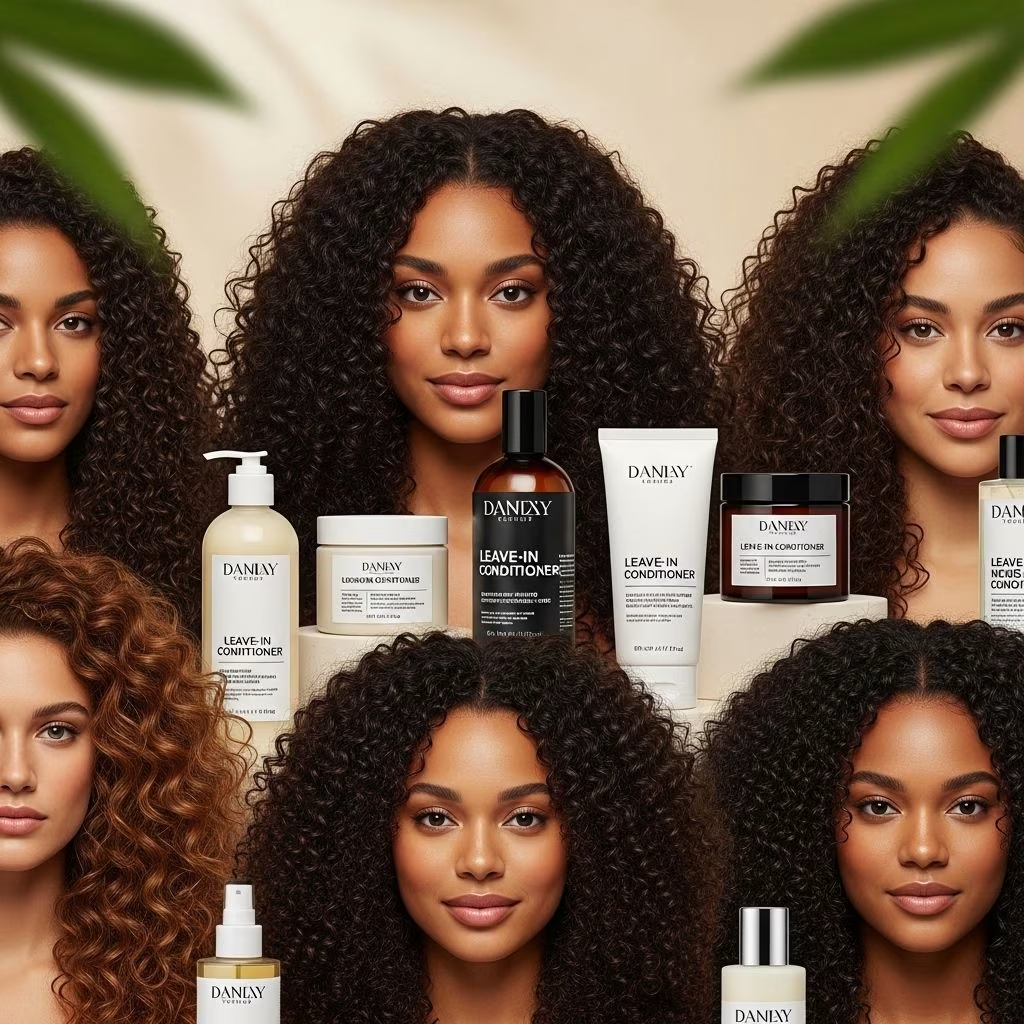
Curly hair demands special attention, and one of the most crucial products in any curl-care routine is a quality leave-in conditioner. This multi-tasking product serves as the foundation for healthy, defined, and frizz-free curls by providing continuous moisture, protection, and nourishment throughout the day. Whether you’re dealing with loose waves, tight coils, or anything in between, the right leave-in conditioner can transform your hair care routine and revolutionize how your curls look and feel.
Leave-in conditioners work differently than traditional rinse-out conditioners because they remain in your hair, providing ongoing benefits long after application. They create a protective barrier against environmental stressors, seal in moisture, reduce tangles, and prepare your curls for styling products. For curly-haired individuals who struggle with dryness, frizz, or lack of definition, incorporating a leave-in conditioner into your routine is absolutely essential for achieving your best curl results.
Why Leave-In Conditioners Are Essential for Curly Hair
Curly hair has a naturally drier texture compared to straight hair because the natural oils produced by your scalp have difficulty traveling down the twists and turns of each curl. This inherent dryness makes curly hair more susceptible to breakage, frizz, and damage. Leave-in conditioners address these challenges by delivering concentrated hydration that penetrates deep into the hair shaft and remains sealed in throughout the day.
Beyond moisture, leave-in conditioners provide strengthening properties that help restore damaged curls and improve overall hair health. Many formulations contain proteins, vitamins, and nourishing ingredients that fortify hair strands from within, reducing split ends and promoting length retention. This is particularly important for those with high porosity hair, which loses moisture rapidly and requires extra support to maintain structural integrity.
Another significant benefit is the detangling power that leave-in conditioners offer. Curly hair is prone to tangling, especially when wet, and forcing a brush through knots can cause significant breakage. A quality leave-in conditioner provides slip, making it easier to gently work through tangles with minimal damage. This smooth texture also creates the perfect base for layering additional styling products, allowing gels, creams, and mousses to distribute more evenly throughout your hair.
Leave-in conditioners also assist with curl definition and frizz control, two of the most sought-after benefits for curly-haired individuals. By coating each strand with moisturizing ingredients, these products help curls clump together naturally, creating more defined patterns and reducing the wispy, undefined look that can occur with dry hair. The protective coating also shields hair from humidity, which is the primary culprit behind frizz, helping your curls stay smooth and polished throughout the day.
Understanding Your Hair Porosity Type
Before selecting a leave-in conditioner, it’s crucial to understand your hair’s porosity level, as this determines how your hair absorbs and retains moisture. Hair porosity refers to your hair’s ability to absorb and hold onto moisture, and it’s typically categorized into three types: low, medium, and high porosity. Knowing your porosity type will help you choose products with the right weight and formulation for your specific needs.
Low porosity hair has tightly closed cuticles that resist moisture penetration. If you have low porosity hair, you’ll notice that water beads up on your strands rather than being quickly absorbed, and products tend to sit on top of your hair rather than soaking in. For this hair type, lightweight, water-based leave-in conditioners work best because they can penetrate the cuticle without causing buildup. Look for formulations that are free from heavy oils and butters, as these can weigh down your hair and create a greasy appearance.
High porosity hair has cuticles that are widely spaced or damaged, allowing moisture to enter easily but also escape just as quickly. This hair type often feels dry shortly after moisturizing and may appear rough or straw-like in texture. High porosity hair benefits from thicker, creamier leave-in conditioners that contain proteins and heavier moisturizing ingredients to fill in gaps in the cuticle and seal moisture inside. These richer formulations help prevent moisture loss and provide the intensive nourishment that high porosity curls require.
Medium porosity hair represents the ideal balance, with cuticles that allow moisture to enter relatively easily while also retaining it well. If you have medium porosity hair, you have more flexibility in your product choices and can experiment with various textures and formulations to find what works best for your specific curl pattern and styling preferences.
Top Leave-In Conditioners for Low Porosity Curls
Low porosity hair requires carefully selected products that provide moisture without overwhelming the hair shaft. The goal is to find lightweight formulations that can penetrate the tightly closed cuticles while avoiding buildup that can make hair appear dull and lifeless.
Kinky Curly Knot Today Leave-In Conditioner stands out as an exceptional choice for low porosity curls. This cult-favorite product has a lightweight, slippery consistency that makes detangling effortless while providing just enough moisture without weighing hair down. The water-based formula absorbs quickly into the hair shaft, and its gentle ingredients make it suitable for daily use. Many users with low porosity hair report that this leave-in doesn’t leave any residue or buildup, making it perfect for those who struggle with products sitting on top of their hair.
Shea Moisture Raw Shea Butter Extra-Moisture Detangler offers a slightly richer option while still being appropriate for low porosity hair. This nourishing formula contains sea kelp and argan oil, which provide essential nutrients without excessive heaviness. The detangling properties are particularly impressive, allowing you to work through knots with ease while infusing hair with moisture. Despite containing shea butter, the formulation is balanced to avoid overwhelming low porosity strands, making it a versatile option for those who need a bit more body than ultra-lightweight products provide.
Shea Moisture Jamaican Black Castor Oil Leave-In Conditioner is another excellent choice that incorporates keratin to strengthen hair strands while maintaining a texture that works well for low porosity hair. The Jamaican black castor oil helps add bounce and elasticity to curls without creating buildup, and the keratin protein provides reinforcement to prevent breakage. This leave-in is particularly beneficial for those with low porosity hair who are experiencing thinning or damage, as it addresses both moisture and strength needs simultaneously.
Best Leave-In Conditioners for High Porosity Hair
High porosity hair requires more intensive moisturizing treatments to compensate for its inability to retain moisture effectively. The best leave-in conditioners for this hair type feature rich, creamy textures and include ingredients that seal the cuticle and prevent moisture loss throughout the day.
Shea Moisture Manuka Honey & Yogurt Leave-In Conditioner is specifically formulated for damaged, high porosity curls. This protein-rich formula combines the humectant properties of manuka honey with the nourishing benefits of yogurt to deliver intense hydration while strengthening compromised hair strands. The creamy texture coats each curl thoroughly, filling in gaps in the cuticle and creating a protective barrier against moisture loss. Users with high porosity hair often report that this leave-in significantly improves hair softness and reduces the straw-like texture that can plague damaged curls.
Mielle Organics Pomegranate & Honey Leave-In Conditioner offers exceptional moisture-sealing properties that are crucial for high porosity hair. The pomegranate extract provides antioxidant protection while honey attracts and retains moisture, creating a powerful combination that keeps curls hydrated for extended periods. This leave-in also helps with curl definition and smoothness, reducing the frizzy appearance that high porosity hair is prone to developing. The formula strikes an excellent balance between rich moisture and a non-greasy finish, making it suitable for various high porosity curl patterns.
Camille Rose Curl Love Moisture Milk delivers a buttery, luxurious texture that high porosity curls absolutely love. This deeply nourishing leave-in penetrates the hair shaft to deliver intensive moisture while also providing slip for easy detangling. The rich formulation contains a blend of botanical extracts and natural oils that work together to soften and smooth even the most damaged, porous hair. Many users describe their hair as feeling transformed after using this product, with significantly improved texture, shine, and manageability.
How to Apply Leave-In Conditioner for Maximum Benefits
Proper application technique is just as important as choosing the right product. To maximize the benefits of your leave-in conditioner, start with freshly washed, conditioned hair that has been gently squeezed or microfiber-towel dried to remove excess water. Your hair should be damp but not dripping wet, as this allows the leave-in conditioner to distribute evenly without being diluted too much by water.
Divide your hair into manageable sections—typically four to six sections depending on your hair’s thickness and length. This ensures that every strand receives adequate product coverage. Dispense an appropriate amount of leave-in conditioner into your palms (start with a quarter-sized amount and adjust as needed) and rub your hands together to warm and emulsify the product.
Apply the leave-in conditioner using a raking and smoothing motion, working from the ends of your hair up toward the roots. Focus the majority of product on your ends, which tend to be the driest and most damaged part of your hair. Use your fingers to gently detangle as you go, taking advantage of the slip that the leave-in conditioner provides. For extra definition, you can use the praying hands method, pressing your palms together with hair sandwiched between them and sliding down the length of each section.
Once the leave-in is distributed throughout your hair, you can proceed with your regular styling routine. The leave-in conditioner creates an excellent foundation for additional products like curl creams, gels, or mousses, helping them work more effectively and preventing crunchiness or flaking. Some people prefer to scrunch their hair after applying leave-in conditioner to encourage curl formation, while others find that smoothing works better for their particular curl pattern.
Key Ingredients to Look for in Leave-In Conditioners
Understanding beneficial ingredients helps you make informed decisions when shopping for leave-in conditioners. Humectants like glycerin, honey, and aloe vera are moisture-attracting ingredients that draw water into the hair shaft, providing lasting hydration. These are particularly effective in humid climates but should be used cautiously in very dry environments where they might pull moisture from your hair instead of the air.
Proteins such as keratin, silk amino acids, and hydrolyzed wheat protein strengthen hair by filling in gaps in damaged cuticles and reinforcing the hair’s structure. Protein is especially beneficial for high porosity, color-treated, or chemically processed hair that has sustained damage. However, be mindful not to overuse protein-rich products, as too much protein can make hair stiff and brittle.
Natural oils and butters like argan oil, coconut oil, jojoba oil, and shea butter provide moisture and create a protective seal around the hair shaft. These ingredients are particularly important for high porosity hair that needs help retaining moisture. Lighter oils work well for low porosity hair, while richer butters are better suited for high porosity or very coarse hair textures.
Slip agents such as behentrimonium methosulfate and cetyl alcohol are conditioning ingredients that provide the slippery texture that makes detangling easy. These ingredients reduce friction between hair strands, minimizing breakage during styling and helping products distribute more evenly through your curls.
Common Mistakes to Avoid When Using Leave-In Conditioners
One of the most frequent mistakes is using too much product, which can lead to buildup, greasiness, and limp curls. Start with a small amount and gradually increase if needed—you can always add more product, but removing excess is much more difficult. Pay attention to how your hair responds and adjust accordingly based on factors like hair density, porosity, and length.
Another common error is applying leave-in conditioner to soaking wet hair. While damp hair is ideal for product application, hair that’s too wet will dilute the leave-in conditioner, reducing its effectiveness. Take time to remove excess water before applying products to ensure they can work at full strength.
Many people make the mistake of neglecting their roots entirely or, conversely, applying too much product at the scalp. Your roots typically need less product than your ends, as they’re newer growth and closer to the scalp’s natural oils. Focus product application on mid-lengths to ends, using any residual product on your hands for the root area if needed. Overloading your roots can lead to greasiness and limp curls near the scalp.
Failing to match your leave-in conditioner to your porosity type is another critical mistake that can undermine your entire curl routine. Using heavy, butter-based products on low porosity hair leads to buildup and dullness, while lightweight products won’t provide enough moisture for high porosity curls. Understanding your hair’s needs and selecting products accordingly makes a dramatic difference in results.
Building a Complete Curly Hair Care Routine
While leave-in conditioner is essential, it’s just one component of a comprehensive curly hair care routine. A complete routine typically includes cleansing, conditioning, treating, moisturizing, and styling steps that work together synergistically to maintain healthy, beautiful curls.
Cleansing should be done with sulfate-free shampoos or co-washing (using conditioner to cleanse) to avoid stripping natural oils from your hair. The frequency of cleansing depends on your hair type, lifestyle, and product usage, but many curly-haired individuals find that washing once or twice per week is sufficient.
Deep conditioning treatments should be incorporated weekly or bi-weekly to provide intensive moisture and repair. These treatments penetrate deeper than regular conditioners and can address specific concerns like damage, dryness, or protein deficiency. Using heat with deep conditioners enhances penetration and effectiveness.
After applying leave-in conditioner, styling products like curl creams, gels, or mousses help define curls and provide hold. Layer these products on top of your leave-in conditioner, using techniques like scrunching, raking, or shingling depending on your desired results. The leave-in conditioner ensures that styling products distribute evenly and prevents them from causing dryness or crunchiness.
Nighttime protection is crucial for maintaining your curls between wash days. Sleeping on a silk or satin pillowcase or using a silk bonnet helps prevent friction, frizz, and breakage while you sleep. Some people also apply a small amount of leave-in conditioner before bed to refresh curls and provide overnight moisture.
Seasonal Adjustments for Your Leave-In Conditioner Routine
Your hair’s needs change with the seasons, and adjusting your leave-in conditioner routine accordingly ensures optimal results year-round. During winter months, cold air and indoor heating can be particularly drying to curly hair. You may need to switch to a richer, more moisturizing leave-in conditioner or apply slightly more product than usual to combat increased dryness.
Summer presents different challenges, with humidity causing frizz and sun exposure potentially damaging hair. Look for leave-in conditioners with anti-humidity properties and consider formulations that include UV protection to shield your curls from sun damage. You might also prefer lighter textures during hot weather to avoid feeling weighed down or greasy.
Spring and fall often bring fluctuating weather conditions that can confuse your hair. During these transitional seasons, pay close attention to how your hair responds and be prepared to switch between products or adjust application amounts based on daily weather conditions. Keeping both a lighter and richer leave-in conditioner on hand gives you flexibility to adapt to changing environmental factors.
Frequently Asked Questions About Leave-In Conditioners for Curly Hair
Q: How often should I use leave-in conditioner on my curly hair?
A: Most people with curly hair benefit from using leave-in conditioner every time they wash their hair, which is typically once or twice per week. You can also use it for mid-week refreshes by lightly dampening your hair with water and applying a small amount of leave-in conditioner to revive curls and add moisture.
Q: Can I use leave-in conditioner on dry hair?
A: Yes, leave-in conditioner can be applied to dry hair for refreshing purposes, though it works most effectively on damp hair. When applying to dry hair, use a lighter hand and consider mixing it with water in a spray bottle for easier distribution and to avoid product buildup.
Q: What’s the difference between leave-in conditioner and regular conditioner?
A: Regular conditioners are designed to be rinsed out after a few minutes and typically contain higher concentrations of conditioning agents. Leave-in conditioners have lighter formulations specifically created to remain in your hair without causing buildup or weighing curls down, providing ongoing moisture and protection throughout the day.
Q: Will leave-in conditioner make my fine curly hair greasy?
A: Not if you choose the right product and use the correct amount. Fine-haired individuals should opt for lightweight, water-based leave-in conditioners and start with a very small amount, focusing primarily on the ends rather than the roots. Products specifically labeled for fine hair are formulated to provide moisture without heaviness.
Q: Can I skip regular conditioner and just use leave-in conditioner?
A: While leave-in conditioner is beneficial, it shouldn’t completely replace your rinse-out conditioner. Regular conditioner provides more intensive conditioning during your wash routine, while leave-in conditioner maintains moisture between washes. Using both products in conjunction provides the best results for curly hair.
Q: How do I know if I’m using too much leave-in conditioner?
A: Signs of using too much product include hair feeling heavy or greasy, curls appearing limp or undefined, product residue visible on your hair, or buildup developing on your scalp. If you notice these issues, reduce the amount you’re using and ensure you’re thoroughly distributing product throughout your hair rather than concentrating it in certain areas.
Q: Should I apply leave-in conditioner before or after other styling products?
A: Leave-in conditioner should be applied first, immediately after washing and conditioning your hair while it’s still damp. This creates a moisturized foundation that allows styling products like curl creams, gels, or mousses to work more effectively when layered on top.
Q: Are spray leave-in conditioners as effective as cream formulas?
A: Both spray and cream formulas can be effective, but they serve slightly different purposes. Spray leave-ins are typically lighter and better for fine hair or refreshing curls mid-week, while cream formulas provide more intensive moisture and work better for thick, coarse, or high porosity hair. Choose based on your specific hair needs and preferences.