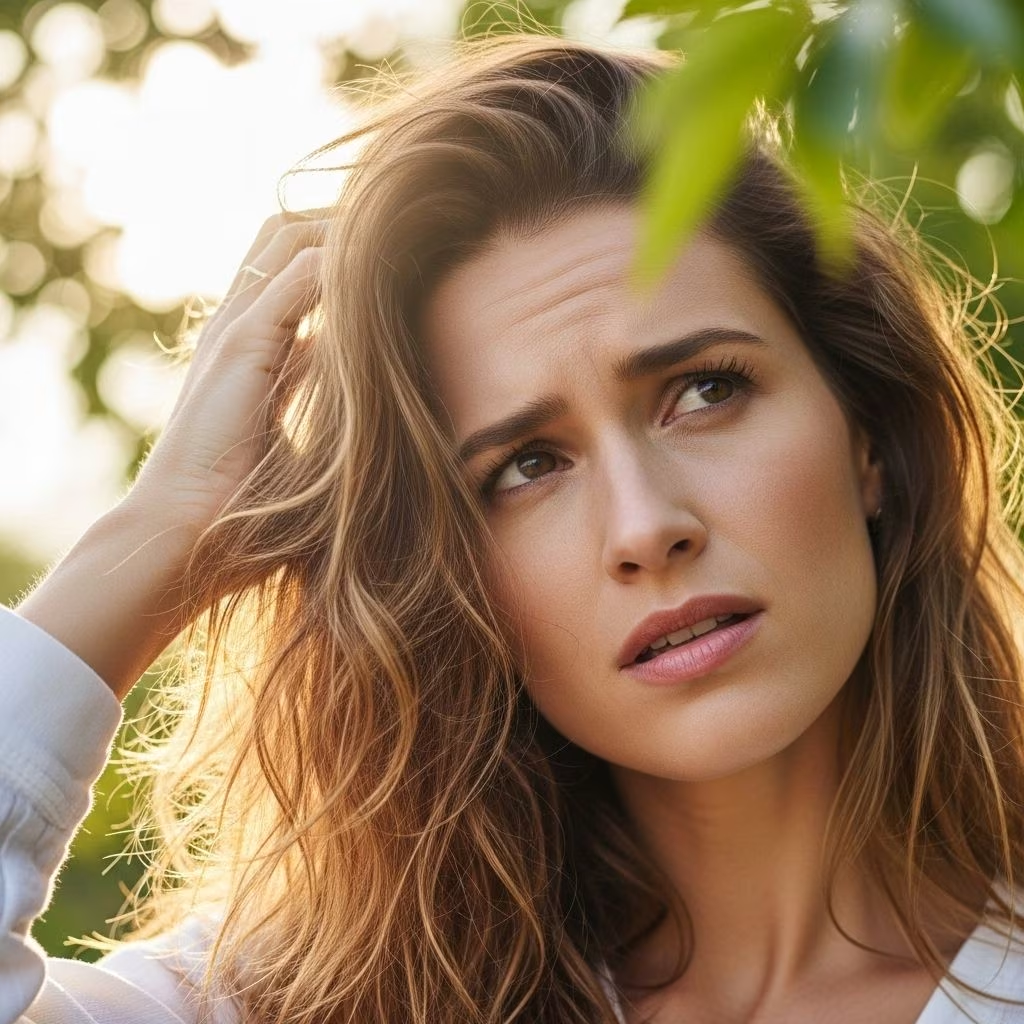
Struggling to keep your hair moisturized, shiny, and soft despite trying every treatment out there? If your products seem to sit on top of your strands or your hair repels water when wet, low porosity hair might be the reason. This comprehensive guide is packed with the best low porosity hair products, expert application tips, and science-backed answers to your burning questions so you can finally achieve your healthiest hair ever.
What Is Low Porosity Hair?
Hair porosity refers to how well your hair absorbs and retains moisture. With low porosity hair, the cuticle (the outermost layer of your hair) is tightly packed and flat, making it difficult for water and products to penetrate the hair shaft. Moisture often beads up on the surface or takes a long time to sink in, which can lead to dryness, product buildup, and dullness.
Low porosity is common in all hair types, but especially among those with curly or coily textures. You can have low, medium, or high porosity hair, and knowing your type will allow you to choose the right products and care routine for maximum hydration and shine.
How to Tell If You Have Low Porosity Hair
- The Water Test: Drop a shed hair strand into a glass of water. If it floats on top and only slowly sinks (or not at all), you likely have low porosity hair.
- Product Build-Up: If styling creams, oils, or conditioners sit on your hair or take a long time to absorb, this is a major indicator.
- Difficult to Wet: Does water bead up or roll off your hair in the shower?
- Takes Long to Dry: Paradoxically, low porosity hair often takes a long time to air dry because the cuticle resists moisture both in and out.
What Does Low Porosity Hair Need?
Hydration is key—but not just any kind. Since the cuticle is tightly packed, heavy or oily products tend to sit on top, leading to buildup and dullness. Low porosity hair flourishes with:
- Lightweight, water-based leave-ins and stylers
- Gentle clarifying shampoos to prevent product buildup
- pH-balanced, humectant-rich conditioners (look for ingredients like glycerin and honey)
- Occasional heat or steam when deep conditioning to help lift the cuticle and enhance absorption
Avoid frequent use of heavy oils and butters, silicone-based products, and protein treatments with large molecules, as these can lead to dryness and further buildup.
Best Practice Routine for Low Porosity Hair
- Pre-shampoo: Apply a lightweight, non-greasy oil or a hydrating mist to prime your hair for cleansing. If you use heat, opt for a warm towel wrap or a shower steam session to gently raise the cuticle.
- Clarifying Shampoo (weekly): Use a gentle clarifying or chelating shampoo once a week to remove product buildup. Pick formulas that are not overly stripping.
- Hydrating Cleanser (regular washes): Alternate with a sulfate-free, water-based shampoo packed with humectants such as aloe vera or glycerin.
- Conditioner Application: Keep hair damp with warm water as you apply a light conditioner in small sections. Use hands or a wide-tooth comb to ensure even distribution.
- Deep Conditioning (monthly): For best results, deep condition with gentle heat (hooded dryer, steamer, or cap) to open the cuticle and let the treatment do its work.
- Lightweight Leave-In: Choose sprays, milk, or serums formulated for easy absorption. Avoid thick creams unless used minimally and rinsed out thoroughly on your next wash.
- Seal and Style: Mist lightly with water and seal ends with a small amount of a light oil or serum if needed. Always style with light hands and avoid over-layering products.
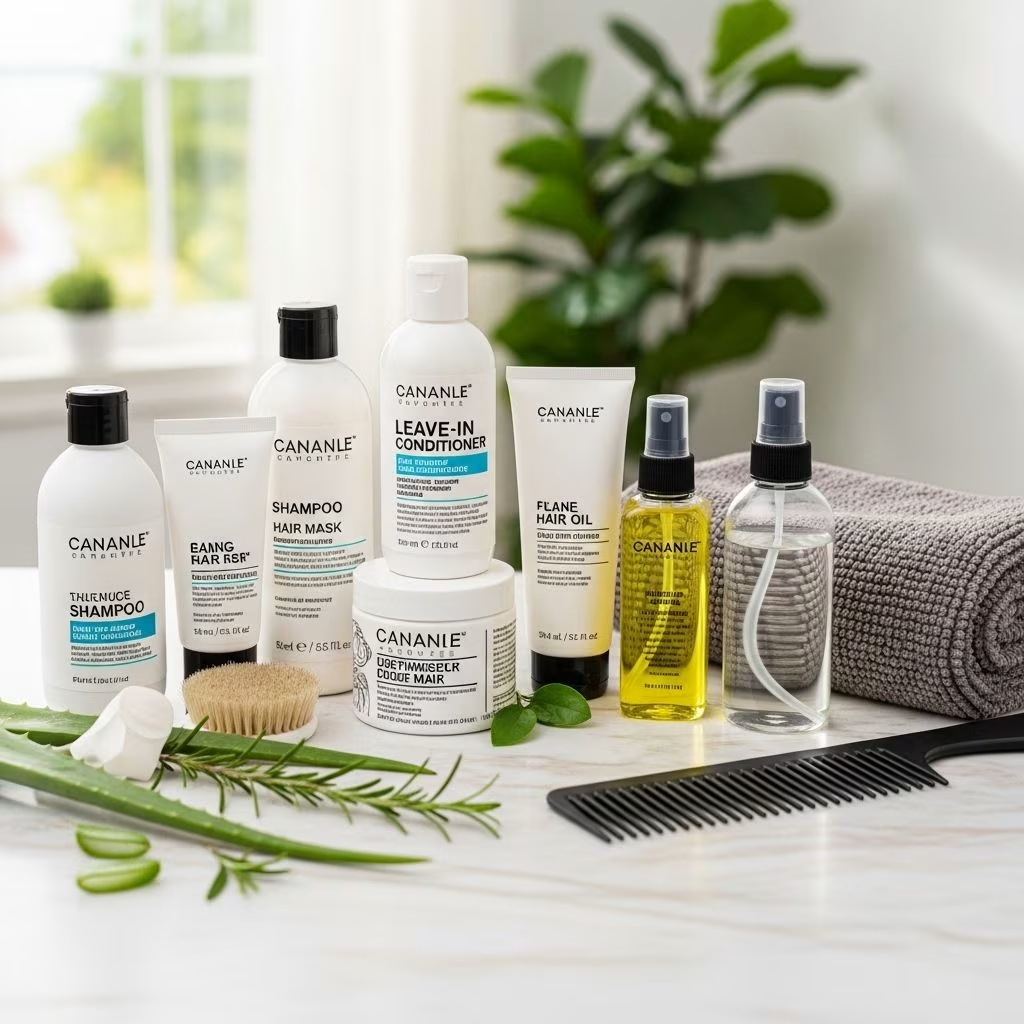
Editor-Approved Best Products for Low Porosity Hair (2025)
After testing dozens of formulas across different textures, here are expert picks for every step of your routine.
Best Clarifying Shampoos
- Color Wow Dream Filter Treatment
Removes minerals and environmental toxins that cause dullness without stripping moisture. - Aveeno Haircare Clarify and Shine+ Apple Cider Vinegar Shampoo
Budget-friendly; apple cider vinegar helps clarify gently, leaving hair shiny and residue-free. - Noughty Detox Dynamo Clarifying Shampoo
Plant-powered, vegan, and perfect for regular clarifying without harsh sulfates.
Best Deep Conditioners and Masks
- Redken Acidic Bonding Concentrate 5-Minute Liquid Hair Repair Mask
Fortifies hair while restoring shine and smoothness; ideal for visibly repairing hair that is dry or brittle. - Davines Nourishing Keratin Sealer
Locks in hydration and helps align the cuticle for more manageable, less frizzy hair.
Best Lightweight Leave-Ins and Stylers
- Amika The Wizard Silicone-Free Primer
Detangles, adds shine, and protects from heat—all without heavy silicones or oils. - Hair by Sam McKnight Happy Endings Nourishing Balm
Lightweight, versatile, and designed for easy absorption for frizz-prone or dry ends.
Best Scalp Treatments
- Leonor Greyl Regenerescence Naturelle Stimulating and Purifying Scalp Oil
Boosts scalp circulation for healthier natural oil production. - Aveda Rosemary Mint Purifying Shampoo
Cleanses and revitalizes scalp while preventing buildup.
Do’s and Don’ts for Low Porosity Hair
| Do’s | Don’ts |
|---|---|
|
|
Expert Tips to Level Up Your Low Porosity Routine
- Steam is your friend: Use shower steam or a heated cap during treatments to help the cuticle lift and let moisture in.
- Clarify and balance: Use clarifying shampoos, but follow with a hydrating or moisturizing conditioner so hair doesn’t feel stripped.
- Layer water first: Mist hair lightly before every product application—products apply and absorb better on damp strands.
- Light on the oils: If you use oils at all, choose lighter types such as argan, sweet almond, or jojoba and always use sparingly.
- Monitor buildup: Even with the right routine, reassess product usage if hair begins looking dull, greasy, or limp more frequently.
- Section strategically: Apply conditioners and treatments in small sections, working each through thoroughly to maximize coverage.
Frequently Asked Questions: Low Porosity Hair Care
Q: Can low porosity hair ever get enough moisture?
A: Absolutely. With the right routine—focusing on lightweight hydration, regular clarifying, and the occasional use of heat for deep treatments—low porosity hair can become soft, shiny, and healthy.
Q: How often should I clarify low porosity hair?
A: Once every 1-2 weeks is ideal. For those using heavier stylers, or if your hair feels weighed down or looks dull, clarify more frequently using a gentle formula.
Q: Which ingredients should I avoid?
A: Avoid heavy butters (like shea) and oils (like pure coconut or castor oil) high in the ingredient list, as well as products with non-water-soluble silicones. Large-size protein molecules (like hydrolyzed wheat protein) can also build up on low porosity hair.
Q: What is the best way to deep condition low porosity hair?
A: Always use heat—apply a conditioning treatment and then use a steamer, hot towel, or hooded dryer. This helps open the tightly packed cuticles so moisture can penetrate deeply.
Q: Can I use oils on low porosity hair?
A: Yes, but stick to very lightweight oils (such as argan, grape seed, or jojoba) and use them sparingly—ideally only on your ends and as part of a sealing step for extra moisture.
Pro Review: Product Layering for Low Porosity Hair
Cosmopolitan’s beauty editors recommend a “less is more” approach for product layering. For maximum hydration without buildup:
- Start with a dampening spray or leave-in mist.
- Apply conditioner in manageable sections, focusing on ends.
- Lock in moisture with the lightest finishing product possible.
- Always rinse away excess and avoid co-washing with heavy conditioners.
What to Avoid for Low Porosity Hair
- Heavy creams and stylers
- Frequent co-washing without clarification
- Using only cold water to wash or condition
- Layering too many products
- Skipping regular scalp care
Final Take: Embracing Your Hair’s Unique Needs
Low porosity hair is not a disadvantage—it’s simply a unique structure that requires a tailored care approach. Leverage the right techniques, embrace gentle clarifying, choose humectant-rich, water-based formulas, and don’t be afraid to experiment (while keeping it minimal!). With patience and a bit of science, every hair texture—straight, wavy, curly, or coily—can thrive and shine their brightest.
Frequently Asked Questions (FAQs)
Q: How often should I apply deep conditioning treatments?
A: For most, once a month is ideal when paired with regular lightweight leave-ins and clarifying sessions. Use heat for the best absorption.
Q: Does hair type affect porosity?
A: Porosity is independent from hair type—anyone can have low, medium, or high porosity regardless of curl pattern or thickness.
Q: Are there specific tools recommended for low porosity hair?
A: Use wide-tooth combs for detangling, a steamer or heat cap for treatments, and microfiber towels to blot (not rub) hair dry.
References
- https://www.mindbodygreen.com/articles/full-guide-to-low-porosity-hair-what-it-is-and-why-it-matters
- https://www.cosmopolitan.com/uk/beauty-hair/hair/a64184085/low-porosity-hair/
- https://www.youtube.com/watch?v=hji1aLB1YjY
- https://gb.readly.com/magazines/cosmopolitan-uk/2025-09-18/68c57918ce8c05d330121423