Best Shampoos for Scalp Eczema: Relief for Sensitive Skin
Scalp eczema affects millions, causing itching, redness, flaking, and irritation. Conventional shampoos often worsen symptoms, making a targeted, gentle product essential for relief. Below, explore dermatologist-backed choices, understand key ingredients, and learn how to build a scalp-friendly routine.
Why Eczema Shampoos Matter
- Reduces inflammation linked to eczema, psoriasis, and seborrheic dermatitis.
- Helps control excessive dryness, flaking, and itching.
- Protects scalp’s natural barrier for long-term comfort.
- Gently cleanses without harsh chemicals or irritants.
Key Ingredients in Eczema Shampoos
Gentle shampoos formulated for scalp eczema typically feature natural moisturizing agents and anti-inflammatory compounds while avoiding irritating additives. Understanding these ingredients can aid in selection.
| Ingredient | Purpose | Benefits |
|---|---|---|
| Aloe Vera | Moisturizer, anti-inflammatory | Hydrates the scalp, soothes irritation, promotes healing |
| Colloidal Oatmeal | Soothing agent | Reduces redness and itching |
| Manuka Honey | Antibacterial, humectant | Helps treat scalp lesions, locks in moisture, promotes regeneration |
| Niacinamide (Vitamin B3) | Barrier repair, anti-inflammatory | Supports scalp health, reduces irritation |
| Zinc | Regulates oil, anti-inflammatory | Controls flaking, soothes scalp, may support hair growth |
| Salicylic Acid | Keratolytic (exfoliant) | Removes scales, eases symptoms of psoriasis, less drying than in standard shampoos |
| Ketoconazole | Antifungal | Treats dandruff, reduces yeast overgrowth; useful for seborrheic dermatitis and psoriasis |
| Pyrithione Zinc | Antibacterial, antifungal | Controls flakes, calms inflammation in eczema-prone scalps |
| Organic Oils (Sweet Orange, Cehami, etc.) | Soothing & moisturizing | Reduces discomfort, gives natural fragrance without irritation |
Dermatologist-Recommended Eczema Shampoos
Below, find expert-recommended shampoos addressing scalp eczema, psoriasis, and other sensitive skin conditions. Read on for unique benefits, formula highlights, and usage tips.
Dermoia Eczema Shampoo & Conditioner
- Sulfate-free and gentle, suitable for daily use—even for very sensitive scalps.
- Main ingredients: Aloe Vera (the first ingredient), Colloidal Oatmeal, Manuka Honey, Niacinamide, Zinc, Salicylic Acid.
- Helps control eczema, psoriasis, seborrheic dermatitis, and dandruff.
- Protects the scalp’s barrier and deeply hydrates without irritation.
- Certified cruelty-free, paraben-free, sulfate-free, fragrance-free, and irritant-free.
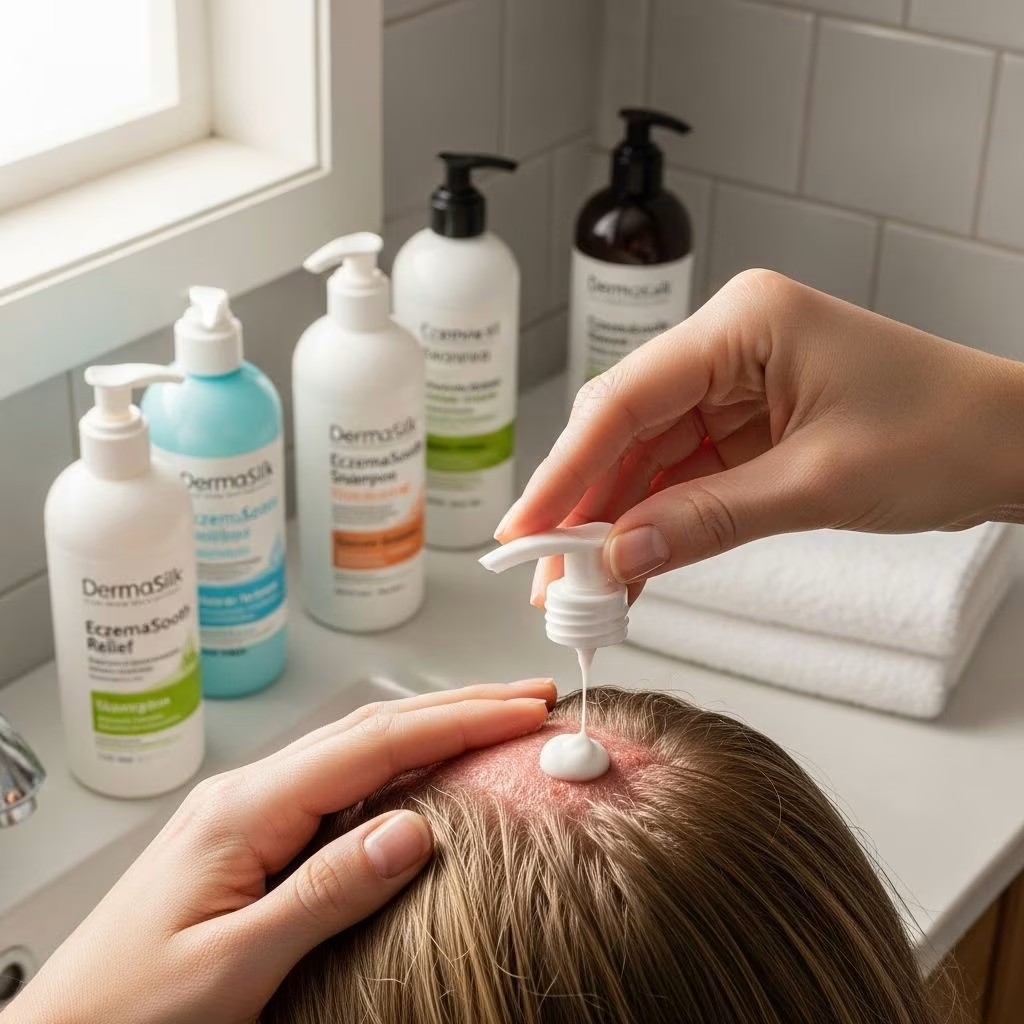
- Recommended application: Wet hair, use shampoo brush to massage, rinse thoroughly, then condition for 2–3 minutes before final rinse.
Dermoia Ingredient Lists
- Shampoo: Aloe Vera Leaf Juice (Organic), Cocamidopropyl Betaine, Decyl Glucoside, Vegetable Glycerin, Salicylic Acid, Manuka Honey, Niacinamide, Zinc Oxide, Colloidal Oatmeal, Cehami Extract, Sweet Orange Oil (Organic), and others.
- Conditioner: Aloe Vera Leaf Juice (Organic), Behentrimonium Methosulfate, Cetearyl Alcohol, Dimethicone, Manuka Honey, Glycerin, Colloidal Oatmeal, Niacinamide, Sweet Orange Oil (Organic), Zinc Oxide, Cehami Extract, and others.
Wild Naturals Eczema & Psoriasis Shampoo
- Mild formula with organic ingredients, free from harsh chemicals.
- Soothes scalp, cools itchiness, and reduces visible flakes.
- Safe for sensitive skin, children, and babies.
- User feedback highlights relief from flare-ups and non-stinging cleansing effect.
Ketoconazole Anti-Fungal Shampoos
- Available OTC and by prescription (e.g., Nizoral).
- Targets seborrheic dermatitis and psoriasis by reducing fungus and inflammation.
- Helps with redness, flaking, and stubborn dandruff.
- Supporting evidence for hair loss prevention, though more research is needed.
Other Common, Trusted Eczema Shampoo Ingredients
- Pyrithione Zinc: Specially effective against flakes, reduces irritation, and is found in major anti-dandruff shampoos.
- Coconut-based cleansers: (e.g. cocamidopropyl betaine) for gentle bubble stabilization and scalp cleansing.
- Panthenol (Vitamin B5): Conditioning agent that helps hydrate and repair skin and hair.
How to Choose the Best Shampoo for Your Scalp Eczema
When evaluating eczema shampoos, dermatologists recommend the following:
- Check ingredient transparency: Avoid mystery chemicals and look for detailed, natural ingredient lists.
- Skip sulfates and parabens: These can strip oils and worsen irritation.
- Fragrance-free formulas reduce risk of allergic reaction.
- Look for added moisturizers (e.g. aloe, colloidal oatmeal, oils) to repair dryness.
- Spot anti-inflammatory agents such as zinc, niacinamide, and salicylic acid, which help calm flare-ups.
- Consider your entire haircare routine: Use matching conditioners and avoid styling products that contain alcohols or fragrances.
- If unsure, patch-test new products before full application and monitor for irritation.
Expert Tips to Manage Scalp Eczema and Flare-Ups
- Wash hair regularly with gentle, prescribed shampoos, especially during flares.
- Use lukewarm (not hot) water to avoid further drying scalp skin.
- If prescribed, rotate medicated shampoos (like ketoconazole) with natural eczema shampoos — follow your dermatologist’s advice.
- Limit heat styling and chemical treatments, which can aggravate sensitive skin.
- Keep nails short to avoid accidental scalp injury during scratching.
- Moisturize scalp with compatible leave-in treatments if tolerated.
- Track triggers (e.g. stress, weather, new products) and adjust care routine accordingly.
Potential Side Effects and Precautions
- Mild tingling or temporary redness can occur with some medicated formulas. Discontinue if severe reaction develops.
- Always avoid shampoos containing alcohols, added dyes, parabens, or harsh detergents.
- Infants and children require extra caution—stick to dermatologist-recommended baby shampoos if needed.
FAQs: Shampoos for Eczema-Prone Scalps
Q: How often should I use an eczema shampoo?
A: Daily use is typically safe with gentle, sulfate-free options like Dermoia. Medicated products (e.g., ketoconazole) may require less frequent use as directed by your healthcare provider.
Q: Can these shampoos help with both dandruff and psoriasis?
A: Yes. Many eczema shampoos are formulated to treat overlapping conditions such as dandruff (seborrheic dermatitis) and psoriasis, often containing similar anti-inflammatory and antifungal ingredients.
Q: Should I use a conditioner after eczema shampoo?
A: Yes. Conditioners help lock in moisture, protect the scalp’s barrier, and support healthy hair, provided they are fragrance-free and formulated for sensitive skin.
Q: How long does it take to see results?
A: Some people experience relief from itching and irritation within a few days, though improvement in flaking and redness often requires consistent use over weeks. Always follow label instructions and medical advice.
Q: What if I have an allergic reaction?
A: Discontinue use immediately. Rinse scalp thoroughly with water and consult a healthcare professional if symptoms persist.
Shopping and Care Checklist for Scalp Eczema Shampoos
- Verify clinical testing or dermatologist recommendations where possible.
- Check for hypoallergenic labeling if your skin is extremely reactive.
- Avoid “deep cleansing” or “volumizing” shampoos that contain detergents likely to dry out scalp skin.
- Store products in cool, dry places to prevent ingredient breakdown.
- If switching symbols (such as itching increases), reevaluate products or consult your doctor.
Conclusion: Calm and Comfort for Scalp Eczema
Choosing the right shampoo transforms life with scalp eczema. Look for dermatologist-backed formulas, rich in soothing, anti-inflammatory ingredients, and avoid harsh chemicals. With a tailored routine, a healthy scalp and hair are within reach—even for sensitive skin types.
References
- https://dermoia.com/products/dermoia-shampoo-and-conditioner
- https://incidecoder.com/products/dermoia-eczema-shampoo
- https://www.healthline.com/health/ketoconazole-shampoos
- https://wildnaturals.com/products/eczema-psoriasis-shampoo
- https://www.webmd.com/skin-problems-and-treatments/eczema/eczema-shampoo-how-to-choose
- https://www.goodrx.com/conditions/eczema/eczema-on-scalp
- https://www.gloshospitals.nhs.uk/your-visit/patient-information-leaflets/hair-care-for-eczema-of-the-scalp/