The bixie haircut has emerged as one of the most sought-after hairstyles in recent years, captivating beauty enthusiasts and celebrities alike with its effortlessly cool aesthetic. This innovative cut represents the perfect marriage between two classic styles—the pixie and the bob—creating a unique look that’s both edgy and sophisticated. Whether you’re contemplating a dramatic hair transformation or simply looking to refresh your current style, the bixie offers a versatile option that works for various hair textures and face shapes.
The beauty of the bixie lies in its adaptability and the way it captures that coveted “undone” aesthetic while maintaining a polished appearance. It’s a haircut that commands attention without trying too hard, embodying the modern approach to beauty where effortlessness meets intentional style. From the runways to the red carpet, this cut has proven its staying power and continues to inspire countless variations that cater to individual preferences and lifestyles.
Understanding the Bixie Haircut
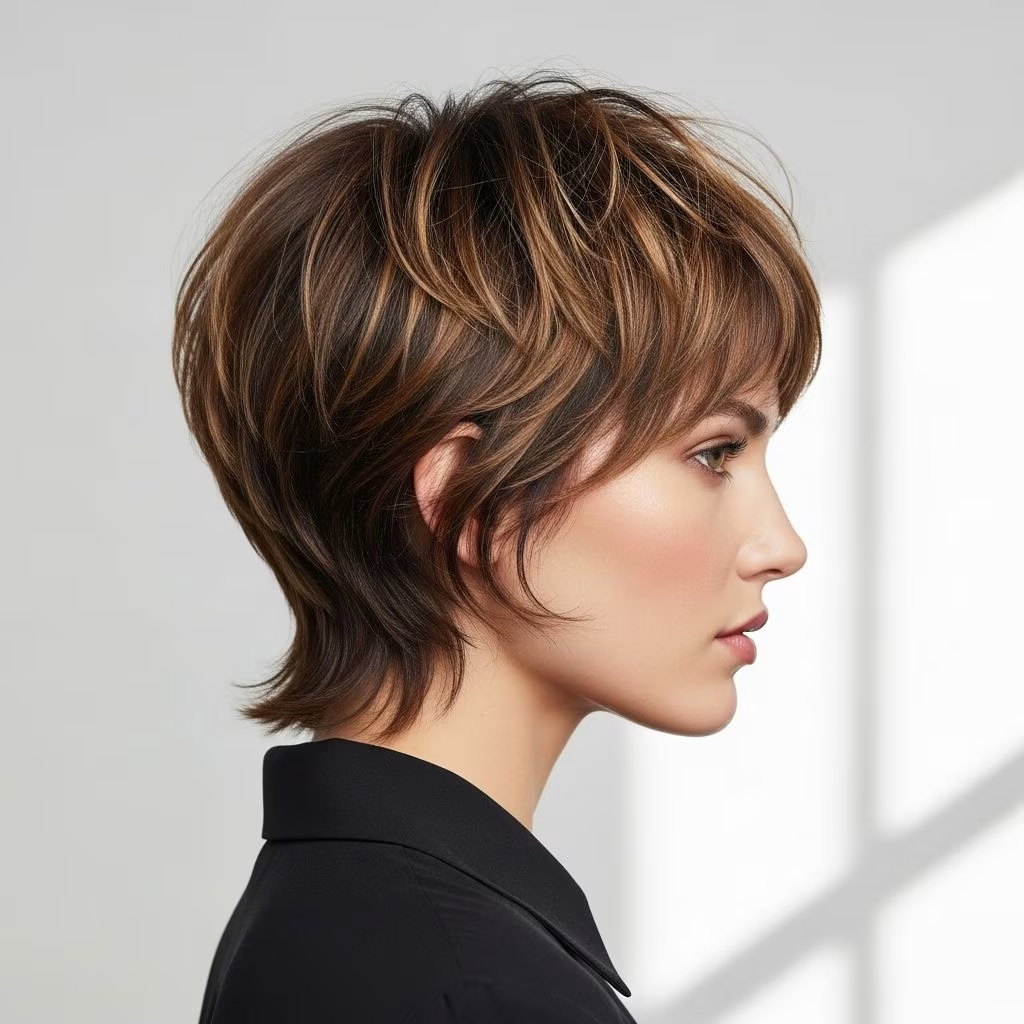
The bixie haircut is fundamentally a hybrid style that borrows the best elements from both pixie cuts and bob hairstyles. This innovative combination creates a distinctive look that sits somewhere between short and medium length, offering more versatility than a traditional pixie while maintaining more edge and movement than a classic bob. The result is a dynamic, textured cut that feels fresh and contemporary.
What truly sets the bixie apart from its parent styles is its emphasis on texture, movement, and lived-in appeal. Unlike the precision and structure typically associated with bob haircuts, the bixie embraces a more relaxed, shaggy aesthetic with plenty of layering throughout. It’s longer than a standard pixie cut, which means it offers more styling flexibility, yet it maintains that same sense of boldness and confidence that pixie cuts are known for.
The defining characteristics of a bixie include voluminous crown sections, soft face-framing pieces, and textured layers that create movement and dimension. The cut typically features shorter sections at the back and sides, gradually transitioning to longer pieces at the front and top. This strategic layering creates a silhouette that’s flattering from every angle while providing ample styling opportunities.
The Anatomy of a Perfect Bixie
Creating the ideal bixie requires understanding its structural components and how they work together to achieve that signature look. The foundation of this cut lies in its strategic layering technique, which differs significantly from traditional cutting methods. Rather than creating uniform layers throughout, the bixie incorporates varied layer lengths that contribute to its signature tousled appearance.
Volume at the crown is perhaps the most crucial element of a successful bixie. This area should have sufficient length and layering to create lift and body, which becomes the focal point of the entire style. The crown layers typically range from two to four inches, depending on your hair texture and desired level of drama. This volume not only adds visual interest but also helps balance facial proportions.
The face-framing pieces are equally important, as they soften the overall look and can be customized to complement your specific face shape. These sections usually start around cheekbone or jaw length and are cut with a slight angle to create movement. They can be styled forward for a more dramatic effect or swept to the side for a softer, more romantic appearance.
The back and sides of a bixie are where the pixie influence becomes most apparent. These sections are typically kept shorter, often tapered or graduated to create a clean, defined shape. However, unlike a traditional pixie that might be buzzed or clipper-cut in these areas, the bixie maintains some length and texture, usually achieved through point-cutting or slide-cutting techniques that preserve movement.
Celebrity Bixie Inspiration
The bixie has become a red carpet favorite, with numerous A-list celebrities embracing this versatile cut and making it their signature style. These high-profile endorsements have played a significant role in popularizing the trend and demonstrating its adaptability across different hair textures, colors, and personal aesthetics.
Zoë Kravitz has become virtually synonymous with the edgy, rock-and-roll interpretation of the bixie. Her version features baby bangs and choppy, textured layers that give the cut an unmistakable rebellious flair. The precision of her fringe combined with the deliberately disheveled body creates a striking contrast that perfectly embodies her cool-girl aesthetic. This variation works particularly well for those with fine to medium hair texture and oval or heart-shaped faces.
Nicole Kidman surprised fans with her swooped, mullet-inspired bixie at a recent Met Gala, demonstrating how the cut can be tailored for formal occasions. Her hairstylist created a dandyism-inspired look that featured shorter sides with longer, textured pieces at the crown and back. This sophisticated interpretation proves that the bixie can be just as elegant as it is edgy, making it suitable for both casual and glamorous settings.
Isabela Merced showcases a softer, more romantic approach to the bixie with her fringed interpretation. Her cut features choppy side-swept bangs and a flipped-out shape at the nape, creating a playful, feminine vibe. This version is ideal for those who want to maintain some length while still achieving the characteristic bixie texture and movement.
Other celebrities who have embraced the bixie include Emma Corrin with a wolf-cut-inspired variation, Pixie Geldof with her platinum blonde feathered version, and Sophia Roe who demonstrates how beautifully the cut works with natural curls. Each interpretation offers a unique perspective on how this versatile cut can be customized to reflect individual style preferences.
How to Ask Your Stylist for a Bixie
Successfully communicating your vision to your hairstylist is crucial when requesting any haircut, but it’s especially important with a trend-driven style like the bixie. The term itself can mean different things to different stylists, and variations in interpretation can lead to results that don’t align with your expectations. Taking a strategic approach to your consultation will ensure you leave the salon with the bixie of your dreams.
The most effective method for requesting a bixie is to bring multiple reference photos to your appointment. Don’t rely on a single image—instead, compile a collection of three to five photos that showcase different angles and styling options of the look you want to achieve. This visual reference gives your stylist a clear understanding of your preferences and helps eliminate any ambiguity in terminology.
When selecting reference photos, choose images that feature hair textures similar to your own. A bixie on fine, straight hair will look dramatically different from the same cut on thick, curly hair. Being realistic about how the style will translate to your specific hair type will help set appropriate expectations and allow your stylist to make necessary adjustments to the cut.
During your consultation, use descriptive language that captures the essence of what you’re looking for. Mention that you want a style that feels edgy and effortless, with plenty of texture and movement. Specify whether you prefer more length at the front, how much volume you want at the crown, and whether you’re interested in incorporating bangs or face-framing pieces. The more specific you can be about these details, the better equipped your stylist will be to create your ideal version of the cut.
Don’t hesitate to discuss your styling abilities and daily routine with your stylist. If you’re someone who prefers wash-and-go simplicity, communicate this so your stylist can adjust the cut accordingly. Conversely, if you enjoy spending time styling your hair and experimenting with different looks, let them know so they can incorporate elements that offer maximum versatility.
Styling Your Bixie Haircut
One of the bixie’s greatest advantages is its relatively low-maintenance nature compared to other trendy cuts. However, knowing how to properly style and maintain your bixie will ensure it always looks its best, whether you’re going for a polished appearance or an intentionally tousled vibe. The key to successful bixie styling lies in embracing texture and working with your hair’s natural movement rather than against it.
For those with straight to wavy hair textures, the foundation of great bixie styling begins with the right products applied to damp hair. A volumizing mousse, spray, or cream should be your first step, focusing application at the roots and throughout the crown area where you want maximum lift. The specific product you choose will depend on your hair’s thickness and natural texture—finer hair types typically benefit from lightweight mousses, while thicker hair can handle heavier creams.
The blow-drying technique is crucial for achieving that signature bixie volume and texture. Rather than using a round brush and creating smooth, polished sections, opt for a rough-dry method that preserves natural movement. Use your fingers to lift the hair at the roots as you dry, directing airflow upward at the crown and away from your face at the sides. This technique creates organic-looking volume without appearing overly styled or structured.
For added wave and dimension, a curling iron or wand becomes your best friend. Focus on creating loose, varied waves throughout the hair rather than uniform curls. Alternate the direction of your curls—some pieces curled toward your face, others away—to achieve a more natural, lived-in appearance. Don’t worry about making everything perfect; the bixie thrives on a slightly imperfect, undone aesthetic.
The finishing touch is where the magic really happens. A texturizing spray or balm is essential for achieving that coveted tousled look. Work the product through your hair with your fingers, scrunching and separating the waves to create piece-y texture. For extra hold and definition, you can also use a small amount of lightweight pomade or styling cream on specific sections, particularly the face-framing pieces and any areas where you want more definition.
Bixie Variations for Different Hair Textures
The versatility of the bixie extends to its ability to work beautifully across various hair textures, from pin-straight to tightly coiled. Understanding how the cut translates to different hair types can help you anticipate how it will look on your own hair and communicate effectively with your stylist about any necessary modifications.
Straight Hair: On naturally straight hair, the bixie requires strategic layering and texturizing to prevent it from appearing too blunt or heavy. Point-cutting techniques and razoring can add movement and prevent the ends from looking too solid. Straight-haired bixies often benefit from slightly longer lengths overall to ensure the style has enough body and doesn’t fall flat against the head.
Wavy Hair: This texture is arguably ideal for the bixie, as natural waves provide built-in texture and movement. The cut enhances existing wave patterns while the layering prevents the style from becoming triangular or bottom-heavy. Wavy-haired individuals can often achieve great results with minimal styling effort, making this an excellent low-maintenance option.
Curly Hair: The bixie curl cut has emerged as its own trending variation, embracing natural curl patterns in a shorter format. For curly hair, the cut should be performed on dry hair to accurately assess how the curls will fall and spring. Longer lengths at the top and front preserve curl definition while shorter sections at the back and sides prevent excessive bulk. This version creates a beautiful halo effect of curls that’s both romantic and modern.
Coily Hair: On coily hair textures, the bixie can be stunning, creating a bold, sculptural shape that celebrates natural texture. The key is maintaining enough length to preserve the curl pattern while creating a tapered silhouette. Coily bixies often feature more dramatic differences between the longest and shortest sections to achieve the desired shape.
Maintenance and Upkeep
While the bixie is relatively low-maintenance compared to many hairstyles, it does require regular trims to maintain its shape and prevent it from growing out awkwardly. Understanding the maintenance requirements before committing to the cut will help ensure you’re prepared for the upkeep involved in keeping your bixie looking fresh.
Most bixie cuts benefit from professional trims every four to six weeks, depending on how quickly your hair grows and how precise you want the shape to remain. The good news is that these don’t always need to be full haircuts—many stylists offer bang trims and neckline cleanups that can extend the time between major cuts. These mini-appointments help keep the style looking intentional rather than grown-out while being more budget-friendly than full cutting services.
Between salon visits, at-home maintenance can help preserve your bixie’s shape. Investing in a good pair of hair-cutting scissors allows you to carefully trim any pieces that are bothering you, though it’s important to exercise caution and only remove small amounts at a time. Focus on maintaining the face-framing pieces and cleaning up the neckline if necessary, but leave major reshaping to the professionals.
Product selection plays a significant role in day-to-day maintenance. Stock your styling arsenal with a good dry shampoo for extending time between washes, a texturizing spray for refreshing second-day styles, and a lightweight oil or serum for taming flyaways without weighing down the hair. These products allow you to revitalize your bixie between washes and maintain that effortlessly cool appearance.
Who Should Consider a Bixie?
The bixie’s popularity stems partly from its surprising versatility across different face shapes, ages, and personal styles. However, there are certain considerations that can help you determine whether this cut is the right choice for your lifestyle and aesthetic preferences.
From a practical standpoint, the bixie works well for individuals who want a shorter style but aren’t ready to commit to a full pixie cut. It offers a middle ground that provides styling versatility while still delivering that edgy, fashion-forward vibe. If you’ve been wearing a longer bob and want to go shorter without losing too much length, the bixie serves as an excellent transitional style.
Face shape compatibility is generally quite flexible with bixies, as the cut can be customized with different bang styles, layer placements, and length variations to flatter various facial structures. Oval faces tend to suit virtually any bixie variation, while round faces benefit from versions with more height at the crown and longer face-framing pieces. Angular faces can be softened with wispier, more textured variations, while heart-shaped faces look great with side-swept bangs and fuller crown sections.
Your lifestyle and styling commitment should also factor into your decision. While the bixie is relatively low-maintenance, it does require more styling than longer, one-length cuts if you want to achieve that signature textured look. If you’re someone who enjoys the process of styling your hair and doesn’t mind spending 10-15 minutes on it most days, you’ll likely love having a bixie. However, if you prefer truly wash-and-go styles, you might want to consider whether you’re ready for the styling commitment.
Color Considerations for Your Bixie
Hair color can dramatically impact how your bixie looks and can be strategically used to enhance the cut’s dimension and movement. The shorter length and textured nature of the bixie make it an ideal canvas for various coloring techniques that add depth and visual interest.
Highlights and lowlights work exceptionally well with bixies, as the layered structure allows the dimensional color to show through beautifully. Subtle, natural-looking highlights concentrated around the face and crown can enhance the sense of volume and movement, while lowlights add depth and prevent the color from appearing flat.
Balayage techniques are particularly complementary to the bixie’s lived-in aesthetic. The hand-painted, graduated color mimics the way hair naturally lightens in the sun, creating a low-maintenance color option that grows out gracefully. Focusing balayage on the top layers and face-framing pieces draws attention to the cut’s most flattering features.
Bold, all-over color can make a statement with a bixie, whether you’re going platinum blonde, rich chocolate brown, or even a vivid fashion shade. The shorter length means less commitment in terms of color maintenance and damage management, making it easier to experiment with dramatic hues. Solid, vibrant colors also emphasize the cut’s shape and structure, creating a bold, graphic effect.
Common Bixie Mistakes to Avoid
Even with the best intentions, certain pitfalls can prevent your bixie from looking its best. Being aware of these common mistakes can help you avoid them and ensure your cut turns out exactly as you envisioned.
Over-layering is perhaps the most frequent error, particularly for those with fine or thin hair. While the bixie is defined by its textured, layered appearance, taking too much weight out of the hair can result in a style that looks wispy and lacks substance. It’s important to work with a stylist who understands how to create texture without sacrificing density, especially in the crown area where volume is essential.
Choosing the wrong length for your face shape and features can compromise the overall effect. If you have a longer face, a bixie that’s too short at the sides might elongate your features further. Conversely, if you have a rounder face, keeping too much length all around might not provide the shaping and definition you want. Discussing these considerations with your stylist during the consultation phase is crucial.
Neglecting regular trims is another common issue. The bixie’s shape depends on the careful balance between different lengths throughout the cut. As your hair grows, this balance shifts, and the style can quickly lose its intended silhouette. Committing to regular maintenance appointments from the start will keep your bixie looking intentional and fresh.
Using the wrong products can either weigh down the style or make it look too crispy and unnatural. Heavy oils, thick creams, and strong-hold hairsprays can all compromise the bixie’s signature lived-in texture. Opt for lightweight, flexible products that enhance movement rather than restrict it.
Transitioning to and from a Bixie
Whether you’re considering cutting your longer hair into a bixie or eventually growing out your bixie into a longer style, understanding the transition process can help manage expectations and maintain a polished appearance throughout the change.
Going shorter: If you’re cutting from longer hair to a bixie, consider doing it in stages if you’re nervous about the dramatic change. You might first go to a longer bob, then gradually work your way to the bixie length over a couple of appointments. This approach allows you to adjust psychologically to shorter hair while giving your stylist opportunities to refine the shape based on how your hair behaves at different lengths.
Growing out: The journey from bixie to longer hair requires patience and strategic cutting. Rather than avoiding the salon entirely, schedule regular trims that maintain the overall shape while allowing length to accumulate gradually. Your stylist can clean up the neckline and back while preserving length at the top and front, essentially evolving your bixie into a textured bob and eventually into a longer layered style.
During the grow-out phase, creative styling and strategic product use can help disguise awkward lengths. Headbands, clips, and other accessories become valuable tools for managing sections that are too long to style with the rest but too short to tuck away completely. Embracing texture and movement during this period, rather than trying to force your hair into a smooth style, will generally yield better results.
Frequently Asked Questions
Q: How often should I get my bixie haircut trimmed?
A: Most bixie haircuts benefit from professional trims every four to six weeks to maintain their shape. However, you can extend time between full cuts by getting mini-services like bang trims and neckline cleanups every few weeks, which helps keep the style looking fresh without requiring a complete haircut.
Q: Will a bixie work with my curly hair?
A: Absolutely! The bixie curl cut has become increasingly popular and looks stunning on curly and wavy hair textures. The key is having your stylist cut your hair while dry to accurately assess how your curls will fall. The cut should maintain enough length to preserve your curl pattern while creating a tapered, voluminous shape.
Q: How much styling does a bixie require daily?
A: The bixie is relatively low-maintenance but does require some daily styling to achieve its signature textured look. Most people spend 10-15 minutes styling their bixie, which typically involves applying volumizing products to damp hair, rough-drying with fingers, adding some waves with a curling iron if desired, and finishing with texturizing spray.
Q: Can I still put my bixie in a ponytail?
A: Most bixie cuts are too short for a traditional ponytail, though some longer variations might allow for a small, low ponytail at the nape. However, you can use clips, pins, and headbands to pull back face-framing pieces or create half-up styles, giving you some styling versatility even with the shorter length.
Q: Is the bixie suitable for fine or thin hair?
A: Yes, but it requires careful execution. The key is avoiding over-layering, which can make fine hair look even thinner. A skilled stylist will create texture and movement while maintaining enough density, particularly at the crown. Strategic layering focused on creating volume rather than removing weight is essential for fine-haired bixies.
Q: What’s the difference between a bixie and a wolf cut?
A: While both cuts feature textured, layered styles, the wolf cut typically has more dramatic, disconnected layers with a stronger mullet influence—shorter at the crown with much longer pieces at the bottom. The bixie has a more graduated, cohesive layer structure and generally maintains a shorter overall length that stays closer to the head.
Q: How do I know if a bixie will suit my face shape?
A: The bixie is remarkably versatile across face shapes because it can be customized with different bang styles, layer placements, and length variations. During your consultation, discuss your face shape with your stylist so they can adjust elements like crown volume, face-framing pieces, and bang length to create the most flattering version for your features.