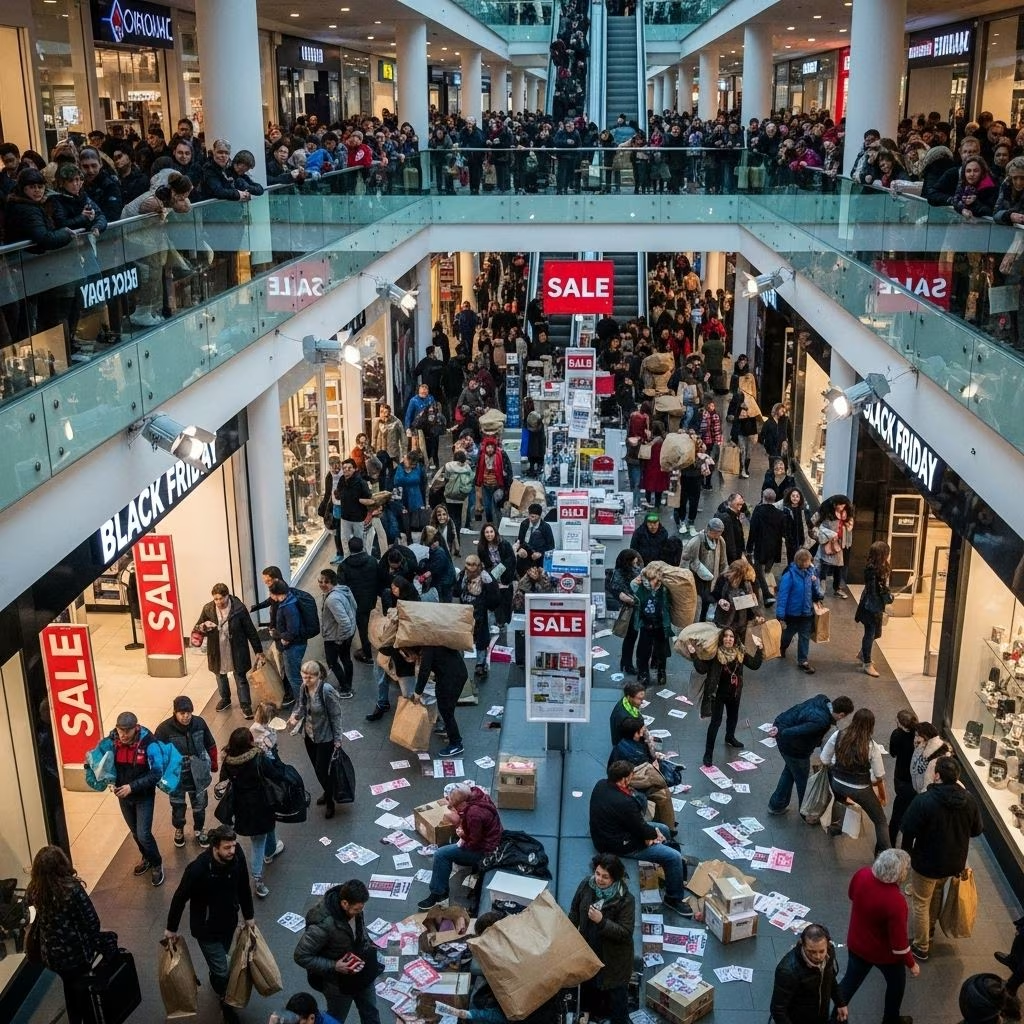
Black Friday: From Shopping Event to Cultural Spectacle
Few events encapsulate modern consumer culture like Black Friday. Once a straightforward post-Thanksgiving sale, it has morphed into a whirlwind of door-buster deals, midnight queues, frantic crowds, and marketing blitzes. Black Friday isn’t just about saving money on a new pair of boots—it’s become a shifting mirror that reflects deeper issues about shopping behavior, fashion trends, and societal values.
This article examines Black Friday’s evolution, its impact on fashion, and the complicated emotions it stirs—from anticipation to anxiety. We’ll explore not only the frenzied excitement but also the darker undertones: the psychological toll of relentless retail, and what it says about our cultural priorities.
The Evolution of Black Friday
Historically, Black Friday was an informal marker: the day after Thanksgiving when retailers finally turned a profit (“in the black”) for the year. But by the early 2000s, it evolved into a high-stakes game of one-upmanship among big-box stores, each seeking to outdo competitors with ever-earlier openings and steeper discounts.
- Rise of Midnight Madness: Stores began opening at midnight, then 9 PM, then earlier—turning Thanksgiving night into a shopping preamble.
- Doorbusters & Loss Leaders: Retailers offered dramatic, limited-time deals on select items to lure crowds, often selling them at a loss to draw attention.
- Cyber Monday & Online Expansion: The rise of online shopping created a parallel digital frenzy, extending the season and shifting focus from physical to virtual aisles.
Today, Black Friday is a hybrid affair: an endless digital stream of ‘flash sales’ begins early in November, while physical stores still beckon die-hard deal hunters with promises of exclusive in-person bargains.
How Black Friday Shapes Fashion
Black Friday may seem driven by electronics and appliances, but fashion remains a central battleground. Brands vie for attention with dramatic markdowns on trending items—from designer coats and boots to cult-favorite makeup palettes and accessories. What gets pushed to the forefront on Black Friday can set the agenda for the rest of the shopping season.
| Fashion Category | Typical Black Friday Deals | Cultural Impact |
|---|---|---|
| Designer Apparel | 40-70% off select items, exclusive in-store releases | Democratizing luxury, short-term trends |
| Footwear | Buy-one-get-one deals, limited-stock drops | Encourages impulsive purchases, seasonal styles |
| Beauty | Bundle sets, holiday exclusives, deep discounts | Drives hype, sets aesthetic ideals for holiday |
| Accessories | Up to 60% off, flash sales by time slot | Fuels micro-trend cycles, social media influence |
The thrill of scoring a high-ticket item for less has a profound impact: it both feeds and shapes the season’s fashion cycles. A Black Friday buy is often not just about necessity, but also the allure of belonging to the moment’s style.
Consumer Psychology: Why We Buy
Black Friday operates on multiple psychological levers. Retailers use tactics designed to trigger scarcity mentality—”Act now, before it’s gone!”—and emotional urgency, leading shoppers to make snap decisions they might later regret.
- FOMO: Fear of missing out drives crowds and clicks.
- Social Proof: Lines outside stores and viral posts validate purchasing decisions.
- Loss Aversion: The pain of not getting a deal is often greater than the pleasure of acquiring something new.
- Dopamine Hit: The hunt, the dash to grab the last item, and the checkout all deliver a burst of excitement and temporary satisfaction.
But the come-down can be sharp: post-purchase regret, fatigue, or even a sense of emptiness after the rush. Black Friday’s engineered chaos may produce more stress than joy for many.
Retail Tactics & Ethical Dilemmas
Behind the excitement of Black Friday lies a matrix of ethical questions that rarely get addressed amidst the noise:
- Employee Welfare: Retail staff often work extended, irregular, or overnight hours with minimal compensation—sometimes facing unruly crowds and dangerous situations.
- Environmental Impact: Mass production for sales events increases waste, both from unsold goods and packaging, calling into question the sustainability of fast fashion cycles.
- Consumer Manipulation: Flash sales and misleading discount percentages can lead consumers to buy more than intended, sometimes at little real savings.
Black Friday isn’t just fun and games. For some, it’s a necessity, a rare chance to purchase essentials at manageable prices. For others, it’s an uncomfortable embodiment of hyper-consumerism, prompting reflection on personal and societal values.
Stories from the Front Lines
Every Black Friday, millions of shoppers line up, hoping to outpace the crowd for that coveted deal. Some leave triumphant, clutching bags filled with high-end items at bargain prices. Others leave empty-handed—or worse, shaken by uncivil behavior and burnout.
Here are common vignettes from the Black Friday experience:
- The Veteran Shopper: Has a strategy, a mapped route, and knows which deals are worth the wait.
- The Casual Browser: Arrives late, overwhelmed by crowds, often misses out on key items but enjoys the spectacle.
- The Online Warrior: Avoids the chaos by hunting deals on apps, leveraging promo codes and flash sales.
- The Retail Worker: Faces long hours, unpredictable shifts, and challenging customer interactions—often with little thanks.
Social media has amplified these experiences, turning Black Friday into a participatory drama where everyone has a role—whether in-store, online, or at home watching Instagram stories of the chaos and loot.
Life After the Sale: What Remains?
When the doors close and the crowds disperse, Black Friday’s after-effects linger:
- Returns Surge: Many purchases are returned in the weeks that follow, as shoppers reconsider impulsive buys.
- Buyer’s Remorse: Not all deals are what they seem, and some regret can quickly set in.
- Shift in Shopping Patterns: For some, Black Friday is a jumping-off point for holiday shopping; for others, it’s become an annual ritual of excess.
Ultimately, Black Friday serves as both celebration and caution—it’s proof of our collective enthusiasm for a good deal, but also a reminder to examine what truly motivates our spending habits.
Frequently Asked Questions (FAQs)
Q: When did Black Friday become such a major event?
A: Black Friday began as a post-Thanksgiving shopping day in the mid-20th century, but exploded into a nationwide retail phenomenon in the 2000s with the rise of extreme discounts and mass marketing.
Q: Why do fashion brands participate so heavily in Black Friday?
A: Fashion labels leverage Black Friday to clear out old inventory, launch new products, and build brand loyalty—often dictating what people are likely to wear for the rest of the season based on high-visibility promotions.
Q: What are the risks of Black Friday shopping?
A: Risks include overspending, buying items you don’t truly need, falling for misleading promotions, and even potential physical danger in crowded stores.
Q: Has online shopping changed Black Friday?
A: Online sales have expanded the event’s reach, making deals accessible to more people while also intensifying competition among retailers through digital flash sales and social media campaigns.
Q: Is Black Friday sustainable in the long run?
A: The environmental cost of overproduction and excess waste raises concerns about sustainability. Many retailers are exploring more responsible alternatives, but the frenzy of mass shopping remains a challenge to eco-friendly practices.
Key Takeaways
- Black Friday’s cultural relevance goes far beyond mere discounts—it’s a revealing lens on consumerism, fashion, and societal values.
- It both drives and reflects major seasonal fashion shifts, influencing what we wear, buy, and aspire towards.
- The psychological effects—including excitement, stress, and regret—are complex, often leaving shoppers torn between satisfaction and exhaustion.
- Its consequences for retail workers and the environment highlight hidden costs that rarely make headlines.
Tips for Navigating Black Friday
- Set a budget and stick to it—know what you want before you enter the fray.
- Do research beforehand to spot real deals versus marketing ploys.
- Consider the social and environmental impact of your purchases.
- If shopping online, watch for hidden shipping costs and return policies.
- Remember: not every bargain is worth the wait, stress, or personal expense.
For all its excitement, Black Friday shines a light on more than just fashion and savings—it prompts us to reconsider our approach to consumption, community, and what truly matters during the holiday season and beyond.