Cold sores are a common and distressing skin condition that can cause pain, embarrassment, and recurring outbreaks for millions of people. With the right combination of preventive strategies, early intervention, and targeted treatments, you can reduce both the frequency and severity of cold sores—and speed healing when they do appear.
Understanding Cold Sores
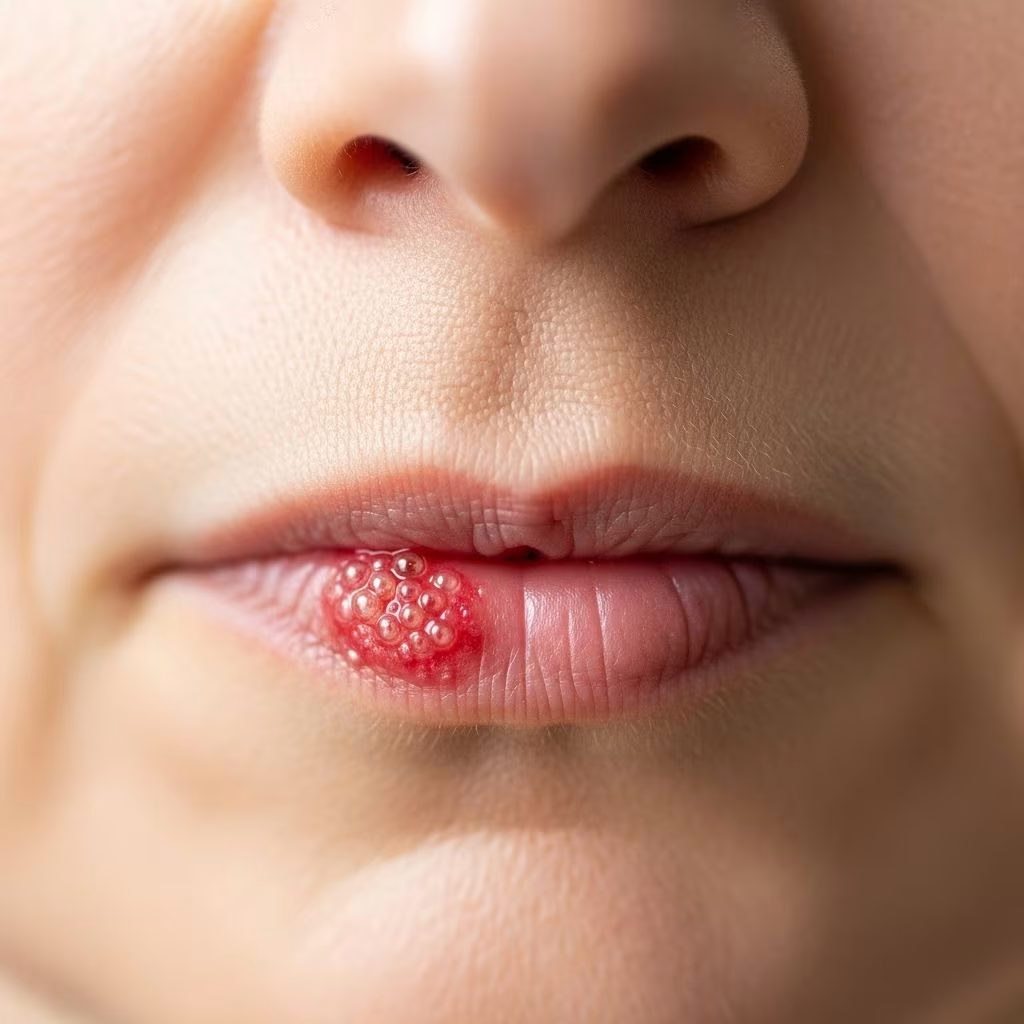
Cold sores, also known as fever blisters, are small, fluid-filled lesions that most often develop on or around the lips, but can sometimes appear elsewhere on the face. They are caused by the herpes simplex virus type 1 (HSV-1), which remains in the body for life once contracted. While cold sores typically heal on their own within 7–10 days, they can be painful, unsightly, and a source of discomfort.
What Causes a Cold Sore Outbreak?
- Initial infection with HSV-1, usually during childhood
- Reactivation of the virus due to triggers such as illness, stress, sun exposure, or hormonal changes
- Minor trauma to the skin, dental work, or a weakened immune system
The Cold Sore Life Cycle
The typical cold sore progresses through several stages:
- Tingling & Itching: An early warning sign—tingling, burning, or itching sensation on the lips or mouth.
- Emergence of Blisters: Fluid-filled blisters form, often clustered together.
- Weeping & Open Sore: Blisters burst, releasing fluid and leaving a shallow, open ulcer that is highly contagious.
- Scabbing & Healing: A crust forms as the sore dries and heals, eventually falling off with new skin beneath.
Cold Sore Prevention: Tips to Minimize Outbreaks
While you can’t cure HSV-1, you can significantly reduce the risk of a cold sore outbreak with the right habits and preventive care.
- Identify and Avoid Triggers: Learn what situations or factors (e.g., sun, stress, fever, injury) tend to bring on your cold sores and minimize exposure to them.
- Use SPF Lip Balm: Ultraviolet light from the sun can trigger cold sores in many individuals. Apply a lip balm or ointment with sun protection factor (SPF) every day, even in winter, and reapply throughout the day when outdoors.
- Boost Immune Health: Eat a balanced, nutrient-rich diet, stay physically active, and prioritize adequate sleep to keep your immune system strong.
- Manage Stress: Emotional and physical stress can reactivate the HSV-1 virus. Practice relaxation techniques such as deep breathing, meditation, yoga, or regular walks to promote calmness.
- Practice Good Hygiene: Wash hands frequently, avoid touching cold sores, and never share personal items like towels, cosmetics, or eating utensils.
- Stay Hydrated & Protect Your Skin: Use a humidifier in dry environments and protect lips from windburn with scarves in the winter.
- Avoid Trigger Foods: Some individuals notice that foods high in arginine (like nuts and chocolate) may provoke outbreaks. Monitor your diet for potential triggers.
Can You Prevent Cold Sores with Medication?
For people with frequent or severe outbreaks, daily oral antiviral medications (e.g., acyclovir, valacyclovir) prescribed by a physician can reduce the risk of recurrences and shorten the duration of episodes. For others, keeping cold sore medicine handy for early use at the first sign of symptoms can help minimize the impact.
Best Treatments for Cold Sores
Cold sores generally resolve on their own within 7–10 days, but several treatments can relieve symptoms, reduce the healing time, and minimize discomfort. Treatment is most effective when begun at the earliest signs of tingling or burning.
Prescription Antiviral Medications
- Acyclovir (Zovirax)
- Valacyclovir (Valtrex)
- Famciclovir (Famvir)
- Penciclovir (Denavir, topical)
These medications, especially when started right away, can shorten healing time by one to two days and decrease the severity of symptoms. Oral versions tend to work more quickly than creams.
Over-the-Counter Treatments
- Docosanol (Abreva): The only FDA-approved non-prescription topical medication for cold sores. When applied at the first sign of tingling, docosanol may reduce healing time and help prevent the cold sore from fully forming.
- Lidocaine or Benzocaine creams: For symptom relief; these provide temporary numbing and can reduce pain and itching.
- Lip balms with sunscreen/zinc oxide: These not only protect against sun, a key trigger, but also keep the lips moisturized.
Home Remedies and Symptom Relief
- Cool Compresses: Applying a cold, damp washcloth to the sore several times daily can help relieve pain, itching, and swelling.
- Petroleum Jelly: Protects the cracked skin, helps prevent secondary infection, and reduces irritation.
- Pain Relievers: Nonprescription oral pain relievers such as acetaminophen or ibuprofen can help manage discomfort and fever.
- Aloe Vera and Moisturizing Creams: Soothe irritated skin and help retain moisture, protecting the healing area.
Alternative and Complementary Approaches
- Lysine Supplements: This amino acid is a popular remedy for both treatment and prevention. Some studies and patient reports suggest regular use can reduce the frequency and intensity of outbreaks, although scientific evidence is mixed.
- Propolis Ointment: Derived from beeswax, a 3% propolis ointment applied early may shorten the duration of a breakout.
- Herbal Creams: Creams containing rhubarb and sage have shown effectiveness similar to antiviral creams in some research.
- Stress Reduction: As stress is a frequent trigger, ongoing stress management techniques may help lower the risk of recurrence.
What About Natural Remedies?
Natural options such as aloe vera, licorice root, lemon balm, tea tree oil, or vitamin E are sometimes used for mild relief and skin soothing. However, scientific evidence for their efficacy is limited. Always perform a patch test and consult a healthcare provider before using new remedies, especially on broken skin.
Lifestyle and Self-Care Tips
Optimal home care can help speed healing while reducing the risk of spreading the virus to others.
- Never pick or squeeze the blisters, as this can lead to infection and scarring.
- Wash your hands thoroughly after applying medication or touching the affected area.
- Avoid kissing, oral contact, and sharing utensils, drinks, towels, or cosmetics while a cold sore is active.
- Keep the area clean and gently wash with mild soap and water, then pat dry.
- Moisturize with petroleum jelly, unscented lip balm, or aloe vera gel—do not use harsh chemicals near the sore.
- Replace toothbrushes and lip products if contaminated during an outbreak.
- If wearing makeup, use disposable applicators and avoid applying products directly to affected areas.
Table: At-a-Glance Cold Sore Remedies
| Treatment | When to Use | Benefits | Notes |
|---|---|---|---|
| Prescription Antivirals | At first sign or daily for prevention | Reduce duration, severity, frequency | Requires doctor’s prescription |
| OTC Docosanol (Abreva) | At first symptom (tingle/itch) | Shortens healing time | Best results if started early |
| Lidocaine Cream | During outbreak as needed | Pain relief | Short-term symptom relief |
| Cold Compress | During outbreak | Reduces pain, swelling | No medications required |
| Lysine Supplements | Daily for prevention | May reduce outbreaks for some | Scientific evidence mixed |
| Lip Balm with SPF | Daily, especially outdoors | Prevents sun-triggered recurrences | Protects and moisturizes lips |
When to See a Healthcare Professional
- Cold sores that last longer than two weeks without healing
- Frequent or unusually severe outbreaks
- Signs of secondary bacterial infection (e.g., pus, red streaks, increased swelling)
- Cold sores spreading to other parts of the body, such as the eyes or genitals
- If you have a weakened immune system, or are undergoing chemotherapy or taking immunosuppressive drugs
An experienced healthcare provider can confirm diagnosis and recommend prescription treatments or advanced therapies when necessary.
Frequently Asked Questions (FAQs)
What causes cold sores?
Cold sores are caused by infection with the herpes simplex virus type 1 (HSV-1). The virus stays dormant in the body and can reactivate, especially when triggered by stress, illness, sun, or injury.
Can you get rid of cold sores permanently?
No, there is no cure that eradicates HSV-1 from the body. However, you can prevent or reduce outbreaks and manage symptoms effectively with medication and healthy habits.
Are cold sores contagious?
Yes, cold sores are very contagious and can spread via close personal contact, kissing, or shared objects when the sore is active and oozing. The virus can also be spread when no sore is visible, though this is less common.
Do cold sores always appear in the same place?
They usually recur in the same general area, often on or near the lips, but can develop elsewhere on the face or mouth. Rarely, HSV-1 may cause sores in other locations through contact or autoinoculation.
What should I avoid during a cold sore outbreak?
- Kissing, oral contact, or sharing personal items until completely healed
- Touching or picking at the sore
- Exposure to known triggers (stress, sun, certain foods)
- Using harsh facial cleansers near the breakout
Can cold sores be prevented?
Prevention is possible by identifying and avoiding personal triggers, using sun protection daily, maintaining a healthy lifestyle, and considering antiviral medication for recurrent outbreaks.
Additional Resources
- Mayo Clinic Cold Sore Guide: Detailed overview of causes and treatments
- American Academy of Dermatology: Professional tips for prevention and care
- Harvard Health: Answers to common questions about cold sore management
Key Takeaways
- Cold sores are common, recurrent blisters caused by herpes simplex virus type 1.
- Triggers include stress, sun exposure, illness, hormonal changes, and trauma.
- Most outbreaks resolve on their own, but symptoms and healing time can be managed.
- Prescription and nonprescription remedies can reduce pain and reduce duration if used promptly.
- Daily prevention measures and careful self-care help minimize frequency and severity.
- Consult a healthcare professional for severe, frequent, or persistent cold sores.
References
- https://dermatologyofct.com/cold-sores-tips-for-prevention-treatment-and-relief/
- https://oldbetsydental.com/2025/05/13/cold-sore-treatment/
- https://www.mayoclinic.org/diseases-conditions/cold-sore/diagnosis-treatment/drc-20371023
- https://docsmedicalgroup.com/docsurgentcare/the-ultimate-guide-to-cold-sores-causes-treatment-and-prevention/
- https://www.health.harvard.edu/newsletter_article/preventing-cold-sores
- https://www.betterhealth.vic.gov.au/health/conditionsandtreatments/cold-sores
- https://healthy.kaiserpermanente.org/health-wellness/health-encyclopedia/he.cold-sores-care-instructions.uh3098
- https://www.aad.org/public/diseases/a-z/cold-sores-self-care