Contacts vs. Glasses: Which Is Best for You?
If you wear vision-corrective eyewear, you’ve likely faced the age-old question: contacts or glasses? Selecting the right solution depends on your lifestyle, comfort, health, and yes—your sense of style. Some swear by the practicality and flair of glasses, while others enjoy the invisible functionality of contact lenses. Below, we break down the most important considerations to help you choose which should rule your daily routine.
Getting to Know Your Options
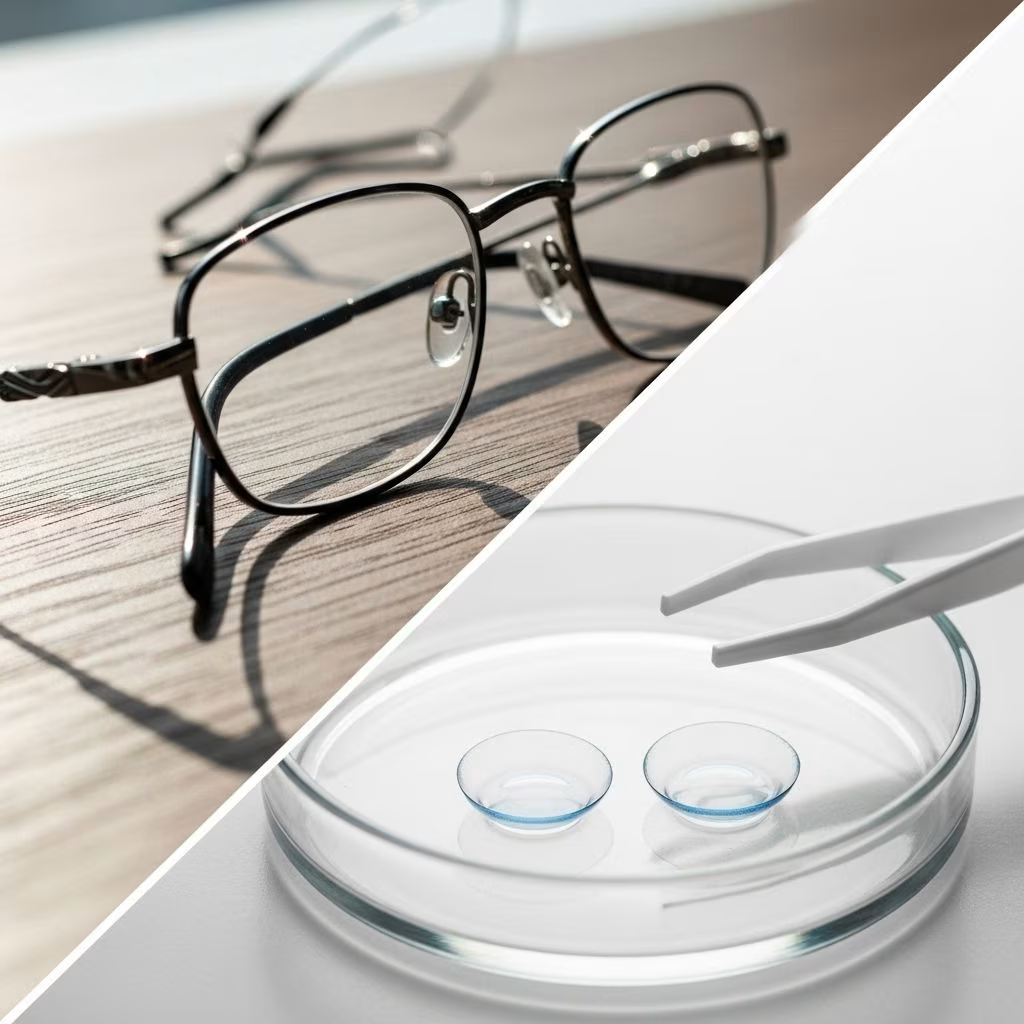
Both glasses and contact lenses correct refractive errors such as nearsightedness, farsightedness, and astigmatism. Glasses sit on the bridge of your nose, refracting light as it enters your eyes. Contacts, in contrast, are thin lenses placed directly on the cornea—offering seamless, 360-degree vision. Both come with unique features, costs, and lifestyle impacts.
| Feature | Glasses | Contacts |
|---|---|---|
| Placement | Worn on the face | Worn directly on the eyes |
| Peripheral Vision | Limited | Full, unobstructed |
| Maintenance | Low | Moderate to High |
| Style Impact | Statement-making | Invisible, subtle |
| Activity Compatibility | May slip or fog | Stable during sports |
| Cost Over Time | Lower (one-time) | Higher (recurring) |
7 Reasons Why Contacts Might Change Your Life
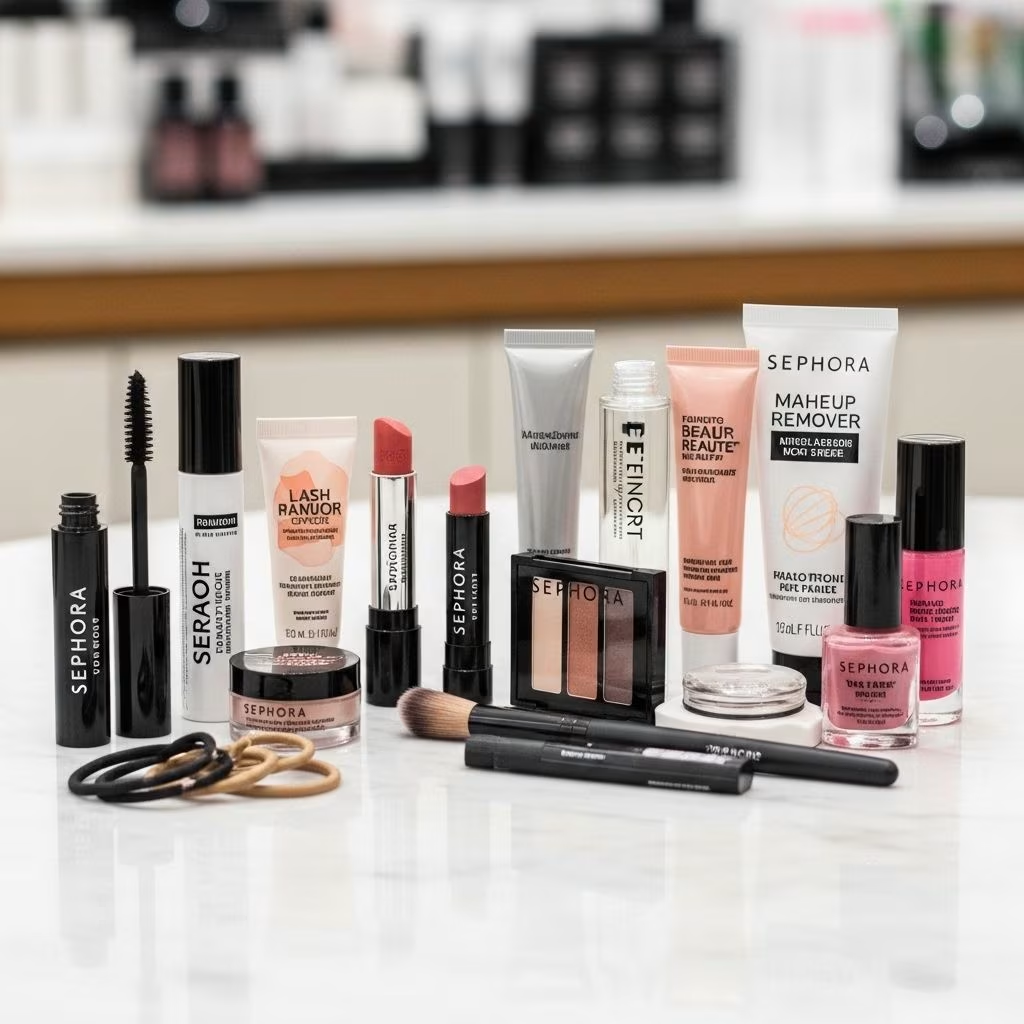
- You can actually see when applying eye makeup.
Doing a spotless cat-eye is nearly impossible when your glasses are in the way, or worse, you have to squint at the mirror without them. With contact lenses, you can clearly see every flick and blend, resulting in flawless makeup every time.
- You can showcase your eye makeup art.
What’s the point of mastering intricate looks if they’re hidden behind two layers of glass? Contacts allow your eyes—and your skills—to take center stage. Friends are far more likely to notice and compliment your artistry.
- Contacts won’t slide, even when you break a sweat.
Glasses tend to slip down your face during workouts, making you pause mid-run to adjust them. Contacts stay put, letting you focus on your form and beat—not on your frames.
- They’re a yogi’s best friend.
Whether you’re in downward-facing dog or eagle pose, contacts let you move freely without worrying about glasses falling off, getting mangled, or limiting your view of the mirror (and yourself).
- You can’t smudge your contacts.
Smudged lenses are the bane of glasses-wearers—between makeup brushes, hand cream, and romantic encounters, your lenses can constantly need cleaning. Contacts are immune to all smudges.
- No more nose pad indents—ever.
Glasses can leave sore marks on your nose, particularly if you wear them all day. Contacts eliminate this issue altogether, causing no visible imprints.
- Say goodbye to flash-induced glare in photos.
Nothing ruins a good selfie like a blinding flash bouncing off your glasses. Contacts keep your eyes looking bright and natural in every shot—no expensive coatings required.
Advantages of Glasses: Why Many Still Love Their Frames
- Effortless convenience. Just put them on—no sterile routine or special solution necessary. You never have to touch your eyes or worry about losing a tiny lens down the sink.
- Lower long-term costs. Though the upfront cost can be high, a single pair of glasses may last for several years, making them more affordable over time compared to buying fresh contacts monthly or quarterly.
- Protection from elements and visible fashion. Glasses form a barrier against dust, wind, and debris, while offering endless style possibilities through frame shapes, colors, and designer brands.
- Lens versatility. You can select glasses with photochromic or polarized lenses to limit glare and provide extra comfort in bright environments, as well as blue light-blocking or high-index options tailored to your needs.
- Lower risk of eye infections. With less direct contact with your eyes, the chance of introducing dirt, allergens, or bacteria is reduced.
Disadvantages of Glasses
- Can fog up and slip off during exercise or in steamy settings. Going from cold air to a warm room, or breaking a sweat, leads to sudden fogging and constant readjustment.
- Distracting glare and reflection in photos or on screens. Even with advanced coatings, lenses may reflect overhead lights or camera flashes, interfering with your vision and style.
- Possible discomfort and nose pad imprints. Heavy or poorly-fitting frames can leave lasting marks on your nose and cause headaches after long periods of use.
- Peripheral vision is constrained. The frames can block side views, requiring head movement for a full field of vision.
Disadvantages of Contacts
- Maintenance and hygiene matter. Contacts need to be cleaned, disinfected, and stored in solution daily. Neglect can lead to red eyes, infections, and other health risks.
- Ongoing costs add up. Contact lenses must be purchased frequently, and solution adds to the total expense. Even if your prescription remains steady, the regular replacement cycle continues.
- Risk of eye irritation and dryness. Some wearers experience dry, itchy, or red eyes after long periods of use, especially in dry, air-conditioned settings or when staring at screens for hours.
- Not all eyes are suited for contacts. Certain medical or anatomical conditions (like severe dry eye or allergies) can make contacts uncomfortable or impossible to wear safely.
Who Should Choose Contacts?
Contacts are ideal for:
- People with active lifestyles who play sports, run, or do yoga—contacts won’t slip or obstruct your view.
- Those who like to experiment with makeup or want to show off their natural eyes without frames.
- Individuals desiring a full, unobstructed field of vision during daily activities.
- Anyone who frequently takes photos and wants glare-free, natural-looking eyes.
Who Should Consider Glasses?
Glasses are recommended for:
- People seeking a low-maintenance, instantly wearable vision solution.
- Individuals prone to eye irritation, allergies, or who dislike touching their eyes.
- Anyone who wants to make a fashion statement or express personality through frames.
- Those concerned about the cost of replacing contacts over time.
Is It Okay to Switch Between Contacts and Glasses?
Absolutely. Many people keep both on hand—wearing glasses at home and contacts for outings or workouts. Your eyes may benefit from occasional breaks from contacts, especially if you’re prone to dryness. Talk to your eye care professional about finding your optimal routine.
FAQs About Contacts and Glasses
Is it safe to wear contacts every day?
Yes, provided you follow hygiene recommendations, use the right solution, and give your eyes time to rest, especially at night or on dry days. If your eyes become irritated, switch to glasses temporarily and consult your eye doctor.
Can I wear makeup with contact lenses?
Definitely. In fact, contacts make it easier to apply eye makeup—and showcase your artistry—since nothing blocks your view or hides your blending skills. Just insert contacts before makeup application and remove them before makeup removal for the safest experience.
Will contacts work for astigmatism or multifocal needs?
Yes, most prescriptions are available in both glasses and contact lens formats, including for astigmatism (toric lenses) and multifocal solutions. Your optometrist can help pinpoint the best option.
Are glasses really more affordable?
In most cases, yes. While designer frames and advanced lenses can be costly upfront, one pair may last for years—whereas contacts are replaced routinely. Add up monthly contacts and solution and you may find glasses are budget-friendlier in the long run.
Can I sleep in my contact lenses?
Some brands are approved for extended or overnight wear, but most should be removed before bed to prevent dryness or infection. Always follow your lens instructions and eye care provider’s guidance.
How to Decide: Contacts, Glasses, or Both?
Ultimately, there’s no universal answer. Your visual needs, comfort, activities, and style all play a part in determining whether contacts, glasses, or a flexible mix will be your vision solution. Rather than treat it as an unchangeable allegiance, consider adapting your eyewear to your week—or even your mood. Consult your optometrist to select the safest, most comfortable options tailored for you.
Tips for Getting the Most from Your Eyewear
- For contacts: Always follow hygiene guidelines; never sleep in lenses not designed for overnight use; use only recommended solutions.
- For glasses: Clean lenses regularly with the right cloth; adjust frames for best fit; explore frames that match your personality and wardrobe.
Further Resources
- Consult your eye care professional before switching types of vision correction or if you experience discomfort.
- Explore vision insurance options for discounts on exams and prescription eyewear.
- Try sample pairs—many providers offer trial contact lenses.
References
- https://www.cosmopolitan.com/style-beauty/beauty/a9524574/contacts-vs-glasses/
- https://www.2020mag.com/article/cosmopolitan-match-eyewear-wnx
- https://bcbsfepvision.com/contact-lenses-vs-eyeglasses-what-you-need-to-know/
- https://www.smartbuyglasses.com/optical-center/prescription/glasses-vs-contact-lenses-pros-and-cons/
- https://www.cosmopolitan.com/health-fitness/news/a55670/how-contact-lenses-affect-eye-health/
- https://pmc.ncbi.nlm.nih.gov/articles/PMC5726983/
- https://www.aoa.org/healthy-eyes/vision-and-vision-correction/types-of-contact-lenses