Cortisone Shots for Acne: What You Need to Know
Cystic acne can be distressing—causing pain, inflammation, and sometimes leaving lasting scars. While many over-the-counter remedies and prescription solutions exist, cortisone shots stand out as a rapid, highly targeted option reserved for severe or stubborn breakouts. Used under the guidance of a dermatologist, these injections can bring almost immediate relief by shrinking painful nodules and reducing swelling fast.
What Are Cortisone Shots?
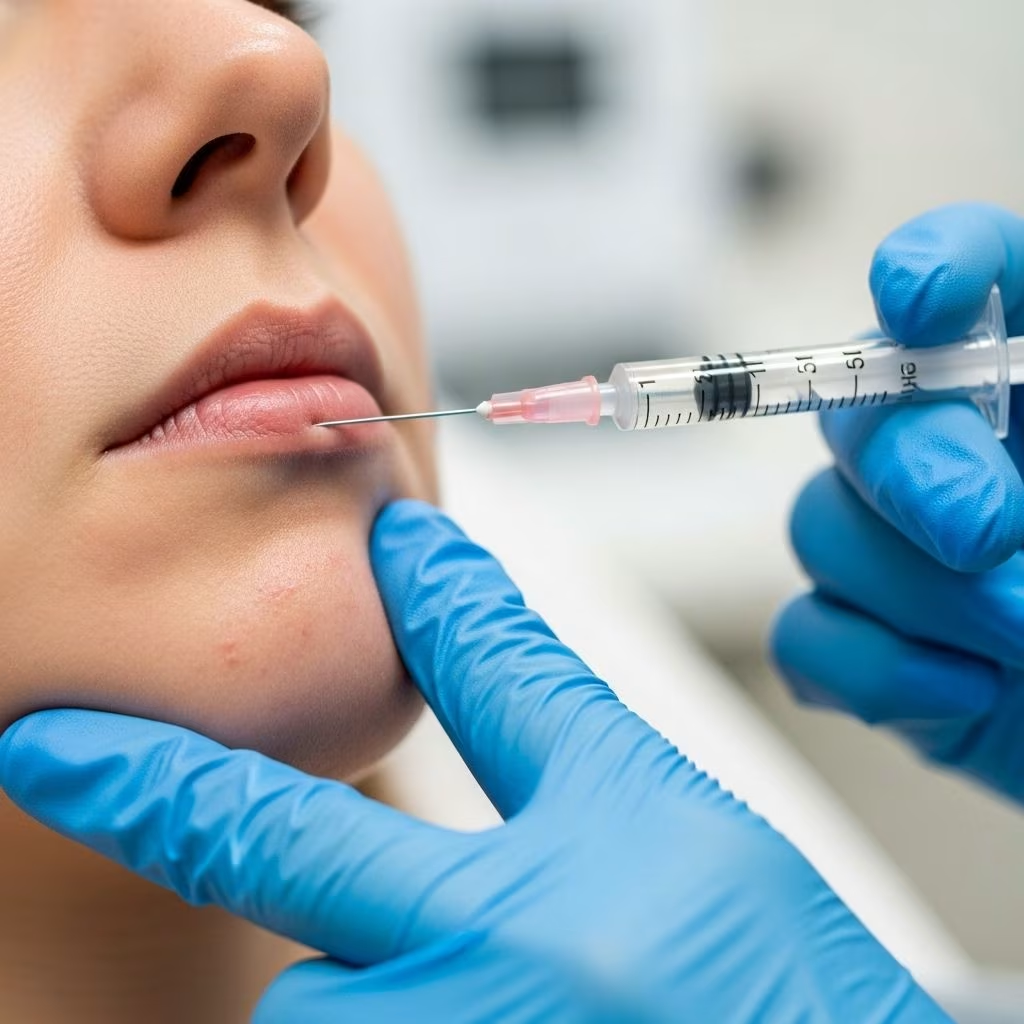
A cortisone shot is a treatment in which a dermatologist injects a small amount of diluted corticosteroid medication directly into a painful acne lesion, typically a cyst or nodule. Corticosteroids are artificial hormones modeled after cortisone produced naturally in the body, but injected cortisone is much more concentrated, offering powerful and direct anti-inflammatory effects that topical or oral medications may not match for localized, severe lesions.
- Corticosteroids rapidly reduce swelling, redness, and pain.
- Injected directly into a lesion for targeted relief.
- Typically applied to cystic or nodular acne that resists other treatments.
Unlike anabolic steroids, which can increase muscle mass but also pose health risks, corticosteroids used for acne target inflammation without those muscle-related side effects.
Who Should Consider a Cortisone Shot for Acne?
Cortisone injections are not a go-to solution for everyday pimples or blackheads. Instead, they are mainly reserved for:
- Cystic acne: Large, tender, pus-filled bumps deep under the skin.
- Nodular acne: Solid, painful lumps that do not respond well to creams or oral medication.
- Occasional spot treatment of severe, isolated lesions, such as before a big event.
Individuals commonly considered suitable for this treatment:
- Are experiencing painful or swollen acne nodules that are persistent and not improving with standard therapy.
- Are at high risk of scarring, especially those with prior acne scars.
- Seek speedy relief—for instance, before an important social occasion or event.
How Do Cortisone Shots Work?
Cortisone is one of the body’s natural anti-inflammatory hormones. When injected at a high concentration directly into an acne nodule, cyst, or inflammatory lesion, it acts rapidly to:
- Suppress local inflammation
- Reduce swelling and redness
- Minimize pain
By delivering medication exactly where it is needed, cortisone injections can flatten and shrink deep, painful lesions within days—sometimes less than 24 hours. This helps to reduce the risk of lesions rupturing and forming scars.
The Procedure: What To Expect When Getting a Cortisone Shot
A cortisone shot for acne is a swift office procedure performed by a board-certified dermatologist. Here is a step-by-step overview:
- Consultation: Your dermatologist assesses your acne to determine if you are a good candidate for the procedure.
- Preparation: The skin around the target lesion is cleaned, sometimes with an antiseptic solution.
- Injection: A tiny needle injects a measured amount of corticosteroid directly into the lesion. This usually takes just a few seconds and causes minimal discomfort.
- Aftercare: There is no downtime—you can return to daily activities right away.
The treatment is localized, so it does not impact the rest of your skin or body like oral medications might.
How Fast Do Cortisone Shots Work for Acne?
One of the primary reasons cortisone injections are popular for cystic acne is their speed of action. Patients typically notice:
- Reduced pain and swelling: Often within 24 to 48 hours.
- Flatter, less noticeable lesions: Usually in 3 to 7 days after injection.
- Long-lasting effects: Most treated acne lesions heal without needing another injection.
Benefits of Cortisone Injections for Acne
- Rapid relief from inflammation, swelling, and discomfort.
- Reduces risk of scarring by preventing cysts from rupturing.
- Minimally invasive and brief procedure with no downtime.
- Targeted therapy—addresses severe individual spots rather than the whole face.
This makes cortisone shots particularly valuable for people with persistent, painful cystic lesions that linger for weeks or months, or who are prone to post-acne scarring.
Potential Risks and Side Effects
While cortisone injections for acne are generally considered safe, some temporary side effects may occur, especially if the treatment is repeated too often:
- Skin thinning (atrophy): The skin at the injection site may appear depressed or dimpled. This effect is typically temporary but may last up to a year in rare cases.
- Loss of skin pigmentation (hypopigmentation): The skin may become lighter, particularly in patients with darker skin tones.
- Fat atrophy: A reduction in the layer of fat under the skin, which may also appear as a slight indent or dimple.
- Bruising or redness: Mild and short-lived.
Most adverse effects, if they occur, resolve within 6 to 12 months. Serious complications are rare when injections are administered by a qualified professional and not given too frequently.
Who Should Avoid Cortisone Shots?
- Individuals with mild, non-cystic acne usually do not benefit from this treatment.
- People prone to abnormal skin healing or with certain skin disorders should discuss risks with a dermatologist.
- Those with known allergies to corticosteroids.
How Often Can You Get Cortisone Shots for Acne?
Cortisone shots are intended as an occasional, emergency solution rather than a long-term, repeat treatment. Getting shots too frequently increases the risk of skin thinning and other local side effects. Dermatologists typically recommend spacing out injections based on individual healing response and only targeting severe lesions, not every blemish.
Combining Cortisone Injections with Other Acne Treatments
For most people battling severe or cystic acne, a multi-modal approach is best. Cortisone injections are most effective when integrated into a comprehensive acne treatment plan, which may include:
- Topical treatments: Benzoyl peroxide, salicylic acid, retinoids, azelaic acid, topical antibiotics, and clascoterone (Winlevi).
- Oral medications: Antibiotics, hormonal therapies (such as birth control pills or spironolactone), and isotretinoin (for severe cases).
Always speak with a dermatologist before making changes or adding new therapies, as professional assessment ensures the safest, most effective plan for your skin type and acne severity.
Table: Cortisone Shots vs. Other Acne Treatments
| Treatment Type | Speed of Results | Main Uses | Potential Side Effects |
|---|---|---|---|
| Cortisone Shot | 1–3 days | Cystic/nodular acne, emergencies | Skin thinning, pigmentation loss, rare indentations |
| Topical Creams | 2–12 weeks | Mild to moderate acne | Irritation, dryness, peeling |
| Oral Antibiotics | 4–8 weeks | Inflammatory, widespread acne | GI upset, antibiotic resistance |
| Isotretinoin (Accutane) | 1–4 months | Severe, resistant acne | Dryness, mood changes, birth defects (if pregnant) |
Frequently Asked Questions (FAQs) About Cortisone Shots for Acne
How long does it take for a cortisone shot to work on acne?
Most patients see improvement in swelling and pain within 24 to 72 hours. Full flattening of the lesion typically occurs in under a week.
Does getting a cortisone shot hurt?
The injection is relatively quick with minimal discomfort, similar to a minor pinprick. Most people tolerate the process well.
Are cortisone shots a permanent fix for acne?
No. While they can resolve an individual cyst quickly, they do not address the underlying causes of acne. Ongoing therapy with other medications or lifestyle adjustments may be necessary.
Can cortisone injections be used to treat all types of pimples?
Cortisone shots are only recommended for large, inflamed cystic or nodular lesions—not for common whiteheads, blackheads, or milder breakouts.
Can I get a cortisone shot for acne at any dermatologist’s office?
Most board-certified dermatologists offer this procedure, but not every practice does. Always schedule a consultation for an evaluation and to discuss your suitability for the treatment.
Key Takeaways for Anyone Considering a Cortisone Shot
- Fast-acting relief for deep, painful cysts or nodules resistant to other treatments.
- Minimizes risk of scarring, especially for those with a history of post-acne marks.
- Treatment is quick and minimally invasive with little downtime and few side effects when managed by a professional.
- Not suitable for mild or surface acne spots.
- Best used as part of a comprehensive acne management plan.
When to Speak to a Dermatologist
If you struggle with persistent, deep, or painful acne lesions that do not seem to improve with creams, washes, or oral medications, consult with a board-certified dermatologist. Early intervention with targeted treatments like cortisone injections can reduce pain, speed up healing, and help prevent scarring, offering both physical and emotional relief for many individuals burdened by severe acne.
References
- https://www.goodrx.com/health-topic/dermatology/cortisone-shot-for-acne
- https://www.schwarzderm.com/cortisone-injections.php
- https://www.melosangeles.com/post/understanding-cortisone-injections-for-acne-a-quick-fix-for-severe-breakouts
- https://www.healthline.com/health/do-cortisone-shots-work-for-acne
- https://skinwellness.com/learn/what-i-wish-id-known-before-i-got-my-first-cortisone-shot/
- https://www.ncbi.nlm.nih.gov/books/NBK573050/
- https://metropolisdermatology.com/dermatology-procedures-brentwood/medical-dermatology/acne-cortisone-shot/
- https://www.acnesupport.org.uk/treatment/steroid-injections/
- https://www.thedermspecs.com/blog/how-does-a-cortisone-injection-work/
- https://www.wallstreetdermatology.com/medical-procedures/acne-injections/