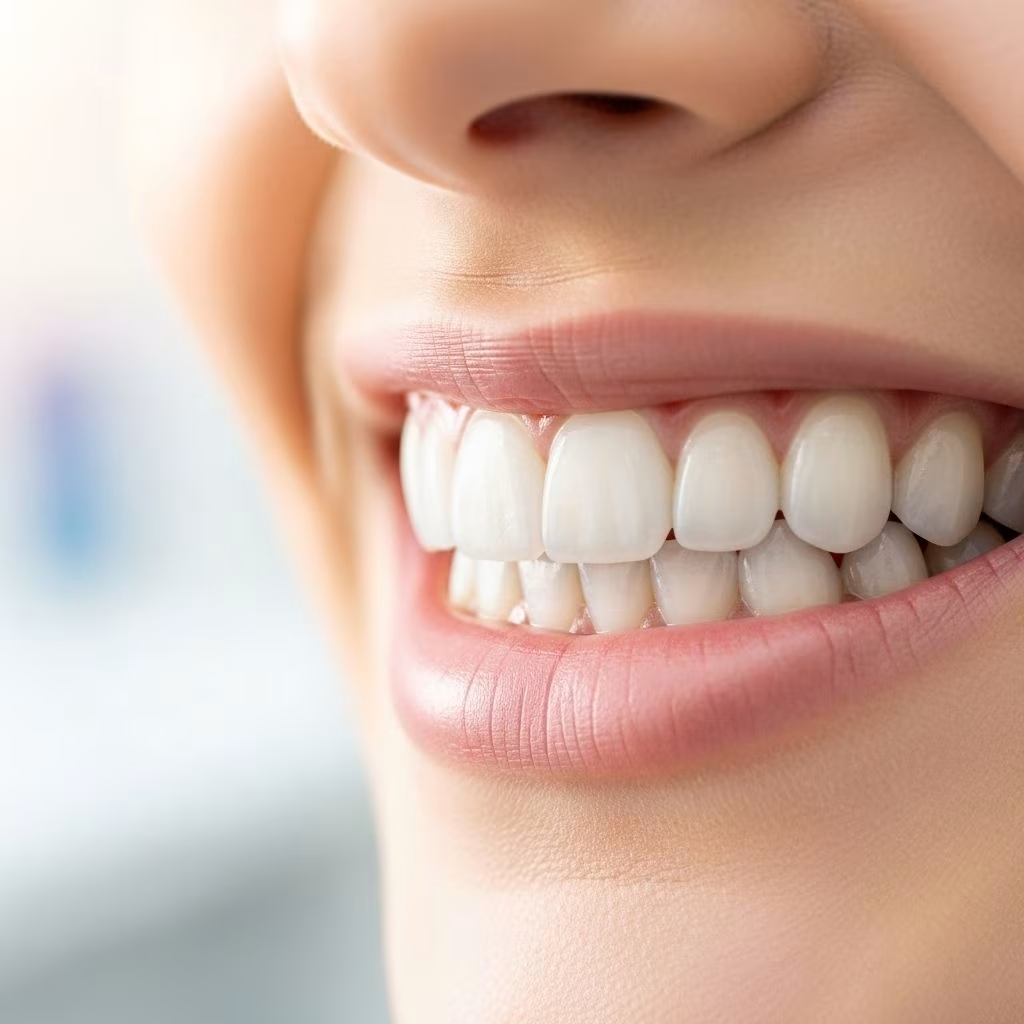
What Are Dental Veneers?
Dental veneers are ultra-thin, custom-made shells designed to cover the front surface of teeth, providing an instantly brighter, more even, and flawless smile. Engineered from durable materials such as porcelain or composite resin, veneers are bonded to the enamel, masking imperfections while retaining most of your natural tooth structure. Their primary appeal is addressing significant dental concerns—such as deep stains, chips, gaps, or minor misalignment—in just a few appointments without months of orthodontic treatment.
- Material: Porcelain or composite resin
- Designed for: Stains, chips, gaps, mild misalignment
- Longevity: Porcelain (10–20 years), Composite (5–7 years)
- Appointments: Usually 2–3 sessions over 2–4 weeks
- Permanence: Most require some enamel removal
The History and Evolution of Dental Veneers
Veneers originated in Hollywood: in 1928, Dr. Charles Pincus created temporary acrylic shells for actors to enhance their on-screen smiles. Modern advances began in the 1950s with the development of acid-etch bonding, and by the 1980s, reliable porcelain veneer techniques were commercially viable. Today, ultrathin ceramics, advanced adhesives, and computer-aided design offer longer-lasting, natural results for anyone seeking a smile makeover.
What Dental Issues Do Veneers Address?
- Tooth discoloration (including stains resistant to whitening)
- Chips and cracks that affect appearance
- Worn enamel due to aging or acid wear
- Minor gaps or misalignment
- Irregularly shaped or uneven teeth
Whether it’s covering intrinsic discoloration from antibiotics or trauma, closing small gaps, correcting minor crookedness, or restoring the appearance of worn/short teeth, veneers offer a minimally invasive and highly customizable solution.
Types of Dental Veneers
| Type | Preparation Needed | Avg. Lifespan | Best For |
|---|---|---|---|
| Porcelain | Minimal enamel removal | 10–20 yrs | Ultimate strength & esthetics |
| Composite | Same-day, little prep | 5–7 yrs | Budget-friendly, repairable |
| No-Prep/Lumineers | Little to none | 5–10 yrs | Conservative cases; least invasive |
| Zirconia | Moderate prep | 15 yrs+ | Heavy bite/grinders |
| Snap-On (removable) | None | Short term | Temporary use/special events |
During your consultation, your dentist will help you choose the best material for your needs, lifestyle, timeline, and investment.
Step-by-Step: The Dental Veneer Procedure
- Consultation: Initial assessment of oral health and discussion of cosmetic goals. X-rays or digital impressions may be taken for accurate planning.
- Preparation: A thin layer (usually 0.3–0.7 mm) of enamel is removed from the tooth’s front. This ensures a natural fit and allows for secure bonding. Temporary veneers may be placed if required.
- Impressions: Detailed impressions are sent to a dental lab for fabrication of custom veneers. The process can take 1–2 weeks.
- Bonding: The dentist checks the fit and color, makes necessary adjustments, and bonds the veneer to the tooth using high-strength dental adhesive cured with ultraviolet light.
- Final Adjustments: Excess cement is removed and your bite is evaluated for comfort and natural look.
- Follow-up: A review appointment after several weeks ensures healing and proper integration.
What to Expect: Before, During, and After Veneers
Before: The dentist will evaluate your oral health, discuss your aims (such as closing gaps or whitening), and design a personalized plan. It’s essential to ask about the procedure, costs, materials, and recovery so you’re fully informed.
During: Local anesthetic is typically provided for comfort; you may experience minor pressure but not pain. Multiple teeth can be prepared in one appointment, with the placement of temporary covers if fabrication requires time. The final application usually takes 1–2 hours on a separate visit.
After: Immediately following your procedure, your teeth may feel sensitive or your mouth may be slightly sore—this resolves within days. Eating, speaking, and other daily activities resume quickly. Follow-up visits confirm successful healing and proper bite.
Pros and Cons of Dental Veneers
- Pros:
- Instantly enhances smile appearance
- Natural, lifelike look that mimics tooth enamel
- Durable—lasts 5 to 20 years depending on material
- Minimally invasive compared to crowns
- Stain-resistant (porcelain)
- Cons:
- Requires removal of some enamel (irreversible)
- Possible tooth sensitivity post-procedure
- Replacement required after 5–20 years
- Costs can be significant (not typically covered by insurance)
- Not suitable for severe alignment issues or oral health concerns
How Much Do Dental Veneers Cost?
Cost range: Porcelain veneers typically cost between $900 and $2,500 per tooth, while composite veneers start around $400–$1,200 per tooth. Pricing depends on:
- Material selected
- Number of teeth treated
- Complexity of case and geographic location
- Experience and technology used by your dentist
Most dental insurance plans classify veneers as cosmetic and do not cover these procedures. Financing packages, payment plans, or dental memberships might help offset costs.
Aftercare: Keeping Veneers Looking Great
- Brush and floss daily, just like natural teeth.
- Schedule routine dental cleanings twice annually.
- Avoid biting hard objects (ice, pens, fingernails) to prevent chipping.
- Minimize staining beverages (coffee, red wine) for composite veneers.
- Wear a night guard if advised, especially if you grind teeth during sleep.
- Promptly report any discomfort or damage to your dentist.
With routine care, porcelain veneers retain their brilliance and strength for a decade or longer.
Risks and Limitations
- Irreversible: Enamel removal is permanent; the tooth will always need protection.
- Sensitivity: Temporary sensitivity to hot/cold is common.
- Veneer loss or damage: Replacements can be required in the event of a chip, crack, or debonding.
- Not for everyone: Veneers may not be recommended for those with gum disease, active decay, or excessive teeth grinding.
Who Makes a Good Candidate for Dental Veneers?
- Healthy gums and sufficient tooth enamel
- Desire to correct stains, chips, small gaps, or uneven teeth
- Commitment to oral hygiene and regular dental visits
Those with extensive cavities, gum disease, or very misaligned teeth may require other restorative or orthodontic treatments first.
Frequently Asked Questions (FAQs) About Dental Veneers
Can veneers fix crooked teeth?
Veneers can visually straighten minor crookedness but are not suitable for severe misalignment. Orthodontics may be needed in such cases.
Is getting veneers painful?
The procedure is minimally uncomfortable; local anesthetic is used to ensure comfort, and most people resume normal activities within hours.
Will my veneers look natural?
Modern veneers are crafted to match the color and translucency of real enamel, resulting in a highly natural appearance—especially with custom digital design.
How long do veneers last?
Porcelain veneers last 10–20 years, composite resin lasts about 5–7 years, and no-prep/lumineers may last up to 10 years with proper care.
Can veneers stain?
Porcelain veneers resist stains, but composites are more prone to discoloration from coffee, tea, or smoking. Good oral hygiene helps reduce risks.
Are veneers reversible?
Traditional veneers require irreversible enamel removal. No-prep options (like Lumineers) are less invasive but still alter tooth structure slightly.
Can I eat and drink normally after veneers?
Yes. Veneers perform like natural teeth but avoid biting hard items to prevent damage, and be cautious with dark-colored foods if you have composite veneers.
How do I clean my veneers?
Brush with a soft-bristle toothbrush and non-abrasive toothpaste. Floss and rinse as you would for your natural teeth; regular dental checkups are important.
Is There an Alternative to Veneers?
- Teeth Whitening: Best for extrinsic stains only.
- Orthodontics: Braces or aligners for significant misalignment or gaps.
- Bonding: Composite resin repairs for chips or small cracks.
- Crowns: For severely damaged or decayed teeth.
Summary: Should You Get Dental Veneers?
If you want a dramatic smile transformation with minimal invasiveness, dental veneers could be ideal. Evaluate your dental health, goals, and budget in consultation with a cosmetic dentist. With proper care, veneers provide a natural, lasting enhancement—and the confidence to smile often.
Quick Facts & FAQs
- Veneers are thin, custom tooth coverings for cosmetic improvement.
- Porcelain is most durable; composite is cost-effective but less lasting.
- Most require minor enamel removal; irreversible for traditional types.
- Expect 2–3 appointments; lasting results for 5–20 years with care.
To learn more or explore options, consult with a qualified cosmetic dentist about your unique smile goals.
References
- https://yorkvillagedental.com/a-patients-guide-to-dental-veneers/
- https://www.shiningsmiles.com/dental-veneers-a-comprehensive-guide-to-transforming-your-smile/
- https://signaturedentistry.com.au/veneers
- https://www.champaigndentalgroup.org/about-us/blog-articles/dental-veneers
- https://www.oakbrookdentist.com/blog/a-comprehensive-guide-to-the-different-types-of-dental-veneers-cip208/
- https://www.txdentisttree.com/blog/a-comprehensive-guide-to-the-different-types-of-dental-veneers-cip208/
- https://www.imprintfamilydentistry.com/blog-posts/the-pros-and-cons-of-dental-veneers-a-comprehensive-guide
- https://www.cameronvillagedentistry.com/blog/ultimate-guide-porcelain-veneers-are-right/49674
- https://baltimore-dentistry.com/blog/our-office/2025/11395/dental-veneers-comprehensive-guide/
- https://www.cosmopolitan.com/style-beauty/beauty/a64981163/what-are-dental-veneers/