Essence vs. Serum: The Definitive Skincare Guide
There’s no denying the world of skincare can be overwhelming, especially when faced with a shelf full of products that promise radiant, ageless skin. Among the most commonly misunderstood categories are essences and serums—two buzzworthy steps whose differences, benefits, and ideal uses can make or break your routine. In this guide, we break down everything you need to know about essences and serums, empowering you to make informed choices for healthier, glowing skin.
Essences and Serums: What’s the Core Difference?
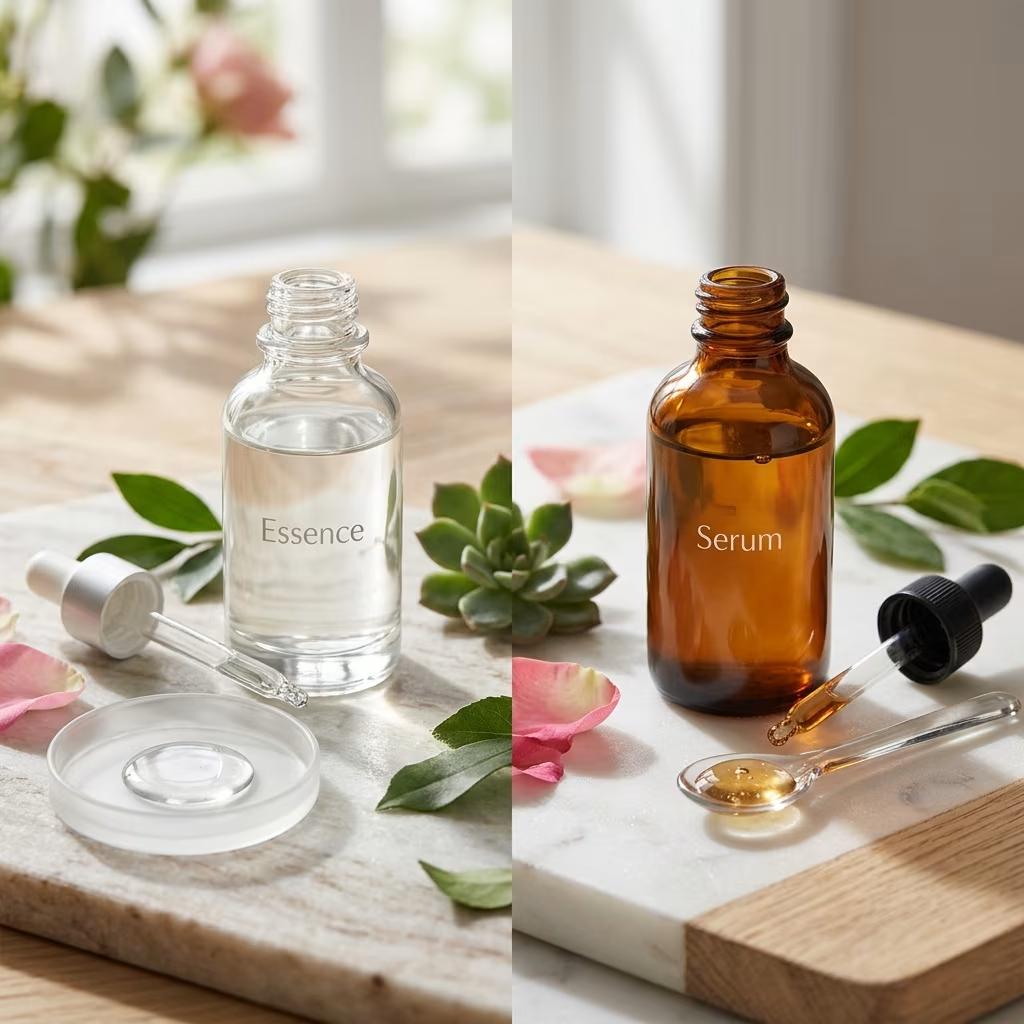
Essences are lightweight, water-like formulas designed to hydrate and prepare skin, making it more receptive to subsequent treatments. Serums, on the other hand, are thicker and more concentrated, packed with active ingredients that target specific skin concerns—like aging, dark spots, or dehydration.
| Aspect | Essence | Serum |
|---|---|---|
| Texture | Thin, watery, quickly absorbed | Thicker, viscous, gel-like |
| Main Purpose | Hydrate, prep skin, enhance absorption | Target specific concerns (e.g., anti-aging, brightening) |
| Key Ingredients | Humectants, soothing botanicals | Antioxidants, peptides, high-potency actives |
| Recommended Use | After cleanser/toner, before serum | After essence, before moisturizer |
| Concentration | Lower | Higher |
Essences Explained: Purpose, Ingredients, and Benefits
Essences originated in Asian skincare, particularly K-beauty and J-beauty routines, and have gained mainstream global popularity. Their primary role is hydration and enhancement, formulated to deliver water-soluble actives that soothe and prime the skin for better absorption of treatments that follow.
- Texture: Typically light, watery, and clear; absorbs almost instantly.
- Main Ingredients: Fermented extracts (e.g., rice, algae, green tea), hyaluronic acid, niacinamide, botanical humectants.
- Benefits: Boosts skin’s natural radiance, supports cell turnover, hydrates deeply without greasiness, enhances subsequent product efficacy.
- Usage: Layer immediately after cleansing and toning, morning and night.
One standout example is Tatcha’s The Essence, built around fermented superfoods to resurface and plump the skin while improving the absorption of serums and moisturizers.
Why Add an Essence to Your Routine?
- Rapid Hydration: Delivers moisture fast, ideal for all skin types.
- Rejuvenation: Supports natural cell turnover for fresher, healthier skin.
- Preparation: Preps skin for more potent treatment products, making them more effective.
Serums Decoded: Targeted Treatments for Complex Skin Concerns
Serums are celebrated for their high concentration of potent ingredients, developed to address precise concerns at a deeper skin level. Their advanced formulas can deliver transformative results for issues such as wrinkle reduction, pigmentation correction, and collagen support.
- Texture: Thicker than essences; gel- or emulsion-like consistency.
- Main Ingredients: Peptides, antioxidants, retinoids, vitamin C, hyaluronic acid, plant stem cells.
- Benefits: Firming, brightening, anti-aging, hydration, clarifying, soothing for sensitive skin.
- Usage: Apply post-essence, before moisturizer, preferably tailored to primary skin concern.
Serums offer advanced customization, with formulas specifically targeting problems like fine lines, loss of elasticity, uneven skin tone, and dehydration. For example, anti-aging serums rely on peptides and antioxidants to boost collagen, while brightening serums tap into vitamin C for radiant skin.
Why Invest in a Serum?
- Potency: Active ingredients reach deeper layers for more noticeable results.
- Customization: Wide variety of formulas means you can address changing or multiple concerns.
- Performance: Enhanced efficacy thanks to science-backed actives and advanced delivery systems.
The Blurring Lines: Modern Formulations and Innovation
The space between essences and serums is becoming less distinct, as modern products are formulated with hybrid characteristics. Essences can now contain higher concentrations of actives, while serums can be more lightweight—making texture and concentration less definitive than purpose and function.
- Some Essences Now Include High-Strength Actives: Offering similar benefits to serums but usually with a lighter feel.
- Serums Getting Lighter: Ideal for layering without feeling heavy or greasy.
- Multi-tasking Formulas: Some products may be labeled as “essence-serum.” It’s best to use product intent and ingredient list as your guide.
Where Do Essences and Serums Fit in Your Routine?
Proper sequencing of products can improve efficacy and results. The golden rule is apply from lightest to heaviest:
- 1. Cleanser: Removes daily impurities.
- 2. Toner: Balances pH and removes residual debris.
- 3. Essence: Delivers hydration, primes skin.
- 4. Serum: Treats targeted concerns.
- 5. Moisturizer/Emulsion: Seals in actives and hydrates further.
- 6. Sunscreen (AM): Protects skin from UV damage.
One subtle exception: Serums with strong acids (BHAs/AHAs) may go before essences to ensure the correct pH for exfoliation.
Comparing Key Benefits: Essence vs. Serum
- Essence: Best for daily hydration, prepping, supporting skin function.
- Serum: Best for targeting specific problems like pigmentation, fine lines, or loss of firmness.
| Skin Concern | Essence | Serum |
|---|---|---|
| Hydration | Excellent | Excellent (often with hyaluronic acid) |
| Anti-aging | Good (promotes cell renewal) | Superior (peptides, antioxidants) |
| Brightening | Moderate (skin renewal) | Superior (vitamin C, niacinamide) |
| Sensitive skin | Excellent (soothing, calming) | Depends on formula (look for gentle ingredients) |
| Layering | Essential (primes skin) | Crucial for customization |
How to Choose: Should You Use an Essence, Serum, or Both?
Your skin’s needs should drive your product choices:
- All skin types benefit from an essence for quick hydration and enhanced absorption.
- Serums are a must if you’re seeking solutions for specific concerns (e.g., aging, dullness, hyperpigmentation).
- Combining both can amplify results—studies show that layering an essence before a serum can give better hydration, firmness, and elasticity.
- If your routine is basic, start with an essence and add a serum as needed.
Expert Tips for Maximizing Results
- Layer Wisely: Always start with the most watery product and end with the heaviest.
- Patch Test: When trying new actives, test a small skin area first.
- Personalize: Adjust routine seasonally—more hydration in winter, more antioxidants in summer.
- Read Labels: Ingredient concentration and order often tell you about potency and purpose.
- Don’t Overcomplicate: More isn’t always better. Focus on skin needs.
Frequently Asked Questions (FAQs)
Can you use an essence and serum together?
Absolutely. Essences prepare and hydrate the skin, increasing the efficacy and absorption of serums applied afterward. This layering is foundational in Asian skincare traditions and is recommended for maximizing results.
Do I really need both an essence and a serum?
Not necessarily. If hydration and gentle support are your goals, essence may suffice. If you want to target stubborn concerns, add a serum. Combining both is best for comprehensive care, but tailor usage to your skin’s feel and response.
Is the order of application important?
Yes—lightest to heaviest is key. Essence first, then serum, and finally moisturizer. Applying serum before essence can hinder absorption and lessen effects.
Can essences and serums cause irritation?
Both are generally safe, but higher-concentration serums with exfoliating acids or retinoids can cause irritation for sensitive skin. Always patch test and start slow.
Are essences and serums suitable for all skin types?
Most essences are suitable for every skin type, including sensitive skin, due to their gentle hydration focus. Serums vary with formulation—select ones that match your specific needs and sensitivities.
Choosing the Best Products: Ingredient Checklist
- For Essence: Look for fermented extracts, hyaluronic acid, soothing botanicals.
- For Serum: Peptides, vitamin C, antioxidants (vitamins A, E), niacinamide, retinol for advanced results.
- Avoid: Harsh fragrances, unnecessary fillers, particularly if skin is sensitive or reactive.
Skin Types and Concerns: Who Should Use What?
- Dehydrated, dull skin: Essence with hyaluronic acid followed by a brightening serum.
- Mature skin: Anti-aging serum with peptides and antioxidants after a nourishing essence.
- Sensitive skin: Gentle essence, soothing serum with minimal acid or fragrance.
- Hyperpigmentation: Essence to hydrate, targeted serum with vitamin C or niacinamide.
Key Takeaways: Essence vs. Serum in Modern Skincare
- Essence: Foundation for hydration and product absorption.
- Serum: Intensive, targeted treatment—the specialist in your routine.
- Layering both: Amplifies visible improvements in skin hydration, texture, and clarity.
Whether your skincare is minimalist or multi-step, understanding the unique strengths of essences and serums ensures every product works its hardest for your skin’s health and beauty.
References
- https://shikobeauty.com/blogs/how-tos/serum-vs-essence-vs-emulsion-moisturizer
- https://www.tatcha.com/blog/essence-vs-serum-whats-the-difference.html
- https://fashionista.com/2015/02/korean-skin-care-essence-serum
- https://www.sk-ii.com/skincare-101/regimen-help/essence-and-serum-guide
- https://www.fresh.com/us/stories/skincare-education/article-the-difference-between-serums-and-essences.html
- https://asianbeautyessentials.com/blogs/the-idol-beauty-blog/essence-vs-toners-vs-serums
- https://www.lovelyskin.com/blog/p/toners-essences-and-serums-whats-the-difference-and-which-is-right-for-me-
- https://www.furtunaskin.com/blogs/stories/essence-serum