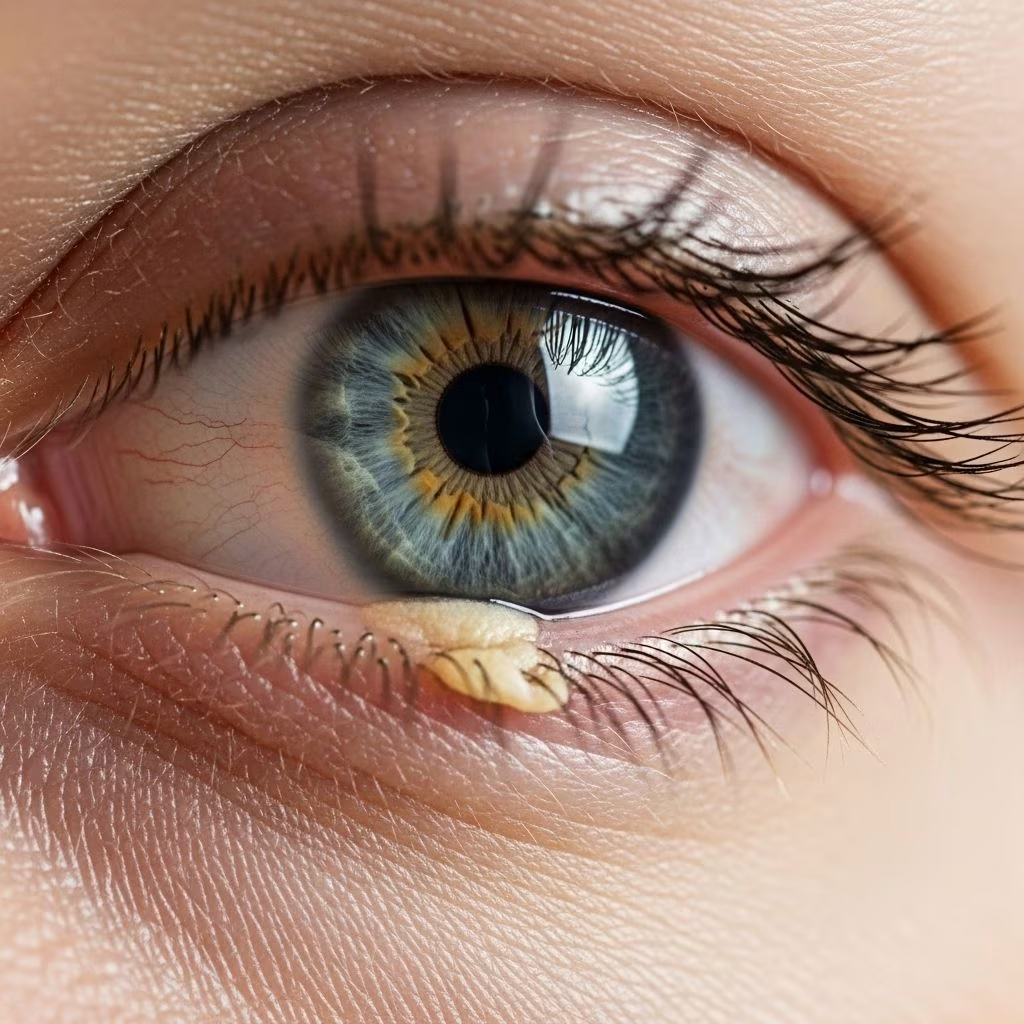
If you’ve ever woken up to find a gritty, sticky residue at the corners of your eyes—or sometimes glued to your eyelashes—you’re not alone. This “eye gunk,” often called eye crusties, is a universal (if sometimes gross) part of waking up. But what exactly is it? Should you be worried if you’re feeling extra crusty? Here’s what you need to know about eye discharge, why it happens, and what to do if yours looks or feels abnormal.
What Are Eye Crusties?
“Eye crusties” is the colloquial term for the dried discharge that collects in the corners of your eyes, especially overnight. The medical term is rheum or sleep—and yes, everyone gets it. It’s made up of a cocktail of substances your eyes naturally produce:
- Water (tears)
- Oil secretions from glands in your eyelid
- Mucous (from your conjunctiva)
- Skin cells and other debris
This mixture keeps your eyes moist and helps flush out tiny irritants. As you sleep and blink less, tears and other fluids can pool and dry, forming the crusty stuff you notice in the morning.
Is Eye Discharge Normal?
Normal eye discharge is usually clear or light yellow, has a sticky or flaky consistency, and shows up only after a night’s sleep. You can remove it with a gentle wipe—no pain or irritation. In most cases, it’s harmless and just a sign that your eyes are doing their job.
When Eye Crusties Are Not Normal
If your eye discharge changes color, becomes especially thick (like pus), or is accompanied by redness, pain, or vision changes, it could signal a problem. Some warning signs include:
- Yellow-green or gray discharge
- Copious amounts of thick gunk throughout the day
- Pain, itching, or burning sensations
- Swollen, red, or tender eyelids
- Stuck-together eyelashes
- Blurred or reduced vision
If you notice any of these issues, it’s time to see a doctor. Let’s break down the most common medical causes next.
Main Reasons for Eye Crusties
While a little early morning rheum is completely normal, some underlying conditions can make your eyes produce more, change its color, or cause associated symptoms.
Common Causes
- Normal Tear Film: As part of your eye’s natural cleaning and protective process, a mixture of oil, mucus, and fluid can dry out overnight.
- Allergies: Allergic reactions to pollen, dust, or other irritants can lead to excess tear and mucus production, resulting in thicker, stringier discharge.
- Dry Eye Syndrome: Dryness can make your eyes overcompensate by releasing more mucus, sometimes forming stringy or sticky clumps.
- Blepharitis: This chronic inflammation of the eyelid margins causes oily, dandruff-like scales to accumulate along the lashes and in the inner corners of your eyes.
- Conjunctivitis (Pink Eye): Caused by infections, conjunctivitis often leads to thick, yellow or green discharge, especially with viral or bacterial causes.
- Blocked Tear Duct: If your tear drainage system is obstructed, fluid can accumulate and dry up, sometimes causing chronic discharge or even infection.
- Contact Lenses: Poor hygiene, wearing lenses too long, or old lenses can cause irritation, infections, or allergic reactions—all triggering more crusting.
- Styes and Chalazia: Both are eyelid bumps caused by blocked glands, which can also result in thickened discharge at the base of the lashes.
| Cause | Typical Discharge | Other Symptoms |
|---|---|---|
| Allergies | Clear, stringy | Itching, redness, watery eyes |
| Conjunctivitis | Yellow, green, or white; thick | Redness, swelling, stuck lashes |
| Dry Eye | Thick, sticky, sometimes stringy | Burning, gritty sensation, blurred vision |
| Blepharitis | Crusty, flaky (dandruff-like) | Eyelid redness, greasy lashes |
| Stye/Chalazion | Yellow or pus-filled lump near lashes | Sensitive bump, eyelid swelling |
How to Get Rid of Eye Crusties
Normal eye gunk is nothing to stress about, and it’s easy to handle as part of your regular routine. Here’s a basic step-by-step:
- Wash your hands thoroughly.
- Use a clean, damp cloth or cotton pad to gently wipe away the discharge from the inner (nose-side) corners outward.
- If the residue is stubborn, soak the cloth in warm water and gently hold it to your closed eye for 30 seconds before wiping again.
- Avoid rubbing or scrubbing, especially if your eyes feel sensitive.
Pro Tip: Never share towels, pillows, or washcloths if you have abnormal discharge, as some causes (like conjunctivitis) are highly contagious.
When to See a Doctor
If your eye discharge suddenly changes in color, quantity, or is paired with discomfort, consider seeing an ophthalmologist or optometrist. You should seek medical advice if you experience:
- Red, swollen, or painful eyes
- Significant changes in your vision
- Discharge that’s green, gray, or thick as glue
- Sticky or crusted-together eyelids that recur throughout the day
- Light sensitivity or a gritty, foreign body feeling that won’t go away
Eye Crusties Prevention Tips
Want to minimize how much eye crust you get? While some morning gunk is inevitable, these habits can help keep your eyes healthy:
- Remove eye makeup thoroughly before bed: Makeup residue can irritate your eyes and contribute to more crusting.
- Wash your face nightly: Use a gentle cleanser to keep the area around your eyes clean.
- Change pillowcases regularly: Dirt, oil, and allergens collect on bedding and can affect your eyes.
- Avoid rubbing your eyes: Rubbing transfers bacteria and irritants.
- Manage allergies: Use medication as recommended by your doctor to control symptoms.
- Practice good contact lens hygiene: Clean and replace lenses as directed and never sleep in them unless prescribed.
What If My Eye Discharge Is Unusual or Persistent?
If you notice any sudden or ongoing changes, don’t ignore them. Some causes—especially infections—require prescription medication or specific treatment. Here’s a quick overview:
- For allergies: Over-the-counter antihistamine eye drops can help, but see your doctor for persistent symptoms.
- Blepharitis: Gentle eyelid scrubs and warm compresses are usually first-line treatment, but severe cases might need prescription ointment.
- Bacterial conjunctivitis: Requires antibiotic drops from a healthcare provider.
- Viral conjunctivitis (“pink eye”): Highly contagious but usually self-resolves in 7–14 days; keep your hands and environment extra clean during outbreaks.
- Blocked tear duct or styes: Warm compresses usually help, but recurring cases should be examined by a professional.
Frequently Asked Questions
Is it normal to wake up with gunk in my eyes every morning?
Yes, most people experience some eye crusties after sleep. It’s just your eyes’ way of cleaning themselves and is generally harmless unless you notice unusual symptoms—or a sudden increase in quantity, color, or discomfort.
Why does my eye discharge suddenly smell bad or look different?
Changes in color (green, yellow, gray), thick or foul-smelling discharge, and the presence of pain, redness, or vision changes can signal an infection or inflammation. See a doctor to rule out conjunctivitis or another problem.
What’s the difference between pink eye and normal morning crust?
Normal crust is light, flaky, and appears only after sleep. Pink eye (conjunctivitis) typically involves thicker, pus-like discharge, redness, irritation, and sometimes glued-shut eyes. It’s often contagious.
Should I be worried if my baby or child has eye discharge?
While some newborns develop eye crust from blocked tear ducts (usually harmless and self-resolving), persistent or colored discharge can signal infection and should be checked by a pediatrician.
Are eye crusties preventable?
You can reduce, but not completely prevent, eye discharge by maintaining good eye hygiene, managing allergies, and keeping your bedding and environment clean.
Best Eye Care Practices
- Never use sharp or dirty objects to clear discharge—use only clean, damp materials.
- Avoid eye drops unless recommended by a doctor, as overuse can worsen irritation.
- If you suspect an infection, avoid touching or rubbing your other eye.
It’s easy to dismiss eye crust as harmless, but it’s worth paying attention to. Trust your instincts—if something feels or looks off, a quick check-in with an eye doctor is always a smart move.
References and Resources
- American Academy of Ophthalmology: Eye Discharge (Gunk)
- Mayo Clinic: Pink Eye (Conjunctivitis)
- National Eye Institute: Blepharitis, Dry Eye, and Eye Hygiene
References
- https://www.parks.ca.gov/pages/663/files/CosmoChronicle_Vol2_ADA-Compliant_20191204.pdf
- https://en.wikipedia.org/wiki/Molly_Maguires
- https://www.cosmopolitan.com/style-beauty/beauty/a3884218/eyebrow-microblading-semi-permanent-tattoos/
- https://www.jstor.org/stable/pdf/42004852.pdf
- https://www.cosmopolitan.com/style-beauty/beauty/how-to/a622/eye-crusties/
- https://www.jstor.org/stable/pdf/20487143.pdf
- https://www.healthline.com/health/vulva-vagina-products