The Allure of Tiny Living for a Flight Attendant
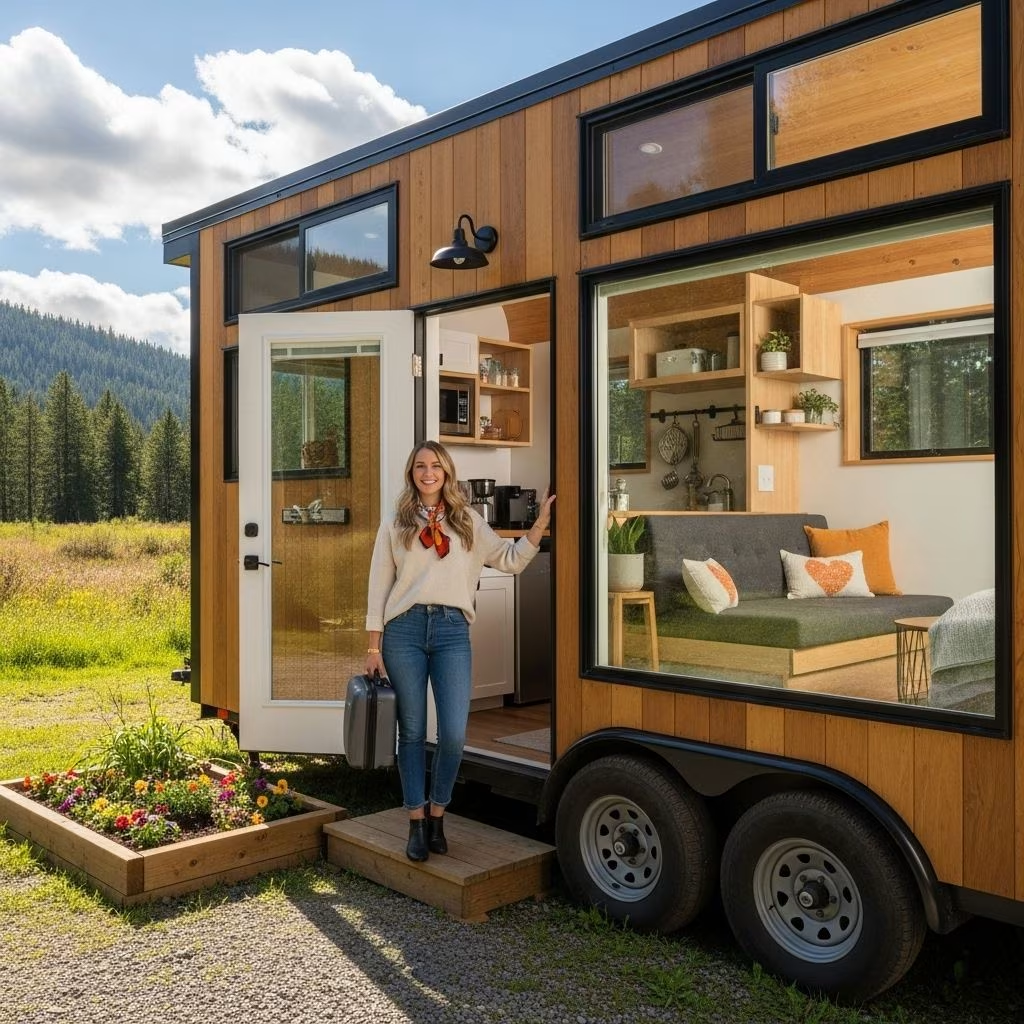
For Lissette Arroyo, a 30-year-old flight attendant, the dream of living small became reality when she moved into a meticulously designed 150-square-foot tiny home in Orlando, Florida. Her profession—constantly on the move, often in uniform, and accustomed to compact spaces—naturally aligned with the tiny house lifestyle. But the journey to minimalism wasn’t just about convenience; it was a deliberate choice to live with less, prioritize experiences over possessions, and gain unprecedented flexibility in where she calls home.
From Chaos to Clarity: The Downsizing Process
Arroyo’s transition to tiny living was as much an emotional journey as it was a practical one. Coming from a background of apartment dwelling—first in New York City, then briefly in a sub-600-square-foot space—she was no stranger to small living. But even then, she found herself surrounded by belongings she rarely used. The move to Orlando, prompted by family reasons, became a catalyst for change.
- Inventory Overload: Before her move, Arroyo owned an astonishing 600 to 700 pieces of clothing, far more than she could ever wear in a tiny home.
- Letting Go: She spent months decluttering, filling garbage bags and boxes, and facing the reality that most of her wardrobe was simply “just-in-case” clutter.
- Minimalist Mindset: Arroyo adopted a new philosophy: keep only what she truly loves and uses. She now owns just 74 clothing items, plus accessories and a few pieces of jewelry.
Arroyo’s Current Wardrobe: A Breakdown
| Category | Quantity |
|---|---|
| Tops | 10 |
| Dresses | 9 |
| Skirts | 7 |
| Pants | 4 |
| Jackets | 3 |
| Shoes | 10 |
| Accessories (hats, scarves) | 23 |
Design and Functionality in a Tiny Space
Arroyo’s tiny home, built by Tiny Heirloom (featured on HGTV’s Tiny Luxury), is a marvel of small-space ingenuity. Every inch is planned for maximum utility and comfort.
- Strategic Storage: The home features one slim closet for dresses, skirts, and jackets, plus numerous drawers for smaller items.
- Uniform Advantage: As a flight attendant, Arroyo wears a uniform to work, which drastically reduces her need for a large wardrobe.
- Empty Spaces: Arroyo has intentionally left some drawers and spaces empty, valuing room for hobbies (like snowboarding gear) over excess clothing.
Daily Life and Routines in a Tiny Home
Living in such a compact space requires creativity and discipline. Arroyo documents her journey on social media, sharing practical tips and personal reflections.
- Morning Routines: Efficient use of space starts from the moment she wakes up. Every action is deliberate, from getting dressed to preparing breakfast.
- Laundry Simplified: With fewer clothes, laundry becomes a quick, manageable task rather than a dreaded chore.
- Entertaining: Hosting friends is possible but intimate—cozy dinners for two, not large gatherings.
The Emotional and Psychological Benefits of Downsizing
Arroyo’s story is more than just about physical space; it’s about mental clarity and emotional freedom.
- Less Stress: Owning fewer things means less to clean, organize, and worry about.
- More Freedom: With her home on wheels, Arroyo dreams of traveling more—potentially basing herself in the western U.S., Nashville, Denver, Canada, or even Costa Rica.
- Self-Discovery: The process of letting go helped Arroyo realize what truly matters. She now invests in experiences and hobbies, not more clothes.
Challenges of Tiny Living
While the benefits are many, tiny living isn’t without its challenges.
- Letting Go of Sentimental Items: Parting with possessions can be emotionally difficult, especially when items represent memories.
- Limited Space for Guests: Entertaining large groups isn’t practical, and overnight guests require creative solutions.
- Pets: Arroyo hopes to welcome a dog into her tiny home, but pet space and needs must be carefully considered.
FAQs: Tiny Living for Flight Attendants
- Q: Is tiny living realistic for people with careers that require travel?
A: Yes, especially for those who spend significant time away from home—like flight attendants. Tiny homes are easy to lock up and leave, reducing worries about security and maintenance. - Q: How do you deal with seasonal clothing in a tiny home?
A: By keeping a minimalist wardrobe, focusing on versatile pieces, and storing off-season items creatively (e.g., under-bed bins, vacuum-sealed bags). - Q: Can you host guests in a tiny home?
A: Yes, but expect intimate gatherings. Seating is limited, and overnight guests may require convertible furniture or planning. - Q: What’s the hardest part of downsizing?
A: Letting go of items with sentimental value and adjusting to a new mindset about possessions and consumption. - Q: Are there pet-friendly tiny homes?
A> Many tiny homes are pet-friendly, but space for animals must be considered in the design, including outdoor “catios” or dog runs.
Looking Ahead: The Future of Tiny Living
Arroyo’s story reflects a growing trend: people seeking freedom, flexibility, and simplicity through smaller homes. The tiny house movement continues to gain traction among professionals who value mobility, sustainability, and financial freedom. For Arroyo, the journey isn’t over. She dreams of new destinations, new experiences, and perhaps, a furry companion by her side—all made possible by the intentional choice to live small.
Real Talk: Tips for Aspiring Tiny Home Dwellers
- Start Small: Before making the leap, try living with less in your current space. Donate, sell, or recycle items you no longer need.
- Design for Your Lifestyle: Consider your daily routines, hobbies, and must-haves. Customize your tiny home to fit your unique needs.
- Embrace the Process: Downsizing is emotional. Be patient with yourself as you let go and adapt to your new space.
- Stay Connected: Join tiny living communities online for support, inspiration, and practical advice.
Conclusion: Less is More
Lissette Arroyo’s journey from a cluttered apartment to a 150-square-foot tiny home is a testament to the transformative power of intentional living. By focusing on what truly matters—freedom, experiences, and personal growth—she has crafted a life that’s both sustainable and deeply fulfilling. Her story offers inspiration for anyone considering the leap to a simpler, smaller, and more meaningful life.