Fungal acne, more accurately known as Malassezia folliculitis or Pityrosporum folliculitis, often gets mistaken for regular acne but requires a very different treatment approach. If you’ve found regular acne treatments to be ineffective on your bumpy, itchy breakouts—especially after antibiotics or on areas like the chest, back, or hairline—you may be dealing with this common and stubborn skin condition. This comprehensive guide covers everything you need to know, including top ingredients, expert-backed routines, and prevention tactics to help keep fungal acne at bay.
What Exactly Is Fungal Acne?
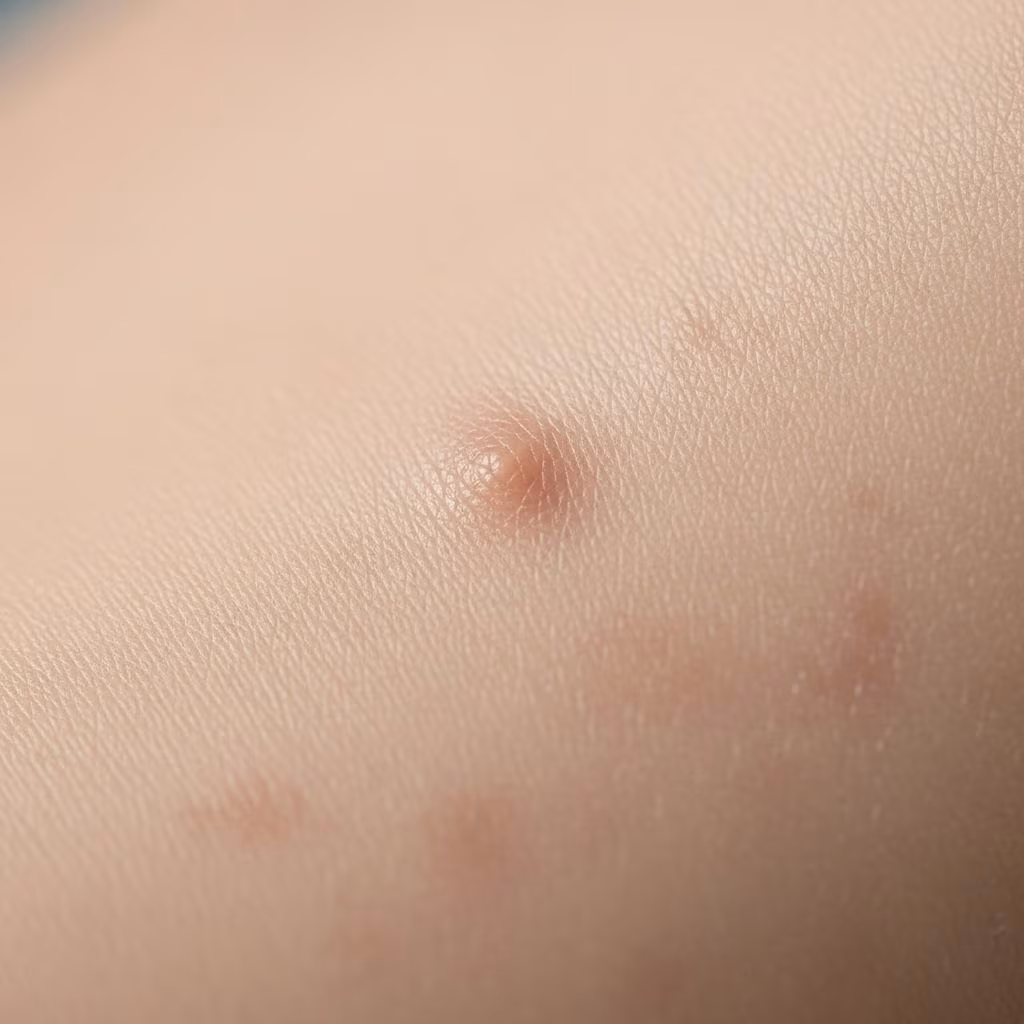
Fungal acne isn’t actually acne—despite its name. The bumps are caused by an overgrowth of yeast (Malassezia) that normally lives on your skin. When the balance between this yeast and bacteria is disrupted (often by antibiotics, heavy sweating, or oily environments), the yeast can multiply, causing small, itchy, uniform bumps that often cluster together.
- Location: Typically appears on the chest, back, shoulders, and along the hairline.
- Symptoms: Uniform, small red or white bumps that may itch or burn.
- Triggers: Antibiotics, humid climates, sweating, tight clothes, or oily skin products.
Why Your Acne Treatments Might Not Be Working
Standard acne products (like those containing benzoyl peroxide or salicylic acid) target bacteria—making them ineffective against yeast. Overuse of antibiotics can actually worsen fungal acne by killing friendly bacteria and allowing yeast to flourish. For stubborn breakouts, learning how to spot fungal acne is key so you can switch to the right approach.
What Actually Works: How to Treat Fungal Acne
Addressing fungal acne means fighting the yeast overgrowth with products and routines that restore a healthy skin balance. Here’s how to start:
1. Anti-Fungal Shampoos for Skin
Dermatologists often recommend dandruff shampoos as a secret weapon—yes, for your skin (not just your scalp). These formulas contain yeast-targeting actives like zinc pyrithione, selenium sulfide, or ketoconazole. Apply these shampoos directly to dry, affected skin, let sit for at least 10 minutes, then rinse thoroughly.
- Vanicream Z-Bar: Contains zinc pyrithione, gentle enough for sensitive skin.
- Selsun Blue Moisturizing with Aloe: Features selenium sulfide to reduce yeast quickly.
- Head & Shoulders Classic Clean: Uses zinc pyrithione for a multi-purpose approach.
- GIRL+HAIR Clear+ Apple Cider Vinegar Clarifying Rinse: Helps rebalance the scalp and body.
Tip: For best results, apply to dry skin, allow 10 minutes for penetration, then rinse off. Repeat several times a week or as advised by your dermatologist.
2. Over-the-Counter Anti-Fungal Creams
Topical anti-fungal creams, like miconazole or clotrimazole (commonly found in products for athlete’s foot), can target fungal acne areas. Apply once or twice daily directly to affected skin—but give it time, as visible improvement may take several weeks to months.
- Miconazole (e.g., Monistat)
- Clotrimazole (e.g., Lotrimin, Canesten)
For stubborn or recurring cases, a healthcare provider can prescribe a stronger topical or short course of oral anti-fungal medications such as fluconazole or itraconazole. Always consult your doctor before starting any new medication.
What About Home Remedies Like Apple Cider Vinegar?
Internet lore might swear by the efficacy of apple cider vinegar (ACV) or tea tree oil, touting their antibacterial and antifungal properties. However, these remedies are less specific for Malassezia yeast and tend to be much less effective than medical treatments specifically formulated for fungal acne. They may be mildly helpful in prevention but shouldn’t be your main treatment strategy.
Do I Need to Change My Skincare Routine?
Yes. Because fungal acne can be aggravated by the wrong products and habits, making a few key adjustments can be crucial for both treatment and prevention:
- Switch to water-based skincare: Avoid heavy, oil-rich creams and products which can feed yeast growth. Instead, opt for lightweight, oil-free, and non-comedogenic formulas.
- Stop antibacterial cleansers: These disrupt the skin’s microbiome further, worsening the yeast overgrowth.
- Avoid topical and oral antibiotics: Only stop with your doctor’s supervision, as these can trigger or exacerbate Malassezia overgrowth.
- Cleansing routine: Wash your face and affected areas twice daily using gentle, pH-balancing cleansers. Ingredients like gentle AHAs (e.g., mandelic acid, lactic acid) and PHAs support skin health without aggravating fungal acne.
- Use microbiome-boosting actives: Ceramides and hyaluronic acid help strengthen skin resilience.
How to Prevent Fungal Acne From Returning
Even with successful treatment, fungal acne can be persistent and prone to returning. Dermatologists recommend the following preventative steps:
- Shower promptly after sweating: Yeast thrives in sweaty, damp environments. Always shower and change out of workout clothes immediately after exercising.
- Avoid rewearing dirty or damp workout gear: Always wash activewear, bras, and tight clothes before reusing.
- Opt for breathable fabrics: Synthetic, non-breathable materials can trap heat and moisture against the skin.
- Maintain hygiene: Keep skin clean and dry; regular showers are essential in humid climates or after activities that induce sweating.
- Consider long-term maintenance: Your doctor may advise you to use anti-fungal shampoos or creams once or twice weekly to prevent recurrences.
Fungal Acne vs. Bacterial Acne: Know the Difference
| Fungal Acne | Bacterial Acne |
|---|---|
| Uniform, small red or white bumps, often itchy | Varied sizes: pimples, blackheads, whiteheads; can be swollen and pus-filled |
| Grouped in clusters on chest, back, shoulders, hairline | Common on face, chest, back, and shoulders but irregular spread |
| Triggered by yeast overgrowth | Caused by bacterial infection in hair follicles |
| Does not respond to antibacterial acne products | Usually responds to traditional acne treatments |
Fungal Acne Routine: Step-by-Step Example
- Cleanse: Use a gentle, hydrating, water-based face and body wash to remove sweat and oil without disrupting your microbiome.
- Treat: 2-3 times a week, apply anti-dandruff shampoo to affected skin before showering; leave on for 10 minutes, then rinse.
- Spot Treat: Apply an OTC antifungal cream (e.g., clotrimazole) to problem areas once or twice daily.
- Moisturize: Use an oil-free, non-comedogenic moisturizer with ceramides or hyaluronic acid as needed.
- Prevent: Shower after sweating, avoid tight and synthetic clothes, and regularly wash workout gear.
Expert Advice: When to Call a Dermatologist
If you’re not seeing improvement in a few weeks or your symptoms worsen, it’s essential to consult a dermatologist. You may need stronger prescription treatments or a re-evaluation to ensure there aren’t multiple skin issues involved. Do not attempt to use oral antifungal medications or make substantial changes to prescribed routines without professional guidance.
Frequently Asked Questions (FAQs)
What kills fungal acne?
OTC dandruff shampoos (zinc pyrithione or selenium sulfide), topical anti-fungal creams (miconazole, clotrimazole), and, if needed, prescription oral antifungals are effective. Avoid traditional acne treatments, as they rarely help fungal acne.
Can apple cider vinegar or tea tree oil clear fungal acne?
These products have weak antifungal and antibacterial activity but are not as targeted toward the yeast responsible for fungal acne. They may help prevent yeast overgrowth but are not reliable first-line treatments.
How long does it take to get rid of fungal acne?
Improvement can take several weeks to months. Consistency with anti-fungal products and preventive steps is key, and, in some cases, ongoing maintenance is necessary to prevent recurrences.
Does my diet affect fungal acne?
There’s little evidence linking specific foods to fungal acne outbreaks, but keeping skin clean and oil-free minimizes risk regardless of diet.
Should I stop all my acne medications?
Do not abruptly stop prescribed medications without talking to your doctor. Traditional acne medications are ineffective for fungal acne, but a dermatologist can help you adjust your treatment plan safely.
Summary Tips for Managing Fungal Acne
- Use antifungal products regularly and follow the routine for several weeks.
- Adjust lifestyle habits to avoid excess sweating and friction.
- Switch to non-comedogenic, oil-free skincare.
- Shower after workouts and avoid tight, damp clothing.
- Consult a dermatologist if over-the-counter strategies aren’t working.
With patience, the right products, and expert-backed advice, it’s possible to get stubborn fungal acne under control and enjoy clearer, healthier skin for good.
References
- https://www.cosmopolitan.com/style-beauty/beauty/a35260335/how-to-treat-fungal-acne/
- https://www.ipsy.com/blog/fungal-acne-treatment
- https://my.clevelandclinic.org/health/diseases/24341-fungal-acne
- https://www.cosmopolitan.com/uk/beauty-hair/skincare/a41427278/fungal-acne-malassezia-folliculitis/
- https://pmc.ncbi.nlm.nih.gov/articles/PMC3970831/
- https://health.osu.edu/health/skin-and-body/what-to-know-about-fungal-acne