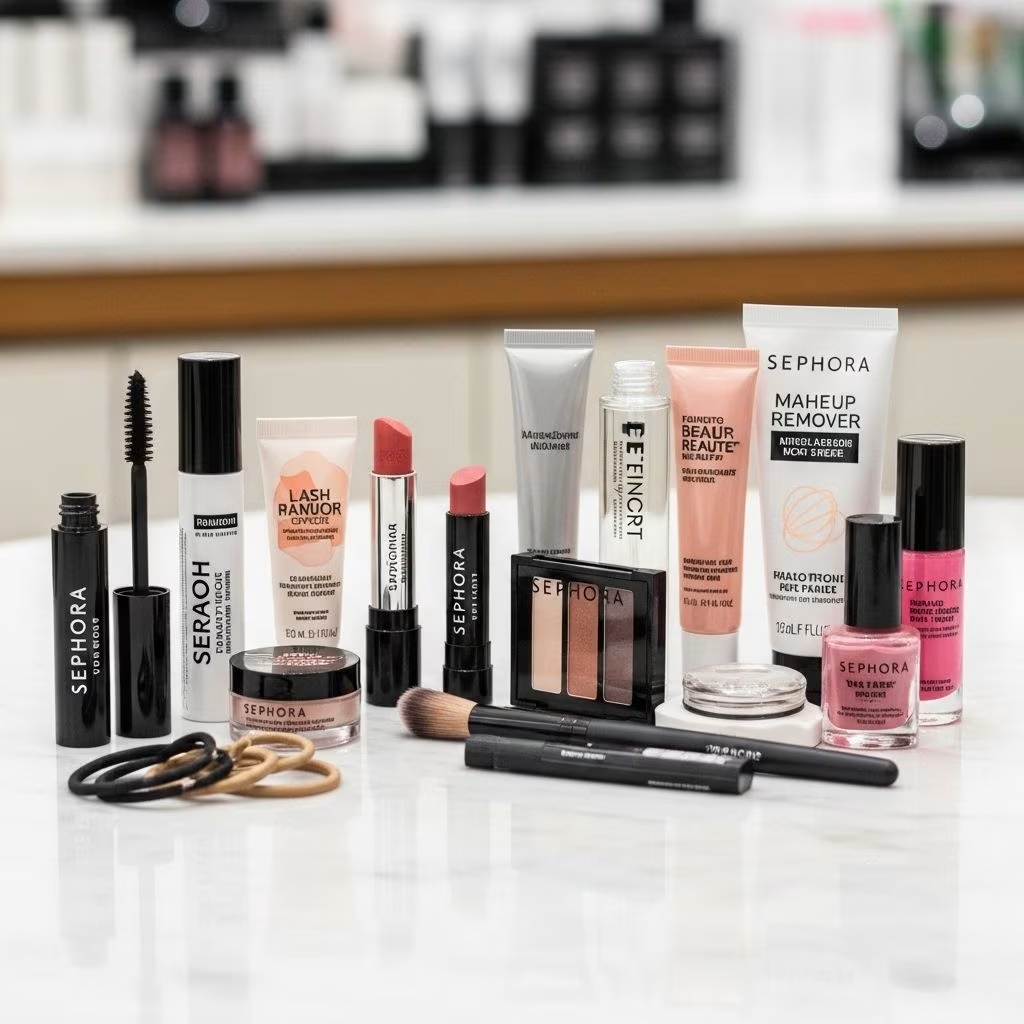
Ever wondered how some people seem to bounce out of bed before sunrise, radiate positivity, and get things done before the rest of the world has even had coffee? Becoming a morning person isn’t just a rare superpower reserved for a select few. With the right mindset, science-backed strategies, and habit tweaks, you can transform your relationship with mornings, wake up refreshed, and set the tone for energized, productive days.
Why Become a Morning Person?
Mornings have significant advantages. Studies link early rising to increased proactivity, better decision-making, improved time management, and even higher academic or professional achievement. Being a morning person can help you own the quiet hours before distractions set in, establishing a positive momentum for the rest of your day. It’s not about being naturally chipper at sunrise; it’s about crafting routines that work for you and leveraging circadian rhythms to optimize both mood and productivity.
What Determines if You’re a Morning Person?
Your tendency to thrive in the early hours or late at night is heavily influenced by your circadian rhythm—the internal 24-hour clock that regulates sleepiness and alertness cycles. People who feel energized in the morning are typically called “larks,” while those who are more productive at night are known as “owls.” But these tendencies aren’t fixed: habits, environment, and lifestyle choices can nudge your natural rhythm in either direction.
- Chronotype: Your genetic inclination towards certain waking and sleeping times. While genetics play a role, your schedule and lifestyle also have significant influence.
- Social Jetlag: When your natural rhythm is out of step with societal expectations (for example, having to wake earlier than you’d like for work or school). This mismatch can lead to fatigue, irritability, and even health consequences over time.
- Environmental Cues: Light exposure, meal times, and exercise all help set and adjust your body clock over time, supporting your transition to becoming a morning person.
The Benefits of Mastering Your Mornings
- Higher Energy Levels: Consistent wake times and healthy morning rituals banish sluggishness and prime you for mental clarity throughout the day.
- Improved Productivity: Early mornings are generally quieter and less distracting, providing the perfect window to tackle deep-focus tasks or creative projects.
- Stronger Mood and Resilience: Exposure to morning light regulates mood-boosting hormones. Having time to yourself before the day’s demands build up helps reduce stress.
- Better Sleep Quality: Aligning with your circadian rhythm can help you fall asleep more easily at night and improve the overall quality of your rest.
- More Time for Self-Care: Morning routines can be tailored to include exercise, reflection, or nurturing skincare—elements that can fall by the wayside later in the day.
Myths About Morning People (and Why Anyone Can Change)
Contrary to popular myth, being a morning person isn’t something you’re simply born (or doomed) with. While your chronotype may make certain wake times feel more natural, your habits strongly influence your body clock. Research shows you can train yourself to become more of a morning person—if gradually and with the right strategies.
- Changing your wake-up time by just 15 to 30 minutes per week can allow your body to adjust gently and sustainably.
- Optimizing your bedtime routine and sleep hygiene is as important as hitting the snooze less often.
How to Become a Morning Person: Step-by-Step Strategies
1. Gradually Adjust Your Bedtime and Wake-up Time
Extreme changes rarely stick. Instead, shift your bedtime and wake time by 15-30 minutes earlier every few days. Consistency is more crucial than going to bed super early just once a week.
- Keep weekends and weekdays as similar as possible to support circadian alignment.
- Consider using a gentle sunrise alarm, which simulates dawn and helps signal your brain it’s time to wake up naturally.
2. Prioritize Sleep Hygiene
Good mornings start with quality sleep the night before. Adopting effective habits makes falling and staying asleep easier.
- Power down screens (phone, computer, TV) at least 30 minutes before bed. Blue light disrupts melatonin production.
- Create a relaxing pre-sleep routine: stretching, reading, meditation, or listening to calming music.
- Maintain a comfortable sleep environment—cool, dark, and quiet, with supportive pillows and bedding.
- Avoid caffeine, heavy meals, and vigorous exercise in the few hours before bed.
3. Harness the Power of Light
Light is the primary cue (“zeitgeber”) for your circadian rhythm. Flooding your bedroom and living space with bright natural light first thing can help reset your internal clock.
- Open curtains immediately upon waking, or use a light therapy lamp during dark winter months.
- Take a short walk outdoors upon rising, even 10–15 minutes makes a difference.
4. Optimize Your Night Routine for Better Mornings
Poor quality sleep and late bedtimes make mornings miserable. To set yourself up for success:
- Prepare clothes, work bags, and lunch the night before to minimize stress in the morning.
- Establish a wind-down window—shut down work or chores at least an hour before bed to signal to your mind and body that it’s time to relax.
5. Manage the Snooze Button
Hitting “snooze” repeatedly is tempting but hinders your energy levels by fragmenting the last stages of sleep. Place your alarm across the room to force yourself out of bed, or commit to counting down from five before rising immediately. Over time, this practice becomes more automatic and less painful.
6. Hydrate, Hydrate, Hydrate
After several hours of sleep, your body wakes slightly dehydrated, which affects mood and energy. Drinking a glass of water first thing helps jumpstart your system and can even freshen your complexion. Try keeping a water bottle by your bedside as a reminder. Some people add lemon for a refreshing vitamin C boost.
7. Eat a Nutritious, Energizing Breakfast
Skipping breakfast can leave you sluggish or moody. Small, balanced meals including protein, complex carbs, and healthy fats are easiest for your just-awake digestive system to process. Consider overnight oats, Greek yogurt with berries, eggs, or whole-grain toast with nut butter.
- If you struggle to eat early, start small—a piece of fruit or smoothie is better than nothing. Over time, your appetite adapts.
- Try incorporating citrus fruits (like oranges or grapefruit) for a zingy, natural energy lift.
8. Create a Morning Ritual You Look Forward To
Motivation is deeply tied to habit. Build a morning routine that feels restorative and enjoyable—not just a rush to get out the door. When you associate mornings with pleasure, you’re more likely to get up with enthusiasm.
- Incorporate rituals like listening to your favorite playlist or podcast, journaling, a quick mindfulness practice, or a mini yoga flow.
- Treat yourself to a luxurious morning skincare routine—hydrating creams, gentle cleansing, and products with citrus or energizing scents can help you both look and feel awakened.
9. Move Your Body (Even Gently)
Exercise stimulates circulation and releases endorphins, setting a positive mood for the day. You don’t have to hit the gym hard—a few stretches, brisk walk, or short home workout can be transformative.
10. Let Less Be More (with Beauty and Routines)
Resist the urge to overcompensate for lost sleep with heavy makeup layers. Light skincare, hydrated skin, and a minimal, dewy makeup look (like a tinted moisturizer with SPF) often deliver a fresher, more natural “I’m a morning person” glow.
- Focus on brightening dark circles with targeted concealer and add a pop of lip color for instant perkiness.
- Build up bronzer and blush gradually for a healthy flush—instead of masking with thick products.
Common Obstacles to Becoming a Morning Person (and How to Overcome Them)
- Late-night habits: Wind-down rituals and strict tech limits help. If you’re wired at night, try journaling or herbal tea after dinner.
- Inconsistent sleep schedule: Social events, work, and weekends can disrupt patterns. Prioritize similar sleep times whenever possible.
- Not a “breakfast person”: Start with light snacks and increase gradually. Smoothies are portable and gentle on the stomach.
- Negative associations about mornings: Reframe by introducing a positive, reward-based ritual you save just for the early hours (favorite coffee, a new playlist, sunrise walks).
Sample Morning Routine for Energy and Focus
- 6:30am – Wake up with sunrise alarm, hydrate immediately
- 6:35am – Stretch, open curtains, and let in morning light
- 6:40am – 5-10 minutes of mindfulness or deep breathing
- 6:50am – Quick skincare routine (cleanse, moisturize, apply SPF)
- 7:00am – Light movement (yoga, walk, or dancing to music)
- 7:20am – Prepare and eat a balanced breakfast
- 7:40am – Review your priorities for the day, set your intention, enjoy a cup of tea or coffee
Morning-Boosting Beauty Tips
- Hydrate your skin: Use a nourishing facial cream with energizing ingredients (like coffee extract, ginseng, or citrus essential oils) after cleansing.
- Embrace minimal, radiant makeup: Opt for a lightweight, SPF-infused tinted moisturizer, a touch of concealer, and a bright lip shade to fake a well-rested glow.
- Citrus is your friend: Citrus-scented shower gels or skincare can provide both a sensory and psychological energy surge. The aroma of lemon and grapefruit is especially uplifting.
Table: Key Differences Between Night Owls and Morning People
| Aspect | Night Owl | Morning Person |
|---|---|---|
| Peak Alertness | Evening/Night | Early Morning |
| Common Strengths | Creativity, alternative problem-solving | Proactivity, organization |
| Challenges | Struggle with early rising, societal schedules | Fatigue in late evenings |
| Wake-up Feelings | Groggy, slow start | Alert, positive |
Frequently Asked Questions (FAQs)
How long does it take to become a morning person?
It typically takes a few weeks for your body to adapt to a new schedule. Gradual shifts of 15–30 minutes earlier every few days, paired with consistent habits, help make the change sustainable.
What if I work late hours or have an irregular schedule?
You can still optimize your “mornings”—whenever they start. Follow similar principles: consistent wake/sleep times, harnessing light exposure (sunlight or therapy lamps), and establishing energizing routines at the start of your day—even if that’s 10am or later.
Can night owls really become morning people?
Yes, with patience and gradual habit changes. While some genes influence your preferences, most people can shift their internal clock to suit early rising, provided lifestyle changes are steady and reinforced by consistent routines.
What are small things I can do tonight for a better morning?
- Set out clothes and prep breakfast ingredients.
- Limit screen time 30–60 minutes before bed.
- Dim your lights in the evening to signal to your brain that rest is nearing.
- Try an herbal tea or magnesium-rich snack to aid relaxation.
Do I have to give up all late nights?
No—special nights happen! It’s about a sustainable baseline. Occasional late nights are okay if you’re consistent most of the time. Prioritize good sleep the next day and ease back into your routine without guilt.
Pro Tips for Transitioning to a Morning Person
- Track your sleep and energy in a journal to spot patterns and motivators.
- Replace “musts” with “wants”—reframe waking up early as a choice that benefits you.
- If you slip up, don’t get discouraged. Reset that night and keep building consistent habits.
Final Thoughts
Anyone can become a morning person if you approach the transformation strategically and compassionately. Focus on small, consistent changes, celebrate every win, and curate a ritual that makes the early hours something to look forward to. With a bit of science and plenty of self-kindness, you can finally own your mornings and set yourself up for energized, fulfilling days.
References
- https://www.cosmopolitan.com/uk/beauty-hair/a12029357/how-to-be-morning-person/
- https://theeverygirl.com/morning-person-vs-night-person/
- https://www.cosmopolitanme.com/body/7541-i-got-up-at-5am-for-a-week-to-see-if-i-could-become-a-morning-person
- https://www.cosmopolitan.com/uk/body/news/a42967/how-to-become-morning-person/