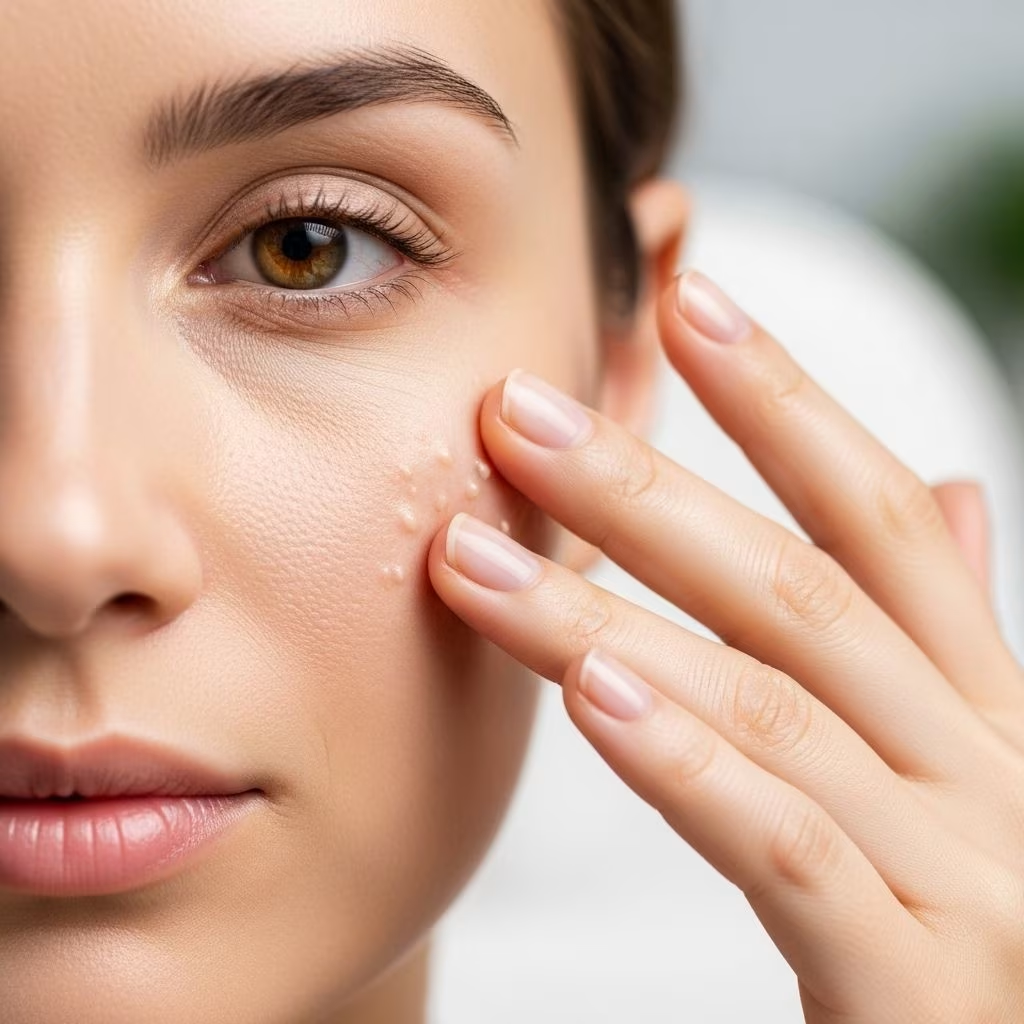
Milia, the small, white or yellowish bumps often found around the eyes, cheeks, and nose, can be both persistent and frustrating. Understanding what causes milia, how to treat them safely, and strategies to prevent new bumps is essential for achieving clearer and smoother skin. This comprehensive guide breaks down expert-recommended, research-backed approaches to eliminating milia, the science behind milia formation, and essential tips for keeping them at bay.
What Are Milia?
Milia are tiny, keratin-filled cysts that develop just beneath the skin’s surface. They commonly appear in clusters but can also show up individually. Unlike acne, milia are not caused by clogged pores from oil or bacteria but rather by dead skin cells or keratin becoming trapped under the skin.
- Primary milia: Occur spontaneously and are most common, especially in newborns and adults.
- Secondary milia: Develop after the skin is damaged, such as from burns, blistering rashes, or certain procedures.
Milia are generally harmless, though they can be cosmetically bothersome. While newborn milia often resolve on their own, adult milia can persist and may require targeted intervention.
Why Do Milia Occur?
Understanding the causes helps tailor prevention and treatment:
- Skin turnover problems: When old skin cells do not shed properly, they can become trapped beneath fresh skin, forming milia.
- Skin trauma: Burns, blisters, or even aggressive cosmetic procedures can disrupt the skin barrier and result in secondary milia.
- Product build-up: Heavy creams and oil-based products may contribute to dead skin getting trapped, especially on delicate facial skin.
- Sun damage: Prolonged UV exposure can thicken and harden skin, making natural exfoliation less efficient.
- Genetic and hormonal factors: While less understood, these may play a role in susceptibility for some individuals.
How to Get Rid of Milia: Proven Techniques
Working with a dermatologist is often the safest and fastest way to remove milia, but there are also home care strategies to try, especially for small or newly formed milia.
Manual Extraction (Professional Treatment)
The gold standard for removing persistent milia is manual extraction performed by a dermatologist or licensed esthetician (where permitted by law). Here’s what this involves:
- The area is cleansed and sterilized.
- A tiny sterile needle or blade punctures the surface of each milia.
- Gentle pressure is applied with a gloved finger or tool to express the contents.
- This method minimizes trauma and significantly reduces the risk of infection or scarring when performed by a professional.
Do not attempt manual extraction at home, as improper technique can result in scarring, infection, and more visible damage than the milia itself.
Electrocautery
Electrocautery utilizes a device that delivers a mild electric current to heat the milia. This treatment:
- Forms a small scab over the spot.
- The milia dries out, and the scab eventually falls away, taking the cyst with it.
- Best reserved for stubborn or clustered milia.
Electrocautery is effective but should only be performed by experienced professionals due to the risk of burns or pigmentation changes, especially in those with darker skin tones.
Cryotherapy
This method involves freezing milia with liquid nitrogen:
- Milia form a blister or scab and then fall away as the skin heals.
- There’s a risk of temporary or permanent lightening of the skin (hypopigmentation), making this procedure less ideal for people with darker skin.
Prescription Topical Retinoids
Prescription-strength retinoids (such as tretinoin) are derived from vitamin A and work by:
- Accelerating cell turnover to help old skin shed and unclog the trapped keratin.
- Promoting the gradual fading of small milia over weeks to months of regular use.
- Best for individuals prone to frequent or recurring milia.
It’s important to use retinoids under a doctor’s supervision, especially if you have sensitive skin.
Chemical and Physical Exfoliation
Regular exfoliation helps prevent the build-up of dead skin cells:
- Chemical exfoliants: Glycolic acid, lactic acid, or salicylic acid dissolve dead skin and unclog surface debris. These are available in masks, toners, and peels.
- Physical exfoliants: Gentle scrub or exfoliating brushes can aid in removing surface cells, but should be used cautiously to avoid irritation. Aggressive scrubbing can worsen milia or irritate the skin.
- Exfoliation frequency: Depending on skin type and product strength, 1–3 times per week is standard. Sensitive skin may need even less.
Other Medical Procedures
Some persistent cases may respond to:
- Dermabrasion: Controlled surgical scraping of the skin for more stubborn or widespread milia.
- Laser therapy: Highly focused light to gently ablate the upper skin layers.
- Curettage: Minor surgical removal of the cyst and sealing of the skin.
All these advanced methods should be reserved for severe or treatment-resistant milia under medical supervision.
Can You Pop Milia Yourself?
Attempting to pop, squeeze, or pick at milia at home can result in:
- Skin trauma, leading to scarring or hyperpigmentation
- Infection from bacteria on hands, nails, or unsterilized tools
- Persistent red or brown marks that may last long after the milia would have resolved
Dermatologists strongly advise against home extraction of milia. Instead, use topical treatments and consult a professional if you want faster results.
Safe At-Home Strategies
While manual extraction is best left to professionals, home management is helpful for prevention and gentle treatment, particularly for those with frequent or minor occurrences of milia.
- Topical retinol/retinoids: Over-the-counter retinol serums promote cell turnover. Begin with lower concentrations to minimize irritation, and always use sunscreen, as retinoids increase sun sensitivity.
- Gentle exfoliation: Incorporate chemical (AHA/BHA) exfoliants or mild scrubs into your regimen once or twice a week based on skin sensitivity.
- Daily cleansing: Wash with a mild cleanser to avoid build-up of oil, product, and dead skin cells.
- Facial steaming: A warm steam session (such as sitting in a steamy bathroom) can help open pores, but should not be followed by forceful extraction.
- Non-comedogenic products: Opt for skincare and makeup labeled “non-comedogenic” or “oil-free,” especially near the eyes.
- Sun protection: Sunscreen prevents sun damage and the thickening of skin that contributes to milia.
Preventing Milia: Dermatologist-Recommended Tips
- Consistent exfoliation: Maintain a gentle exfoliation routine to keep skin clear of dead cells.
- Lightweight skincare: Avoid heavy creams and oil-based products, especially around the eyes and cheeks.
- Address skin trauma: Treat injuries or chronic skin conditions that may damage the skin barrier promptly.
- Sun protection year-round: Broad-spectrum sunscreen prevents excess skin thickening and keratin build-up that triggers milia.
- Consult a professional: If you frequently develop milia or have a skin condition like rosacea or seborrheic dermatitis, seek targeted advice from a dermatologist.
Home Remedies vs. Dermatologist Procedures: What Works Best?
| Treatment Type | Best For | Risks/Drawbacks | Expected Results Timeline |
|---|---|---|---|
| Exfoliation (at home) | Small, new milia or prevention | Potential for irritation if overused | Weeks |
| Topical retinoids (at home) | Multiple/small milia | Redness, dryness, increased sun sensitivity | Several weeks to months |
| Manual extraction (in-office) | Large, persistent, many milia | Mild discomfort, minimal scarring risk | Immediate removal |
| Electrocautery/cryotherapy/laser (in office) | Tough, recurring, or extensive milia | Pigment changes, rare minor scarring | Days to weeks |
When to See a Dermatologist
Consult a dermatologist if:
- Milia persist despite using at-home treatments for more than 2–3 months
- Milia are large, painful, or growing in number
- You have a history of scarring or chronic skin conditions
A professional can assess for underlying skin diseases, prescribe appropriate medications, or perform safe extraction as needed.
Frequently Asked Questions (FAQs)
Can newborns get milia? Do they need treatment?
Yes, newborns commonly develop milia, often on the nose and cheeks. These usually go away without any treatment within a few weeks to months. Only gentle cleansing is recommended; never try to remove milia in newborns yourself.
What causes milia in adults?
Milia can be caused by lack of adequate exfoliation, heavy skin products, trauma (such as burns or blisters), and sun exposure. Genetics and certain medications may also play a role.
Will milia go away on their own?
Some milia, especially primary milia, resolve naturally over time, but others may persist for months or years unless professionally removed.
What should I avoid if I have milia?
- Avoid heavy creams and oil-rich formulas on your face, especially around the eyes.
- Don’t pick, squeeze, or try to pop milia yourself.
- Minimize abrasive scrubs that can irritate the skin or worsen milia formation.
Can I use over-the-counter products?
Yes, gentle exfoliants and retinol/retinoid creams are helpful for at-home management. However, results take time, and care should be taken to prevent irritation. If you have sensitive or allergy-prone skin, consult a dermatologist before starting new regimens.
Summary: A Clearer Path to Smoother Skin
Milia can be stubborn, but there are proven, effective ways to remove and prevent them in both home and professional settings. Gentle, consistent skin care, avoiding picking, and seeking medical advice for persistent bumps are essential for healthy, radiant skin. If you’re in doubt, consult a board-certified dermatologist for personalized recommendations and safe, lasting solutions.
References
- https://www.prevention.com/beauty/skin-care/a42955971/how-to-get-rid-of-milia/
- https://www.goodrx.com/health-topic/dermatology/how-to-get-rid-of-milia
- https://www.medicalnewstoday.com/articles/320953
- https://www.prevention.com/beauty/skin-care/a63833046/beef-tallow-for-skin/
- https://www.dalton-cosmetics.com/us/prevent-and-remove-milia
- https://www.healthline.com/health/skin-disorders/how-to-get-rid-of-milia
- https://www.avantdermatology.com/2021/03/09/how-do-you-remove-milia-a-dermatologist-shares-milia-treatment-prevention-tips/