How to Retwist Dreadlocks: A Complete Guide to Neat, Healthy Locs
Dreadlocks are a timeless protective style, celebrated for their natural beauty and low maintenance. However, keeping locs neat and healthy does require proper care, especially as new growth appears. Retwisting is an essential step to maintain the integrity and appearance of your locs. This guide provides practical, step-by-step instructions for retwisting your dreadlocks at home, highlights recommended techniques and tools, and answers frequently asked questions to help you master loc maintenance.
Preparation: Getting Ready to Retwist Locs
Before you start retwisting your locs, it’s crucial to have the right setup and tools. Preparing your hair and workspace will make the process smoother and give your locs a refreshed, professional look.
- Wash Your Hair: Begin with freshly washed locs. Washing removes buildup and dirt, making your hair easier to manipulate and ensuring the retwist lasts longer.
- Dry Thoroughly: Let your hair air dry until damp, or use a microfiber towel. Too much moisture can cause locs to unravel; too little can make twisting difficult.
- Section Your Hair: Use hair ties, scrunchies, or clips to divide your hair into manageable sections—usually left, right, and back. Most people prefer to begin retwisting at the back of the head for easier access and better visibility using a 360-degree mirror setup.
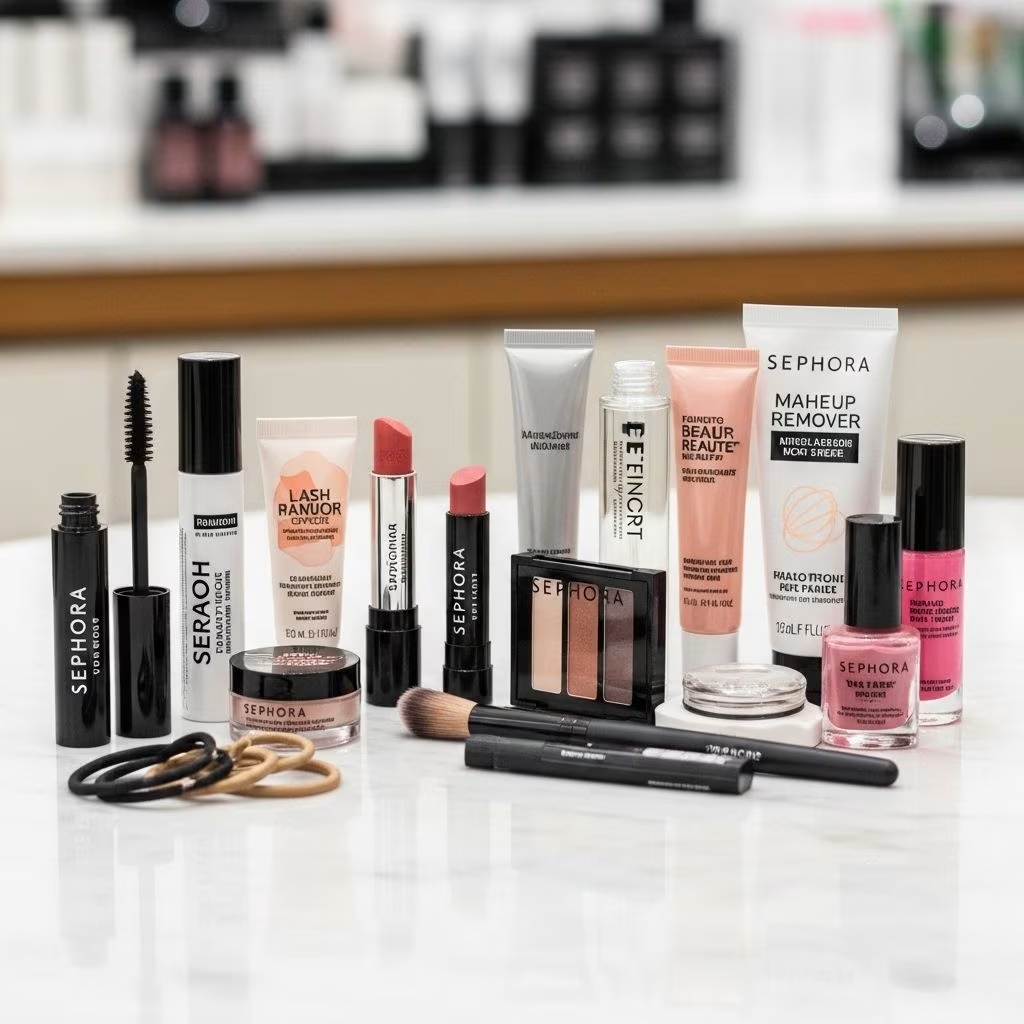
- Gather Tools & Products:
- Rat-tail comb for parting
- Clips to secure locs
- Loc twisting gel or cream
- Nourishing spray (such as rose water or aloe vera gel)
- 360-degree mirrors for better visibility
- Microfiber towel for drying
Step-by-Step: How to Retwist Your Locs
Retwisting locs at home is accessible, but technique, patience, and consistency are key to avoiding thinning and maintaining loc health. Here’s a detailed walkthrough:
- Start from the Back: Unclip the first section of locs in the back. Working from the base allows for easier access and cleaner partings.
- Apply Gel or Moisturizer: Use loc gel or aloe vera gel (avoid heavy waxes). Spread a small amount along the new growth and roots.
- Part Cleanly: Use the rat-tail comb to define the parting of each loc. Clean parts help prevent locs from merging and keep your sections neat.
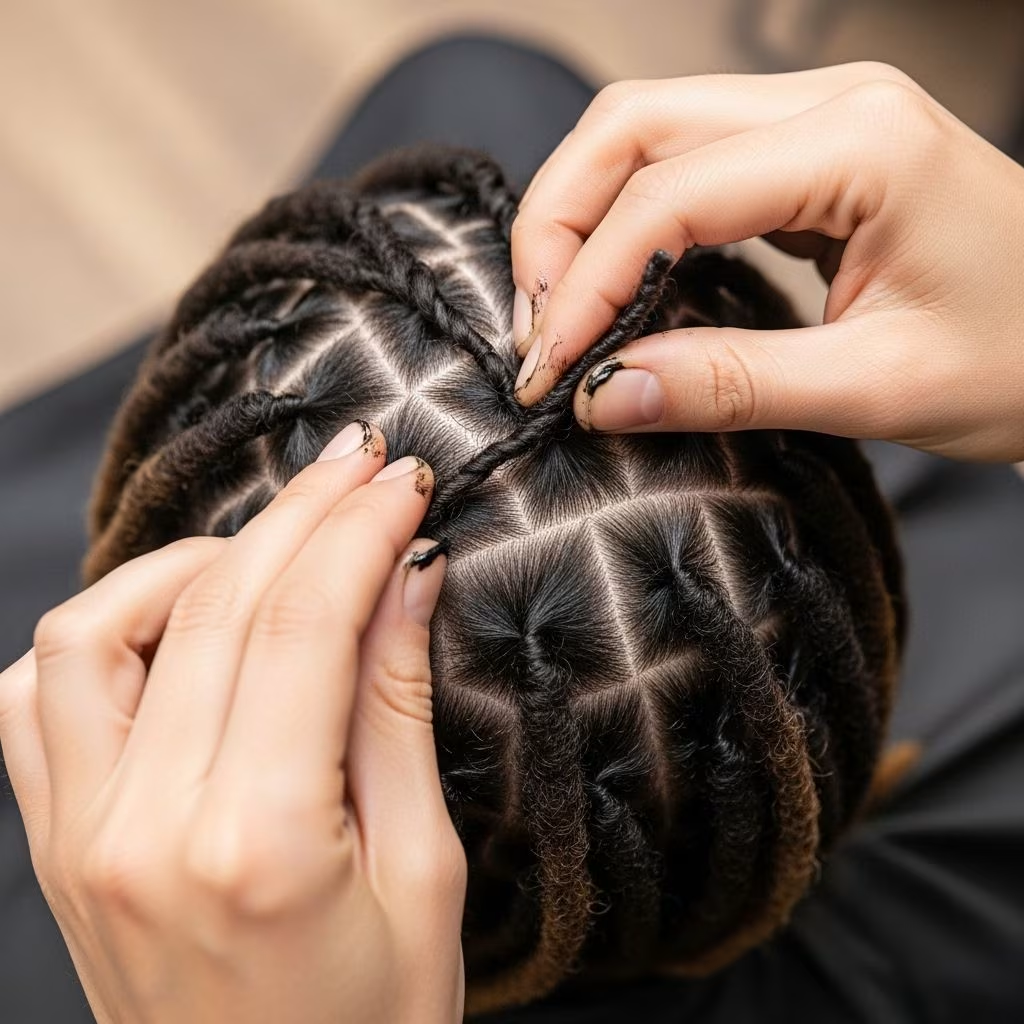
- Palm Rolling or Finger Twisting:
- Palm Rolling: Place the loc between your palms and roll gently. This is the most popular retwisting method and helps maintain the cylindrical form of each loc.
- Finger Twisting: Twist the loc between your fingers for sections where palm rolling is difficult or for starter locs. Both methods are effective—choose what is comfortable.
- Direction Matters: Always twist in the same direction as your locs were started (typically clockwise). This maintains uniformity and prevents unraveling.
- Secure with Clips: After twisting, fasten the loc at the base with a clip. Place the clip at the point where new growth meets the matured loc—this locks the form while drying.
- Repeat and Move Methodically: Work through each section systematically. Repeat product application, parting, retwisting, and clipping until all locs are done.
Tip: Avoid overtwisting or twisting the entire length aggressively; this can thin locs and cause breakage over time. Focus twisting near the root and new growth area only.
Recommended Products for Retwisting Locs
Choosing the right products ensures your locs stay hydrated, healthy, and free from buildup. Consider these essentials:
- Loc Gel: Lightweight gels provide hold and definition without excessive residue.
- Aloe Vera Gel: Naturally moisturizing and soothing, ideal for sensitive scalps.
- Rose Water: Use as a spray to keep locs hydrated and fresh during retwisting.
- Microfiber Towel: Helps gently dry your hair without causing frizz or breakage.
Some stylists and enthusiasts recommend avoiding petroleum-based waxes or heavy creams, as these can create buildup and weigh locs down.
Palm Rolling vs. Other Methods: Which Retwisting Technique Is Best?
| Method | Best For | Pros | Cons |
|---|---|---|---|
| Palm Rolling | Medium to mature locs | Defines locs, easy to learn, maintains round shape | May cause thinning if overdone |
| Finger Twisting | Starter and budding locs | Gentle, suitable for sensitive scalps | Less definition for mature locs |
| Comb Twisting | New growth, fine hair | Precise parting, tight roots | May be difficult for dense locs |
How Often Should You Retwist Locs?
Retwisting frequency depends on hair type, desired look, and personal upkeep. Over-twisting leads to thinning, while under-twisting can cause loc merging at the root. A typical schedule is:
- Every 4–6 weeks: Ideal for most people.
- Up to 8 weeks: For thicker, mature locs or those who prefer a fuller look.
- Avoid retwisting too frequently: Give your hair time to relax between sessions to prevent stress and thinning.
Tips to Promote Healthy Loc Growth and Retention
- Use Lightweight Products: Avoid waxing and heavy gels that cause buildup—stick to moisturizing, residue-free products.
- Protect Locs Overnight: Use a satin or silk scarf, bonnet, or pillowcase to minimize friction and prevent frizz.
- Keep Scalp Clean: Wash regularly before retwisting, and ensure scalp health with periodic oiling or scalp massage.
- Hydration Is Key: Mist locs periodically with rose water or a light moisturizer to prevent dryness.
- Mind Your Ends: Don’t twist all the way down; focus on roots to keep ends strong and full.
Common Mistakes to Avoid When Retwisting Locs
- Over-Twisting: Excessive manipulation can cause loc thinning and breakage.
- Twisting Against Original Direction: Always retwist in the direction your locs were started to prevent unraveling.
- Neglecting Sectioning: Not sectioning properly may result in uneven, merged locs.
- Heavy Products: Waxes and thick gels can build up inside locs, leading to scalp irritation and dullness.
- Not Protecting Locs: Skipping nighttime protection can cause frizz and unraveling.
Loc Maintenance Between Retwist Sessions
- Moisturize Regularly: Hydrate locs with light sprays or oils to keep them supple.
- Reduce Manipulation: The less you handle your locs, the healthier they will remain. Protect styles can help minimize wear.
- Quick Scalp Cleansing: Use a cotton swab or gentle astringent to clean your scalp between washes if needed.
- Monitor for Buildup or Weakness: Check your roots and ends often to prevent issues before they start.
Frequently Asked Questions (FAQs) About Retwisting Dreadlocks
Q: How long does retwisting locs take?
A: For beginner or short locs, retwisting may take 1–2 hours, while mature or long locs may require 2–4 hours depending on thickness and technique.
Q: Can I retwist locs myself or should I see a professional?
A: Many people successfully retwist at home using the right tools and patience. For special occasions or challenging locs, visiting a loctician can help maintain even parts and healthy roots.
Q: What kind of gel is best for retwisting?
A: Use lightweight, residue-free gels specifically formulated for locs, such as aloe vera gel, to avoid buildup and maintain scalp health.
Q: How soon after washing should I retwist?
A: Retwist once hair is damp (not soaking wet), as strands are more pliable and less likely to snap.
Q: Is it possible to retwist without products?
A: While possible, using a conditioning agent or light gel protects the hair shaft and enhances hold.
Helpful Reminders for Long-Term Loc Health
- Regular Scalp Care: Healthy roots equal healthy locs; massage your scalp and monitor for irritation.
- Balanced Schedule: Find a retwist rhythm that suits your hair’s needs and your lifestyle.
- Satin and Silk Accessories: Protect locs overnight to minimize friction and frizz.
- Avoid Unnecessary Styling: Hairstyles that strain the roots can cause breakage or thinning.
Retwisting dreadlocks is an empowering skill that anyone can master with the right knowledge and tools. Whether you choose palm rolling, finger twisting, or another technique, consistency, gentle handling, and suitable products will help you achieve neat, healthy locs that reflect your personal style.