Introduction to Locs and Braids
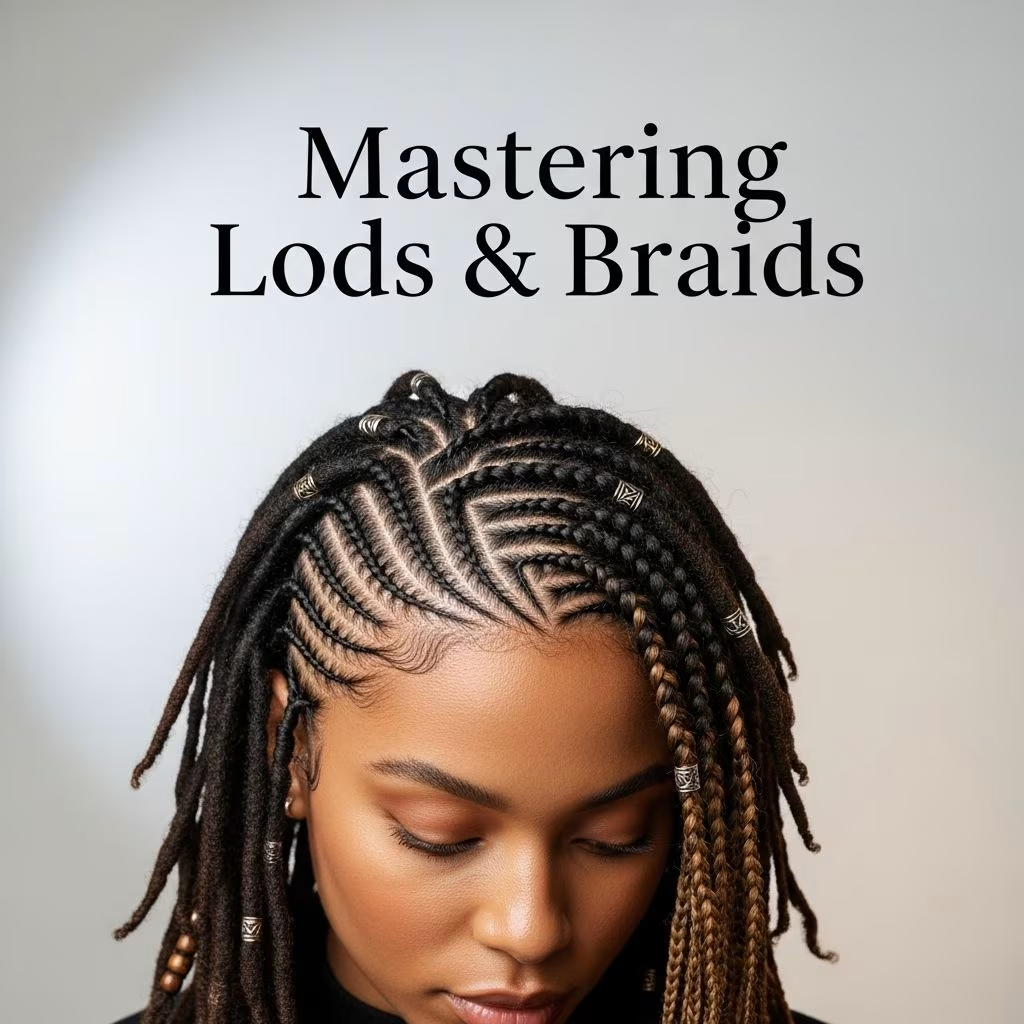
Locs and braids are not just beautiful hairstyles; they are also protective styles that can help maintain hair health while looking stylish. From traditional box braids to innovative loc styles, these hairstyles have evolved over time, incorporating various techniques and materials to suit different textures and preferences.
Understanding Locs
Locs, or dreadlocks, are a type of hairstyle that involves matting, twisting, or locking the hair into ropes. They can be natural, meaning they develop over time without manipulation, or cultivated, where they are intentionally formed using various methods like twisting or backcombing.
Types of Locs
- Natural Locs: These locs develop naturally over time without any manipulation other than occasional separation and twisting.
- Cultivated Locs: These locs are created using methods like backcombing, twisting, or using loc products to encourage matting.
- Temporary Locs: Faux locs that mimic the look of real locs but can be removed without long-term commitment.
Braids: A Versatile Protective Style
Braids are versatile and can be styled in countless ways, from traditional box braids to more intricate designs like Bantu knots or Senegalese twists. They offer flexibility and can be customized to suit different face shapes, hair types, and personal styles.
Popular Braids Styles
- Box Braids: A classic style where the hair is divided into small sections and braided.
- Cornrows: Close to the scalp, these braids can be styled in various patterns.
- Bantu Knots: A style that involves twisting the hair into knots, often used as a protective style.
Bantu locs combine the elements of locs and Bantu knots, creating a unique and visually appealing style. Here’s a step-by-step guide to recreate this look:
- Preparation: Begin with clean hair. If your locs are dry, apply a curl cream for hydration.
- Sectioning: Divide your hair into sections depending on how many Bantu knots you want. Use edge control to keep the sections neat.
- Twisting: Use a two-strand twist method on each section. Wrap the twisted hair around itself to form a bun-like structure or knot.
- Securing: Use bobby pins to secure the knots in place. You can also use hair ties for a more secure hold.
- Finishing Touches: Apply a hair oil to your scalp to keep it moisturized and promote hair health.
Styling Tips for Locs and Braids
Whether you have locs or braids, maintaining and styling them requires a bit of care. Here are some tips to keep your style looking fresh and healthy:
- Hydration: Regularly apply a hydrating oil to your scalp to prevent dryness and promote growth.
- Protection: Use a satin pillowcase or a silk scarf to protect your hair from friction while sleeping.
- Edge Control: For braids, use edge control to keep your baby hairs in place.
Frequently Asked Questions (FAQs)
Q: Are locs suitable for all hair types?
A: Yes, locs can be suitable for most hair types, but they may require more maintenance on finer hair.
Q: How often should I re-twist my braids?
A: It depends on the style and your hair type. For most braids, re-twisting every few days can help them last longer.
Q: Can I color my locs?
A: Yes, you can color your locs, but it’s important to use a color-safe method to avoid damaging the hair.