What Is Mouth Taping?
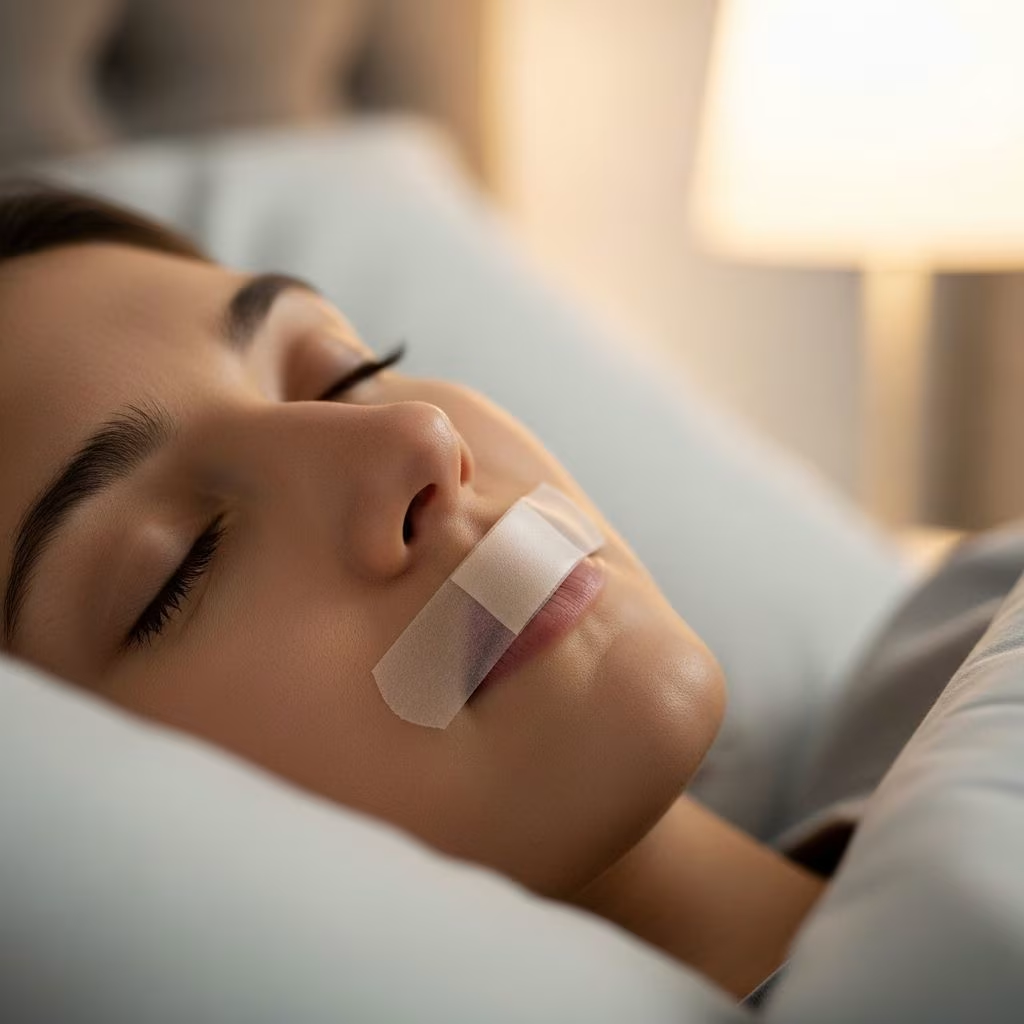
Mouth taping is a viral trend where people use hypoallergenic or surgical tape to close their lips while sleeping, aiming to encourage nasal breathing and reduce mouth breathing. The practice has gained traction on social platforms like TikTok and Instagram, with influencers and celebrities claiming dramatic improvements in sleep quality, jawline definition, and overall health.
Why Are People Taping Their Mouths?
The primary rationale behind mouth taping is the belief that breathing through the nose is healthier than mouth breathing. Advocates argue that nasal breathing filters, warms, and humidifies the air, leading to fewer sleep disruptions, reduced snoring, and even better skin. Some also claim that mouth taping can enhance the jawline by promoting proper tongue posture, as well as improving digestion and mood—though these claims are largely anecdotal.
Claims: Benefits Promised by the Trend
- Better Sleep Quality: Proponents say that forcing nasal breathing leads to deeper, less interrupted sleep.
- Reduced Snoring: Some users believe mouth taping prevents mouth breathing, a contributor to snoring, and thus reduces nighttime noise.
- Improved Oral Health: By reducing dry mouth caused by mouth breathing, taping is claimed to lower the risk of cavities and gum disease.
- Enhanced Jawline: Social media buzz suggests taping can lead to a more defined jawline, though this is not supported by scientific evidence.
- Anti-Aging Effects: Some influencers claim nasal breathing promotes better skin and a youthful appearance.
What Does Science Say?
Despite the viral enthusiasm, scientific evidence supporting mouth taping is scant. A comprehensive review by researchers at Western University analyzed 86 studies, focusing on 10 involving 213 patients, and found no strong evidence of health benefits from mouth taping. The studies showed only modest improvements in mild cases of obstructive sleep apnea, with minimal clinical impact.
The Expert Stance
Medical professionals and sleep experts are alarmed by the rapid spread of this trend. Dr. Brian Rotenberg, an otolaryngologist and sleep surgeon, warns that mouth taping can be dangerous, especially for people with undiagnosed sleep disorders or nasal obstructions. Restricting the mouth’s ability to breathe—even partially—can worsen conditions like sleep apnea, leading to oxygen deprivation and increased risk of heart disease.
“It’s easy for misinformation to run rampant on social media; we’ve seen this countless times over the past few years,” says Dr. Jess Rhee, a resident at London Health Sciences Centre. “We need to make health decisions based on strong scientific evidence. Our hope is that people stop taping their mouths during sleep and recognize it is dangerous.”
Who Should Avoid Mouth Taping?
- People With Sleep Apnea: Mouth taping can worsen obstructive sleep apnea by further restricting airflow, increasing the risk of suffocation during a nasal obstruction.
- Those With Nasal Congestion or Allergies: If you have a cold, allergies, a deviated septum, or chronic sinusitis, taping your mouth shut can dangerously restrict breathing and may cause panic or anxiety.
- Children: Mouth taping is especially risky for children, whose airways are narrower and who may not be able to remove the tape if they feel distressed.
- Anyone With Heart Conditions or Anxiety Disorders: The practice may trigger anxiety or panic attacks and is not recommended for those with underlying health issues.
Does Mouth Taping Reshape Your Jawline or Boost Beauty?
Social media is rife with “before and after” photos claiming mouth taping can define the jawline, but there is no scientific evidence to support this. Proper tongue posture—often referred to as “mewing”—may help young children develop healthy oral habits, but taping an adult’s mouth will not alter bone structure. If you’re interested in facial improvements, consult an orthodontist for safe, evidence-based options.
Potential Dangers and Side Effects
- Oxygen Deprivation: Restricting airflow can lead to dangerously low oxygen levels, especially in people with sleep disorders or nasal blockages.
- Worsening of Underlying Conditions: Mouth taping can make symptoms of sleep apnea, allergies, and asthma worse, and may delay the diagnosis and treatment of these conditions.
- Skin Irritation and Allergic Reactions: Tape can irritate sensitive skin or cause allergic reactions, especially if left on for long periods.
- Anxiety and Panic: Some individuals may feel claustrophobic or panic if unable to breathe through their mouth during sleep.
- Rare but Real Risk of Death: There are documented cases of suffocation and, in rare instances, death associated with mouth taping in people with underlying conditions.
Alternatives to Mouth Taping for Better Sleep
If you’re seeking better sleep quality, there are safer, evidence-based approaches:
- Address Underlying Conditions: Consult a sleep specialist if you snore heavily, gasp for air, or feel tired during the day. You may need evaluation for sleep apnea or other disorders.
- Nasal Strips and Dilators: These can help open nasal passages if congestion is an issue, without the risks of mouth taping.
- Allergy Management: Treat allergies with medication or environmental controls to reduce nasal congestion.
- Humidifiers: Adding moisture to the air can reduce dry mouth and improve sleep comfort.
- Orthodontic Consultation: If you’re concerned about jawline or oral posture, see an orthodontist for personalized advice.
Frequently Asked Questions
Is mouth taping safe for everyone?
No, mouth taping is not safe for everyone. It poses significant risks for people with sleep apnea, nasal congestion, allergies, or underlying health conditions, and should be avoided unless specifically recommended by a healthcare provider.
Can mouth taping improve my jawline?
There is no scientific evidence that mouth taping improves jawline or facial structure in adults. Proper orthodontic care is the best approach for jawline concerns.
Will mouth taping help me stop snoring?
While it might reduce snoring in some cases, it can also worsen underlying sleep apnea and cause dangerous oxygen drops. Snoring should be evaluated by a medical professional.
Are there any proven benefits of mouth taping?
Current research finds only modest, if any, benefits—mostly in mild obstructive sleep apnea—and these are outweighed by the risks for most people.
What should I do if I want to breathe through my nose at night?
Focus on treating nasal congestion with saline sprays, nasal strips, or allergy medications. If you suspect a sleep disorder, see a sleep specialist for proper diagnosis and treatment.
Expert Consensus
“Our research shows that taping the mouth shut during sleep is dangerous, especially among those who may not be aware they have sleep apnea. These individuals are unknowingly making their symptoms worse and putting themselves at greater risk for serious health complications like heart disease.” — Dr. Brian Rotenberg
Key Takeaways
- Mouth taping is a viral trend with little scientific backing and significant risks—especially for those with sleep apnea, allergies, or nasal blockages.
- Claims about jawline improvement and anti-aging are not supported by evidence.
- Safer alternatives exist for improving sleep and nasal breathing, and underlying conditions should be addressed by medical professionals.
Conclusion
While mouth taping may seem like a quick fix for sleep and beauty woes, the reality is far more complex—and potentially dangerous. The trend’s popularity on social media belies its lack of scientific support and the real risks it poses, especially for people with undiagnosed health conditions. Before trying any new health trend—no matter how viral—consult a healthcare provider. Your safety is worth more than a TikTok challenge.
References
- https://www.schulich.uwo.ca/about/news-events-community/news/2025/no-evidence-for-viral-mouth-taping-trend-sleep-expert-says.html
- https://www.elateorthodontics.com/mouth-taping/
- https://wtop.com/health-fitness/2025/07/mouth-taping-trend-poses-serious-health-risks-says-md-doctor/
- https://www.mix1049.com.au/trending/stories/people-are-taping-their-mouths-shut-because-of-this-tiktok-trend/
- https://health.clevelandclinic.org/mouth-taping