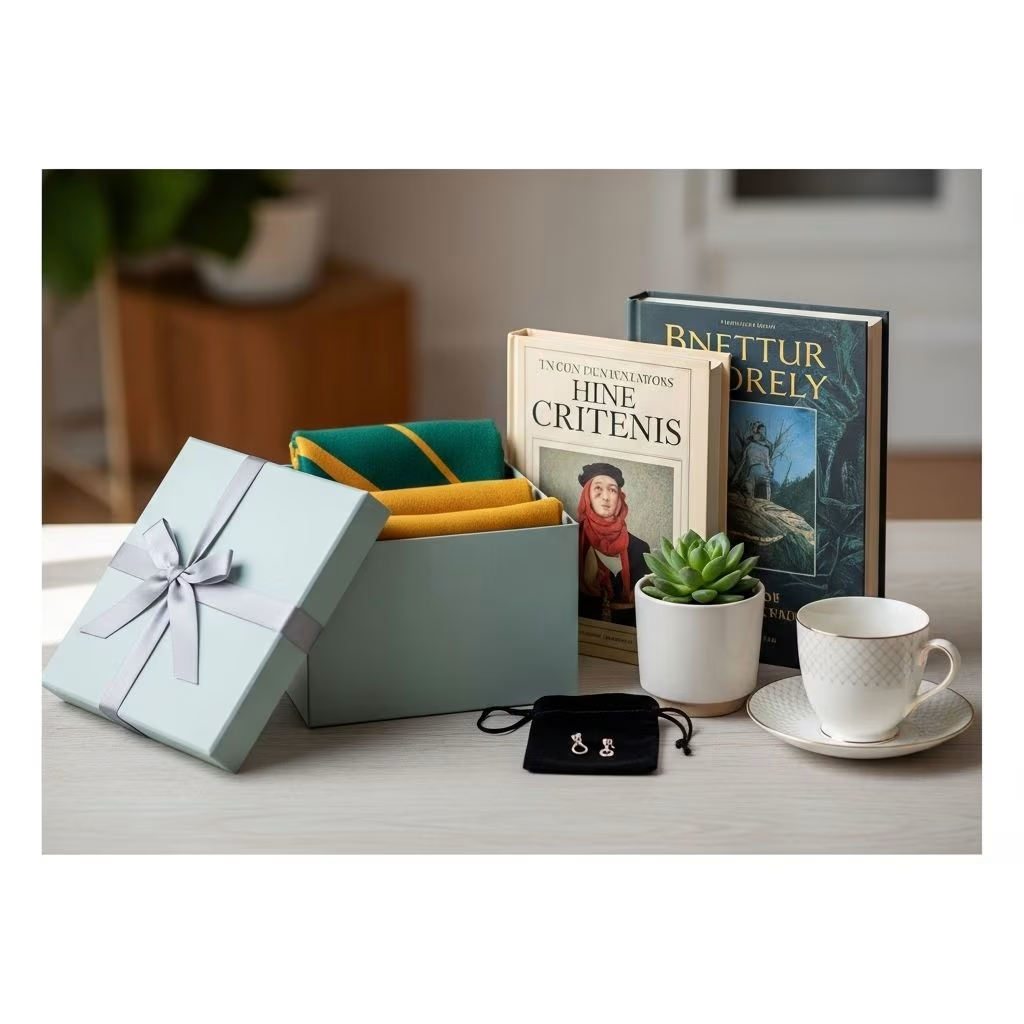
In Defense of Regifting: A Thoughtful Approach to Gift-Giving
Every holiday season, the question of regifting resurfaces, dividing opinions and igniting debates on etiquette, recycling, and practicality. But as gift closets and under-bed storage bins overflow with unused items, it’s worth asking: does regifting really deserve its bad reputation? In a world that’s increasingly conscious of waste, passing along an unused present can actually be a thoughtful, sustainable act—when done mindfully and with the right intentions.
What Is Regifting—and Why Does It Get a Bad Rap?
Regifting refers to the act of passing on a gift you personally received to someone else, as if you bought it just for them. Traditionally, this practice has been labeled as tacky or thoughtless. The main accusations:
- It can feel impersonal, as though the receiver’s taste and feelings weren’t considered.
- It may risk hurting the feelings of the original gift giver if they find out.
- Recipients may recognize something is regifted, especially with widely circulated or generic items.
Despite the negative press, studies show that almost half of women admit to regifting at least sometimes, and many recipients don’t mind receiving a “hand-me-down” gift—so long as it’s something they will actually use or love.
The Regifting Renaissance: Why It’s More Accepted Than Ever
The stigma around regifting is beginning to lift for several reasons:
- Sustainability: By passing along usable items rather than letting them go to waste, regifting supports eco-friendly values and reduces consumption.
- Practicality: With rising costs and economic uncertainty, it feels sensible to avoid unnecessary purchases and make the most of what we already have.
- Changing Attitudes: New studies and polling suggest most people wouldn’t be offended to receive a regifted present, provided it’s in good condition and thoughtfully given.
When Is Regifting Appropriate?
Deciding whether to regift comes down to timing, relationships, and the nature of the item. Here are general guidelines for when regifting is a-okay:
- Generic or duplicate items: Think brand-new candles, kitchen gadgets, a bottle of wine, or a book—especially if you already own a copy or won’t ever use it.
- Occasions with less emotional weight: Small gatherings, Secret Santa exchanges, or office parties are generally safer waters.
- When the gift suits the new recipient better: If you genuinely believe someone will appreciate and use it, that’s a sign you’re regifting for the right reasons.
When You Should Not Regift
There are also clear-cut scenarios where regifting would cause more harm than good:
- Sentimental or personalized gifts: Items with inscriptions, custom engravings, or strong emotional weight should not be regifted under any circumstances.
- Anniversaries, weddings, or baby showers: High-stakes, milestone occasions deserve new, thoughtfully chosen gifts.
- If the gift is expired, perishable, or has already been used: Never regift food close to expiration, opened products, or anything that’s clearly not new or pristine.
- If the original giver is closely connected to the new recipient: Risks of discovery (and hurt feelings) are much higher within overlapping social circles or families.
Smart Strategies for Masterful Regifting
If you’re considering regifting, approach it with care and honesty:
- Only regift brand-new, unopened items in their original packaging. Inspect for any tags, gift notes, or personal messages and remove them before repackaging.
- Rewrap the gift beautifully. Presentation matters—use new wrapping paper, ribbons, or even a creative box to elevate the experience for the new recipient.
- Double-check the suitability. Is the item something the recipient truly needs or would love to have? Avoid using regifting as an excuse to offload unwanted clutter.
- Keep a record of who gave you what. This helps avoid disastrous social slip-ups, like regifting someone’s present back to them or their close friend.
- Avoid regifting within the same circles. Take extra care in tight-knit groups, families, or workplaces.
Best Items to Regift (And What to Avoid)
| Safe to Regift | Items to Avoid |
|---|---|
|
|
Debunking Myths: What Studies and Etiquette Experts Say
Despite lingering taboos, etiquette authorities have softened their stance:
- The core issue isn’t regifting itself, but the potential for hurt feelings, especially for the original giver—so discretion and care are key.
- Most people today would rather their gift be used and appreciated than sit forgotten on a shelf.
- Regifting can be aligned with modern values of reducing excess and waste, particularly during gift-heavy holidays.
The critical question: Are you passing this on to bring genuine joy, or just to unload it? If the former, etiquette experts say you’re in the clear.
How to Handle Regifting Reveals and Awkward Situations
What happens if you’re caught regifting, or someone figures it out? Here’s how to handle these sticky moments gracefully:
- Honesty can be the best policy. If discovered, explain your reasoning openly: perhaps you received something lovely but knew your friend would treasure it more.
- Avoid embarrassment with planning. Track your gifts so they don’t circle back to the original giver or within the same group.
- If you receive a regift, take it gracefully. Remember, the intention may have been sincere, and it’s better for the item to find appreciation than to go unused.
Adding a Personal Touch to Regifted Items
Regifting doesn’t have to feel generic. You can infuse a personal touch into your regift with these ideas:
- Pair items together. For instance, gift an unopened mug with a selection of gourmet coffee and a handwritten note.
- DIY upgrades. Attach a homemade ornament or a unique card to make regifted candles or wine bottles special.
- Create a themed set. Combine several unopened travel-sized toiletries into a chic travel kit.
Why Regifting Makes Sense in Today’s World
Beyond convenience and budget, regifting answers modern needs:
- Less waste: Fewer items end up in landfill when gifts are circulated to those genuinely in need or appreciation.
- Thoughtfulness: When matched thoughtfully, a “recycled” present can be just as meaningful as a store-bought one.
- Budget-friendly: For those facing financial stress, regifting allows for generosity without overspending.
Frequently Asked Questions (FAQs)
Q: Is regifting considered rude?
A: Regifting is only considered rude if it’s done thoughtlessly—such as giving used items, passing on something personal, or failing to remove old gift tags. In most cases, as long as the item is new and chosen with the recipient in mind, it’s perfectly acceptable.
Q: What should I do if I accidentally regift the item to the original giver?
A: If this happens, apologize sincerely and explain it was an honest mistake. Most people appreciate honesty, especially if you compliment the item’s style and say you thought your friend would love it as much as you did.
Q: Are there items I should never regift?
A: Yes. Avoid regifting anything monogrammed, used, handmade by someone else, or overly personal. Also steer clear of perishable foods, near-expiry gourmet goods, and branded promotional swag.
Q: How do I avoid being caught regifting?
A: Keep careful records of who gave you what, avoid regifting within overlapping circles, and always rewrap items in fresh packaging without identifying marks or notes.
Conclusion: Reclaiming the Art of Regifting
Regifting, once fraught with stigma, is finding a new place in our gift-giving culture—as a practical, sustainable, and sometimes even inspired act. With the right approach, it’s not only acceptable, but can also become a meaningful way to ensure that every gift finds a loving home. The key? Prioritize thoughtfulness, respect both givers and recipients, and always regift with intention. In the age of mindful consumption, smart regifting is just good sense—and true holiday spirit.
References
- https://www.thegirlfriend.com/money/the-dos-and-donts-of-holiday-regifting
- https://www.townandcountrymag.com/leisure/arts-and-culture/a45852444/regifting-etiquette-holidays/
- https://www.cosmopolitan.com/style-beauty/fashion/news/a11130/in-defense-of-regifting/
- https://www.cosmopolitan.com/uk/entertainment/a24379/christmas-present-confessions/