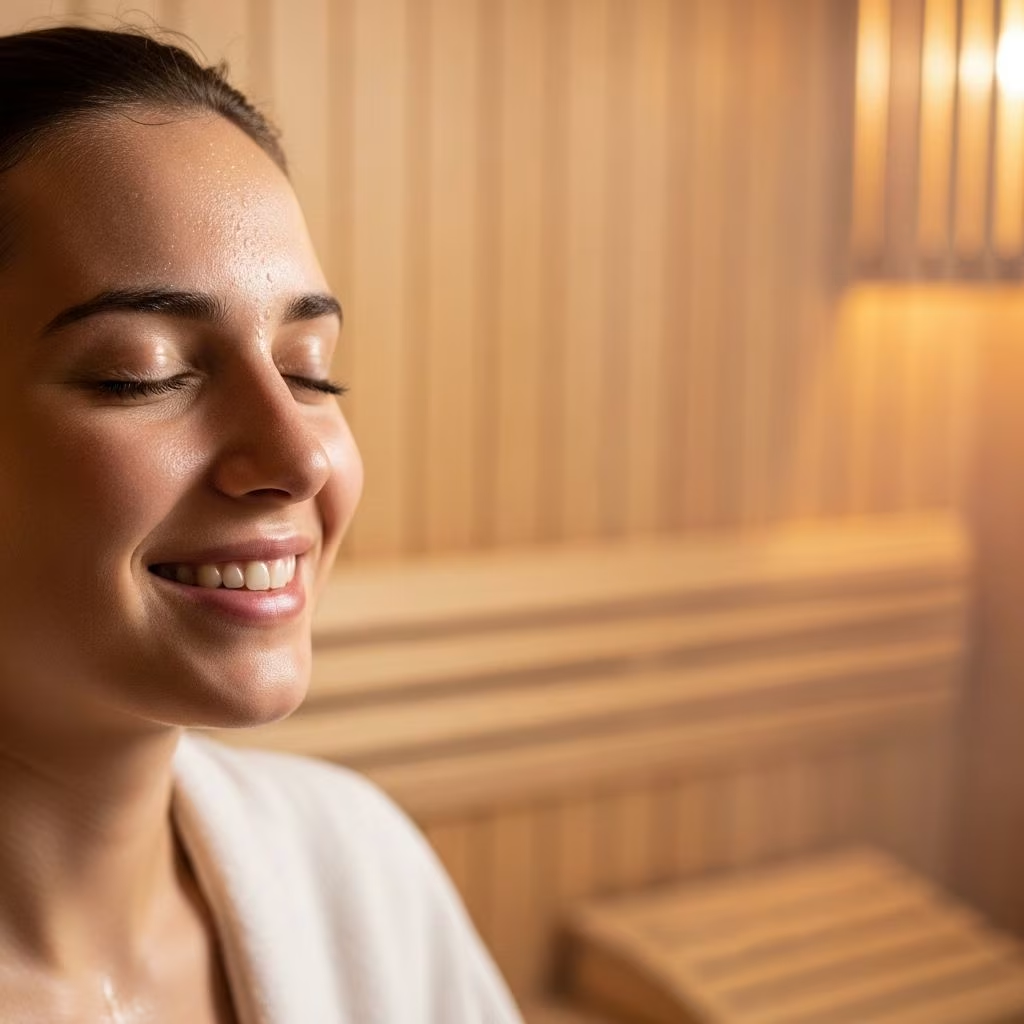
Saunas Are Having a Moment: What Does Science Say?
Saunas have steadily gained popularity again, drawing attention for not only their capacity to provide deep relaxation, but also for their potential to transform health—from fostering radiant skin to supporting cardiovascular and mental wellbeing. With modern lifestyles producing ever-increasing stress and skin challenges, a trip to the sauna holds particular appeal for those seeking whole-body rejuvenation.
Dermatologists and wellness experts agree: Saunas can offer a broad array of benefits if used thoughtfully. Yet, the secret to maximizing sauna gains lies in understanding how the heat affects you—and how to tailor your routine to your unique skin and health needs.
What Are the Benefits of Saunas for Skin?
When it comes to skin benefits, saunas primarily boost circulation. As the heat dilates your blood vessels, blood flow increases, delivering more oxygen and nutrients to skin cells. This helps produce a dewy, glowy complexion.
- Pore Cleansing: Sauna heat loosens up sebum (oil and debris) within pores, aiding natural cleansing. Sweating helps flush out buildup, which is why experts recommend washing your face before entering the sauna to prevent sweat from mixing with leftover makeup or product residue.
- Cortisol Reduction: Relaxation from sauna use helps regulate cortisol—the body’s primary stress hormone. Lower cortisol can contribute to reduced systemic inflammation, which may benefit those with inflammatory skin conditions such as rosacea, psoriasis, or eczema.
- Collagen Stimulation: Deep heat exposure may stimulate collagen production, enhancing skin’s tone, texture, and elasticity.
- Hydration Needs: While sweating helps detox and cleanse, overexposure can dry the skin. Hydrate before and after every session to maintain skin moisture.
For optimum skin benefits, wash your face gently pre-sauna and hydrate thoroughly. Those with sensitive or dry skin should limit exposure and monitor how skin responds.
How Do Saunas Affect Overall Health?
Sauna bathing isn’t just about glowing skin—it provides meaningful whole-body benefits supported by scientific studies and expert observations.
- Improved Circulation: Heat causes blood vessels to dilate and enhances blood flow, supporting cardiovascular wellness and tissue repair. Enhanced circulation can lower blood pressure and, in the long term, reduce the risk of heart disease.
- Joint and Muscle Pain Relief: The deep warmth helps relax tense muscles and reduce minor aches. For those with chronic pain, such as arthritis or fibromyalgia, regular sauna use may offer additional comfort.
- Enhanced Sleep: The calming effect of heat, followed by the cooling post-sauna, can support better sleep. Studies note improved sleep quality in those who use saunas regularly.
- Immune System Boost: Sauna exposure seems to enhance immune function by stimulating white blood cell production and reducing the risk of respiratory illnesses.
- Stress Relief and Mental Health: Saunas stimulate the body’s parasympathetic nervous system (‘rest and digest’), balancing stress responses and promoting mental calm.
Sauna Benefits at a Glance
| Benefit | Description |
|---|---|
| Skin Health | Dewy glow, pore-cleansing, collagen stimulation |
| Pain Relief | Joint, muscle, chronic pain reduction |
| Improved Sleep | Relaxation prepares body for better rest |
| Immune Boost | Stimulates immune response, reduces illness risk |
| Stress Relief | Lowers cortisol, promotes mental wellness |
| Cardiovascular Gains | Supports healthy blood pressure, vessel elasticity |
Infrared Saunas vs. Traditional Saunas: Which Should You Choose?
Infrared saunas use light waves to heat the body directly, while traditional saunas use heated air. Each style offers slightly different benefits and sensations.
| Infrared Sauna | Traditional Sauna | |
|---|---|---|
| Temperature | Lower (120–150°F); direct tissue heating | Higher (150–195°F); air heating |
| Penetration | Deep tissue penetration | Mainly surface heating |
| Benefits | Circulation, inflammation reduction, hormone balance, potential menopausal symptom relief | Relaxation, improved sleep, cardiovascular gains |
| Suitability | Chronic pain, sensitive users | Traditional sauna enthusiasts |
| Installation | Can be more compact, lower installation demands | Often larger, requires dedicated space |
Combine either sauna type with professional advice, gradual exposure, and plenty of hydration for best results.
Who Should Use Saunas?
- Athletes: Muscle recovery
- Individuals with Chronic Pain: Fibromyalgia, arthritis alleviation
- Stress Sufferers: Cortisol reduction, mental health aid
- Those Managing Weight: Metabolic rate boost, toxin elimination
- Menopausal Women: Hot flash management, mood regulation
Are There Risks or Downsides to Sauna Use?
- Dehydration: Sweating leads to fluid loss; hydrate before, during, and after
- Heat Sensitivity: Monitor skin reactions to avoid dryness or irritation
- Heart Conditions: Consult a doctor if you have heart disease or blood pressure issues
- Pregnancy: Avoid high heat without medical guidance
- Exposure Duration: Limit sessions to 15–20 minutes
Always listen to your body—if you feel dizzy, nauseous, or excessively fatigued, exit and seek medical advice.
How Can You Maximize Sauna Benefits?
- Cleanse Before Entering: Remove makeup and products to prevent clogged pores
- Hydrate Well: Drink water before and after your session
- Moisturize After: Apply a gentle, nourishing moisturizer post-sauna
- Limit Session Length: Stick to 15–20 minutes unless acclimated
- Cool Down Slowly: Gradual cooling soothes skin and supports recovery
- Consult a Dermatologist: Get professional advice for sensitive skin or chronic conditions
Frequently Asked Questions (FAQs)
Q: Can saunas cause breakouts?
A: Saunas themselves do not usually cause breakouts. However, failing to wash your face prior can cause sweat to mix with dirt and oil, potentially clogging pores. To avoid this, always cleanse your skin before entering the sauna.
Q: How do saunas help with inflammatory skin conditions?
A: Sauna-induced relaxation lowers cortisol, which can reduce systemic inflammation related to conditions like rosacea and psoriasis. However, monitor your skin’s reaction—heat can sometimes exacerbate flare-ups for sensitive individuals.
Q: Should I use a sauna if I have very dry skin?
A: Only after consulting a dermatologist. Saunas can further dry skin, so limiting frequency and applying a hydrating moisturizer post session can help.
Q: Is infrared or traditional sauna better for skin?
A: Both offer skin-cleansing and circulation-boosting benefits. Infrared saunas penetrate deeper and may enhance collagen production, but also run at lower temperatures, which can be gentler for some users.
Q: How often should I use a sauna for best results?
A: Experts generally recommend 2–4 times per week for overall wellness. For skin, start once per week and adjust based on how your skin responds.
Key Takeaways for Sauna Use
- Saunas can benefit both skin and overall health with improved glow, relaxation, immune support, and pain relief.
- Risks include dehydration and possible skin irritation; always hydrate, monitor your session time, and consult a physician if you have underlying health conditions.
- Optimal sauna routines vary based on skin type, health status, and goals. Professional guidance is recommended for sensitive users.
- Regular sauna use may also support weight management and cardiovascular wellness.
By respecting your body’s limits, prioritizing hydration and skincare, and seeking professional advice when needed, you can harness saunas for a healthier, glowier you—inside and out.
References
- https://drbrighten.com/health-benefits-of-infrared-sauna/
- https://www.cosmopolitan.com/style-beauty/beauty/a64187130/sauna-benefits/
- https://drbrighten.com/infrared-sauna-benefits/
- https://www.cosmopolitan.com/uk/body/a36144118/infrared-sauna-blanket/
- https://www.womenshealthmag.com/health/a18698157/sauna-health-benefits/
- https://www.uclahealth.org/news/article/benefits-sauna-bathing-heart-health