In early 2014, the Winter Olympics brought the world’s gaze to Sochi, Russia—a city where government repression clashed with international calls for human rights. Amid the snow sports and gold medals, another drama played out: the boldest and most visible moments of LGBTQ+ pride, solidarity, and subtle resistance. While Russia’s strict laws tried to silence queer voices, athletes, activists, and allies used the Olympic spotlight to show that LGBTQ+ culture cannot be erased. Here’s an in-depth exploration of the loud, proud, and even subversive moments that colored the games, from drag performances to rainbow laces, protest art to pop culture celebration.
Queer Visibility Versus Official Denial
As the games approached, Russian lawmakers intensified their efforts to suppress LGBTQ+ rights—most infamously with the 2013 “gay propaganda law,” which criminalized public promotion of “non-traditional” relationships. Officials, like Sochi Mayor Anatoly Pakhomov, publicly denied the existence of a local gay community, dismissing it with statements like “There are no gays here.” But behind closed doors and on international platforms, visibility thrived anyway .
LGBTQ+ Life Underground: The Club Mayak Phenomenon
At the heart of Sochi’s underground gay culture was Club Mayak (meaning “Lighthouse”), a cabaret venue that became a sanctuary for queer Russians and tourists alike during the Olympics.
- Club Mayak hosted flamboyant drag shows, dance parties, and cabaret performances—even as the exterior of the club had to blend in for safety .
- The club’s co-owners, Andrei Tanichev and Roman Kochagov, not only gave local LGBTQ+ residents a place to socialize, but also fostered a sense of resistance: “Russian gays socialize with each other abroad more than in Russia, because in Russia they don’t like to make their orientation known” .
- Even the club signage had to be taken down repeatedly because of vandalism and threats—yet the energy inside was defiant, colorful, and welcoming .
Inside Club Mayak: Drag, Music, and Queer Joy
Backstage, performers applied makeup, donned elaborate costumes, and rehearsed for raucous shows that mixed comedy, music, and dance. Onstage, the acts celebrated LGBTQ+ expression, from traditional drag pageantry to subversive takes on Russian culture. Tourists, athletes, and locals danced side by side, united by a brief sense of safety and pride .
Rainbow Resistance: Small Gestures, Strong Messages
With public protest legally dangerous, subtle acts of visible pride and solidarity became forms of resistance. The world’s eyes were watching the Russian government—making every small rainbow an act of international political defiance. Here are the most memorable:
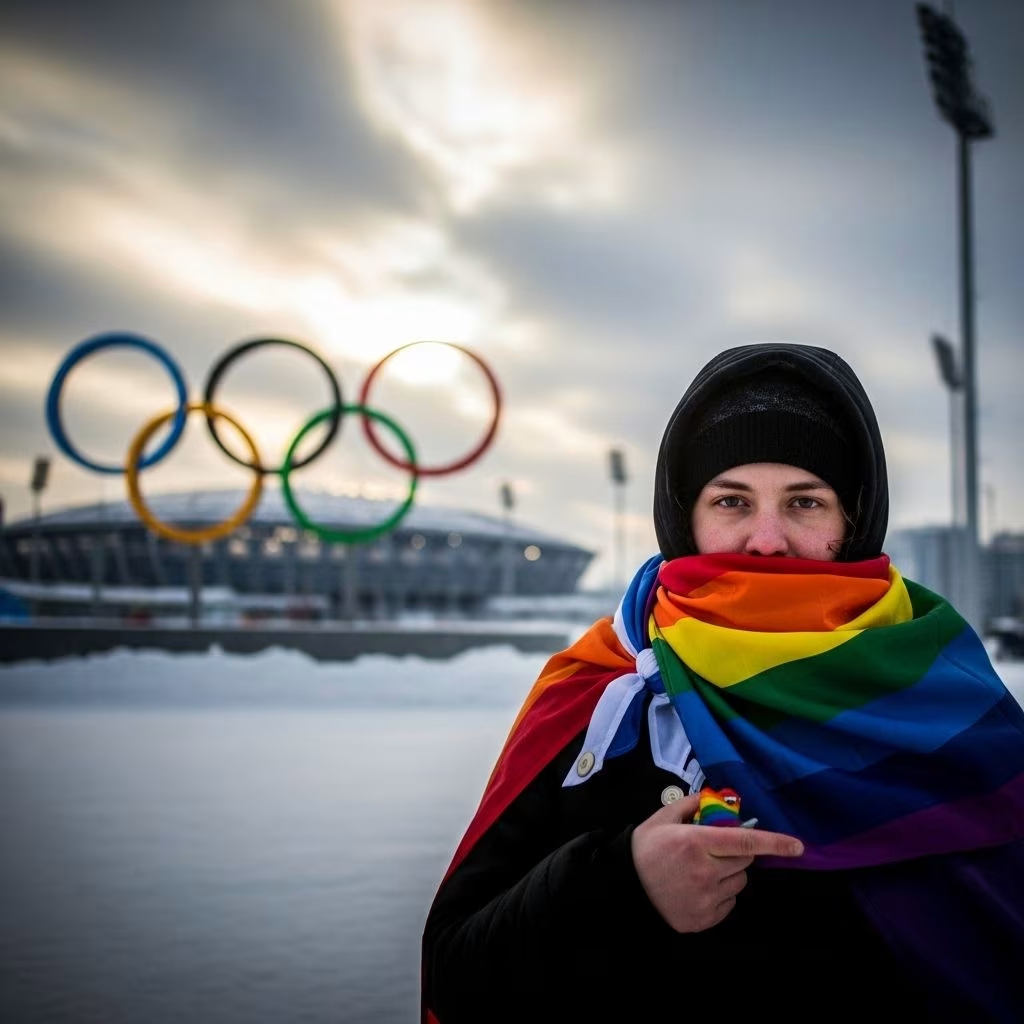
- Rainbow Accessories: From rainbow-colored shoelaces to bracelets and pins, athletes and attendees found ways to quietly show support. Even these small gestures were enough to spark controversy, but also to inspire global attention .
- Olympic-Inspired Outfits: Some athletes incorporated rainbow hues into their uniforms, outerwear, or even nail polish, blurring the line between Olympic fanfare and pride symbolism.
- Pop Star Power: International musicians, notably those with a strong LGBTQ+ following, used their platforms to call out Russia’s laws. Madonna and Lady Gaga voiced their support for Russian queers, with Lady Gaga encouraging her fans to stand up to “tyranny.”
Moments of Protest and Solidarity
- Public Displays Despite Risk: In a rare and courageous instance, some LGBTQ+ visitors and activists posed for photos holding hands or waving rainbow flags—fully aware of the personal dangers under Russian law.
- Social Media Campaigns: Hashtags like #GaySochi and #LoveIsLove trended on Twitter and Instagram throughout the games, amplifying the stories and images of those challenging the status quo.
- International Response: Western athletes, delegations, and celebrities critiqued Russia’s “gay propaganda” ban, prompting both boycott threats and on-the-ground shows of support from visiting fans and journalists .
Major Highlights and Iconic Moments
| Event / Moment | Type of Expression | Significance |
|---|---|---|
| Club Mayak’s drag shows | Queer nightlife & safe space | Symbolized resilience under threat |
| Rainbow laces & outfits | Subtle visual protest | Signaled solidarity with global LGBTQ+ community |
| Social media campaigns | Hashtags & viral photos | Globalized queer resistance |
| International pop stars speaking out | Celebrity endorsement | Brought mainstream awareness to queer struggle |
| Open affection by queer couples | Direct visibility | Risked legal consequences for authenticity |
Olympic Athletes: Silence, Fear, and Hidden Advocacy
While some speculated about political protests from openly gay athletes, most competitors remained quiet, concerned about their safety and the potential backlash. As activist Hudson Taylor of Athlete Ally noted, “Many of the athletes we’ve worked with have expressed a real fear of being too vocal heading into the games. There is a fear that… talking about how they really feel about the issue may … negatively impact their ability to come to the games” .
Even so, the mere presence of openly queer athletes—and the international debate over their safety—became a story of its own, highlighting the intersection of sports, politics, and identity on a global stage.
The Politics of Queer Spaces
Club Mayak’s story embodies the paradoxes of Russian LGBTQ+ life: a thriving celebration behind locked doors, and perpetual insecurity outside. With police and vigilante threats a constant concern, the community created its own networks of trust and joy, however precarious . Yet with each round of global coverage, the stakes grew higher for Mayak’s owners and patrons. Fear of surveillance, as well as Russia’s tightening anti-gay policies, pushed many symbols of pride further underground.
Local Dynamics: Coming Out Under Pressure
For many Russians, the greatest challenge wasn’t legal—it was familial. Few local LGBTQ+ residents were willing to risk public protest or open displays of affection, partly out of concern for themselves, but more often out of worry over family backlash . Instead, as club owner Tanichev explained, “They have different concerns. They need to come out to their parents, to themselves, to hold mini gay parades in their own families. That’s what they’re thinking about. How their parents and friends will react.”
International Attention: Boycotts, Endorsements, and Backlash
- International media zeroed in on Russia’s LGBTQ+ oppression, arguably for the first time on such a scale. Headlines ran worldwide about Sochi’s contradictory reality: public denial on one hand, private celebration on the other.
- Sponsors faced boycotts and public criticism in the West, with calls for greater responsibility and activism.
- The Olympic Committee responded ambivalently, vowing that all athletes would be protected while urging everyone to “respect local laws.”
The Human Impact: Hope, Anxiety, and the Fight Continues
What did these moments add up to? For Sochi’s LGBTQ+ community and its allies, the games were a time of connection, peril, and fleeting triumph. Yet as soon as the Olympic flame was extinguished, fears mounted that the relative openness of the games would be replaced by deeper repression.
Owners of Club Mayak even applied for asylum in Europe, citing safety concerns, though they were denied. With attendance by local gays in decline and risks increasing, the club’s future remained uncertain—mirroring the precariousness of LGBTQ+ life in Russia more broadly .
Frequently Asked Questions (FAQs)
Q: Was there an openly gay scene in Sochi during the 2014 Olympics?
A: Yes, Club Mayak emerged as the main underground queer venue, hosting drag shows and parties, even as repression and denial by officials persisted .
Q: What risks did LGBTQ+ people and allies face in Sochi?
A: Visible support for LGBTQ+ rights risked fines, arrest, or violence under Russia’s “gay propaganda” law, and incidents of anti-gay attacks increased nationwide during the time .
Q: Did any athletes or celebrities protest Russia’s anti-gay laws?
A: Many celebrities, like Lady Gaga and Madonna, spoke out. Athletes were more cautious due to possible repercussions for their safety and standing .
Q: What happened to Sochi’s gay scene after the Olympics?
A: Although Club Mayak remained open, long-term safety concerns led to dwindling local attendance, and the outlook for Russian LGBTQ+ spaces remains uncertain .
Q: How did international audiences respond to Russia’s LGBTQ+ policies during the games?
A: Western media, fans, and some sponsors publicly condemned the laws, leading to greater scrutiny, calls for boycotts, and viral social media campaigns in support of LGBTQ+ Russians .
Conclusion: Pride in the Face of Pressure
The 2014 Sochi Winter Olympics revealed the resilience, creativity, and courage of the LGBTQ+ community in the face of extraordinary repression. Though official Russia tried to silence queer expression, flashes of rainbow pride, resistant joy, and solidarity shone through—reminding the world that no law can fully extinguish the light of human dignity.
References
- https://www.mic.com/articles/80391/20-photos-from-sochi-s-biggest-gay-club-the-one-the-mayor-claims-doesn-t-exist
- https://www.voanews.com/a/gay-life-in-sochi-russia/1846043.html
- https://www.youtube.com/watch?v=vvibvZho77Q
- https://www.cbsnews.com/news/life-goes-on-for-sochis-gay-community-despite-2014-winter-olympics/
- https://www.cosmopolitan.com/style-beauty/fashion/advice/g3812/gayest-sochi-moments/
- https://www.cosmopolitan.com/entertainment/celebs/news/a18758/gays-olympics-putin/
- http://files.eric.ed.gov/fulltext/ED674970.pdf