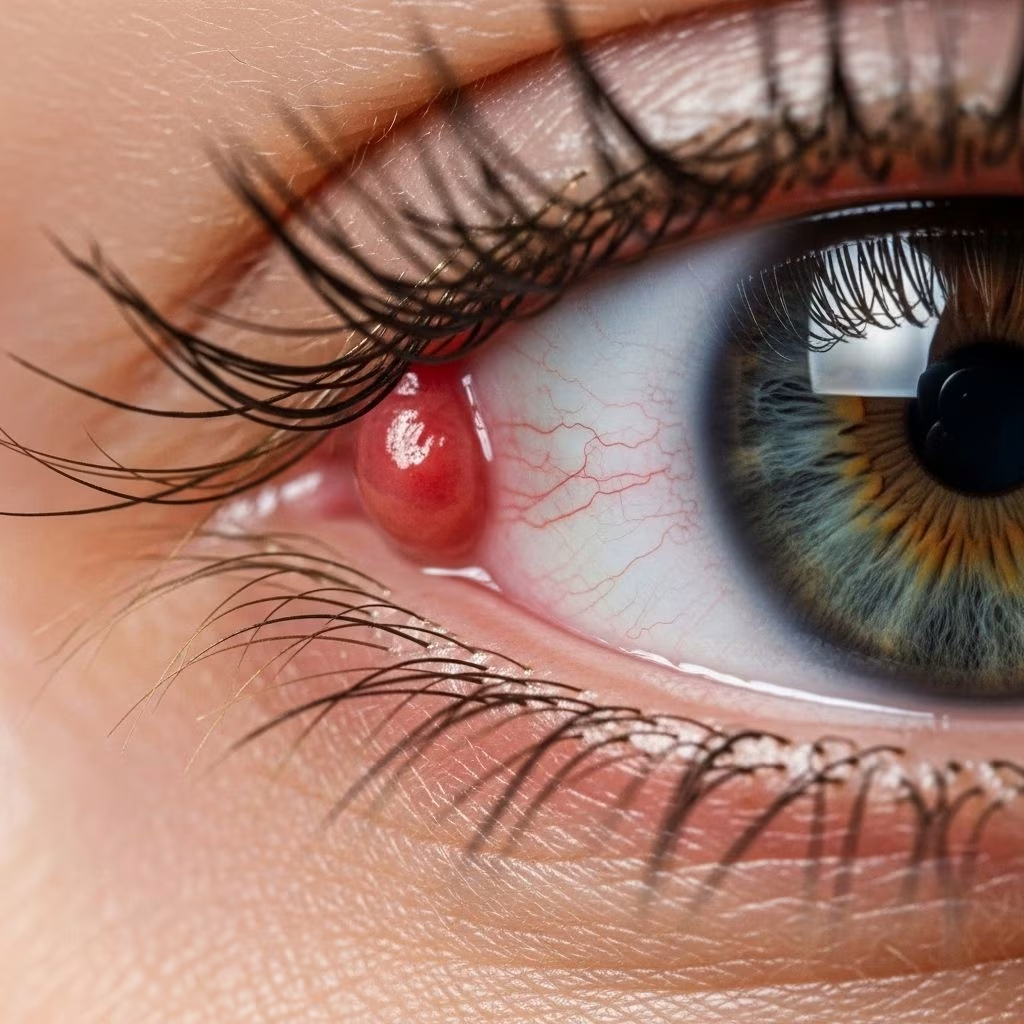
What Is a Stye?
A stye (also called a hordeolum) is a small, red, painful lump that can develop on the inside or outside edge of your eyelid. These bumps resemble pimples or boils and are caused when a gland or follicle in the eyelid becomes blocked and subsequently infected, most often by Staphylococcus bacteria. While usually harmless, styes can cause significant discomfort and unsightly swelling, leading many to seek rapid relief and prevention strategies.
What Does a Stye Look and Feel Like?
Styes are readily identifiable by their appearance and the discomfort they cause. Typical features include:
- A red, swollen bump along the edge or just inside the eyelid, sometimes with a white or yellow tip (pus-filled)
- Pain or tenderness at the site, often exacerbated by blinking
- Crusting around the eyelid margins, especially upon waking
- Watery eyes and increased tearing
- Light sensitivity or a sensation of something gritty or foreign in the eye
- Localized redness or warmth at the site
Some people also experience mild blurry vision if the swelling is significant enough to press against the eye. However, styes usually do not affect overall vision.
Types of Styes
There are two main types of styes, differentiated by their location on the eyelid:
- External stye: The most common type. This forms on the outer edge of the eyelid, rooted in an infected eyelash follicle or one of the small oil (sebaceous) glands nearby.
- Internal stye: This forms on the inside of the eyelid, resulting from infection of the meibomian (oil-producing) glands within the eyelid tissue. These styes may be more painful and cause greater swelling than external types.
| Type | Location | Description | Pain Level |
|---|---|---|---|
| External Stye | Along eyelid margin (usually at eyelash follicle) | Red, tender lump with possible pus point; more common | Mild to moderate |
| Internal Stye | Inside eyelid (in gland) | Larger, deeper swelling, rarely visible externally | Can be more painful |
What Causes a Stye?
The primary culprit behind most styes is an infection by Staphylococcus bacteria. These bacteria normally live on our skin but can cause infections under certain conditions.
Factors that increase the risk of developing a stye include:
- Poor hygiene, particularly around the eyes (e.g., not washing hands before touching the eyes or handling contact lenses)
- Blocked oil glands due to excess oil, sweat, or makeup residue
- Frequent eye touching or rubbing, especially with unclean hands
- Chronic skin conditions such as rosacea or seborrheic dermatitis
- Use of old or expired eye makeup
- Leaving eye makeup on overnight
- Underlying health conditions compromising the immune system (e.g., diabetes)
It’s important to note that stress does not directly cause styes, but it might lower your immune resistance, making you more susceptible to infections, including those leading to styes.
Are Styes Contagious?
Styes themselves are not generally contagious; the infection typically remains localized in the affected eyelid gland. However, the bacteria that cause styes can be transferred from person to person through contact, especially if hygiene practices are lacking. To reduce the risk of spreading bacteria:
- Avoid sharing towels, pillowcases, or washcloths with others
- Wash hands frequently, especially after touching your eyes
- Do not share cosmetics or contact lens cases
Common Symptoms of a Stye
- A localized, tender, red bump on the eyelid (external or internal)
- Swelling and tenderness of the affected eyelid
- Pain, especially during blinking
- Yellow or white pus point (may eventually drain and crust over)
- Tearing, light sensitivity, or the sensation of a foreign body in the eye
- Occasional eyelid or eye discharge
These symptoms typically develop rapidly over one to two days and tend to resolve within a week as the stye comes to a head and drains spontaneously.
How to Treat a Stye at Home
Most styes resolve without the need for medical intervention. The following home remedies can promote healing and alleviate discomfort:
- Warm compresses: Soak a clean washcloth in warm water and place it gently over the closed eyelid for 10 to 15 minutes. Repeat this process 3 to 5 times daily for the best results. The warmth helps to draw out the pus and allows the stye to drain naturally.
- Eyelid hygiene: Keep the eyelid clean by washing it gently with a mild, tear-free baby shampoo diluted with water. Avoid rubbing, squeezing, or attempting to pop the stye, as this can make the infection worse or spread it.
- Avoid makeup and contact lenses: Refrain from using eye makeup and contacts until the stye has fully healed to prevent irritation and reinfection. Replace old eye makeup to avoid reintroducing bacteria.
- Pain relief: Consider over-the-counter pain relievers, like acetaminophen or ibuprofen, if the stye is especially uncomfortable. Avoid topical steroids unless instructed by your doctor.
Styes rarely require antibiotics. However, if the area becomes more swollen, red, or does not improve after several days, a healthcare provider may prescribe antibiotic ointment or, in rare cases, oral antibiotics.
When to See a Doctor
- The stye is very painful or does not improve with home care after a week
- There is significant swelling or redness spreading to other parts of the eyelid or face (possible cellulitis)
- There is vision loss or severe light sensitivity
- You have recurrent styes or chalazia
- You are immunocompromised or have underlying health issues (e.g., diabetes)
Very occasionally, a doctor may need to drain the stye surgically if it does not resolve on its own or is extremely large and painful. Never attempt to drain a stye at home, as this increases the risk of further infection and scarring.
Possible Complications of a Stye
- Chalazion formation: Sometimes, a stye may evolve into a chalazion, a firm, painless lump caused by a blocked gland. Chalazia usually require no treatment but can be removed surgically if bothersome.
- Eyelid cellulitis: In rare cases, the infection can spread to other eyelid tissues, causing cellulitis. This requires prompt antibiotic treatment from a healthcare provider.
- Recurrent styes: Frequent styes may indicate underlying skin conditions or chronic gland blockage, necessitating further evaluation.
How to Prevent Styes
Stye prevention relies heavily on good eyelid and hand hygiene. The following strategies can significantly lower your risk:
- Wash your hands before touching your eyes or handling contact lenses
- Remove makeup thoroughly before bed
- Avoid using expired or shared eye makeup
- Clean eyelids regularly if you have a history of styes or eyelid inflammation
- Do not rub your eyes, especially with unwashed hands
- Replace eye cosmetics every 3-6 months
- Follow medical advice for treating chronic eyelid conditions (e.g., blepharitis, rosacea)
Stye vs. Other Eyelid Bumps
Not every eyelid bump is a stye. A chalazion, for example, is a non-infectious, often painless lump caused by a blocked oil gland farther back in the eyelid. While both styes and chalazia may appear similar, their treatments are largely the same—warm compresses, gentle hygiene, and medical review if persistent. Seek professional diagnosis if unsure of the difference.
What Not to Do if You Have a Stye
- Do not try to pop or squeeze the stye, as this can spread infection and worsen inflammation.
- Avoid wearing eye makeup or contact lenses until the stye has fully healed.
- Don’t share towels, eye drops, or cosmetics with others.
- Avoid excessive touching or rubbing of the affected eye.
Frequently Asked Questions (FAQs)
Q: How long does a stye last?
A stye typically lasts 3 to 7 days, although the residual bump (especially with internal styes) can persist for a few weeks. If a stye lasts longer than 10 days or if symptoms worsen, consult your healthcare provider.
Q: Can styes keep coming back?
Recurrent styes can result from chronic gland blockage, blepharitis, or underlying skin conditions. Minor lifestyle changes and better eyelid hygiene can help, but frequent styes warrant medical evaluation for root causes.
Q: Are styes a sign of poor hygiene?
Not necessarily. While hygiene plays a significant role, some people are prone to styes due to anatomy or underlying medical issues. That said, maintaining clean hands and eyelids is an important preventive strategy.
Q: Should you wear contact lenses if you have a stye?
No. Avoid wearing contact lenses and eye makeup until the stye has fully healed to prevent further irritation or infection. Use new or freshly sanitized lenses and makeup after healing.
Q: When should I see a specialist about a stye?
See a doctor if the stye is:
- Very painful or not improving after 7 days of home care
- Returning frequently
- Accompanied by vision changes, severe redness, or fever
Key Takeaways
- Styes are common and usually harmless. With consistent care and simple hygiene measures, most resolve quickly without medical intervention.
- Timely use of warm compresses and good eyelid hygiene are your best defenses.
- If a stye is persistent, very painful, or spreading, seek medical attention.
- Practicing prevention can help keep your eyes healthy and stye-free.
References
- https://www.healthline.com/health/eye-health/what-causes-a-stye
- https://www.webmd.com/eye-health/styes-causes-symptoms-treatment-prevention
- https://www.healthdirect.gov.au/stye
- https://my.clevelandclinic.org/health/diseases/17658-stye
- https://www.mayoclinic.org/diseases-conditions/sty/symptoms-causes/syc-20378017
- https://www.mayoclinic.org/diseases-conditions/sty/diagnosis-treatment/drc-20378022
- https://www.nhs.uk/conditions/stye/