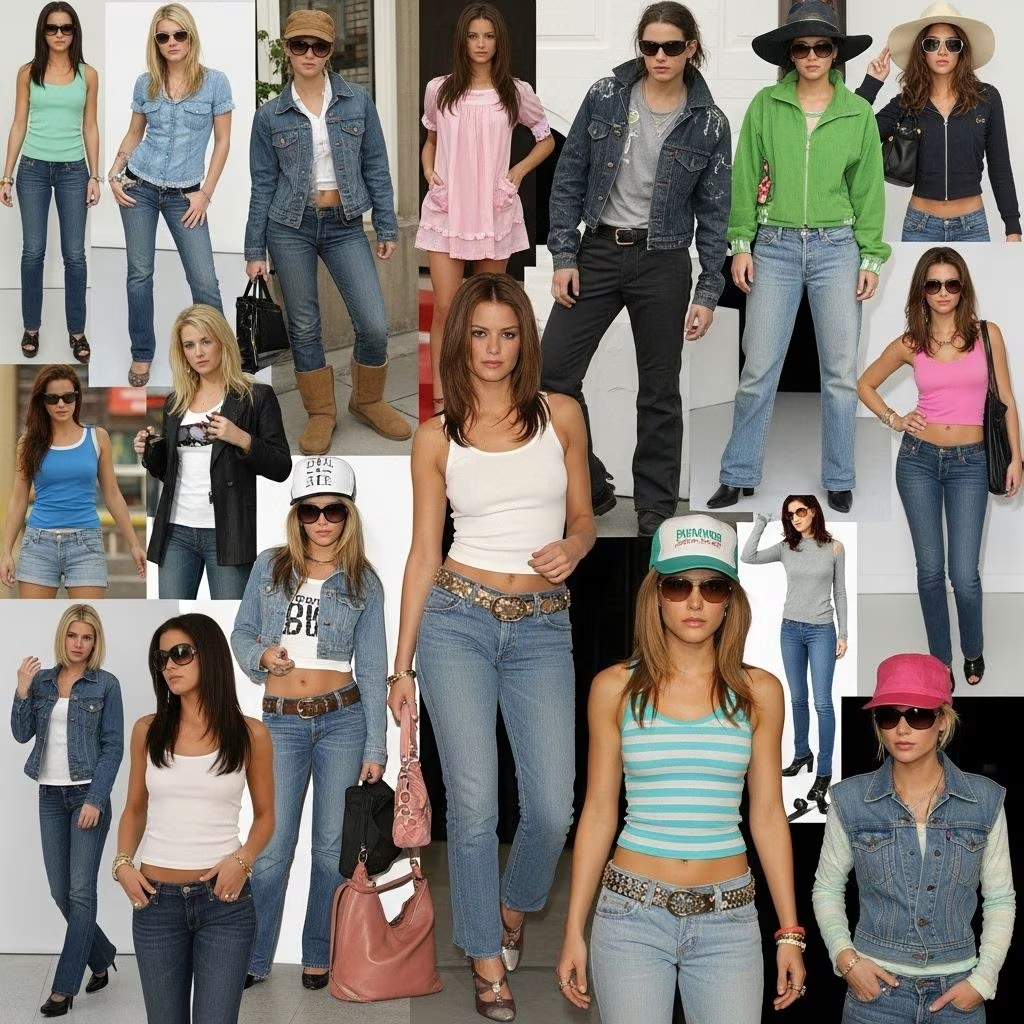
Summer brings sunshine, warmth, and the challenge of dressing professionally while staying cool. Finding the perfect balance between office-appropriate attire and breathable, comfortable clothing can feel like an impossible task when temperatures soar. The key to mastering summer work outfits lies in understanding fabric choices, silhouettes that work for both comfort and professionalism, and styling techniques that keep you looking polished without overheating.
Whether you’re navigating a traditional corporate environment or enjoying the flexibility of business casual, having a well-curated summer work wardrobe makes getting dressed each morning effortless. This comprehensive guide explores everything you need to know about creating summer work outfits that transition seamlessly from morning commutes to air-conditioned offices, lunch meetings to after-work events.
Understanding Summer Work Wardrobe Essentials
Building a functional summer work wardrobe starts with identifying key pieces that offer versatility and comfort. The foundation of any professional summer wardrobe should include breathable fabrics that allow air circulation while maintaining a polished appearance. Natural fibers like cotton, linen, and lightweight wool blends are excellent choices that keep you cool without sacrificing style.
Investing in quality basics provides endless outfit combinations throughout the season. A well-fitted blazer in a lightweight fabric serves as the cornerstone piece that instantly elevates any look. Choose neutral colors like navy, beige, or soft gray that coordinate effortlessly with multiple outfits. Pairing this with streamlined work pants in breathable materials creates a foundation that works for various professional settings.
Tank tops and sleeveless blouses in elegant designs offer another essential component for summer work outfits. These pieces work beautifully under blazers during meetings or standalone when temperatures rise. Opt for structured styles with modest necklines that maintain professionalism while keeping you comfortable. Moisture-wicking fabrics help manage perspiration during commutes and outdoor portions of your day.
Fabric Selection for Professional Summer Clothing
Choosing the right fabrics makes an enormous difference in comfort levels throughout long workdays. Natural fibers typically outperform synthetics in hot weather, though modern technical fabrics offer impressive breathability and wrinkle resistance. Cotton remains a classic choice that feels soft against skin while allowing excellent air circulation. Look for cotton blends that incorporate small percentages of synthetic fibers for added durability and shape retention.
Linen stands out as one of the most breathable options for summer professional wear. While traditional linen wrinkles easily, modern treatments and linen-blend fabrics maintain a crisp appearance longer. Linen works particularly well for blazers, trousers, and dresses, providing an effortlessly sophisticated aesthetic that feels appropriate for business settings. The fabric’s natural texture adds visual interest while keeping you noticeably cooler than heavier materials.
Technical fabrics designed for activewear have crossed into professional fashion, offering moisture-wicking properties and four-way stretch. These materials work exceptionally well for work pants and skirts, providing comfort during long days while maintaining a professional silhouette. The stretch allows freedom of movement without fabric clinging to your body, while moisture-wicking technology keeps you feeling fresh from morning to evening.
Creating Office-Ready Summer Looks
Professional summer outfits require careful consideration of both workplace dress codes and personal comfort needs. Starting with a base of breathable work pants creates a foundation that works for most office environments. Choose styles with clean lines and proper tailoring that create a polished silhouette without excess fabric that traps heat. Wide-leg cuts allow maximum air circulation while maintaining an elegant, professional appearance.
Pairing streamlined pants with elegant tank tops creates an effortlessly chic combination perfect for summer offices. The key to making this look work-appropriate lies in choosing tanks with structured designs, quality fabrics, and modest cuts. Layering a lightweight blazer over tank tops provides extra polish for meetings while remaining easy to remove when temperatures fluctuate. This layering approach allows adaptability throughout the day as you move between air-conditioned spaces and warmer environments.
Dresses offer one of the most comfortable and stylish options for summer work wardrobes. A-line and sheath silhouettes in breathable fabrics provide professional polish while allowing air circulation. Choose lengths that fall at or just above the knee for appropriate coverage that still feels summery. Sleeveless or short-sleeve designs keep you cool, while the single-piece nature eliminates the discomfort of waistbands during hot weather.
Footwear Choices for Summer Professional Style
Selecting appropriate footwear for summer work outfits balances comfort, professionalism, and heat management. Closed-toe shoes remain the standard in most professional environments, but summer-friendly options exist that keep feet cooler than traditional pumps. Look for styles with perforated leather, mesh panels, or cut-out details that allow ventilation while maintaining a professional appearance.
Block heels and wedges provide stability and comfort for all-day wear while offering a polished finish to summer work outfits. These styles distribute weight more evenly than stilettos, reducing foot fatigue during long days. Choose neutral colors like nude, tan, or black that coordinate with multiple outfits, maximizing versatility across your wardrobe. Quality leather or breathable synthetic materials prevent excessive perspiration and discomfort.
For more casual office environments, sophisticated flats and loafers offer comfortable alternatives to heels. Modern designs incorporate cushioned insoles and ergonomic construction that support feet during extended wear. Pointed-toe flats maintain a dressy appearance suitable for professional settings, while leather or suede materials provide durability and breathability. Slip-on styles simplify morning routines while looking polished and intentional.
Color Palettes and Patterns for Summer Workwear
Summer provides the perfect opportunity to incorporate lighter colors and interesting patterns into professional wardrobes. While neutral foundations remain essential, adding seasonal colors refreshes your look and reflects the brighter atmosphere of summer months. Soft pastels like blush pink, mint green, and powder blue offer sophisticated alternatives to stark white while maintaining professional appropriateness.
Incorporating patterns adds visual interest to summer work outfits without compromising professionalism. Subtle stripes, small florals, and geometric prints work well in office settings when executed in refined color combinations. The key to pattern success lies in scale and contrast—smaller prints generally read as more professional than large, bold designs. Pairing patterned pieces with solid neutrals creates balanced looks that feel polished rather than overwhelming.
Earth tones and muted jewel tones provide rich alternatives to traditional navy and black while feeling appropriate for summer weather. Terracotta, sage green, and warm camel tones complement various skin tones while coordinating easily with existing wardrobe pieces. These colors feel fresh and seasonal without reading as too casual for professional environments. Mixing different tones within the same color family creates sophisticated monochromatic looks that appear intentional and stylish.
Styling Athleisure Elements for Work
The rise of athleisure has influenced professional fashion, with certain sporty elements becoming acceptable in business casual environments. Incorporating athletic-inspired pieces requires careful selection and styling to maintain appropriate professionalism. Structured athletic-inspired pants in elevated fabrics bridge the gap between comfort and office-appropriate attire. Look for styles with tailored details like creases, zip pockets, or subtle seaming that elevate them beyond typical workout wear.
Tennis skirts and skorts have evolved beyond athletic contexts into fashionable workwear alternatives for casual office environments. Modern iterations in professional fabrics and classic colors work well when paired with structured tops and blazers. The built-in shorts provide comfort and coverage while the skirt silhouette maintains a feminine, polished appearance. This combination offers freedom of movement and breathability perfect for summer weather.
Sports-inspired tops in refined fabrics can work in casual professional settings when styled appropriately. Polo shirts in quality materials offer a preppy, polished look that feels summery and comfortable. Pairing these with tailored pants or knee-length skirts creates balanced outfits that read as professional rather than athletic. The key lies in choosing pieces with proper structure and avoiding obvious athletic branding or excessively casual styling details.
Layering Strategies for Temperature Fluctuations
Summer workplaces often present temperature challenges with overly air-conditioned interiors contrasting sharply with outdoor heat. Developing effective layering strategies ensures comfort throughout the day regardless of environmental changes. Lightweight cardigans in fine-gauge knits provide warmth during chilly office hours while remaining easy to remove and carry when stepping outside.
Structured blazers in summer-weight fabrics serve as versatile layering pieces that instantly elevate any outfit. Choose unlined or partially lined styles that don’t add excessive bulk or heat retention. Keeping a blazer at your desk allows you to add polish for unexpected meetings without planning ahead. Neutral colors ensure coordination with various outfits, while seasonal colors add personality to your professional wardrobe.
Scarves and wraps offer lightweight layering options that add style while providing warmth in frigid office environments. Draping a lightweight scarf over shoulders creates an elegant look that transitions seamlessly between indoor and outdoor settings. Choose breathable materials like cotton, silk, or linen that fold compactly into bags when not needed. This approach provides adaptability without carrying bulky jackets or sweaters throughout the day.
Accessorizing Summer Work Outfits
Thoughtful accessorizing elevates summer work outfits from basic to polished without adding heat or discomfort. Minimalist jewelry in quality materials creates sophisticated accents that enhance rather than overwhelm professional looks. Delicate necklaces, simple stud earrings, and classic watches add refinement while remaining appropriate for various workplace settings. Gold and silver tones work universally across different color palettes and personal styles.
Bags serve both functional and aesthetic purposes in professional wardrobes. Structured totes and satchels in leather or quality synthetic materials maintain professional appearances while providing necessary storage for work essentials. Choose styles with organizational compartments that keep items accessible and prevent rummaging during meetings. Neutral colors like black, tan, or navy coordinate effortlessly with multiple outfits, while seasonal colors add personality to your professional presentation.
Belts define waistlines and add polish to summer work outfits, particularly when wearing flowing or oversized pieces. Slim leather belts in classic colors provide versatility across different looks, while statement belts add personality to simple outfits. Using belts to cinch blazers, cardigans, or dresses creates flattering silhouettes while demonstrating attention to detail in your professional presentation.
Hair and Makeup Considerations for Summer
Hot weather impacts hair and makeup choices, requiring adjustments to maintain professional appearances throughout long workdays. Heat-resistant hairstyles prevent frustration and maintain polished looks despite humidity and perspiration. Low buns, sleek ponytails, and professional braids keep hair off necks and faces while looking intentional and refined. Using quality hair products designed for humidity control helps maintain styles despite challenging weather conditions.
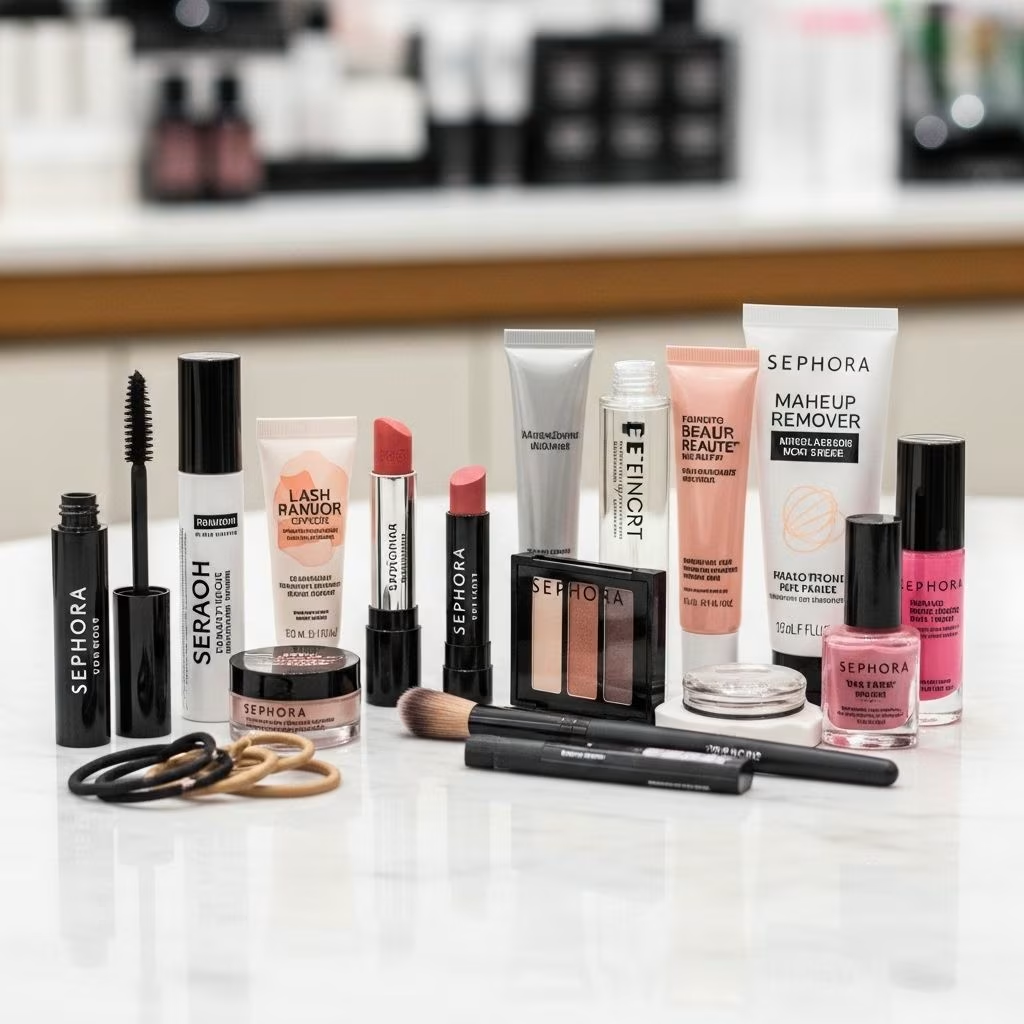
Makeup strategies for summer focus on longevity and natural finishes that withstand heat and humidity. Lightweight, long-wearing formulations prevent melting and smudging during commutes and throughout workdays. Setting sprays and powders help makeup last from morning to evening without constant touch-ups. Waterproof mascara and eyeliner resist smudging in hot weather, maintaining polished appearances without raccoon eyes by afternoon.
Skincare plays a crucial role in summer professional presentation, with proper preparation creating smooth canvases for makeup application. Mattifying primers control oil production in heat while creating barriers between skin and makeup. Choosing foundation formulations appropriate for summer conditions ensures natural finishes that don’t oxidize or separate. Incorporating SPF protects skin during outdoor portions of workdays while preventing sun damage that ages skin prematurely.
Sustainable and Practical Shopping Strategies
Building a summer work wardrobe doesn’t require complete closet overhauls or excessive spending. Strategic shopping focuses on versatile pieces that coordinate with existing items while filling specific wardrobe gaps. Conducting closet audits before purchasing helps identify what you already own and what genuinely needs adding. This approach prevents duplicate purchases while ensuring new items integrate seamlessly into current wardrobes.
Investing in quality basics provides better long-term value than purchasing numerous trendy pieces. Well-made items in classic styles withstand multiple seasons of wear while maintaining professional appearances. Focusing budgets on foundational pieces like tailored pants, quality blazers, and versatile dresses creates solid frameworks that accept seasonal updates through less expensive accessories and tops.
Sustainable fashion choices benefit both wallets and environments while maintaining professional standards. Choosing natural fibers and quality construction results in longer-lasting garments that don’t require frequent replacement. Supporting brands with ethical manufacturing practices and environmental commitments aligns purchases with personal values. Secondhand and vintage shopping offers unique pieces at reduced costs while preventing clothing waste and supporting circular fashion economies.
Frequently Asked Questions
Q: What fabrics work best for summer work outfits?
A: Natural fibers like cotton, linen, and lightweight wool blends offer excellent breathability for summer professional wear. Modern technical fabrics with moisture-wicking properties also work well, providing comfort while maintaining polished appearances. Look for fabrics that allow air circulation without wrinkling excessively or losing shape throughout long workdays.
Q: Can I wear sleeveless tops to work in summer?
A: Sleeveless tops generally work in professional settings when styled appropriately with structured designs and modest necklines. Pairing sleeveless pieces with blazers or cardigans provides coverage for meetings while allowing you to remove layers when appropriate. Check your specific workplace dress code, as policies vary by industry and company culture.
Q: How do I stay cool in business formal environments?
A: Focus on lightweight versions of traditional business formal pieces, choosing unlined blazers and pants in breathable fabrics. Wear moisture-wicking undergarments to manage perspiration, and keep a blazer at your desk rather than wearing it during commutes. Strategic layering allows you to add formality when needed while staying comfortable otherwise.
Q: Are open-toed shoes appropriate for professional summer outfits?
A: Open-toed shoe appropriateness varies by workplace and industry. Conservative professional environments typically require closed-toe footwear, while business casual settings may accept polished sandals or peep-toe styles. When in doubt, opt for closed-toe shoes with ventilation features like perforations or mesh panels that provide breathability while meeting dress code requirements.
Q: How many summer work outfits do I need?
A: A functional summer work wardrobe includes approximately two weeks’ worth of outfit combinations, which typically requires 5-7 bottoms, 8-10 tops, 2-3 blazers or cardigans, and 2-3 pairs of shoes. This provides variety while allowing regular laundry cycles. Focus on versatile pieces that mix and match easily to maximize outfit combinations from fewer items.
References
- https://stelleworld.com/blogs/activewear-guides/summer-outfits-guide-for-women
- https://www.marieclaire.co.uk/life/health-fitness/summer-workout-outfits
- https://www.cosmopolitan.com/uk/fashion/style/a65484765/sport-shorts-and-summer-shoe-outfit-ideas-trend/
- https://www.cosmopolitan.com/style-beauty/fashion/a61546623/how-to-style-sweatpants/
- https://www.cosmopolitanme.com/fashion/athleisure-fashion-fits-outside-gym
- https://www.elle.com/uk/fashion/what-to-wear/g43959703/best-activewear-brands/