Sunday Riley Good Genes: An In-Depth Review
Few skincare products have achieved the cult status of Sunday Riley’s Good Genes. Promising smoother texture, brighter skin, and the elusive “lit-from-within” glow, Good Genes has become a staple for beauty editors, celebrities, and skincare enthusiasts alike. But does it deserve its devoted following?
What is Sunday Riley Good Genes?
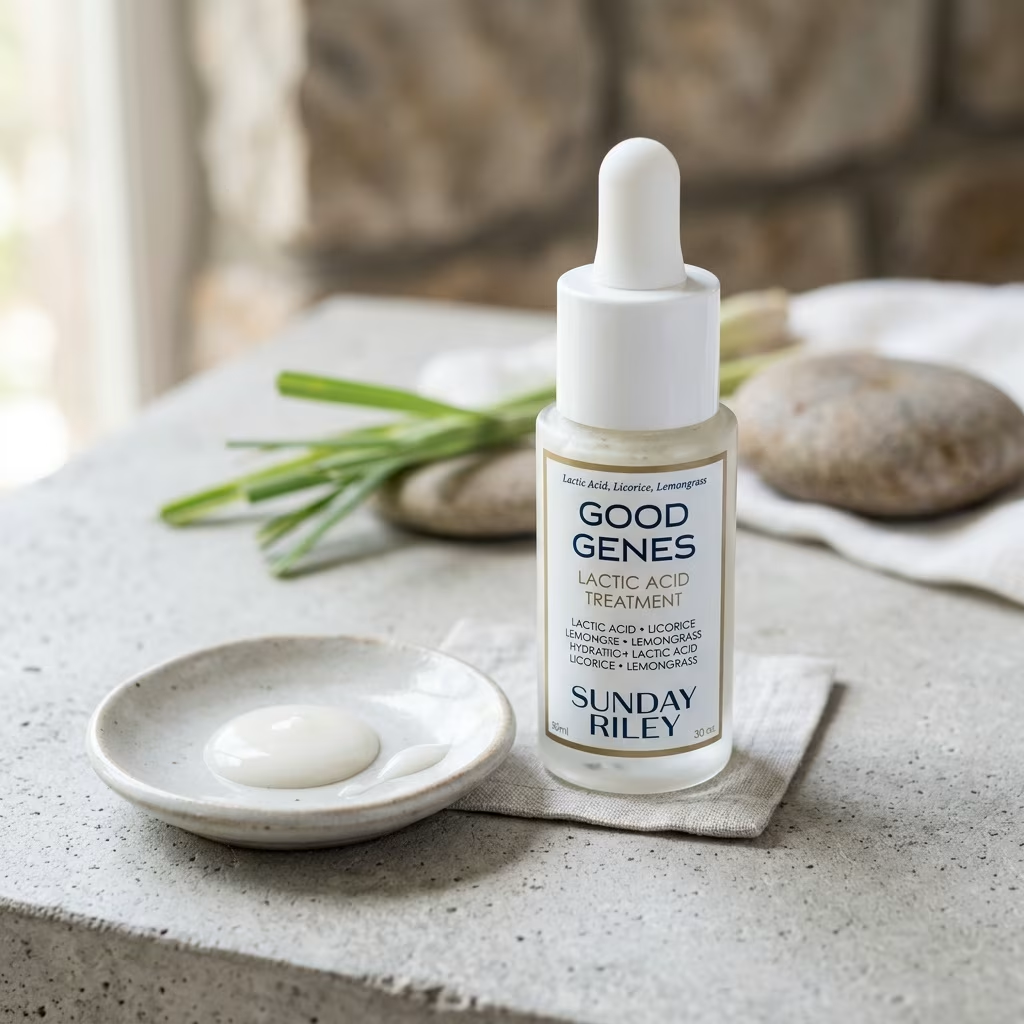
Sunday Riley Good Genes is an AHA-based treatment serum designed to exfoliate, brighten, and plump the skin. Its power lies primarily in high-quality lactic acid—a milder alpha hydroxy acid (AHA)—combined with a blend of botanical extracts. The formula claims to deliver both instant results and cumulative improvements, transforming lackluster skin into a radiant, refined canvas.
- Core Ingredient: Lactic acid (in the US formula), or glycolic acid (in the EU/UK version), both renowned for their exfoliating and radiance-boosting properties.
- Additional Botanicals: Soothing agents like aloe, prickly pear, and cactus extract to minimize irritation and support hydration.
- Target Concerns: Dullness, uneven texture, hyperpigmentation, and fine lines.
The Science Behind Good Genes
What sets Good Genes apart from the multitude of AHA serums on the market? It’s the meticulous formulation and the synergy between clinical acids and calming botanicals. Let’s break down why this combination matters.
Why Lactic Acid?
| Feature | Lactic Acid | Glycolic Acid |
|---|---|---|
| Molecular Size | Larger, gentler on skin | Smaller, penetrates deeply |
| Exfoliation | Mild to moderate | Strong |
| Hydration | Humectant, attracts water | Less hydrating |
| Sensitivity | Well-tolerated, even by sensitive skin | Can cause more stinging |
Lactic acid, as used in Good Genes, exfoliates dead cells from the skin’s surface, reveals a brighter complexion, and helps fade dark spots over time. Its molecular size means it works more superficially than glycolic acid, making it less likely to irritate.
For users in the UK and the EU, regulatory restrictions on lactic acid levels mean that Good Genes contains glycolic acid instead, combined with potassium lactate. Glycolic acid penetrates deeper for pronounced resurfacing, but may increase irritation risk in sensitive skin types.
Supporting Ingredients
Good Genes goes beyond simple acid exfoliation. Its cocktail of botanicals (like aloe vera, prickly pear, cactus extract) are chosen for their ability to:
- Soothe potentially inflamed or sensitized skin
- Hydrate and lock in moisture post-exfoliation
- Reduce visible redness and improve skin recovery
First Impressions and Application Experience
The user experience of Good Genes is an essential part of its appeal. From the very first application, the texture and packaging feel unmistakably luxurious.
Texture and Feel
- Lightweight, silky-smooth texture that sits between a serum and a light moisturizer
- Absorbs rapidly without leaving a tacky residue
- Mild herbal-citrus scent (derived from natural extracts), often described as invigorating
The product is typically dispensed from a frosted glass bottle fitted with a hygienic pump, giving precise control over the amount used—a small luxury in a world of leaky droppers and messy tubes.
Who is Good Genes For?
The genius of Good Genes is its flexibility. Despite being an acid treatment, its formulation suits a diverse array of skin types:
- Oily and congested skin: Helps clear out clogged pores, refining texture
- Dry or dehydrated skin: The lactic acid’s humectant properties and added botanicals replenish moisture
- Acne-prone skin: Tackles breakouts and residual scarring
- Sensitive and rosacea-prone skin: Designed with gentler acids and soothers, minimizing risk of flare-ups
- Normal and combination skin: Regular use maintains clarity and glow
Many reviewers note that Good Genes is one of the few products that effortlessly bridges the gap between deep exfoliation and hydration, with several users claiming visible results within a week of nightly use.
Results: What Can You Expect?
What do real-world users and editors say about the efficacy of Good Genes? These are the most frequently mentioned benefits:
- Smoother skin texture: Many users report baby-soft skin and reduced roughness after a single overnight use.
- Brighter complexion: Dullness is replaced by radiance, with dark spots and redness visibly diminished over continued use.
- Improvement in fine lines: Skin appears plumper and fine lines less noticeable, likely due to both exfoliation and increased hydration.
- Clearer pores: Clogged pores and minor breakouts are reduced thanks to the exfoliating effect on the skin’s surface.
“I have very sensitive, acne-prone, but also dry skin. It’s difficult for me to find products that work for my skin type that aren’t too harsh, too drying or not effective enough. This somehow strikes the perfect balance. Really has done wonders for my skin.”
While results will vary, many report initial improvements within days, and ongoing use brings cumulative benefits—especially when battling post-acne marks, congested skin, or stubborn patches of dullness.
How Does Good Genes Compare?
Given its popularity (and price), many seek more affordable alternatives or “dupes” for Good Genes. Yet, as countless online discussions attest, true replicas are elusive.
- Some alternatives contain lactic acid but may lack the unique supporting blend of botanicals.
- Texture, absorption, and gentleness often fall short compared to Good Genes’ finely balanced formula.
- Users report that repeated attempts at finding a satisfying replacement inevitably lead them back to the original.
The verdict from reviewers: “You get what you pay for.” The combination of potent active ingredients, calming botanicals, and skin-friendly formulation is exceptionally hard to match.
How to Use Good Genes for Best Results
To maximize benefits and minimize irritation:
- Apply 1–2 pumps to clean, dry skin (face and neck) after cleansing. Avoid the delicate eye area.
- Use at night, as AHAs can increase skin’s sensitivity to sunlight. Always apply broad-spectrum SPF the next morning.
- Frequency: Most skin types tolerate nightly use, but sensitive users may prefer 2–3 nights a week.
- Layering: Good Genes can be paired with a gentle moisturizer after application. Avoid layering with strong retinoids or other potent acids on the same night.
Pro tip: For a quick radiance boost before an event, apply a thin layer, leave on for 20–30 minutes, then rinse. Skin appears noticeably fresher and glowier.
Potential Side Effects and Precautions
- Slight tingling or mild redness upon application is normal, especially for new users or after prolonged periods without exfoliation.
- Very sensitive skin may experience temporary dryness or mild irritation; patch test before first use.
- Never use on broken or inflamed skin.
- Sun sensitivity is increased after use, making daily sunscreen non-negotiable.
Price and Value: Is It Worth It?
Sunday Riley Good Genes sits at the higher end of the skincare price spectrum, making the investment a serious consideration. Users who remain loyal despite the price often cite the following as justifications:
- Visible, tangible results (sometimes within days)
- Multitasking benefits—exfoliation, hydration, brightening—in a single product
- Long-lasting: A single bottle can last several months, as only a small amount is needed
- Decreased reliance on multiple products or expensive spa treatments
However, those with minimal skin concerns or who tolerate more affordable alternatives may not find the splurge essential.
Expert and Editor Perspectives
Beauty editors, dermatologists, and skincare aficionados consistently award Good Genes high marks on both efficacy and user experience. Its blend of long-term skin improvement and rapid visible glow make it a frequent recommendation for those seeking a one-step solution to multiple skin issues.
Frequently Asked Questions
Q: What’s the difference between the US and UK/EU versions of Good Genes?
A: The US formula uses lactic acid as its main active (7% concentration), whereas the UK/EU version uses glycolic acid and a lower level of lactic acid salt, due to regulations. Both aim for similar exfoliating and brightening results but may feel slightly different on application.
Q: Can I use Good Genes with retinol?
A: It is best to alternate Good Genes and retinol rather than use them simultaneously, to avoid over-exfoliation and irritation. Consider cycling usage—acids on some nights, retinol on others.
Q: Should I expect purging?
A: Mild breakouts sometimes occur when introducing any exfoliating acid, due to increased cell turnover. For most, this subsides within a few weeks. Persistent irritation or breakouts indicate a need to discontinue or reduce frequency.
Q: Is Good Genes suitable for acne-prone or sensitive skin?
A: Yes. The lactic acid version is generally safe for both sensitive and breakout-prone skin. Start slowly if very sensitive, and always patch test. The glycolic acid version may be slightly more stimulating; sensitive types should monitor reactions closely.
Q: How long until I see results?
A: Many users report a visible difference in brightness and smoothness after just a few uses. For discoloration or stubborn texture concerns, consistent nightly use for 2–6 weeks yields best results.
Final Thoughts
Sunday Riley Good Genes stands out for its blend of scientific rigor, incomparable texture, and universality across multiple skin types. While its higher price point may deter some, the overwhelming feedback from beauty insiders and everyday users alike underscores its reputation as a true game-changer in exfoliating and brightening treatments. As always, skincare is personal—patch test, listen to your skin, and decide if this product’s glow-boosting promises align with your needs (and budget).
References
- https://www.dermstore.com/blog/sunday-riley-good-genes/
- https://www.marieclaire.co.uk/beauty/skincare/sunday-riley-good-genes-glycolic-acid-treatment
- https://sundayriley.com/products/good-genes-lactic-acid-treatment
- https://www.sephora.com/product/good-genes-all-in-one-lactic-acid-treatment-P309308
- https://sundayriley.com/products/good-genes-glycolic-acid-treatment
- https://www.womenshealthmag.com/uk/beauty/skin/a64207584/sunday-riley-good-genes-treatment-review/
- https://www.lovelyskin.com/o/reviews/sunday-riley-good-genes-lactic-acid-treatment
- https://www.ulta.com/p/good-genes-all-in-one-lactic-acid-treatment-serum-pimprod2007866?sku=2550169
- https://www.purewow.com/beauty/sunday-riley-good-genes-review