Venezuela’s Beauty Emergency: Navigating the Beauty Product Shortage Crisis
Venezuela—once regarded as a nation obsessed with beauty and personal care—now faces a crisis few could have imagined. While the country’s woes have made global headlines, from political instability to inflation and food scarcity, another daily hardship disrupts lives in a more intimate, surprising way: the shortage of beauty and hygiene products. The crisis has left beauty-conscious Venezuelans grappling with empty shelves, soaring prices, and drastic changes to daily routines once taken for granted.
How Did the Crisis Unfold?
The roots of Venezuela’s beauty emergency trace back to economic mismanagement, currency devaluation, and restrictive import policies. The government’s lack of access to foreign currency means fewer goods—up to 70% of beauty and personal care products—can no longer be imported into the country. As supply chains falter, the country is left with dwindling inventories of both luxury and essential products.
- Restricted access to US dollars makes it nearly impossible for distributors to purchase goods abroad.
- Government-imposed price ceilings on essentials like shampoo, deodorant, toothpaste, and soap distort the market.
- Fewer brands remain on shelves; shoppers often have a choice between just one or two deodorant or shampoo options—or none at all.
These shortages go well beyond beauty: Venezuelans also face scarcities of basic necessities, including food, diapers, and even coffins. Yet, the absence of hygiene and beauty goods hits especially hard in a culture where self-presentation is celebrated and expected.
Why Beauty Products Matter So Much in Venezuela
Venezuela’s reputation as a land of high beauty standards is no exaggeration. The country is famous for international beauty pageant wins, well-attended salons, and a common saying: “No hay mujer fea, sino mal arreglada”—“There is no such thing as an ugly woman, only one who isn’t done up.”
- Beauty routines—from salon visits to daily makeup—are ingrained in daily life across all ages and social strata.
- It’s estimated that Venezuelans spend up to one-fifth of disposable income on beauty products and salon services.
- For many, looking good is a matter of pride, self-respect, and even social survival.
Essential Beauty and Hygiene Products in Crisis
The shortages affect both the everyday essentials and cherished beauty luxuries:
- Deodorant: Often only one type available, sometimes made for the opposite gender.
- Shampoo and conditioner: Less than ten brands available nationwide, and scarcity grows each month.
- Body lotions and sunscreens: Almost impossible to find in some areas.
- Baby wipes and basic adult hygiene items: Severely limited supplies.
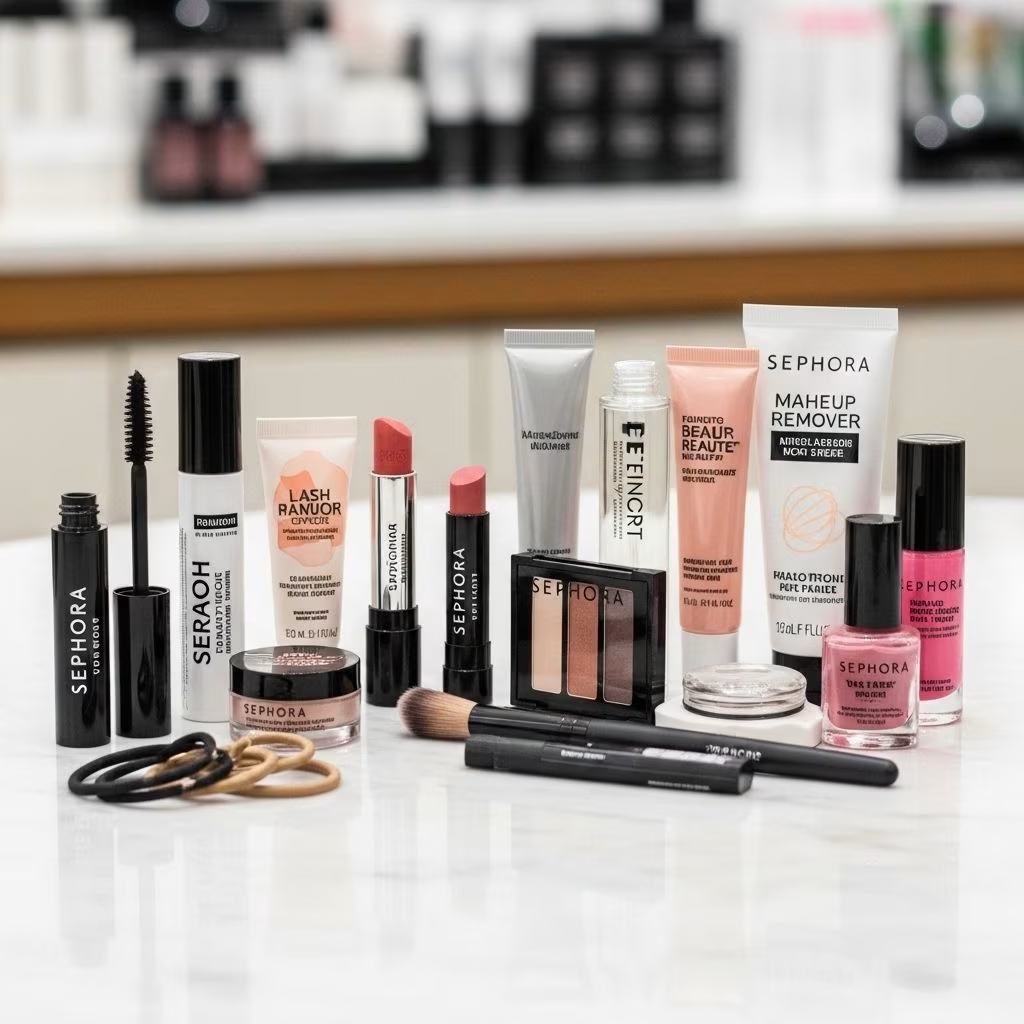
- Cosmetics: Lipstick, foundation, and nail polish supplies have evaporated, reducing color and brand choice to almost zero for long stretches.
For the first time in memory, Venezuelans “take what they can get”—whether it’s their preferred product or not. Men routinely use women’s deodorants. Consumers hoard whatever brand or formulation is left on shelves, regardless of personal taste or skin needs.
Inside the Shops: Stories from the Ground
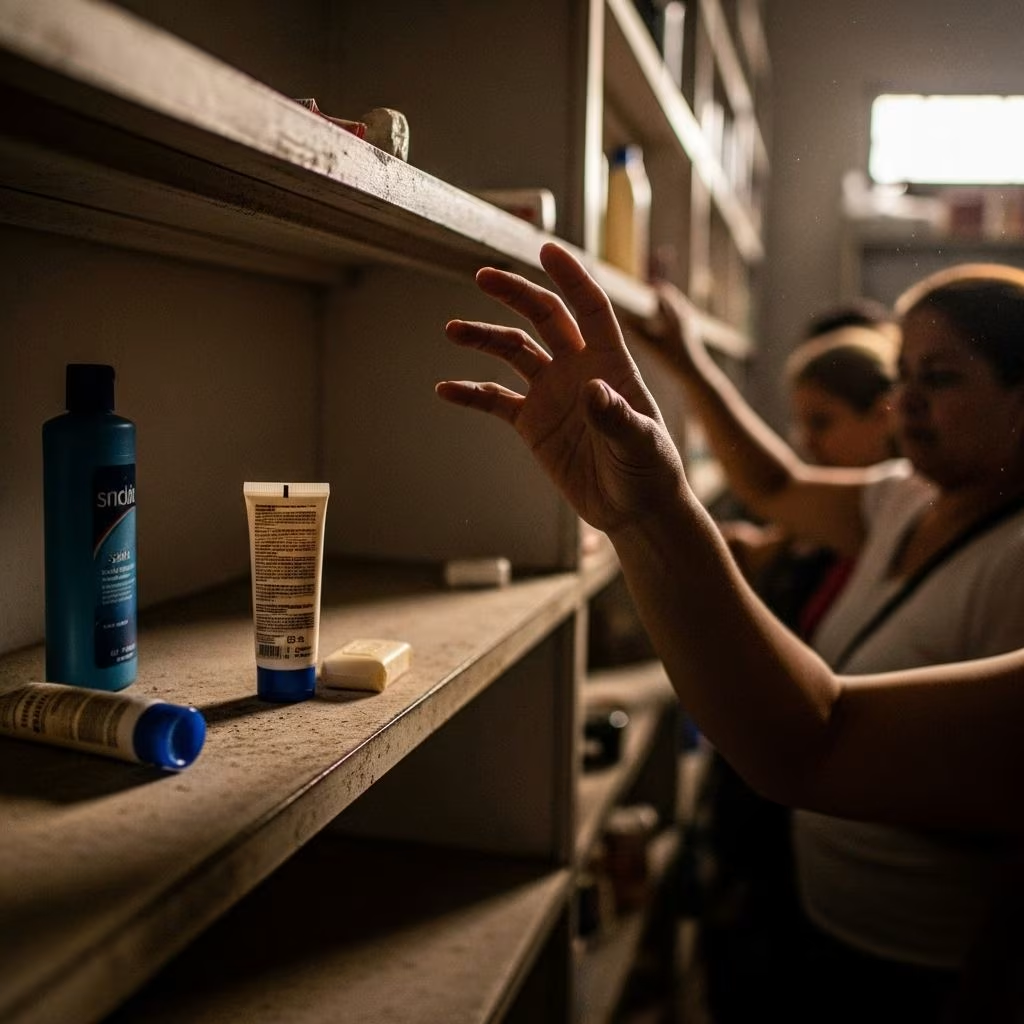
On the ground, the impact is impossible to ignore. Store shelves, once gleaming with imported goods, now stand bare or carry only off-brand, unfamiliar products. Drugstore clerks and consumers alike voice daily frustration and resignation.
“We have had supply problems with deodorants, shampoos, sun protectors, body lotions.” —Jesús Guillén, sales clerk, Caracas
Chauffeurs, office workers, teachers, and even beauty professionals complain of fruitless shopping trips and the loss of beloved staples. A simple desire—for one’s preferred shampoo or favorite lipstick—becomes an exercise in patience and adaptation.
- Some shoppers comb multiple pharmacies and supermarkets in hopes of finding a familiar brand.
- There are often lines for whatever new shipment of personal care goods might arrive.
- Many pay inflated prices for products, if found on the informal market.
The Desperate Measures: Coping Strategies and Workarounds
Beauty-conscious Venezuelans are nothing if not inventive. As supply dwindles, creative adaptations have become the norm:
- Sharing and rationing: Families and friends share supplies and ration deodorant, shampoo, or makeup usage to stretch products longer.
- DIY solutions: Homemade beauty hacks—using household items in place of store-bought goods—have seen a major resurgence. Vinegar rinses for hair, cornstarch as dry shampoo, or lemon as a sanitizer are popular options.
- Salon adjustments: Beauty salons, once bustling, have cut services and now ask clients to bring their own products. Many salons have slashed operating hours or closed entirely due to lack of supplies.
- Importing and smuggling: Some wealthier individuals fly in products from trips abroad or rely on visitors to bring beauty supplies in suitcases.
- Trading and bartering: Communities have revived informal, person-to-person trading to get coveted items like nail polish or razors.
The phrase “making do with what you have” has never been more apt. For many, even a simple wash-and-go is a luxury, and routines that might once have seemed basic—blowouts, manicures, weekly spa days—are now rare treats or distant memories.
The Salon Society: Beauty Culture in Peril
Perhaps nowhere has the impact been more pronounced than in Venezuela’s beauty salons. These gathering places, as much social hubs as grooming studios, now struggle to serve their loyal clientele.
- Salon visits have dropped by more than half in frequency as costs rise and supplies shrink.
- The average woman, who might once have gotten a manicure and pedicure weekly, now stretches visits to monthly or less.
- Price for a basic wash, cut, and blow dry can consume up to 22% of a month’s minimum wage.
- Clients bring their own shampoo, conditioners, or hair treatments, if they can even find them.
Keratin treatments, dyes, and other specialties are limited or unavailable. Stylists comment that curly hair has become more common on the streets, as smoothing treatments and products are particularly hard to find. When dye is available, the colors left are rarely what clients want; women have grown used to seeing more blond or purple hair simply because those are the shades left on pharmacy shelves.
The Toll on Personal and Social Life
The beauty product emergency runs deeper than vanity. Its consequences touch self-esteem, social life, and even health:
- Hygiene issues: Scarcity of deodorants, soaps, and wipes can lead to personal discomfort and public health challenges.
- Psychological impact: Many report feeling unkempt or insecure, noticing a decline in overall confidence and mood.
- Social roles: In a society where “looking good” carries real expectations, the inability to keep up appearances can result in social embarrassment and isolation.
Popular beauty influencers and diet coaches—once the stars of social media—now see their advice fall flat, as most recommended products are unaffordable or unavailable.
Impact Beyond Beauty: Food and Lifestyle Adjustments
The crisis also affects related aspects of daily life, such as diet and fitness routines. Venezuela’s once-vibrant gym scene and healthy-living movement struggle as shoppers are forced to take whatever food is available. Diet recommendations become impractical when once-common groceries are missing from shelves or priced out of reach.
| Essentials | Status in Stores | Main Coping Strategies |
|---|---|---|
| Shampoo/Conditioner | 1-2 brands max; often absent | DIY solutions, trading, using what’s available |
| Deodorant | Rare; sometimes only women’s variant left | Men use women’s products, rationing |
| Cosmetics (lipstick, foundation) | Extremely limited; few colors/brands | Minimal makeup looks, DIY hacks |
| Nail polish | Often sold out or only cheap variants | Salons ask clients to provide polish |
| Body lotion/wipes | Scarce to absent | Homemade moisturizers (oils, creams) |
Market Impact and Big Picture
At the national level, the market for beauty and personal care has changed dramatically:
- Many international brands have vanished from shelves, replaced by local or generic products where available.
- Colour cosmetics have slipped down the list of consumer priorities, replaced by essentials like soap and toothpaste.
- Local companies employing low-price strategies now lead what’s left of the market, while many consumers ‘trade down’ to maintain any semblance of a beauty routine.
The future of Venezuela’s beauty market remains uncertain. Forecasts suggest continued challenges unless import restrictions ease and currency issues stabilize. However, the resilient spirit of Venezuelans is evident in the ongoing adaptation and persistence of beauty culture in whatever form possible.
Frequently Asked Questions (FAQs)
Why are beauty and hygiene products so scarce in Venezuela?
Venezuela’s government-imposed currency restrictions, economic mismanagement, and price controls have made it nearly impossible for importers and retailers to bring products into the country, leading to widespread shortages across almost every category of beauty and hygiene goods.
How has this shortage changed everyday routines?
Most people use fewer products, stretch out what little they have by rationing, and experiment with homemade alternatives. Salon visits are far less frequent, and finding one’s preferred brands is a rare luxury, not a given.
What are some popular DIY beauty hacks used in Venezuela now?
Homemade substitutes like vinegar for hair rinses, baking soda for cleaning, cornstarch as dry shampoo, and baby oil as lotion are common DIY solutions for personal care and beauty maintenance.
Is the beauty crisis something new in Venezuela?
While the current shortage is unprecedented in scope, supply limitations and high costs have previously affected consumers. However, today’s crisis stands out for its length and intensity, combined with the loss of so many formerly abundant international brands.
Are Venezuelans hopeful for a solution?
Many are hopeful for change, although relief depends largely on government policy shifts and economic reforms. In the meantime, Venezuela’s beauty lovers continue to find creative ways to navigate an ever-changing, and often unforgiving, landscape.
Conclusion: Enduring Beauty in the Face of Adversity
The story of Venezuela’s beauty product emergency is about more than lipstick and lotions—it’s a window into a nation’s resilience and the cultural importance of beauty. While store shelves remain bare and routines are disrupted, Venezuelans continue to assert their identity and pride, showing that even in crisis, beauty endures in many forms.
References
- https://www.cosmopolitan.com/style-beauty/beauty/advice/a27576/venezuela-beauty-product-shortage/
- https://www.caracaschronicles.com/2015/05/20/economic-crisis-and-the-price-of-beauty/
- https://www.researchandmarkets.com/reports/2258442/beauty_and_personal_care_in_venezuela
- https://brooklynrail.org/2004/04/express/venezuela/
- https://www.accio.com/business/best-selling-product-categories-in-venezuela
- https://www.6wresearch.com/industry-report/venezuela-hair-spray-market-outlook