Why Vitamin E Deserves a Place in Your Skincare Routine
Vitamin E—often listed as tocopherol on ingredients labels—is among the top dermatologist-recommended nutrients for skin. This powerhouse antioxidant protects, hydrates, and heals, making it an essential addition to almost every skincare routine. But what exactly are its benefits, who should use it, and how do you pick the right vitamin E product? Below, discover the science behind vitamin E’s skin perks, expert opinions, ingredient tips, and product recommendations.
What Is Vitamin E?
Vitamin E is a fat-soluble antioxidant naturally found in many foods (nuts, seeds, leafy greens, avocados, and kiwi). In skincare, it’s most commonly present as tocopherol—a compound that protects skin cells from free radicals, UV damage, and environmental stressors. There are multiple forms of vitamin E (tocopherols and tocotrienols), all with slightly different chemical structures but similar protective properties.
- Antioxidant: Neutralizes damaging free radicals.
- Moisturizer: Strengthens the skin barrier and retains water.
- Repair agent: Aids in cell regeneration and healing.
How Does Vitamin E Benefit Your Skin?
The benefits of vitamin E are both scientifically established and visible after consistent use. Dermatologists note several direct improvements:
- Antioxidant Protection: Shields skin from environmental triggers (pollution, UV rays, blue light) by quenching free radicals, which slow premature aging.
- Moisture Retention: Deeply hydrates dry skin and strengthens its natural protective barrier to prevent water loss.
- Wound Healing: Promotes cell regeneration, improves skin texture, and helps fade post-acne marks and minor scars.
- Soothes Inflammation: Reduces irritation, swelling, and redness, making it suitable for sensitive or reactive skin types.
- Enhances Other Ingredients: Stabilizes vitamin C and boosts its efficacy when used together, achieving improved brightening and protective results.
Is Vitamin E Safe for All Skin Types?
Vitamin E is generally safe and well-tolerated, but some caveats apply:
- Dry skin: Benefits most from pure vitamin E oil or rich creams.
- Oily/acne-prone skin: May prefer lightweight formulations (gels, serums) to avoid clogged pores. Pure vitamin E oil can be heavy and may lead to breakouts in these skin types.
- Sensitive skin: Most users tolerate vitamin E well, but those prone to irritation should patch-test before committing to daily use. If any burning, itching, or redness occurs, discontinue and consult a dermatologist.
How to Add Vitamin E to Your Skincare Routine
Vitamin E’s versatility allows it to be layered with other actives. Here’s how you can incorporate it for maximum benefit:
- Serums: Apply vitamin E serum at night for deeper absorption and repair.
- Moisturizers: Use a vitamin E-enriched moisturizer in the morning, especially under sunscreen, for all-day protection.
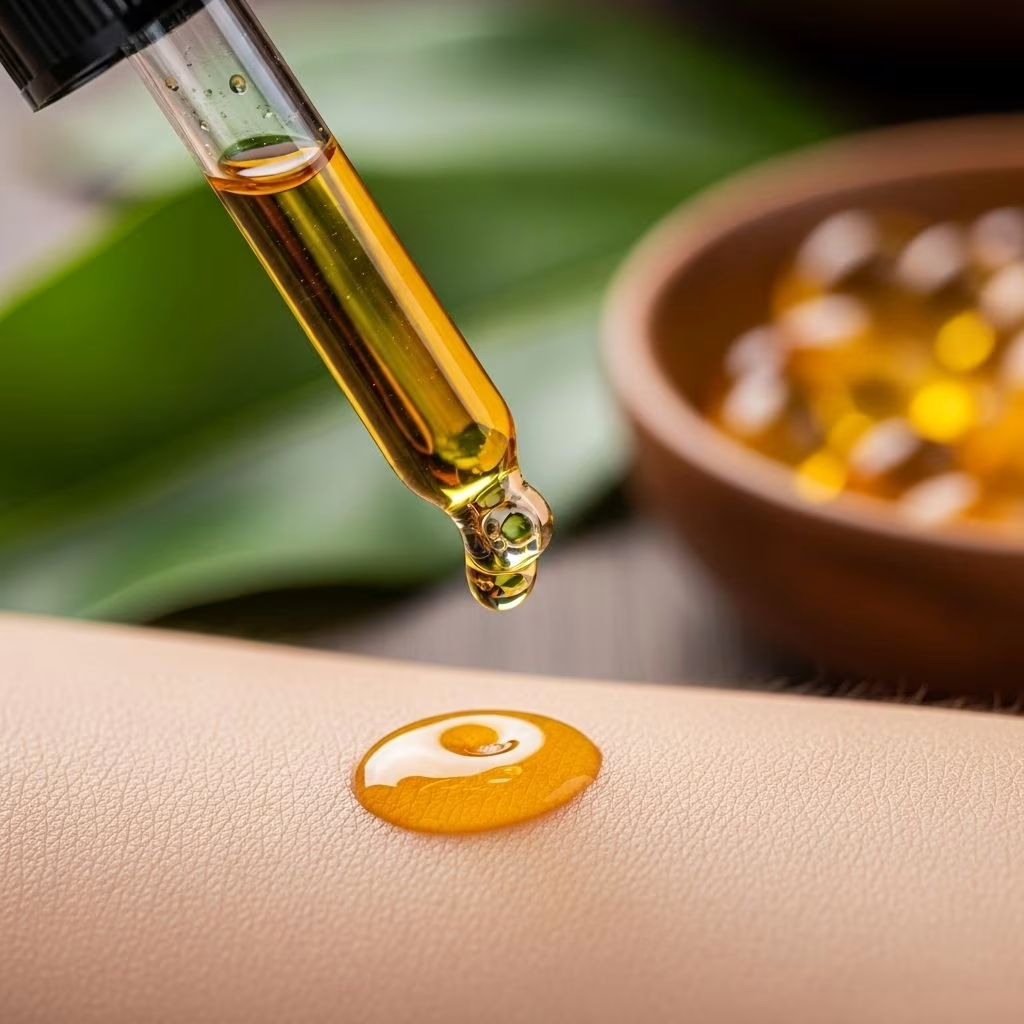
- Facial oils: For dry or mature skin, a few drops of pure vitamin E oil can help strengthen the barrier overnight.
- Mix-and-match: Vitamin E enhances antioxidants like vitamin C and ferulic acid, making combos extra effective.
| Product Type | Best For | How to Use |
|---|---|---|
| Pure Vitamin E Oil | Dry, sensitive, mature skin | At night, to lock in moisture and boost repair |
| Vitamin E Serum | All skin types | Nightly, under moisturizer |
| Vitamin E Moisturizer | Daily protection for all types | Morning, after cleansing |
| Vitamin E Sunscreen | UV protection, antioxidant boost | AM, as last step in routine |
Vitamin E in Practice: Dermatologist Advice
Leading dermatologists highlight vitamin E’s crucial role in modern skincare:
- Strengthens the skin barrier: “Vitamin E is one of the primary means to keeping our skin barrier healthy, strong, and moisturized.”(Dr. Ashley Magovern, Dermstore)
- Prevents dryness and premature aging: locking in moisture delays fine lines and wrinkles.
- Anti-inflammatory: “Vitamin E soothes irritation and redness, making it ideal for sensitive skin.”(Dermstore)
- Boosts efficacy of vitamin C: “Vitamin E helps stabilize vitamin C, multiplying protective and brightening effects.”(IPSY)
However, science shows mixed results for vitamin E’s scar and stretch mark reduction. While it’s popular for post-wound and post-surgery care, clinical studies reveal inconsistent improvements—so results may vary by individual.
Vitamin E: Natural Sources vs. Topical Application
Most people consume vitamin E via foods such as olive oil, salmon, broccoli, nuts, and seeds. However, topical vitamin E provides targeted benefits invisible from dietary intake:
- Topical vitamin E delivers high doses exactly where needed
- Dietary vitamin E supports overall health and helps protect skin from within
| Source | Vitamin E Form | Effect on Skin |
|---|---|---|
| Food (nuts, seeds, vegetables) | Tocopherols, tocotrienols | General antioxidant boost; supports body and skin health |
| Skincare products | Pure tocopherol, vitamin E acetate | Direct repair, protection, hydration, anti-aging |
The Science Behind Vitamin E for Skin
Vitamin E works by donating electrons to free radicals—highly reactive molecules created by environmental stress, pollution, and UV light exposure. This neutralization process helps slow cell aging, reduce inflammation, and preserve skin elasticity.
- Free radical protection: Maintains healthy cell structure and DNA stability
- Skin strengthening: Improves elasticity by supporting capillary walls
- Repair and regeneration: Speeds up wound healing, minimizes scarring
- Cholesterol balancing: Vitamin E may help protect the body from cholesterol oxidation
Potential Side Effects and Precautions
- Contact dermatitis: Some very sensitive skin types may react to topical vitamin E with redness, itching, or burning. Always patch-test new products.
- Comedogenicity: Thick vitamin E oils can clog pores—especially for oily or acne-prone skin. Choose lighter formulations.
- Interactions: Vitamin E is safe with most active ingredients, but consult a dermatologist before combining with intensive acids or retinoids.
How to Select the Best Vitamin E Products
With vitamin E featuring in serums, creams, sunscreens, masks, and spot treatments, it’s important to choose a format that suits your needs and skin type:
- Check the ingredient list—look for “tocopherol” near the top for a concentrated dose.
- Pair with other antioxidants—such as vitamin C, ferulic acid, or aloe for extra benefits.
- Test for texture—creams and oils are suited for dry skin; serums and gels work for oily or combination types.
- Appraise packaging—dark bottles or air-tight pumps ensure antioxidants remain potent.
Top Picks for Vitamin E Skincare Products
- Vitamin E Oil: Best for overnight barrier repair on dry or mature skin.
- Vitamin E Serum: Ideal for anti-aging and combining with vitamin C.
- Vitamin E Moisturizer: Balances hydration for all skin types.
- Vitamin E Sunscreen: Additional protection from UV while nourishing the skin.
- Vitamin E-infused masks: For weekly resetting and hydration boosts.
Frequently Asked Questions About Vitamin E for Skin
Q: What does vitamin E do for skin?
A: Vitamin E protects against free radical damage, deeply hydrates, supports healing, and strengthens the skin barrier to slow signs of aging.
Q: Is vitamin E safe for oily or acne-prone skin?
A: Yes, but opt for lightweight serums or moisturizers instead of pure oils, which may clog pores.
Q: Can vitamin E be used daily?
A: Most skin types benefit from daily use, but sensitive users should patch-test first. Use as directed on the label.
Q: Does vitamin E help scars and stretch marks?
A: Results are mixed; while many people report improvement, studies show only moderate efficacy. Use primarily for moisture and antioxidant support.
Q: Can I combine vitamin E with other actives?
A: Yes! Vitamin E works especially well with vitamin C and other antioxidants.
Summary: Making Vitamin E Work for Your Skin
Incorporating vitamin E into your routine is a dermatologist-backed strategy for robust skin health. Whether you choose an oil, serum, cream, or combination antioxidant blend, vitamin E’s moisturizing, healing, and protective powers can transform your skin with consistent use. Always match products to your skin type and needs, patch-test for safety, and enjoy the benefits of science-backed skincare.
References
- https://www.dermstore.com/blog/ingredient-index/vitamin-e-for-skin/
- https://uazuskincare.com/blogs/skin-care-collections/the-ultimate-guide-to-vitamin-e-for-your-skin
- https://www.ipsy.com/blog/vitamin-e-for-skin
- https://www.cosmedocs.com/blog/comprehensive-guide-to-vitamin-e/
- https://health.clevelandclinic.org/vitamin-e-for-skin-health
- https://pmc.ncbi.nlm.nih.gov/articles/PMC4976416/
- https://lpi.oregonstate.edu/mic/health-disease/skin-health/vitamin-E
- https://www.healthline.com/health/vitamin-e-for-skin
- https://www.paulaschoice.com/expert-advice/skincare-advice/ingredient-spotlight/how-does-vitamin-e-help-skin.html
- https://www.mayoclinic.org/drugs-supplements-vitamin-e/art-20364144