What to Wear to a Funeral: Modern Etiquette, Styles, and Practical Tips
Attending a funeral is a solemn occasion that requires careful consideration of what you wear. Funeral attire should express respect for the deceased and support for the bereaved family, blending tradition with modern sensibilities. This guide covers contemporary style ideas, etiquette rules, and practical tips, helping you confidently choose an outfit tailored to both classic expectations and newer approaches.
Understanding Funeral Attire Etiquette
The primary principle for funeral attire is modesty and respect. Whether attending a traditional service or a ‘celebration of life,’ your clothing choices should reflect the seriousness of the event and honor the memories of the departed. Classic choices include darker tones and conservative styles, but with nuanced variations depending on the circumstances and family preferences.
- Darker colors often symbolize mourning and respect (black, navy, charcoal, and deep neutrals).
- Conservative styling with well-fitted blazers, dresses below the knee, or tailored trousers are standard.
- Some families may request specific colors or themes (such as an all-white celebration).
- Comfort is important; funerals often involve sitting for extended periods, and possibly walking or standing outdoors.
Classic and Contemporary Funeral Outfit Ideas
Modern funeral attire draws inspiration from traditional norms but allows for subtle personal style. The following outfit inspirations reflect a respectful yet current approach, drawn from expert recommendations and fashion editors.
A Sweater Look
For understated polish, a knit sweater paired with tailored pants or a long skirt is a dependable option. Choose dark hues or muted neutrals, and keep accessories simple. This look suits colder seasons and offers both comfort and elegance.
- Pair a fine-knit sweater with black or charcoal pants.
- Add loafers, pumps, or ankle boots (avoid casual sneakers or sandals).
- Finish with a structured bag and subtle jewelry.
A Turtleneck with Leather Pants
A turtleneck with leather pants offers a sleek, modern take on funeral attire. While leather might seem bold, when paired with a simple high-neck top and minimal accessories, it can feel both respectful and confident.
- Stick to black or deep-colored leather pants for subtlety.
- Add combat boots or low-heeled ankle boots for a confident finish.
- Minimal makeup and a neat hairstyle keep the look appropriate.
Some Sequins
Some funerals, particularly ‘celebrations of life,’ may encourage guests to dress in a way that reflects the joy of the departed person’s legacy. In such cases, consider darker sequined jackets or blazers, paired with classic pants or a modest dress. Ensure sequins are in deep, muted shades.
- Select a navy, charcoal, or midnight blue sequined blazer or jacket.
- Pair with a gray turtleneck and navy slacks.
- Keep other elements (shoes, bag) understated.
A Trench Dress
Transform a trench coat into a dress for a sophisticated entrance—especially practical in cooler months or when you desire a one-piece outfit that stands on its own. Pair with elegant footwear and a simple crossbody bag.
- Choose a belted trench in black, gray, or beige neutrals.
- Wear pumps, mules, boots, or loafers (avoid sneakers).
- A crossbody bag with minimal embellishment works well.
A Suited Getup
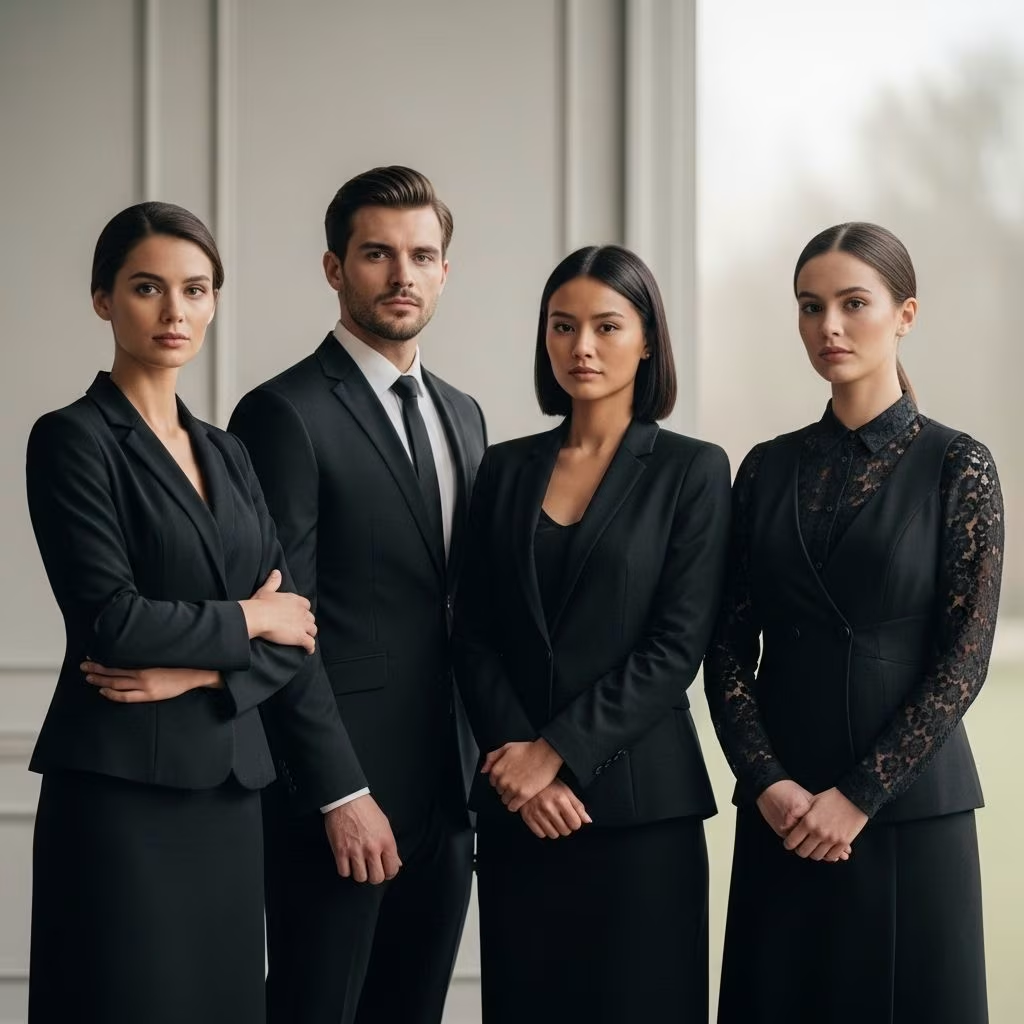
Nothing projects classic formality quite like a well-fitted suit. For women or men, a tailored suit in dark colors conveys professionalism and respect, and may feel comforting for those who prefer structure.
- Opt for a black or navy blazer, trousers, and (optionally) a vest.
- A crisp shirt—white, pale gray, or soft blue—works underneath.
- Complete with polished dress shoes and a simple belt.
A Cream (Neutral) Aesthetic
While classic black is the norm, some funerals may invite guests to wear white or neutrals, especially in warm climates or less traditional settings. An all-cream or stone outfit can feel serene and elegant, provided the family approves.
- Layer a white dress with a stone or beige longline coat or cardigan.
- Pair with neutral boots and an understated handbag.
A Collared Look
For those preferring sharp tailoring, a collared shirt with a tank-style dress and tall boots offers both formality and comfort. Modest hemlines and opaque tights ensure appropriateness; sunglasses can add a discreet touch when outdoors.
- Wear a structured collared shirt in soft cotton or poplin (avoid wrinkles).
- Layer under a midi-length dress in a coordinating color.
- Add long boots, tights, and a tailored bag.
- Sunglasses for outdoor ceremonies can serve both function and privacy.
What Not to Wear to a Funeral
Just as important as knowing what to wear is understanding what to avoid. Funeral attire should never draw undue attention or appear inappropriate to the solemn nature of the event.
- Bright colors and neon hues: These are seen as disruptive and inappropriate in nearly all traditional Western funerals.
- Revealing clothing: Avoid low-cut tops, ultra-short skirts, thin straps, and see-through materials.
- Casual wear: T-shirts, jeans, shorts, casual sneakers, and sandals do not reflect the respect required.
- Flashy accessories: Glittering jewelry, oversized embellishments, or loud patterns are best saved for other occasions.
- Anything too tight or uncomfortable: Choose attire you can sit, stand, and walk in without constant fussing or discomfort.
Choosing Appropriate Colors
While black remains the most universally accepted color for funeral attire in Western traditions, other muted tones are considered acceptable in many settings. The key is subtlety and avoiding colors that dominate or distract.
| Color | Acceptable? | Notes |
|---|---|---|
| Black | Yes | Traditional, safest choice |
| Charcoal/Grey | Yes | Muted, non-distracting |
| Navy Blue | Yes | Equally appropriate, especially in suits |
| Cream/White | Sometimes | Check with family; can signify new beginnings |
| Bright Colors/Patterns | No | Avoid unless specifically requested |
| Neon Colors | No | Disruptive to somber tone |
Accessorizing Funeral Outfits
Accessories should be chosen with restraint and practicality in mind:
- Shoes: Opt for closed-toe pumps, loafers, boots, or flats in muted shades.
- Bags: Keep handbags simple; avoid clutches that are too formal or backpacks that are too casual.
- Jewelry: Small stud or hoop earrings, subtle bracelets, and classic watches work well. Leave statement pieces at home.
- Sunglasses: If outdoors, sunglasses can provide privacy and shield eyes from the sun or tears.
Considerations for Different Types of Funerals
Funeral practices differ by culture, religion, region, and personal preference. Always check family or service notes for specific dress codes. Some modern services may request celebratory colors or casual attire in honor of the deceased’s personality.
- Religious settings: Check requirements for covered shoulders, arms, and modest hemlines.
- Celebrations of life: Families may ask for brighter colors, personal items, or casual attire. When in doubt, choose understated versions.
- Outdoor funerals: Prepare for weather with layers, umbrella, or outdoor-appropriate footwear.
Practical Tips for Selecting Funeral Attire
- Review guidance: Ask family or check the service invitation for any styling preferences or cultural notes.
- Shop your closet first: Most respectful outfits can be pulled from items you already own; comfort and familiarity matter.
- Fit is crucial: Avoid anything tight, stiff, or uncomfortable.
- Keep hair and makeup understated: Natural tones, sleek styles, and simple grooming are most appropriate.
Frequently Asked Questions (FAQs)
Q: Is it mandatory to wear black to a funeral?
A: No, while black is traditionally the safest and most common choice, other muted tones like gray, navy, and brown are also acceptable. Always follow any instructions provided by the family and ensure your outfit is respectful and not attention-seeking.
Q: Can I wear white or cream to a funeral?
A: Yes, but only if the family has requested it, or in cultures where lighter tones are customary mourning colors. Always check before wearing all-white or lighter hues, as some may find it inappropriate.
Q: Are accessories like hats or headscarves appropriate?
A: Yes, in many cases hats and headscarves are suitable, particularly in certain religious or cultural settings. Ensure designs are simple and colors muted unless told otherwise.
Q: If I don’t have a suitable outfit, must I buy something new?
A: Not necessarily. Many people find appropriate attire in their existing wardrobe by selecting dark, modest, and comfortable items. The emphasis should be on respect, not fashion.
Q: Can children attend funerals in casual clothes?
A: Children should be dressed respectfully as well, in dark, plain clothing reflecting the tone of the event. Formal attire isn’t required, but brightness, cartoons, or flashy prints should be avoided.
Final Thoughts on Funeral Fashion
The goal of any funeral outfit is to blend respect, comfort, and modesty. Whether choosing a classic black dress, understated suit, or a nuanced neutral ensemble, focus on honoring the person and their loved ones through thoughtful attire. Your presence is what matters most—and a carefully chosen outfit can help foster dignity and empathy on a challenging day.
References
- https://www.cosmopolitan.com/style-beauty/fashion/a61854424/what-to-wear-to-funeral/
- https://mccaffertyfuneralhomes.com/the-dos-and-donts-of-dressing-for-a-funeral/
- https://www.cosmopolitan.com/uk/fashion/style/a31255458/funeral-what-to-wear/
- https://www.goodto.com/family/fashion/what-to-wear-to-a-funeral-2-626540
- https://signatureheadstones.com/blogs/news/tips-on-dressing-for-end-of-life-events
- https://www.youtube.com/watch?v=GQyOfY7Vu1U
- https://www.countryliving.com/life/g5142/what-to-wear-to-a-funeral/
- https://www.cosmopolitanfunerals.com.au/catholic-funeral-services/