For many Black people, moisturizing is more than just a step in the daily routine—it’s a deeply rooted cultural practice imbued with self-love, pride, and care. The very word ‘lotion’ takes on a new form: it’s a verb, a command, a tradition. If you heard, “Did you lotion?” growing up, you’re not alone. This article explores the rich significance of lotioning in Black communities, its impact on identity, its role in resisting stereotypes, and the best ways to show your skin the love it deserves.
The Meaning Behind Lotioning
For Black families, ‘lotioning’ isn’t just a casual step—it’s practically a ritual handed down through generations. It’s something that’s taught in childhood, reinforced every morning and night, and discussed passionately among family members and friends. To many, it’s an act of self-care and a statement against the world’s misconceptions.
- Daily Command: You likely heard reminders like “Don’t forget to lotion before you leave this house!” or “Lotion that beautiful skin.”
- Representation: Well-moisturized, glowing brown skin is a point of pride, especially in public.
- Protecting Appearance: Parents often warn that ashy elbows, knees, or ankles could be misunderstood as being unkempt, unprofessional, or unattractive.
These lessons are more than simple requests; they are layered with meaning, reflecting care, sophistication, and a refusal to let stereotypes dictate perception. In short, lotioning is a visible expression of dignity and respect for one’s appearance and identity.
Why Is Lotioning So Important for Black Skin?
Black skin, rich in melanin, tends to be naturally dry and shows signs of dehydration more visibly—commonly appearing as ashiness. This makes regular moisturizing critical, both for skin health and for maintaining confidence in one’s appearance.
- Ashiness Explained: Dry skin leaves a whitish or grayish cast, popularly referred to as ‘ashy,’ due to shedding dead skin cells.
- Community Standards: For many, being caught ‘ashy’ is akin to a social faux pas. Among peers and elders, it’s something to avoid at all costs.
- A Symbol of Care: Well-moisturized skin signals not just personal pride, but respect for oneself in the face of a world that often misunderstands or questions Black beauty.
Memories, Lessons, and Cultural Inheritance
Many Black adults, regardless of generation, remember their parents’ passionate pleas for applying lotion. It’s a cross-generational experience that evokes both nostalgia and a sense of belonging. Some key recurring themes include:
- Family Ritual: Lotioning is often first taught by parents or grandparents, who pass down “the rules” with warmth and insistence.
- Community Bond: The practice creates an unspoken understanding among Black people—a shared history that bonds strangers and friends alike.
- Humor and Relatability: The phrase “Did you lotion?” is a cultural inside joke—instantly understood in Black households everywhere.
More Than Skin Deep: Lotioning as Resistance and Reclamation
For years, mainstream culture has pushed beauty standards that overlook, misrepresent, or stigmatize Black skin. Lotioning, then, becomes far more than simple hygiene: it’s a tool of both resistance and reclamation.
- Combating Stereotypes: The sight of “ashy” skin has been used unjustly as proof of uncleanliness or lack of care—a stereotype deeply rooted in racism.
- Defining Our Standards: By making moisturizing a visible, celebrated part of daily life, Black communities break down these harmful tropes and uplift their unique form of beauty.
- Public Pride: Glowing, moisturized skin becomes a statement: ‘I respect myself, my heritage, and challenge the world’s misconceptions.’
Dana Johnson, founder of a Black-owned skincare line, describes it best:“Being ashy is like a sin in the Black community. If my mother ever noticed I was ashy, she’d find anything to moisturize my skin, no matter where we were.” Lotioning, then, is layered with love, vigilance, and cultural pride.
How Skincare Entrepreneurs Bridge Experience and Innovation
Today, Black-owned skincare brands harness personal experience to create solutions for lasting hydration and wellness. Their innovations signal more than business savvy—they represent a lived understanding of needs often ignored by mainstream brands.
- Personal Connection: Founders design products based on their own struggles with dryness, sensitivity, and skin conditions (like lupus).
- Transparency and Storytelling: Telling the story behind their brands is vital, helping erase harmful stereotypes and amplifying authentic beauty narratives.
- Community Focus: These brands often serve everyone but remain rooted in celebrating and empowering people of color.
This thoughtful approach is changing both the market and public perception—making self-care for Black skin both easier and more empowering than ever.
Breaking Down Stereotypes: The Social Burden of Lotioning
Despite the joy and pride in moisturizing, there’s an undeniable social pressure. Some people feel that lotioning is not just about self-care, but also about representing the Black community in a world quick to judge. This can feel like a weighty responsibility:
- Public Scrutiny: Ashy skin, if noticed, can invite unfair judgments or reinforce baseless stereotypes.
- Collective Image: There’s an unspoken expectation to present one’s best self for the benefit of the wider community—another example of how deeply interconnected representation and individual choices can be.
- Reclamation: Many choose to flip the narrative, claiming lotioning as meaningful self-care rather than oppressive obligation, embracing the opportunity to shine and feel good in their own skin.
Embracing Self-Care: Lotioning as a Loving Ritual
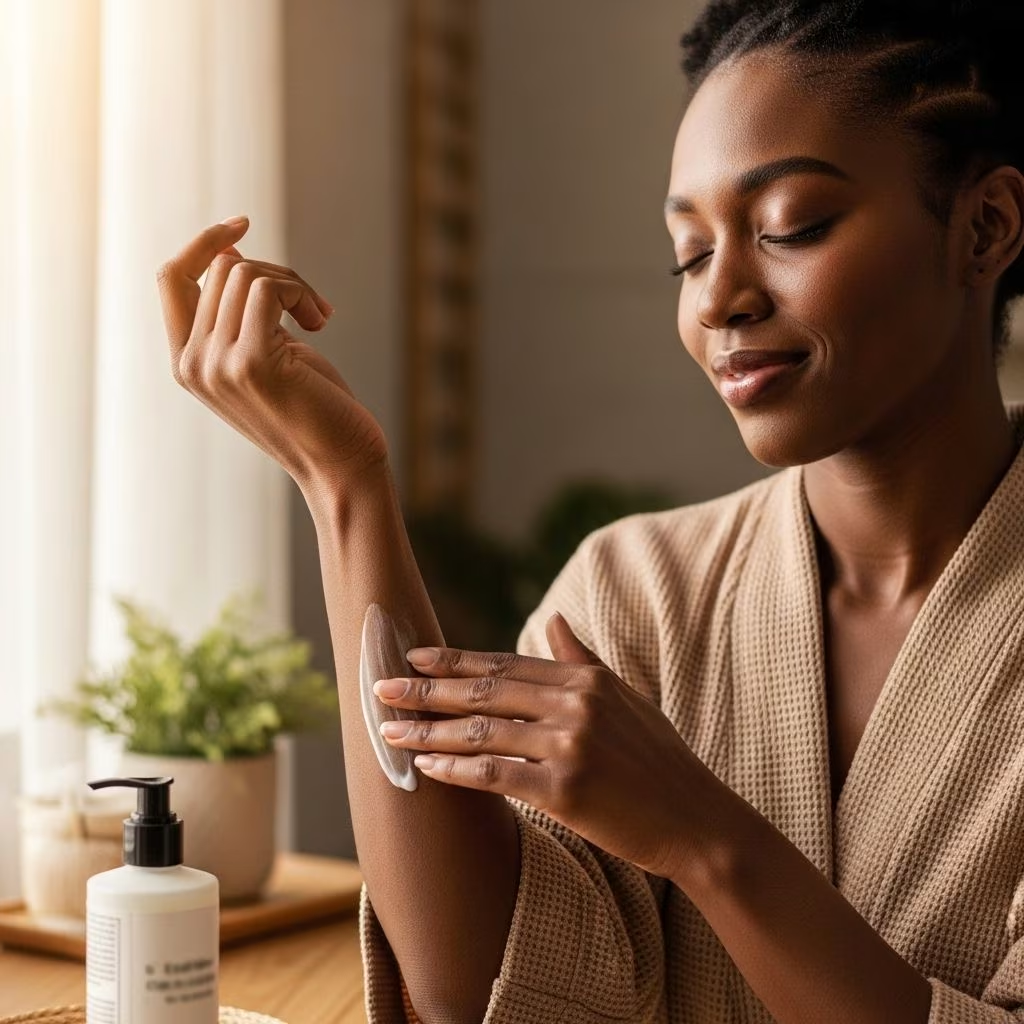
Reframed through the lens of self-love and joy, lotioning becomes a cherished time to connect with one’s body, set intentions for the day, and revel in the glow that follows. It offers both short-term comfort and long-term confidence.
- Practicing Mindfulness: The act of lotioning, when done with care, can be meditative, grounding, and restorative.
- Empowerment: Choosing to care for your skin is choosing yourself, every single day.
Top Moisturizers Loved by the Community
Lotioning is personal—your chosen product has to feel and smell right, work in all seasons, and leave skin glowing, never greasy. Here are some standout picks celebrated within the community and beyond:
- Oyin Handmade No Ash at All Cocoa Butter Lotion: Packed with olive oil, aloe juice, and oat protein, this cocoa butter lotion keeps skin hydrated through winter’s dryness while remaining light in humid weather. It’s rich, never heavy—a go-to for all seasons.
- Loewe Paula’s Ibiza Body Lotion: This luxurious, creamy lotion provides instant smoothness and a subtle, earthy floral scent that lingers. A little goes a long way, letting users indulge in luxury daily.
- 54 Thrones African Beauty Butter: Known for its unique blend of shea butter, sweet almond oil, and other humectants, this product turns any rough patch into soft, radiant skin. Its signature aroma adds a touch of indulgence.
- Beneath Your Mask Heal Whipped Skin Soufflé: Both a daily essential and a handbag staple, this whipped formula provides antibacterial, anti-aging, and barrier-supporting benefits. It’s favored for frequent hand washing or on-the-go care.
| Product Name | Main Benefits | Star Ingredients | Ideal For |
|---|---|---|---|
| Oyin Handmade No Ash at All | Hydrating, non-greasy, all-season use | Cocoa butter, olive oil, aloe juice, oat protein | Dry and normal skin, year-round wear |
| Loewe Paula’s Ibiza Body Lotion | Luxurious feel, lasting scent | Ultra-creamy blend, floral fragrance | Anyone seeking indulgence, special occasions |
| 54 Thrones African Beauty Butter | Deeply moisturizing, fragrant | Shea butter, sweet almond oil, humectants | Rough or extremely dry skin |
| Beneath Your Mask Heal Whipped Skin Soufflé | Antibacterial, anti-aging, barrier repair | Natural antioxidants, soothing oils | Frequent hand washing, sensitive skin |
How to Make the Most of Your Lotioning Routine
Optimal moisturizing isn’t just about the products, but the method. Here are best practices for radiant skin:
- Apply on Damp Skin: Moisturize right after showering to lock in hydration.
- Be Thorough: Don’t forget often-missed areas like elbows, knees, and ankles.
- Choose the Right Product: Match texture (light, thick) to season and your skin’s needs.
- Reapply as Needed: Keep a travel-sized lotion on hand for touch-ups throughout the day, especially after hand washing.
- Make It Enjoyable: Savor the ritual—experiment with scents and textures that make you feel happiest.
FAQs: Lotioning in Black Culture
Q: Why do Black people place such an emphasis on lotioning?
A: Regular moisturizing both maintains healthy, glowing skin and resists negative perceptions rooted in racial stereotypes. It’s a matter of self-love and cultural pride.
Q: Is ‘ashy’ skin only a concern for Black people?
A: While all skin types can get dry, ashiness appears more visibly on melanin-rich skin, which can lead to more social emphasis in Black communities.
Q: What’s the best time to apply lotion?
A: Right after showering, when skin is still damp—this helps seal in moisture for lasting hydration.
Q: Are there special ingredients recommended for deeper skin tones?
A: Shea butter, cocoa butter, almond oil, aloe vera, and oat protein are favorites for their deep hydration, soothing properties, and nourishing benefits.
Q: How does lotioning connect to larger discussions about self-care and identity?
A: Lotioning fosters both physical wellness and emotional resilience. It combats stereotypes and encourages a positive self-image within and outside the Black community.
Takeaway Tips for Loving Your Skin
- View lotioning as an act of self-honor—an affirmation of your beauty and heritage.
- Experiment with formulations and routines until your skin feels and looks its best.
- Support brands that understand and celebrate the needs of melanin-rich skin.
- Remember: glowy, well-loved skin isn’t just about appearance—it’s about how you feel in your own body.
Whether you’re a lifelong devotee or new to the ritual, embracing lotioning is a celebration of culture, care, and confidence. Glisten on.
References
- https://www.cosmopolitan.com/style-beauty/beauty/a42770995/black-people-lotioning/
- https://www.the-independent.com/news/media/press/cosmopolitan-apologises-for-using-black-models-to-illustrate-dead-looks-in-racist-beauty-feature-a112051.html
- https://www.cosmopolitan.com/style-beauty/beauty/a44273519/do-black-people-need-sunscreen/
- https://read.dukeupress.edu/meridians/article/19/S1/363/167559/Cosmopolitan-WhitenessThe-Effects-and-Affects-of
- https://www.pulse.ng/articles/lifestyle/fashion/the-cosmopolitan-magazine-blasted-over-racist-beauty-trend-article-2024080917143546878