The Olympian Gelatin Hair Hack: How Synchronized Swimmers Keep Their Hair Flawless
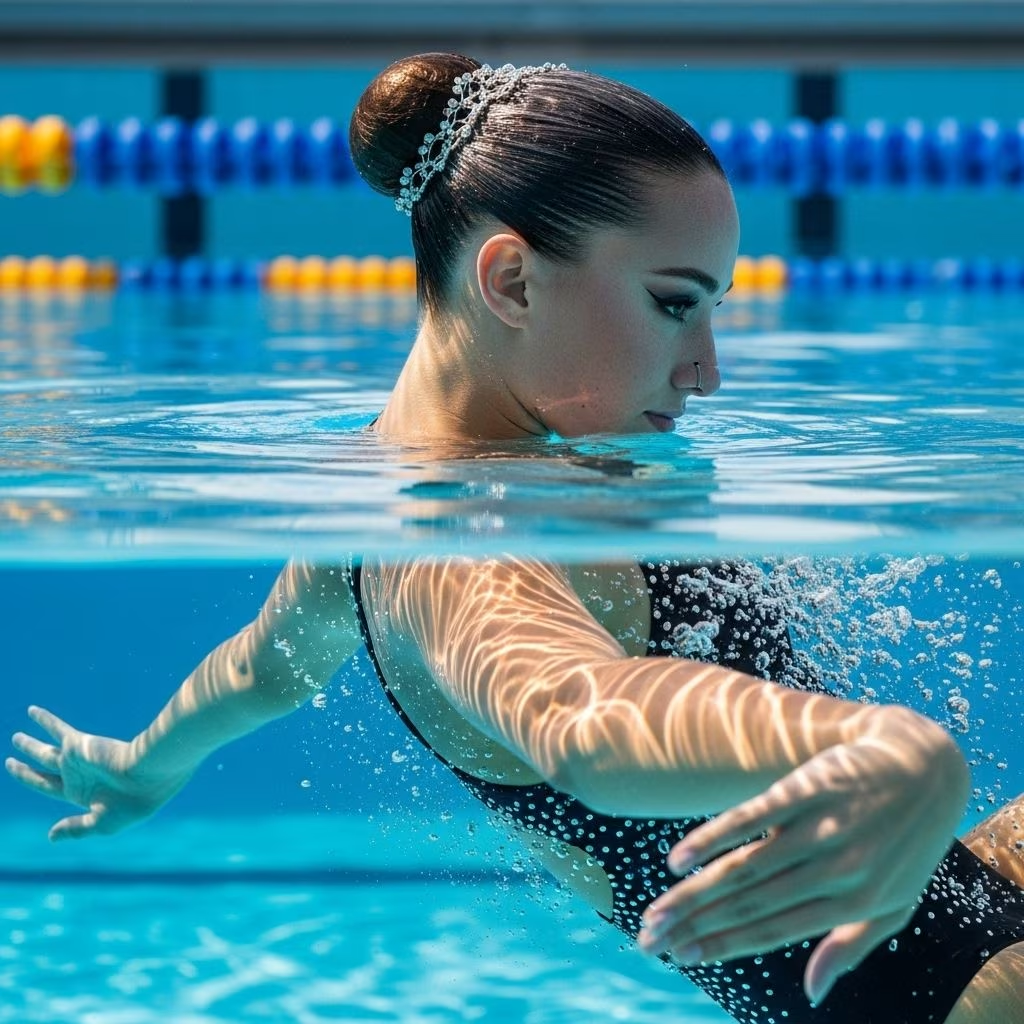
If you’ve ever watched synchronized swimming at the Olympics, you know the routines are breathtaking feats of athletic art. But just as striking is how the athletes’ hair stays perfectly slicked, adorned, and utterly immobile—despite elaborate movements and hours spent underwater. Unlike competitive swimmers, synchronized swimmers do not wear swim caps, leaving their hair exposed to water, chlorine, and the rigorous demands of their sport. To solve this beauty conundrum, U.S. synchronized swimmers rely on a surprising solution: unflavored gelatin, the same ingredient found in Jell-O.
Why Synchronized Swimmers Don’t Use Standard Hair Products
The challenge for synchronized swimmers is unique. With routines lasting several minutes performed entirely underwater—complete with jumps, flips, and coordinated moves—waterproof styling is not just about aesthetics. Traditional solutions, such as hair gel, wax, or hairspray, quickly dissolve in water or fail to provide lasting hold. Swim caps are not an option, as they can fall off or interfere with elaborate hairpieces and headpieces required for competition.
- Hair gels most often dissolve and lose shape in water.
- Swim caps might slip off, especially during intense routines.
- Other products like wax or Vaseline, tried in past decades, failed to provide the lasting hard hold achieved by gelatin.
The Story Behind the Gelatin Hack: “Knoxing”
This unusual approach to hair styling is lovingly called “Knoxing” in the synchronized swimming community, borrowing the name from the popular gelatin brand Knox. According to U.S. Olympic swimmers Anita Alvarez and Mariya Koroleva, “When we compete, we put Knox gelatin in our hair. It’s like unflavored Jell-O. We mix it with water, and it turns into a gooey mixture. You comb or brush that into your hair, put it up in a bun, and put a headpiece over that. When it dries, it gets really hard and your hair doesn’t fall out when you swim. We like to add glitter and other decorations to it—it’s easy.”
Origin and Evolution
- 1960s: Early synchronized swimmers tried waxes (e.g., Dippity Do) and Vaseline to slick their hair.
- Gelatin discovered: It quickly became the standard after proving effective, cheap, and easy to apply.
- Later, punk rockers reportedly adopted the method to style Mohawks, showing the wide utility of the technique beyond poolside appearances.
How Do Synchronized Swimmers Apply Gelatin?
“Knoxing” is a precise, multi-step process often done just before competition or on the morning of a meet. Here’s how Olympic-level athletes turn unflavored gelatin into a waterproof hair shield:
- Start with unflavored powdered gelatin, usually Knox brand, though other brands work similarly.
- Mix the powder thoroughly in hot water to create a smooth, lump-free, gooey paste.
- Apply the paste with a comb or brush onto wet or dry hair, distributing from roots to ends for maximum hold.
- Shape hair into a slick bun (the standard style for competitions) and secure it in place.
- Add glitter or decorative headpieces as desired, which adhere easily to the sticky surface.
- Wait for the mixture to dry and harden, which typically takes 10-15 minutes for those experienced at “Knoxing.” Beginners may take longer to get a smooth, even finish.
Expert Tips
- Some swimmers use a paintbrush for extra smooth application or to add a second coat.
- For multi-day meets, athletes may sleep with Knoxed hair to avoid repeating the process the next morning.
- If flyaways appear, a second layer seals everything tightly for the duration of the competition.
The Science Behind Gelatin: Why It Works
Gelatin is derived from collagen—it is flavorless, colorless, inexpensive, and readily available. When mixed with water, it forms a thick, viscous solution that hardens as it cools and dries. This forms a strong, cohesive shell that:
- Repels water, keeping hair locked in place no matter how many flips or twists occur underwater.
- Allows for creative styling—buns, headpieces, glitter, and braids are all possible.
- Completely seals loose hair, preventing any strands from escaping, which is crucial for synchronized routines featuring elaborate positions.
As the hair dries, it feels almost like a “helmet,” immune to water and movement in a way traditional styling products cannot match.
Makeup Magic: Waterproof Solutions for Underwater Performance
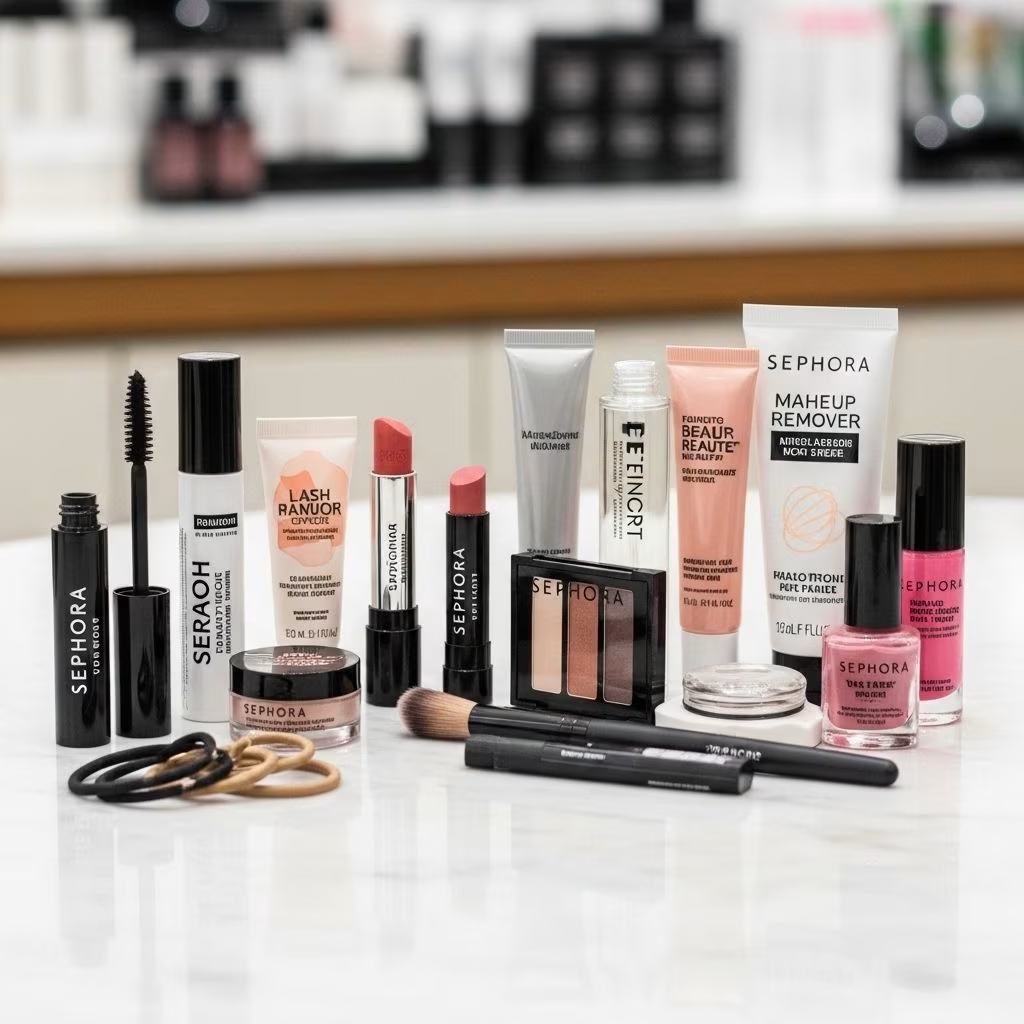
Synchronized swimmers face similar challenges with makeup. Just as with hair, standard beauty products risk melting, running, or washing away during routines. To overcome this, athletes have developed a regimen centered on rigidly waterproof formulas:
- Foundation: Make Up For Ever’s foundation is favored for its durable, sweat-proof finish.
- Mascara & Eye Shadow: The same brand’s waterproof mascara and cream eye shadow offer color that stays in place despite immersion.
- Aqua Seal: This product is used to literally seal non-waterproof cosmetics, preventing smudging and color loss.
The goal is not just looking good but maintaining team uniformity—swimmers must match each other flawlessly in every aspect of presentation, from makeup colors to the style and intricacy of their bun.
Decor and Personality: Sparkle and Individuality Underwater
Synchronized swimming isn’t just a sport but also a visual art. Athletes freely personalize their looks:
- Glitter is commonly added to gelatin-slicked hair for extra sparkle in the pool lights.
- Elaborate headpieces and decorations elevate the performance’s visual wow factor and complement the theme of each routine.
- Team members may coordinate colors, designs, and accessories for added uniformity and style.
The Reality of Gelatin Hair: Trials, Triumphs, and Daily Life
Can the Olympian hair hack work outside the pool? When tried in everyday settings, unflavored gelatin delivers impressive results, keeping hair immobile throughout the day—even during sleep. However, it can attract stares in the real world, as the rigidity and shine look unusual. The removal process is also noteworthy:
- Hot water and conditioner effectively dissolve and loosen the hardened gelatin.
- Shampoo alone is less effective, as gelatin clings to the hair until broken down by heat and emollients.
- After washing, hair may feel softer and shinier—an unintended benefit recognized anecdotally, though topical gelatin is not proven to enhance hair health.
This hack, while highly practical for aquatic performance, may be too intense for most daily routines.
Frequently Asked Questions (FAQs)
Q: Why don’t synchronized swimmers use swim caps or hair gel?
A: Swim caps can fall off during athletic routines; hair gel offers insufficient hold and dissolves in water. Gelatin provides a reliable, waterproof solution that hardens and keeps hair in place throughout performances.
Q: How long does it take to apply gelatin to hair?
A: Experienced swimmers can “Knox” their hair in 10–15 minutes; beginners may need longer to achieve a smooth, even layer.
Q: Can you use flavored gelatin?
A: No. Only unflavored gelatin is used to avoid sticky residues, colors, or scents interfering with styling and overall presentation.
Q: How do swimmers safely remove gelatin from their hair?
A: Using very hot water and conditioner loosens and dissolves the hardened gelatin for easy removal. Shampoo alone is generally ineffective.
Q: Does gelatin damage hair?
A: There is no evidence that topical gelatin application harms hair; some athletes note that their hair feels softer and shinier after use.
Q: Is this hack recommended for everyday use outside the pool?
A: While it achieves spectacular results, most users find it too rigid and attention-grabbing for daily life. It is best reserved for special occasions where maximum hold is essential.
Step-by-Step Table: How to “Knox” Your Hair
| Step | Description |
|---|---|
| 1. Prep Gelatin | Mix 1 packet of unflavored gelatin with hot water till gooey and lump-free. |
| 2. Section Hair | Comb hair back into desired style (typically bun for swimmers). |
| 3. Apply Mixture | Coat hair with gelatin paste using comb, brush, or paintbrush. |
| 4. Style | Slick hair into bun, add headpiece, and decorate with glitter. |
| 5. Dry | Allow mixture to harden, about 10-15 minutes for a finished look. |
Pro Tips for Synchronized Swimming Beauty
- Opt for quality waterproof makeup that can be layered or sealed.
- Choose unflavored gelatin and experiment with different amounts for desired hold.
- Keep glitter and decoration subtle to avoid harsh removal later.
- Practice removal with hot water and conditioner before your event to ensure you’re comfortable with the process.
- Coordinate with your team for uniformity, but don’t be afraid to add personal touches within the guidelines of competition rules.
Conclusion: Why the Gelatin Hack Defines Synchronized Swimming Beauty
In the world of synchronized swimming, performance and presentation are inseparably linked. The ingenious use of gelatin—alongside advanced makeup tactics, coordinated adornments, and plenty of creativity—allows these athletes to showcase their skills without ever worrying about stray hairs or running mascara. This Jell-O hair hack is more than a beauty tip: it is a testament to the innovation, discipline, and flair central to synchronized swimming culture.
References
- https://www.mic.com/articles/151838/knoxing-why-synchronized-swimmers-put-gelatin-in-their-hair
- https://www.cosmopolitan.com/style-beauty/beauty/a62817/usa-synchronized-swimmers-gelatin-hair-hack/
- https://thetab.com/us/2016/08/27/tried-olympic-synchronized-swimmers-gelatin-hair-trick-everyday-life-49824
- https://www.essence.com/beauty/olympic-swimmers-gelatin-hair-hacks/