


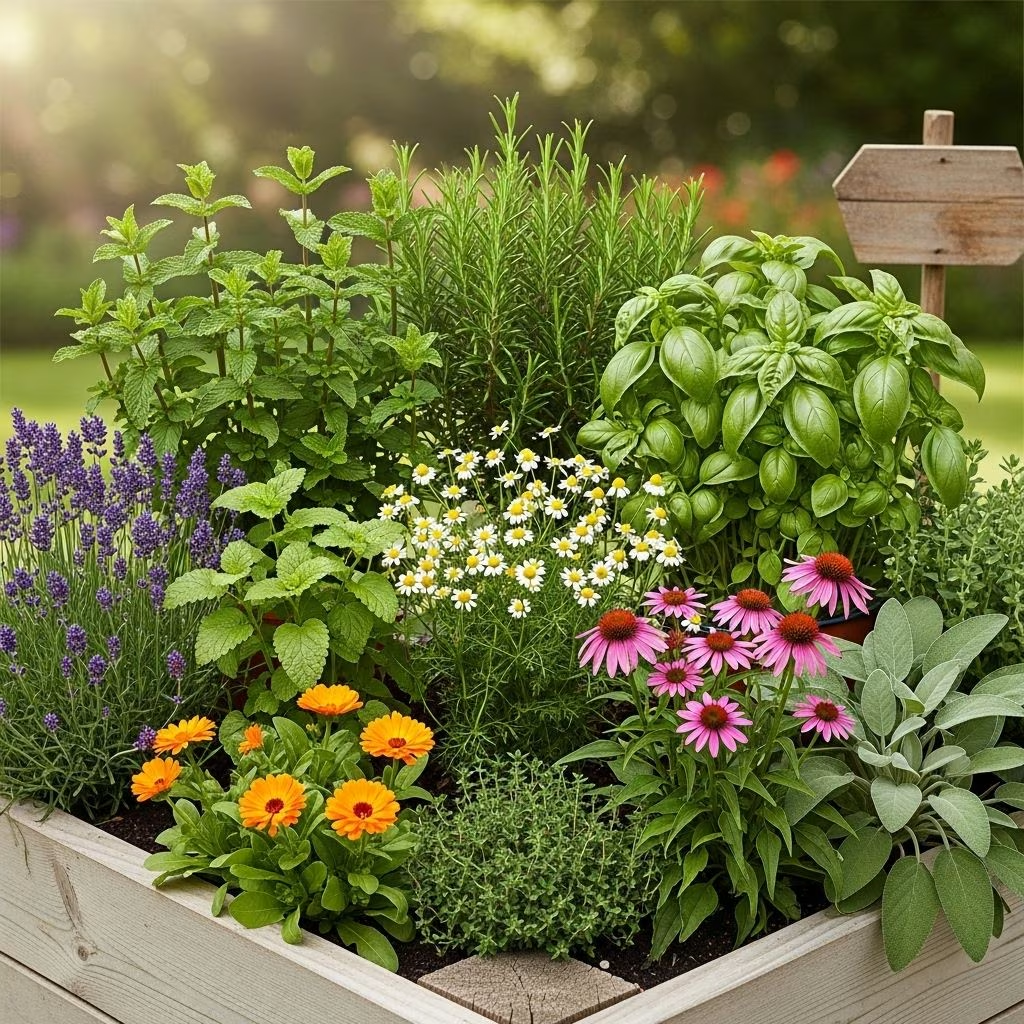
Growing your own medicinal herb garden is one of the most rewarding projects you can undertake as a home gardener. Not only do these plants provide beauty and fragrance to your outdoor space, but they also offer incredible health benefits and can be transformed into natural remedies and body care products. Whether you’re a seasoned herbalist or just beginning your journey into natural wellness, starting with easy-to-grow, versatile herbs is the perfect way to build confidence and create a sustainable source of healing plants right in your backyard.
This comprehensive guide explores ten exceptional herbs that are relatively simple to cultivate and offer a wide range of therapeutic applications. These plants have been selected for their adaptability to various growing conditions, their proven medicinal properties, and their versatility in creating everything from healing salves to soothing teas. While this list represents some of the most accessible and useful medicinal herbs for beginners, it’s important to remember that the world of herbal medicine is vast and filled with countless other wonderful plants waiting to be discovered.
Understanding the Basics of a Medicinal Herb Garden
Before diving into specific plants, it’s helpful to understand what makes a successful natural remedies garden. Most medicinal herbs thrive in conditions that mirror their native habitats, which often means well-drained soil, adequate sunlight, and appropriate watering. Many of these plants are surprisingly hardy and forgiving, making them ideal for gardeners of all experience levels. The key is to start small, learn as you grow, and gradually expand your herbal apothecary as you gain confidence in both cultivation and usage.
When planning your medicinal herb garden, consider dedicating a specific area to these healing plants, or intersperse them throughout your existing garden beds. Many medicinal herbs also serve as attractive ornamental plants, offering colorful blooms and interesting foliage that enhance the overall aesthetic of your garden while providing functional benefits. Let’s explore ten outstanding herbs that deserve a place in every natural remedies garden.
Calendula: The Skin-Healing Powerhouse
Calendula officinalis, commonly known as pot marigold, stands out as one of the most valuable herbs for skin care and wound healing. This cheerful annual produces bright orange and yellow flowers that are as beautiful as they are therapeutic. Calendula has earned its reputation as a premier healing herb due to its powerful anti-inflammatory, antimicrobial, and skin-regenerating properties.
Cultivation Requirements: Growing calendula is remarkably straightforward, making it an excellent choice for beginning herbalists. Sow seeds directly into regular garden soil after the last frost date in your area. The plants are not particularly fussy about soil conditions and will thrive in average garden soil with moderate fertility. In USDA Zone 7 and similar climates, calendula flowers will bloom continuously throughout the summer months and can even withstand the first light frosts of autumn. While heavy frost will eventually kill the plants, calendula frequently self-seeds, creating delightful surprises when volunteer plants appear in unexpected locations the following spring.
Therapeutic Applications: The vibrant petals of calendula are loaded with beneficial compounds that make them invaluable for treating a wide range of skin conditions. When infused in carrier oils and transformed into salves, balms, and lotions, calendula excels at healing cuts, scrapes, burns, and irritated skin. Its gentle yet effective nature makes it suitable for use on sensitive skin and even for children. Calendula preparations can help reduce inflammation, speed wound healing, and provide relief from conditions like eczema, diaper rash, and minor skin infections. The flowers can also be used to create soothing bath soaks, facial steams, and natural colorants for handmade soap.
Lemon Balm: The Calming Antiviral Herb
Melissa officinalis, better known as lemon balm, is a member of the mint family that offers a delightful lemony scent and flavor along with impressive medicinal properties. This perennial herb has been used for centuries to promote relaxation, support digestive health, and combat viral infections.
Growing Conditions: Lemon balm plants are typically available at local nurseries and garden centers, though they can also be grown from seed. A single plant will quickly establish itself and provide an abundant harvest once it takes root. It’s important to note that lemon balm shares the mint family’s vigorous spreading habit, so be prepared to give it plenty of room or consider growing it in a contained area to prevent it from taking over your garden. The plant thrives in well-drained, moist soil and responds exceptionally well to being cut back multiple times during the growing season, which actually encourages more vigorous growth. Interestingly, lemon balm proves remarkably adaptable and can even flourish in challenging conditions like dry, heavy clay soil.
Health Benefits and Uses: When taken internally as a tea or tincture, lemon balm excels at calming nervous tension and promoting restful sleep without causing grogginess. Its gentle sedative properties make it an excellent choice for managing stress and anxiety in both adults and children. Beyond its calming effects, lemon balm possesses potent antiviral properties that make it particularly valuable during cold and flu season. The herb has gained recognition as one of the premier natural treatments for cold sores, which are caused by the herpes simplex virus. Regular use of lemon balm, whether applied topically or taken internally, can help reduce the frequency and severity of outbreaks. Additionally, lemon balm is highly effective for treating digestive complaints, including upset stomach, gas, bloating, and colic.
Mint: The Versatile Cooling Herb
Various species of Mentha have earned their place in medicinal gardens around the world due to their refreshing flavor, cooling properties, and wide range of therapeutic applications. Whether you choose peppermint, spearmint, or another variety, mint is an indispensable addition to any natural remedies garden.
Cultivation Tips: Like its relative lemon balm, mint is notorious for its aggressive spreading habit. Most gardeners find it wise to grow mint in containers or designated areas where its enthusiastic growth won’t overwhelm other plants. Mint prefers moist, well-drained soil and can tolerate partial shade, though it will produce more aromatic leaves in full sun. The plants are perennial in most climates and will return year after year, often spreading even more vigorously with each passing season.
Medicinal Properties: The leaves of mint plants contain menthol and other compounds that create a characteristic cooling sensation when applied topically or consumed. This cooling effect provides natural pain relief and makes mint especially valuable for treating headaches, muscle aches, and minor injuries. Mint is also renowned for its digestive benefits, effectively relieving nausea, stomach cramps, indigestion, and gas. The herb’s antimicrobial properties make it useful for freshening breath and supporting oral health. Mint can be enjoyed fresh in teas, infused into oils for topical applications, added to bath soaks for a refreshing experience, incorporated into homemade soap and body care products, and even used to create natural treats for pets.
Spilanthes: The Immune-Boosting Toothache Plant
Acmella oleracea, commonly called spilanthes or toothache plant, may not be as well-known as some other medicinal herbs, but it deserves serious consideration for any natural remedies garden. This remarkable plant has earned enthusiastic devotion from herbalists who have experienced its powerful effects firsthand.
Growing Guidelines: Spilanthes is a tropical perennial that must be grown as an annual in most regions of the United States. The plant thrives in full sun and appreciates good, fertile garden soil. Once established in a favorable location, spilanthes often self-seeds reliably, returning year after year without additional effort from the gardener. In some gardens, spilanthes has consistently reseeded itself for seven years or more, making it a truly sustainable addition to the medicinal herb garden.
Remarkable Health Benefits: Among experienced herbalists, spilanthes has gained a reputation as an indispensable ally during cold and flu season. The plant demonstrates impressive effectiveness against various viral infections, including stomach bugs, respiratory infections, and other common illnesses. Spilanthes possesses strong anti-inflammatory properties and acts as a natural pain reliever, living up to its common name as a remedy for toothaches and oral pain. When chewed fresh, the leaves and flowers create a distinctive tingling sensation that temporarily numbs the mouth, providing quick relief from dental discomfort. The plant’s immune-stimulating properties make it valuable for both preventing and treating infections, while its antimicrobial action helps the body fight off various pathogens.
Echinacea: The Classic Immune System Supporter
Echinacea purpurea, widely known as purple coneflower, ranks among the most recognized medicinal herbs in North America. This native plant has been used for centuries by indigenous peoples and continues to be one of the most popular herbal supplements for immune support.
Growing Requirements: Echinacea is a hardy perennial that produces stunning purple flowers with distinctive cone-shaped centers. The plants prefer full sun to partial shade and well-drained soil. Once established, echinacea demonstrates excellent drought tolerance and requires minimal maintenance. The flowers attract beneficial pollinators, particularly butterflies and bees, making echinacea a valuable addition to pollinator gardens as well as medicinal gardens. Plants can be started from seed or purchased as transplants from nurseries.
Medicinal Applications: Echinacea is primarily valued for its immune-stimulating properties, which make it useful for preventing and shortening the duration of colds and flu. The root, leaves, and flowers all contain beneficial compounds, though different parts of the plant are used for different preparations. When infused in carrier oils, echinacea creates healing salves that are effective for treating eczema, minor scrapes and abrasions, insect bites, and various skin irritations. Echinacea tea or rinse can be used as an antimicrobial wash for cleaning wounds or as a natural mouthwash to support oral health. The herb’s anti-inflammatory properties make it valuable for reducing swelling and supporting the body’s natural healing processes. Echinacea can also be incorporated into homemade lip balms to provide soothing relief for chapped or damaged lips.
Lavender: The Aromatic Stress Reliever
Lavandula angustifolia, or English lavender, is beloved worldwide for its enchanting fragrance and extensive therapeutic applications. This woody perennial herb combines beauty, fragrance, and medicine in one elegant package.
Cultivation Considerations: Lavender is a perennial plant that requires full sun and excellent drainage to thrive. The plant does not tolerate high humidity or consistently damp conditions well, making it more challenging to grow in certain climates. While lavender can be grown from seed, many gardeners find this process tedious and time-consuming, making it more practical to purchase established plants from local nurseries or garden centers. Once planted in appropriate conditions, lavender requires minimal care and will reward you with fragrant blooms for many years. The plants benefit from occasional pruning to maintain their shape and encourage fresh growth.
Therapeutic Benefits: Lavender has earned its reputation as one of the most versatile and beloved herbs in natural medicine. The essential oil and dried flowers are renowned for their ability to promote relaxation, reduce stress and anxiety, and support restful sleep. Lavender’s anti-inflammatory properties make it valuable for treating minor burns, insect bites, and skin irritations. The herb possesses mild antiseptic qualities that help prevent infection in minor wounds. Lavender’s pleasant aroma makes it a popular choice for bath products, sachets, pillow sprays, and natural perfumes. The flowers can be used to create infused oils, tinctures, hydrosols, and a wide variety of body care products that nourish the skin while calming the mind.
Additional Essential Herbs for Your Garden
Beyond these foundational herbs, several other plants deserve consideration for inclusion in your natural remedies garden. Chamomile produces delicate daisy-like flowers that make a soothing tea famous for promoting relaxation and supporting digestive health. The flowers are anti-inflammatory and antibacterial, making them especially suitable for sensitive skin preparations. Plantain, a common leafy weed found in lawns and disturbed areas, is actually one of the most valuable first-aid plants you can have on hand, with remarkable abilities to draw out toxins, reduce inflammation, and speed healing of wounds and insect bites.
Thyme is another valuable addition, offering powerful antimicrobial properties that make it useful for respiratory infections, digestive issues, and topical applications. Rosemary combines culinary appeal with medicinal benefits, supporting memory and concentration while providing antioxidant and anti-inflammatory effects. Each of these herbs contributes unique properties to your natural apothecary and can be easily integrated into various homemade remedies and body care products.
Harvesting and Preserving Your Medicinal Herbs
Learning proper harvesting and preservation techniques ensures you’ll have high-quality herbs available year-round for making remedies. Most herbs are best harvested in the morning after the dew has dried but before the heat of the day causes essential oils to dissipate. For flowers like calendula and chamomile, pick them when they’re fully open and at their peak. Leafy herbs like lemon balm, mint, and plantain should be harvested before the plants flower, when their medicinal compounds are most concentrated.
Drying herbs properly is crucial for maintaining their potency and preventing mold. Bundle herbs in small bunches and hang them upside down in a warm, dry location with good air circulation, away from direct sunlight. Alternatively, lay individual flowers or leaves on screens or drying racks. Herbs are fully dried when they feel crisp and crumbly to the touch. Store dried herbs in airtight glass containers away from light, heat, and moisture. Properly dried and stored herbs typically maintain their potency for one to two years, though annual replacement ensures maximum effectiveness.
Creating Your First Herbal Remedies
Once you’ve successfully grown and harvested your medicinal herbs, the next exciting step is transforming them into useful remedies. Start with simple preparations like herbal teas, which require nothing more than steeping fresh or dried herbs in hot water. Teas are an accessible way to enjoy the internal benefits of herbs like lemon balm, mint, and chamomile. As you gain confidence, you can progress to making infused oils by slowly heating herbs in carrier oils like olive or sweet almond oil, which then serve as the base for salves, balms, and lotions.
Tinctures are another valuable preparation method that involves extracting the medicinal compounds from herbs using alcohol. These concentrated liquid extracts have a long shelf life and provide a convenient way to take herbs internally. Salves and balms made by combining infused oils with beeswax create protective, healing preparations perfect for treating skin issues, minor wounds, and muscle aches. Start with small batches, keep careful notes about your recipes and results, and always research proper usage and safety considerations for each herb you work with.
Frequently Asked Questions
Q: How much space do I need to start a medicinal herb garden?
A: You can start a medicinal herb garden in any amount of space, from a small collection of containers on a balcony to a dedicated garden bed. Even a few pots containing herbs like calendula, lavender, and mint can provide enough material to make several batches of remedies. Start small and expand as you gain experience and discover which herbs you use most frequently.
Q: Are these medicinal herbs safe for everyone to use?
A: While the herbs listed here are generally considered safe for most people when used appropriately, it’s important to research each herb thoroughly before use. Some herbs may interact with medications or may not be suitable during pregnancy or for young children. Always start with small amounts when trying a new herb, and consult with a qualified healthcare practitioner if you have specific health concerns or are taking medications.
Q: Can I grow these herbs if I don’t have a garden?
A: Yes, many medicinal herbs grow successfully in containers. Herbs like lavender, thyme, calendula, and mint all adapt well to pot cultivation. Choose containers with good drainage, use quality potting soil, and ensure the plants receive adequate sunlight. Container growing also helps control aggressive spreaders like mint and lemon balm.
Q: How long does it take before I can harvest herbs from my new garden?
A: Annual herbs like calendula can often be harvested within 6-8 weeks of planting, while perennial herbs may need a full growing season to become established before heavy harvesting. In the first year, harvest lightly from perennials to allow them to develop strong root systems. By the second year, most perennial herbs will produce abundantly and can withstand regular harvesting throughout the growing season.
Q: What’s the best way to learn more about using herbs medicinally?
A: Start by reading reputable books on herbal medicine, taking courses from experienced herbalists, and connecting with local herb groups or botanical gardens that offer classes. Always begin with simple preparations and well-documented uses. Keep detailed records of the herbs you grow and the remedies you make, noting what works well for you and your family. Consider studying herb monographs that provide comprehensive information about individual plants, including their traditional uses, active compounds, and safety considerations.
Conclusion: Starting Your Herbal Journey
Creating a natural remedies garden is a deeply rewarding endeavor that connects you with traditional healing wisdom while providing practical solutions for common health concerns. The ten herbs highlighted in this guide—calendula, lemon balm, mint, spilanthes, echinacea, lavender, and others—represent an excellent foundation for both beginning and experienced herbalists. These plants offer the perfect combination of ease of cultivation, versatility of use, and proven medicinal benefits.
Remember that developing knowledge and skill in herbal medicine is a gradual process. Start with one or two herbs that particularly appeal to you or address your most pressing health needs. As you gain confidence in growing, harvesting, and using these plants, you can gradually expand your garden and your repertoire of remedies. The journey of growing and using medicinal herbs is as much about developing a deeper connection with nature and understanding your own health as it is about the practical remedies you create. With patience, observation, and practice, your medicinal herb garden will become an invaluable resource for supporting the health and wellness of your entire family for years to come.
References
- https://thenerdyfarmwife.com/10-herbs-to-grow-in-a-natural-remedies-garden/
- https://thenerdyfarmwife.com
- https://www.youtube.com/watch?v=FdEk5FGnzQs&vl=en
- https://thenerdyfarmwife.com/how-to-harvest-dry-flowers-herbs-from-garden/
- https://thenerdyfarmwife.com/natural-remedies/
- https://thenerdyfarmwife.com/index-by-flower-and-herb/
- https://thenerdyfarmwife.com/5-homemade-products-using-flowers-and-herbs-from-your-garden/
- https://thenerdyfarmwife.com/big-book-of-projects-using-common-herbs-and-flowers-in-print/


